10 Best Home lmprovements For Your Home In 2026

October ,13 2025
An in-depth overview of the Best Home lmprovements For Your Home, highlighting their Materials & styles, Design longevity, Budget & phasing, Cost & timeline.
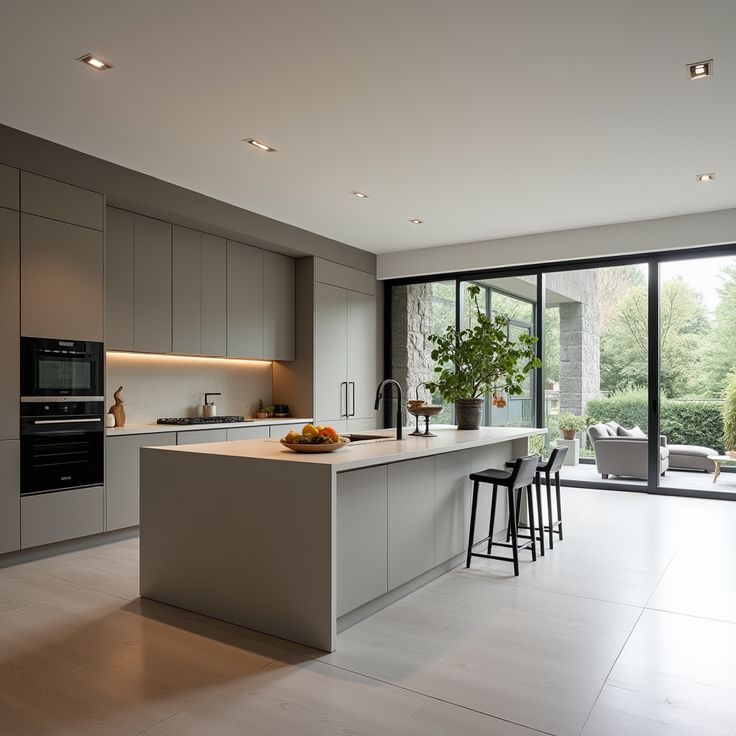
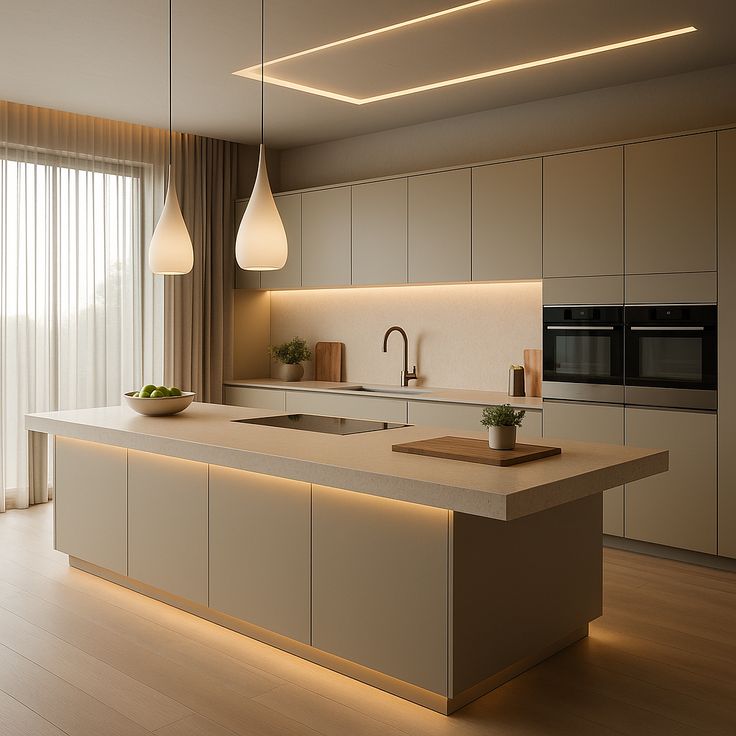
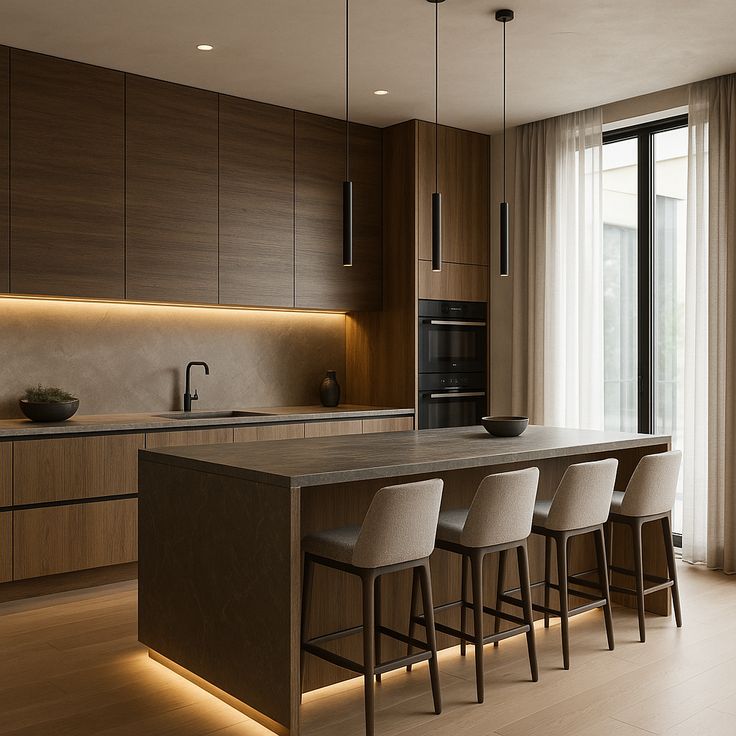
Modern kitchen remodel with light wood cabinets and quartz countertops—high-ROI Home Improvements.
Source

Introduction

The best Home Improvements in 2026 combine comfort, energy savings, and timeless style. Whether you’re planning a single weekend upgrade or a full-house refresh, this guide ranks high-impact projects, outlines materials and style options, and flags costs, timelines, and planning tips so you can invest with confidence.


How to Choose the Right Home Improvements (2026)

Impact first: Prioritize energy envelope (insulation/air sealing), HVAC, windows—these reduce bills and improve comfort all year.

Lifestyle fit: Kitchens, baths, storage, and lighting change how your home functions every day.

Budget & phasing: Start with quick wins, then stack larger projects; leave a 10–15% contingency.

Permits & incentives: Many efficiency upgrades qualify for rebates/tax credits—check local programs.

Design longevity: Favor durable materials, neutral foundations, and layered textures to avoid fast fashion.

Smart thermostat and zoned HVAC controls showcased as tech-forward Home Improvements for comfort.


1. Insulation & Air Sealing (The Comfort Multiplier)

What it is: Upgrading attic, walls, and crawlspace insulation; sealing drafts around penetrations.
Best for: Homes with uneven temperatures or high utility bills.
Materials & styles: Blown-in cellulose, fiberglass batts, spray foam; foam gaskets at outlets; weatherstripping.
Cost & timeline: $$ · 1–3 days (pro).

Pro tips: Address air leaks before adding insulation. Aim for continuous attic coverage and sealed attic hatches.

Rooftop solar panels and home battery system—sustainable Home Improvements for lower utility bills.


2. High-Performance Windows & Exterior Doors

What it is: Energy-efficient windows (low-E, argon) and insulated entry/garage doors.
Best for: Drafty rooms, street noise, curb appeal.
Materials & styles: Fiberglass or clad-wood windows; steel or fiberglass entry doors; quiet, insulated garage doors.
Cost & timeline: $$$–$$$$ · 1–2 weeks (install schedule).


Pro tips: Specify warm-edge spacers, quality flashing, and proper shims; coordinate trim/paint for a cohesive facade.

Attic insulation upgrade and air sealing—practical Home Improvements that improve efficiency.


3. Heat Pump HVAC + Smart Thermostat

What it is: All-electric air-source heat pump (or mini-split) with zoning and smart control.
Best for: Replacing aging furnaces/AC; comfort + efficiency.
Materials & styles: Ducted or ductless indoor units, variable-speed compressors.
Cost & timeline: $$$–$$$$ · 1–4 days.


Pro tips: Right-size the system; seal/insulate ducts; add room sensors for even temperatures.

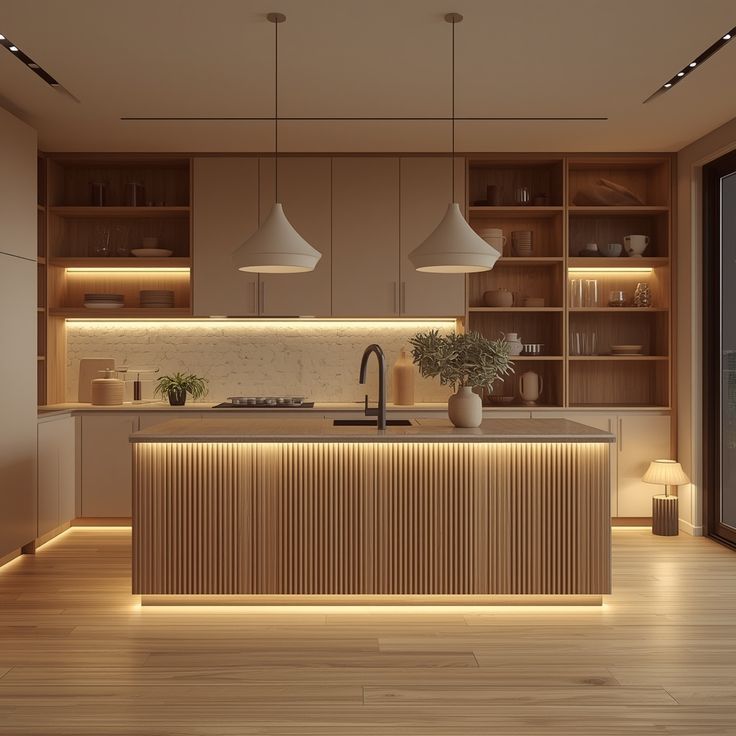
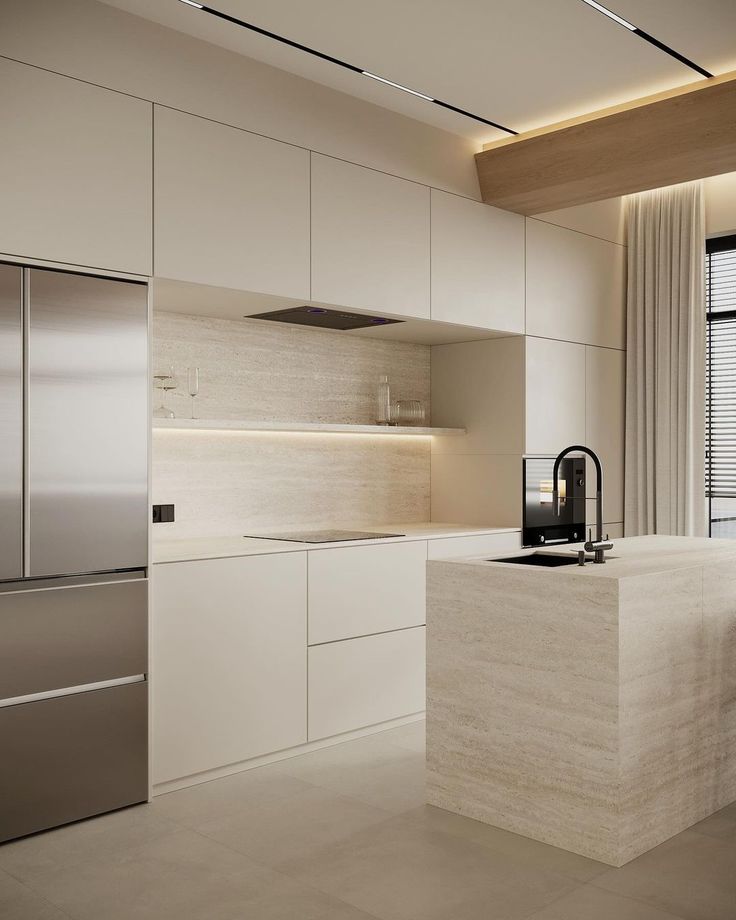
Scandinavian light wood kitchen cabinets with matte finishes and open shelves


4. Rooftop Solar (PV) & Home Battery (Where Applicable)

What it is: Solar panels with optional storage for resilience and bill reduction.
Best for: Sunny roofs, high electricity rates.
Materials & styles: High-efficiency modules, hybrid inverters, lithium battery storage.
Cost & timeline: $$$$ · 1–3 days install (+ permitting).


Pro tips: Plan main panel capacity; reserve roof space for future arrays or skylights; monitor app to optimize usage.

Exterior repaint and new fiber-cement siding—curb-appeal Home Improvements that add resale value.


5. Kitchen Refresh: Cabinets, Counters & Lighting

What it is: The highest-use space gets new doors/drawers, countertops, and layered lighting.
Best for: Function + resale value.
Materials & styles: Light wood or white Shaker/slab fronts, quartz/porcelain counters, LED under-cabinet strips, matte black or brushed nickel hardware.
Cost & timeline: $$–$$$$ · 1–6 weeks (from refacing to remodel).

Pro tips: Two-tone cabinets (light wood + white), deep drawers for pots, and a bright task lighting plan elevate daily use.

Whole-home LED and under-cabinet lighting—quick-win Home Improvements that elevate ambiance.


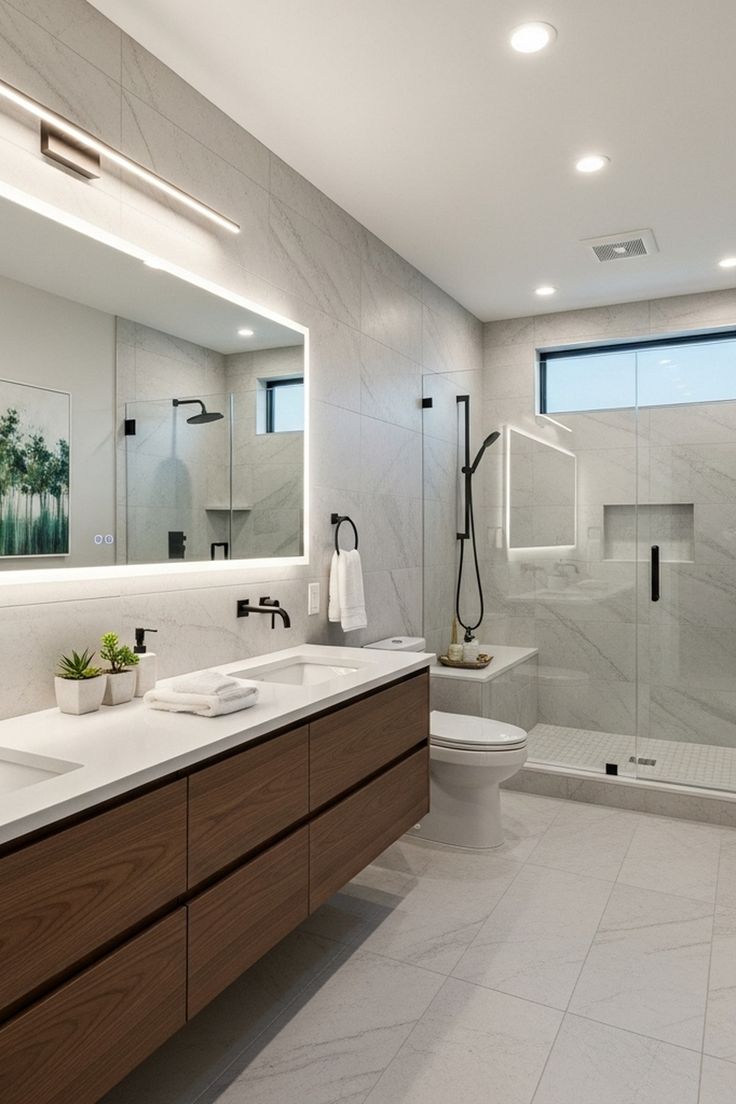
6. Bathroom Upgrade: Walk-In Shower & Water-Saving Fixtures

What it is: Tile shower, comfort-height toilet, vanity storage, ventilation.
Best for: Daily comfort + low maintenance.
Materials & styles: Large-format porcelain, quartz vanity tops, matte fixtures, quiet humidity-sensing fan.
Cost & timeline: $$–$$$ · 1–3 weeks.


Pro tips: Zero-threshold showers for accessibility, niches with slab shelves, and anti-slip floor tile.
Front yard landscaping with native plants and drip irrigation—low-maintenance Home Improvements.


7. Whole-Home Lighting Overhaul (LED + Smart Scenes)

What it is: Replace bulbs/fixtures and add layered, dimmable lighting scenes.
Best for: Mood + utility with minimal disruption.
Materials & styles: Warm LEDs (2700–3000K), dimmers, smart switches, under-cabinet and toe-kick strips.
Cost & timeline: $–$$ · Hours to a few days.


Pro tips: Set “Welcome,” “Cooking,” and “Wind-Down” scenes; prioritize high-CRI bulbs for natural color.
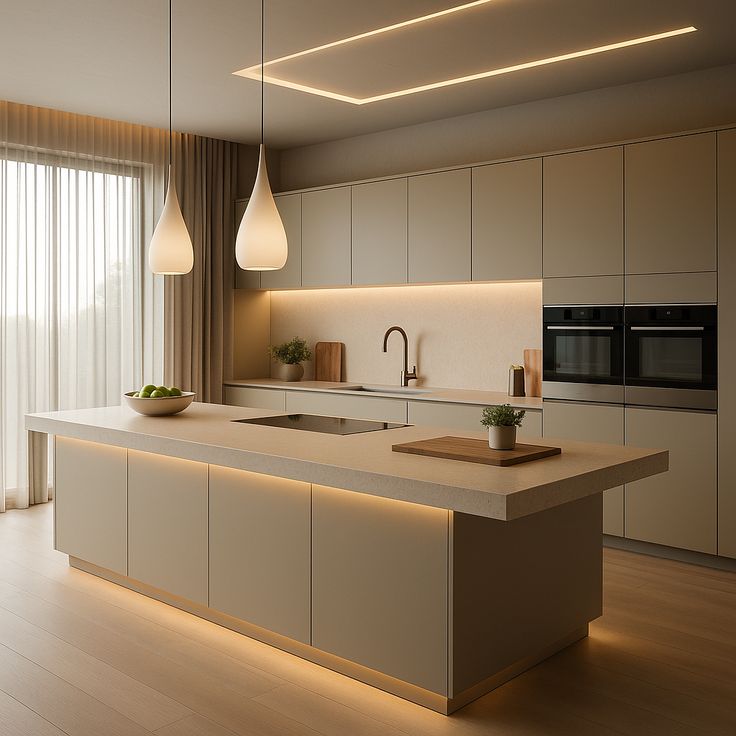
“Fingerprint-free matte and glossy kitchen cabinet finishes trending in UK 2025.”


8. Flooring Replacement: Durable, Quiet, Easy-Care

What it is: New surfaces for continuity and maintenance.
Best for: Outdated/uneven floors; allergy concerns.
Materials & styles: Engineered wood, waterproof LVP, large-format porcelain; acoustic underlayment.
Cost & timeline: $$–$$$ · 2–7 days.


Pro tips: Run planks longways to visually enlarge rooms; match stair nosings; pad area rugs for sound comfort.

Luxury vinyl plank flooring in an open-plan living area—durable, family-friendly Home Improvements.


9. Outdoor Living & Landscaping (Curb Appeal Wins)

What it is: Deck/patio + pergola, low-maintenance native plantings, updated path/entry lighting.
Best for: Entertaining and first impressions.
Materials & styles: Composite decking, pavers, drip irrigation, solar or low-voltage LEDs.
Cost & timeline: $$–$$$$ · 2–14 days.


Pro tips: Shade for summer, wind screens for shoulder seasons; design drainage early.


10. Built-In Storage & Organization (Closets, Pantry, Garage)

What it is: Custom closets, mudroom benches, garage systems to tame clutter.
Best for: Everyday livability.
Materials & styles: Melamine/laminate systems, soft-close drawers, adjustable shelves, slatwall in garages.
Cost & timeline: $–$$$ · 1–5 days.


Pro tips: Plan full-extension drawers, valet rods, and lighting; in garages, add ceiling racks and 20A outlets for tools/EV.

Custom Luxury Wardrobe


Materials & Style Pairings (Quick Guide)

Cabinetry: Light wood or white Shaker/slab; matte black or brushed nickel hardware.

Counters/backsplash: Light quartz or porcelain with subtle veining; zellige-style tile for texture.

Fixtures: Matte black/graphite for contrast; brushed nickel for soft modern.

Palette: Warm whites, greige, soft clay; add black frames/lighting for definition.


Conclusion

The smartest Home Improvements in 2026 blend efficiency, comfort, and enduring design. Start with your home’s envelope, then invest where you live the most—kitchen, bath, lighting, flooring, and storage. With a phased plan, solid specs, and thoughtful materials, you’ll elevate daily life now while protecting value for years to come. For room-by-room inspiration, see Top 10 Master Bedroom Ideas For Your Home In 2025 and 10 Inspiring Modern Big Kitchen Design Ideas | AIS Guide.
 

FAQs

Q1. What Home Improvements have the best day-to-day impact?

The highest-impact Home Improvements for daily life are usually insulation/air sealing plus HVAC upgrades for comfort and lower bills, and kitchen lighting and storage upgrades for better workflow. If a space feels more comfortable and easier to use every single day, that project is usually a win.

Q2. For Home Improvements, should I remodel the kitchen or upgrade windows first?

It depends on your pain points. If comfort, drafts, and energy costs are your main issue, envelope and HVAC Home Improvements (insulation, air sealing, windows) should come first. If the house feels okay but the kitchen is annoying to use, a lighter kitchen refresh—new doors, countertops, and better lighting—can deliver fast satisfaction.

Q3. Are smart Home Improvements worth it?

Yes, if you keep them focused and simple. Start with smart Home Improvements like layered lighting scenes, a smart thermostat, and motorized shades. Choose systems that are discreet, easy to service, and not locked into one obscure app or ecosystem.

Q4. How can I avoid overspending on Home Improvements?

For budget control, treat Home Improvements like a project, not a shopping trip. Fix the scope early, get line-item quotes, and standardize specs (materials, hardware, finishes) across rooms. Keep a realistic contingency and phase cosmetic tasks around messy trades so you don’t redo work twice.

Q5. What exterior Home Improvements pay off most?

The curb-appeal basics are still the best-performing Home Improvements outside: fresh paint or new siding, a high-quality entry door, simple but tidy landscaping, and good exterior lighting. These raise perceived value and make the property feel cared-for before anyone even steps inside.

Q6. How should I prioritize Home Improvements on a limited budget?

Think in three layers:

     Safety & structure (roof, leaks, electrical, moisture)

     Comfort & efficiency (HVAC, insulation, windows, basic lighting)

     Aesthetics & lifestyle (kitchen finishes, bathrooms, flooring)

Start with the first two layers; cosmetic Home Improvements will feel much better once the house is dry, safe, and comfortable.

Q7. Do Home Improvements always require permits?

No—but many larger Home Improvements do. Structural changes, moving walls, new windows, major electrical or plumbing, and additions usually need permits. Paint, flooring, cabinet swaps, and most interior décor changes typically don’t. Always check local rules before you open walls or touch major systems.

Q8. Which Home Improvements add the most resale value?

In most markets, mid-range Home Improvements tend to outperform ultra-luxury ones. Think: a well-planned kitchen refresh (not a gold-plated one), updated main bathroom, improved lighting, and energy-efficiency upgrades. Clean, neutral finishes and good storage usually matter more to buyers than highly personal design statements.

Q9. How do I plan Home Improvements if I might move in 3–5 years?

Focus on Home Improvements that improve your life now but also keep broad appeal later:

     Neutral, high-quality finishes in kitchens and baths

     Better lighting, storage, and layout tweaks

     Efficiency improvements that lower running costs

Avoid ultra-specific customizations that future buyers are likely to undo.

Q10. Should I DIY or hire professionals for Home Improvements?

Light cosmetic Home Improvements—painting, simple shelving, minor hardware swaps—are great for DIY. Anything involving structure, waterproofing, electrical, or gas is usually best left to licensed pros. A good rule: if a mistake could cause a leak, fire, or structural issue, hire it out.

Share as:

You May Be Interested In

Request a Quote

Kindly send us your project details and floor plan. We will quote for you within 24 hours!

    Address

    Headquarter: No. 13 Shishan Road Nanhai District Foshan City Guangdong Province, China
    Foshan Cabinetry Factory: No. 13 Shishan Road Nanhai District Foshan City Guangdong Province, China
    Jiangmen Cabinetry Factory: No. 29, Lile Yongxing Street, Jianghai District, Jiangmen, Guangdonog, China
    Subscribe to Our Newsletter

      Language

      en_uszh_cn

      Language