Total Cabinetry And Joinery Solution
ENG

Search
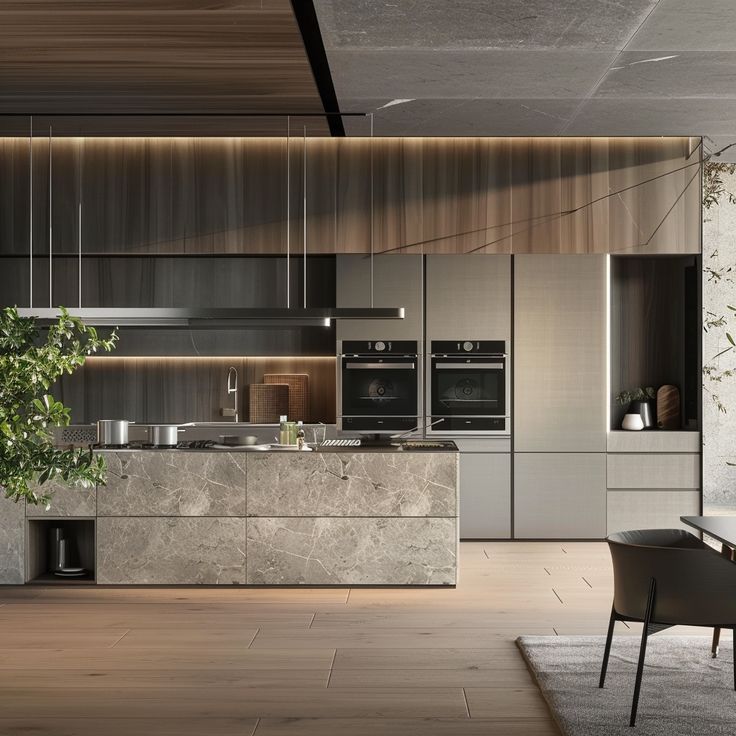
White cabinets have become a modern classic in kitchen design. Clean, bright, and versatile, a White Kitchen Cabinet can work in almost any space — from compact apartments to luxury villas and large-scale residential projects. The key is how you design around the white: the materials, textures, lighting, and details you pair with it.
In this guide, we’ll explore 10 brilliant design ideas for White Kitchen Cabinet styles that feel modern yet timeless. Whether you’re a homeowner planning a renovation or a developer designing multiple units, these ideas will help you turn a simple white cabinet into a high-impact, practical, and beautiful kitchen.
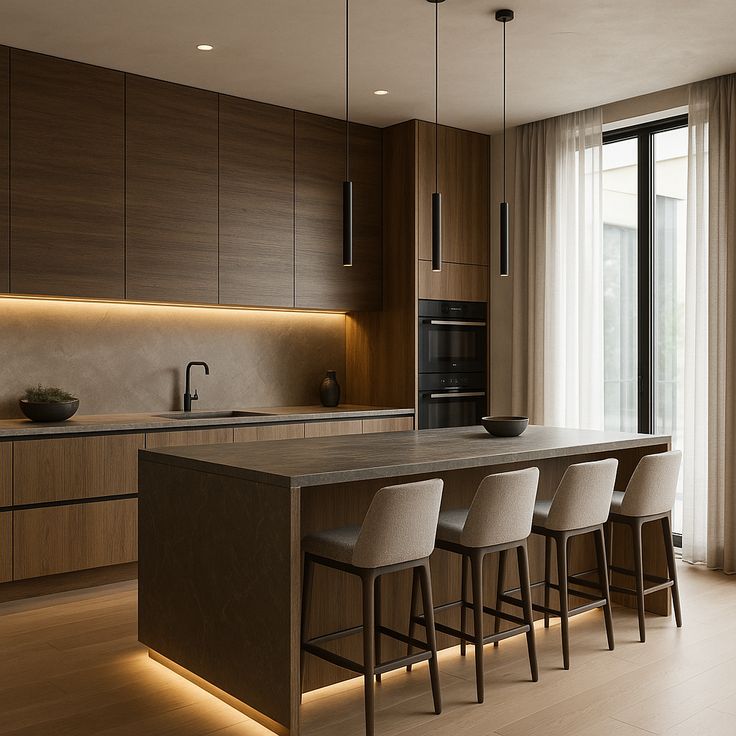
One of the easiest ways to keep a white kitchen from looking too cold or clinical is to introduce warm wood accents.
Use white cabinets on the walls and choose light oak or walnut for the base units or island.
Combine a White Kitchen Cabinet with a wood-look flooring or wood open shelves to visually warm up the space.
Consider wood trims on cabinet edges, toe kicks, or side panels for a subtle two-tone effect.
This combination delivers a Scandinavian-inspired look: bright, airy, and cozy at the same time. It works especially well in homes and apartments where natural light is limited, because the white reflects light while the wood adds softness.
If your goal is a more modern and dramatic look, pair your White Kitchen Cabinet with black accents:
Matte black handles or knobs on cabinet doors and drawers
Black faucet and sink
Black-framed glass cabinet doors or black window frames
This high-contrast scheme — white vs. black — instantly sharpens the design and makes the kitchen feel more architectural. It’s especially effective in open-plan living spaces, where the kitchen needs to feel like part of a larger, stylish interior.
To avoid the space feeling too stark, soften the look with warm lighting, light wood floors, or fabric bar stools in neutral tones.
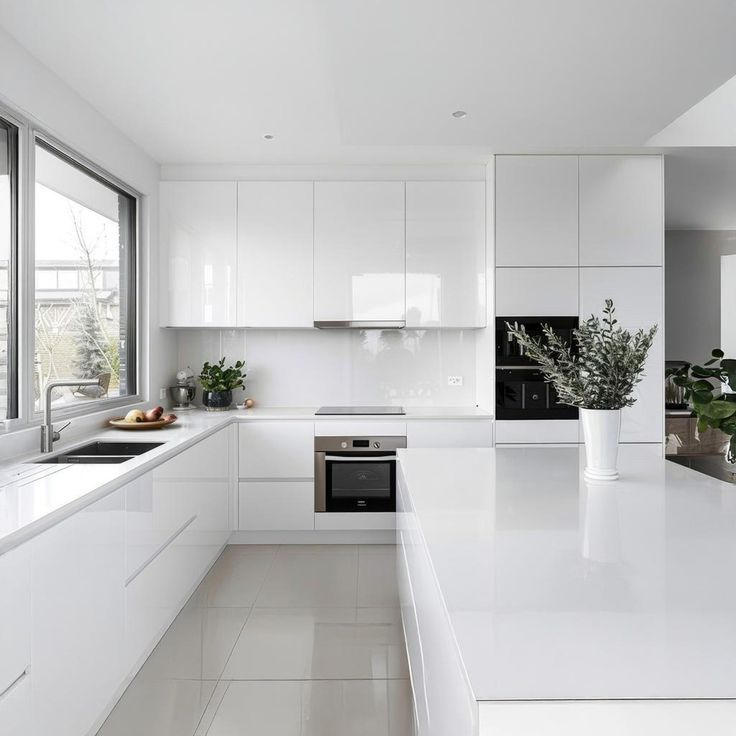
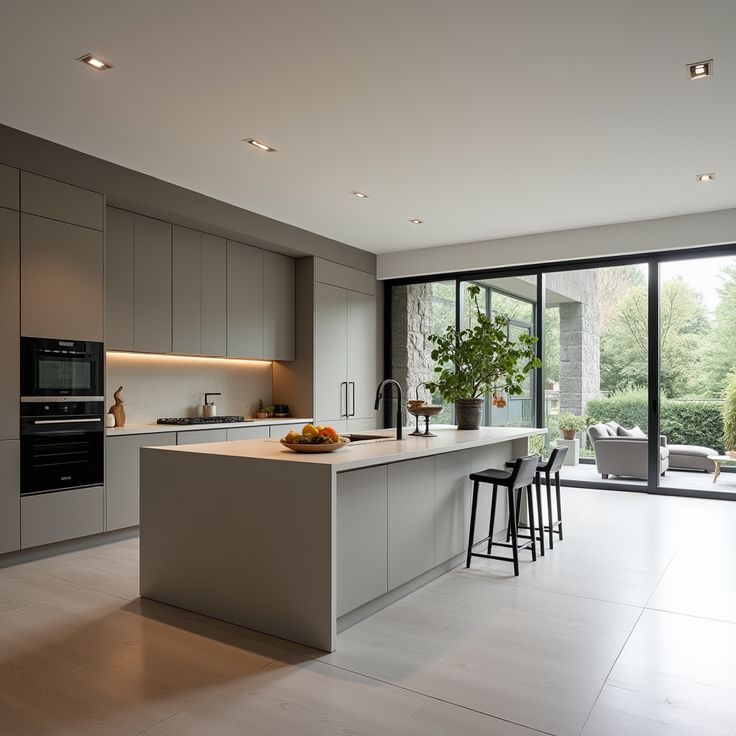
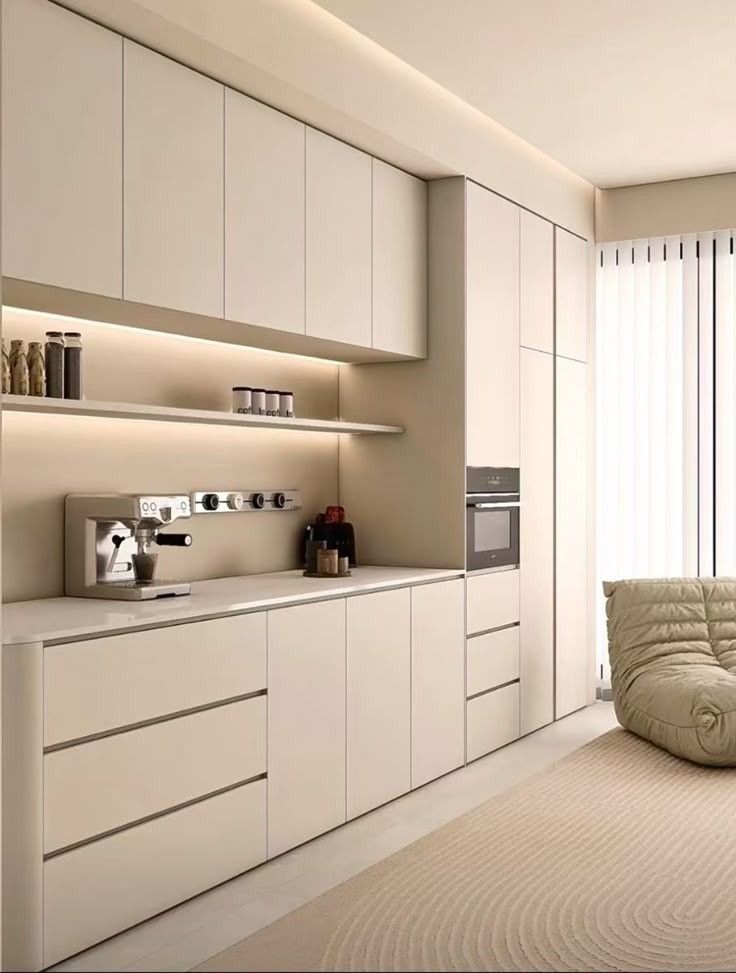
For a sleek, contemporary White Kitchen Cabinet, focus on clean lines and minimal detailing:
Choose slab doors (flat panel) without any patterns or frames.
Use handleless designs with J-pull profiles or push-to-open systems.
Align cabinets in long, uninterrupted runs for a streamlined look.
This approach works extremely well in modern apartments, minimalist villas, or high-rise projects, where clients prefer a seamless, clutter-free appearance.
You can enhance the minimalist style by:
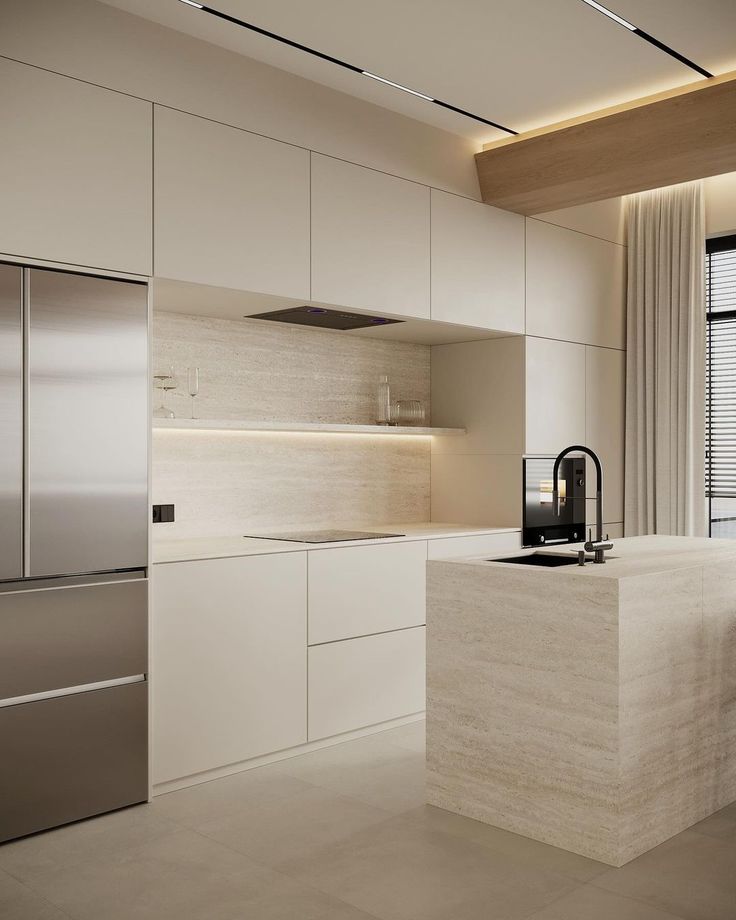
Matching the cabinet finish with matte white walls
Hiding appliances behind integrated panels
Keeping the color palette simple: white, light grey, and soft wood
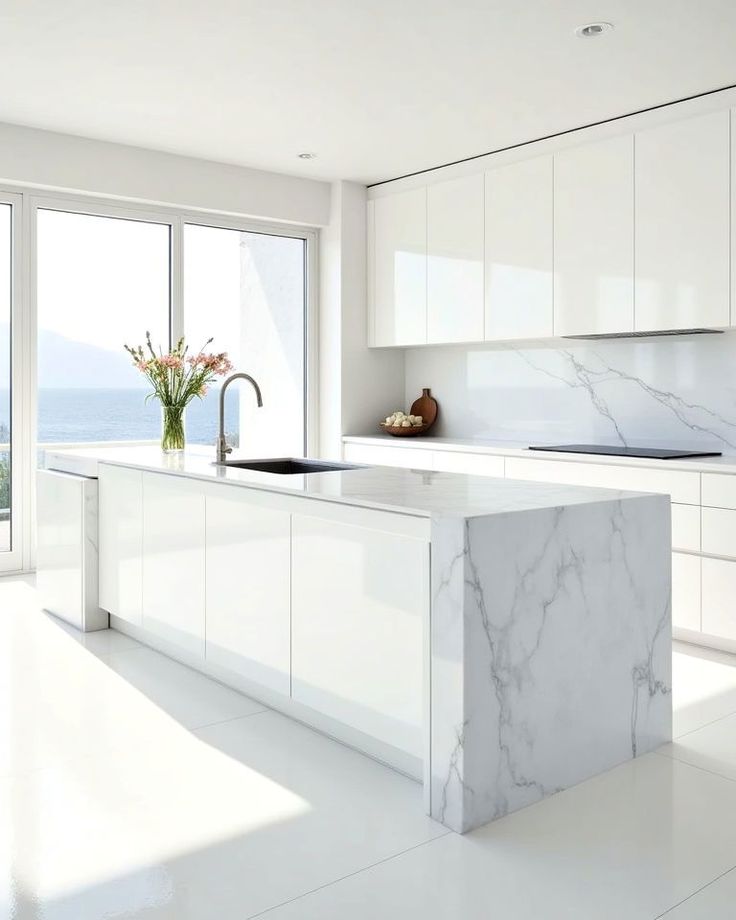
Not every white kitchen has to be flat and modern. If you want more character without losing the clean look, add texture:
Use Shaker-style doors — a simple frame around the panel that adds depth but still looks modern.
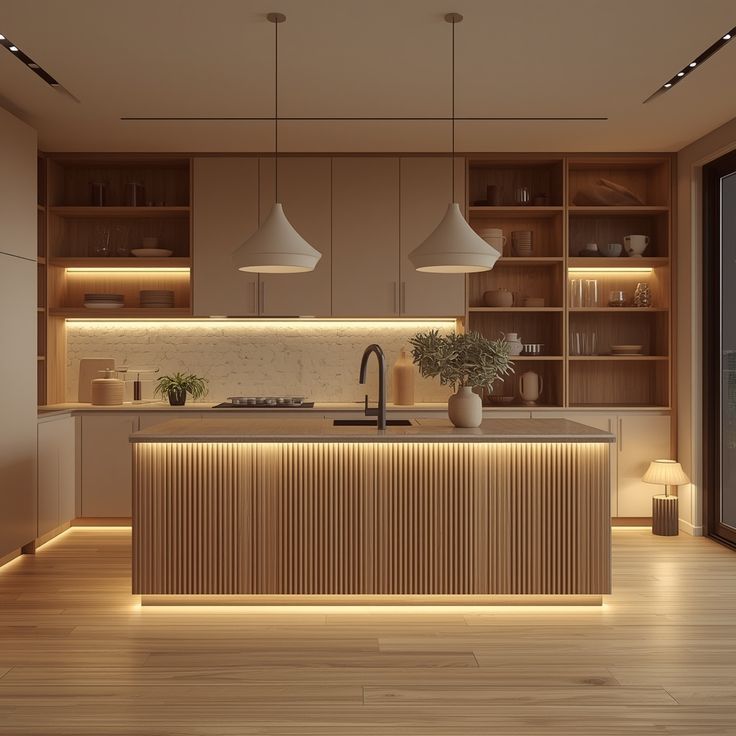
Incorporate fluted panels on the island, tall units, or feature walls.
Combine a White Kitchen Cabinet with beadboard or V-groove details for a relaxed, coastal feel.
Textured surfaces catch the light differently, making your White Kitchen Cabinet look richer and more layered. This is an excellent choice for family homes or townhouses where clients want a balance between classic and contemporary.
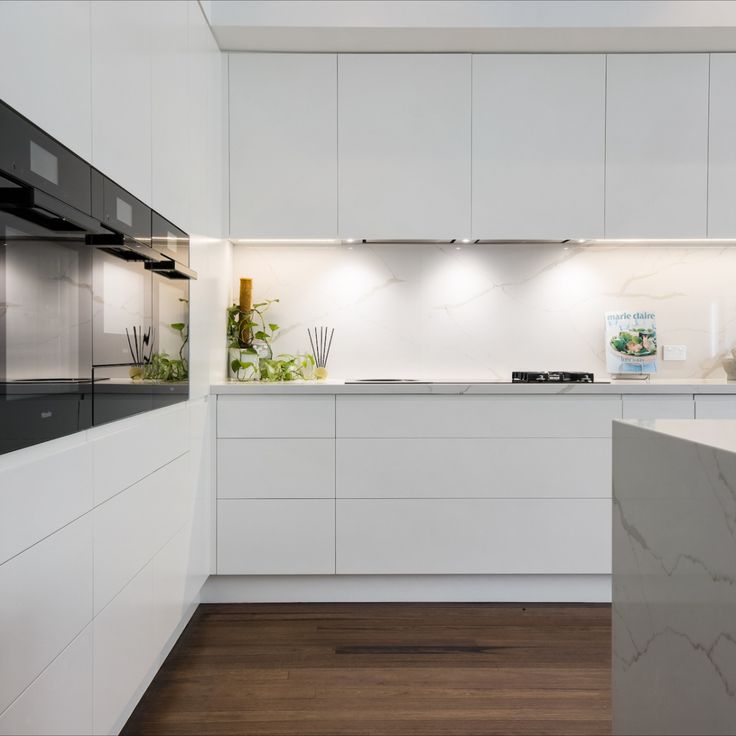
A white kitchen is the perfect canvas for a statement backsplash. Instead of everything being neutral, let the backsplash become the star:
Use veined marble or marble-look porcelain that stretches from countertop to upper cabinets.
Try patterned tiles—such as herringbone, Moroccan, or geometric designs—in soft colors.
For a modern twist, use large-format slabs with striking veins or textures.
The White Kitchen Cabinet frames and softens the bold backsplash, preventing it from overwhelming the space. This is ideal if you want a kitchen that photographs beautifully for marketing or listing photos.
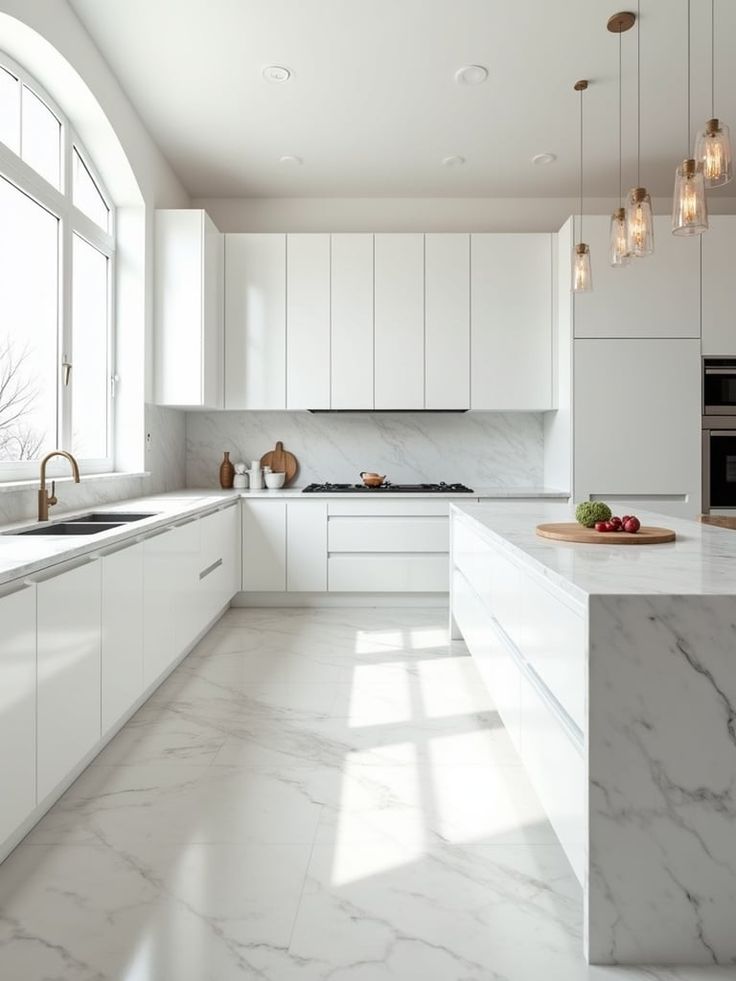
If full-color cabinets feel risky, keep your White Kitchen Cabinet on the upper units and introduce color selectively:
Paint the island in a deep green, navy blue, or charcoal grey.
Use white on top cabinets for brightness and a darker color on base cabinets for grounding.
Combine a colored island with a white quartz or sintered stone countertop for a balanced look.
This two-tone cabinet design is very popular in modern kitchens because it offers both freshness and depth. White keeps the room open, while the accent color adds personality and distinguishes the kitchen from standard developer-grade designs.
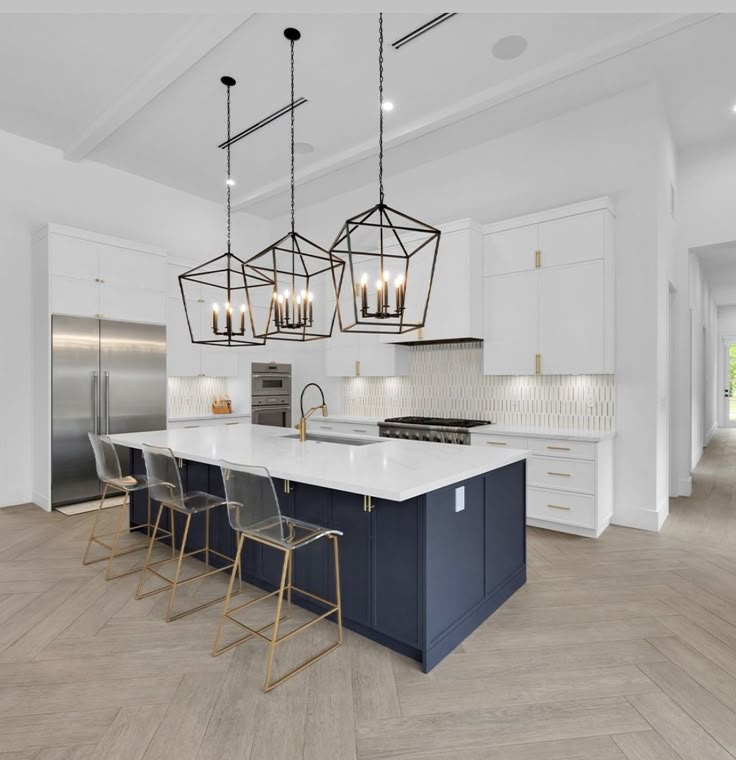
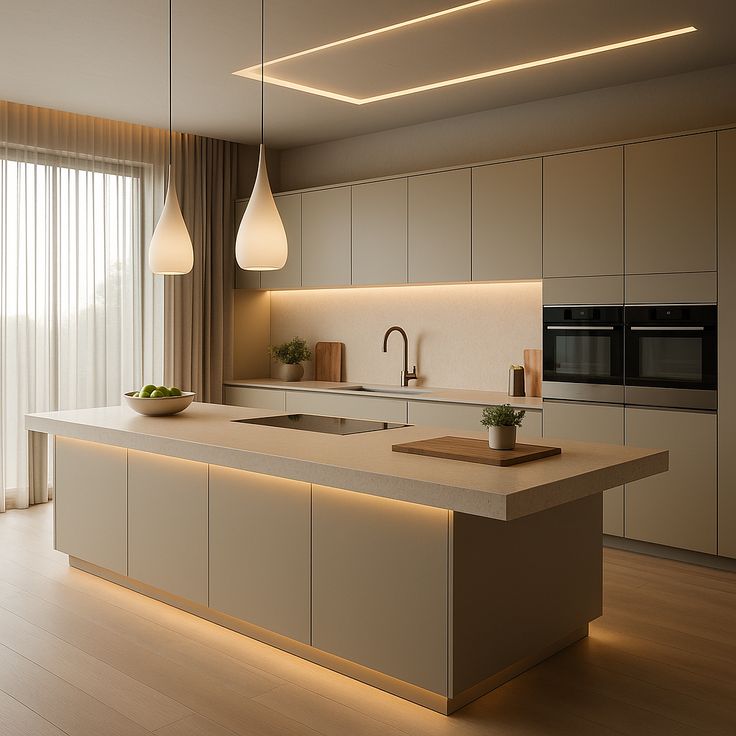
Lighting can completely change how your White Kitchen Cabinet looks and feels:
Install under-cabinet LED strips to illuminate countertops and highlight the cabinet finish.
Add toe-kick lighting along the base of lower cabinets for a floating effect.
Use decorative pendants over the island to create a focal point.
Combine warm and neutral light temperatures (around 3000K–4000K) to avoid a harsh, blue-toned white.
White cabinets reflect light efficiently, so good lighting can make a small kitchen feel much larger, and a large kitchen feel more luxurious. For developers or designers, this is a cost-effective way to upgrade perceived value without changing the cabinet layout.
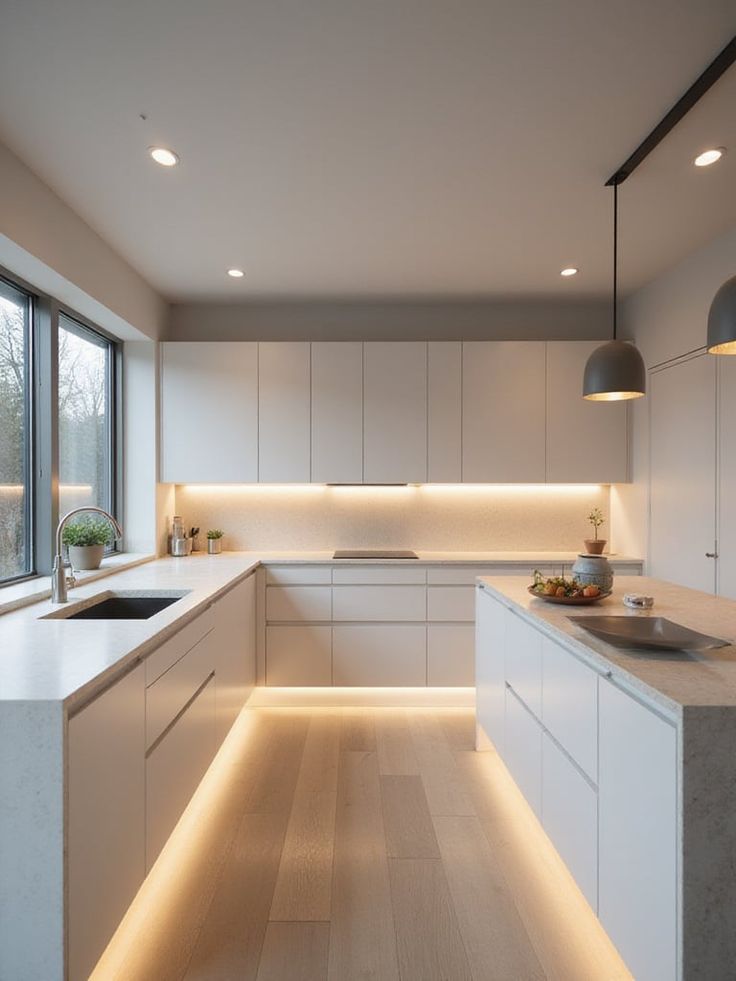
Too many closed cabinets can make a kitchen feel heavy. Using a few glass-front cabinets can break up the mass and add a touch of elegance:
Add glass fronts to selected upper cabinets to display glassware or ceramics.
Use ribbed or frosted glass for a softer, more private look.
Frame the glass with a slim White Kitchen Cabinet door profile for consistency.
This idea works especially well in open-plan kitchens facing the dining or living area, providing a visual connection without showing clutter. Inside the glass cabinets, you can add interior lighting to elevate the overall ambiance.
A beautiful White Kitchen Cabinet is not only about the outside — the inside matters just as much. To make design meet function, focus on smart storage solutions:
Pull-out pantry units for dry goods and snacks
Corner carousels or magic corners to use every inch of space
Deep drawers with dividers for pots, pans, and dishes
Integrated trash and recycling bins hidden behind cabinet doors
Vertical tray storage for baking sheets and chopping boards
These features keep countertops clean and help the kitchen feel minimalist and organized, which is essential when you use white finishes. A cluttered white kitchen looks chaotic; a well-planned interior ensures it always appears calm and tidy.
Because a White Kitchen Cabinet is already timeless, the finishes you pair with it should also age well:
Choose durable countertops like quartz or sintered stone in neutral tones (white, light grey, or soft beige).
Select hardware finishes such as brushed nickel, champagne gold, or matte black that won’t date quickly.
Keep wall colors in classic neutrals — warm white, pale grey, or greige.
For investment properties, multi-unit developments, or long-term family homes, this strategy ensures that the kitchen will still look current 5–10 years from now. You can then refresh the space easily with new bar stools, art, plants, or textiles without replacing the cabinets.
Not all whites are the same. When designing a White Kitchen Cabinet, pay attention to the undertone:
Warm white (with yellow or beige undertones) pairs well with wood, warm metals, and cozy interiors.
Cool white (with blue or grey undertones) suits modern, minimalist, or industrial spaces with concrete, steel, and black accents.
Test samples in your actual space at different times of day to see how natural and artificial light affect the color.
Choosing the right white will determine whether your kitchen feels inviting and soft or crisp and modern.
A White Kitchen Cabinet is more than a safe, neutral choice — it’s a flexible foundation that can adapt to almost any style, layout, and budget. By thoughtfully combining wood accents, contrasting hardware, layered lighting, smart storage, and timeless finishes, you can turn simple white cabinets into a kitchen that feels tailored, welcoming, and long-lasting.
Whether you are designing a single family kitchen or planning multiple units for a larger residential project, start with a clear vision:
What atmosphere do you want to create — cozy, minimalist, luxurious, or a mix of all three? Once that is defined, you can use the 10 design ideas in this guide to shape a White Kitchen Cabinet that matches your lifestyle, your brand, and your long-term investment goals.
If you’re unsure where to begin, working with an experienced kitchen cabinet manufacturer or design partner can help you choose the right materials, hardware, and layout so your white kitchen looks beautiful on day one and stays that way for years.
1. Are White Kitchen Cabinets hard to maintain?
A White Kitchen Cabinet can show spills and stains more easily than darker colors, but that’s also an advantage — you notice the dirt and clean it before it becomes permanent. With high-quality finishes like durable lacquer, PET, or laminate, regular wiping with a soft cloth and mild cleaner is usually enough.
2. Will a White Kitchen Cabinet go out of style?
White kitchens have remained popular for decades because they are neutral, flexible, and easy to personalize. Even if trends change, you can refresh a White Kitchen Cabinet with new hardware, lighting, backsplash, or paint colors without replacing the cabinets themselves.
3. What countertop works best with a White Kitchen Cabinet?
The most common choices are quartz, sintered stone, and natural stone in white, beige, or grey tones. If you prefer more contrast, darker countertops like charcoal or black can also work beautifully, especially in modern or industrial-style interiors.
4. Is White Kitchen Cabinet suitable for small kitchens?
Yes, white is one of the best choices for small spaces. A White Kitchen Cabinet reflects light and makes the room feel larger and more open. Pair it with good lighting and minimal clutter to maximize the effect.
5. Can I mix White Kitchen Cabinet with other cabinet colors?
Absolutely. Many modern designs use white on upper cabinets and a contrasting color on the base units or island. This creates visual interest while keeping the overall kitchen bright and calm.
6. Do White Kitchen Cabinets turn yellow over time?
They can—depending on material and exposure. Low-quality paint, strong UV light, and poor ventilation increase yellowing risk. High-quality lacquer, UV-resistant PET materials, and proper lighting can significantly prevent discoloration.
7. Are White Kitchen Cabinets a good choice for rental units or multi-unit projects?
Yes. White cabinets create a clean, universally appealing look that suits a wide range of tenants. They also simplify bulk production because they pair well with most flooring and countertop materials.
8. What backsplash pairs well with White Kitchen Cabinets?
Timeless options include subway tiles, marble-look slabs, light grey tiles, and textured neutrals. Developers often choose neutral backsplashes to keep the space market-ready and flexible for future occupants.
9. Do White Kitchen Cabinets work in modern-style kitchens?
Yes. Flat-panel white cabinets with matte or high-gloss finishes are widely used in contemporary, Scandinavian, and minimalist designs due to their clean, seamless appearance.
10. Are White Kitchen Cabinets expensive compared to other colors?
Not necessarily. Cost depends more on the material (PET, lacquer, laminate, etc.) and construction quality rather than the color itself. White is often cost-efficient because materials and finishes are widely available.