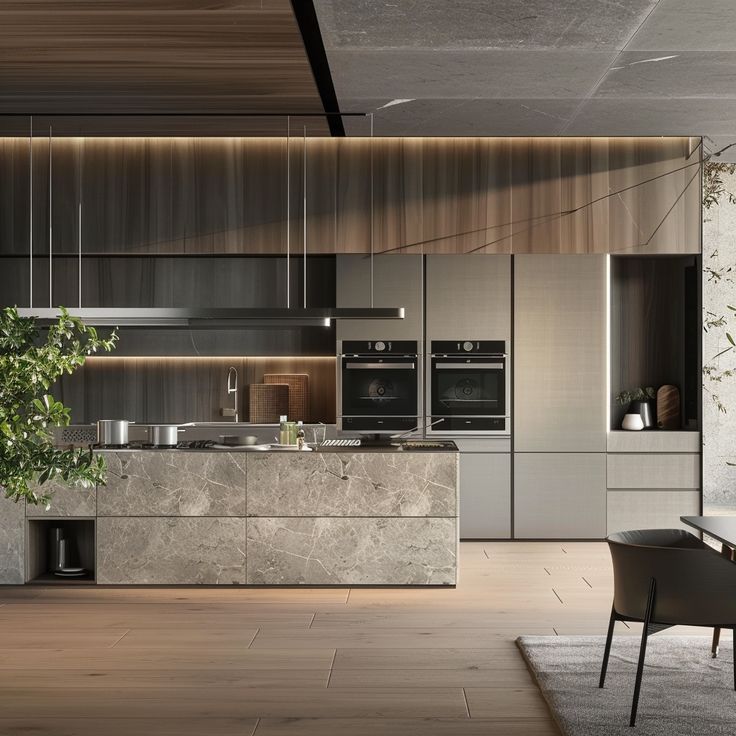
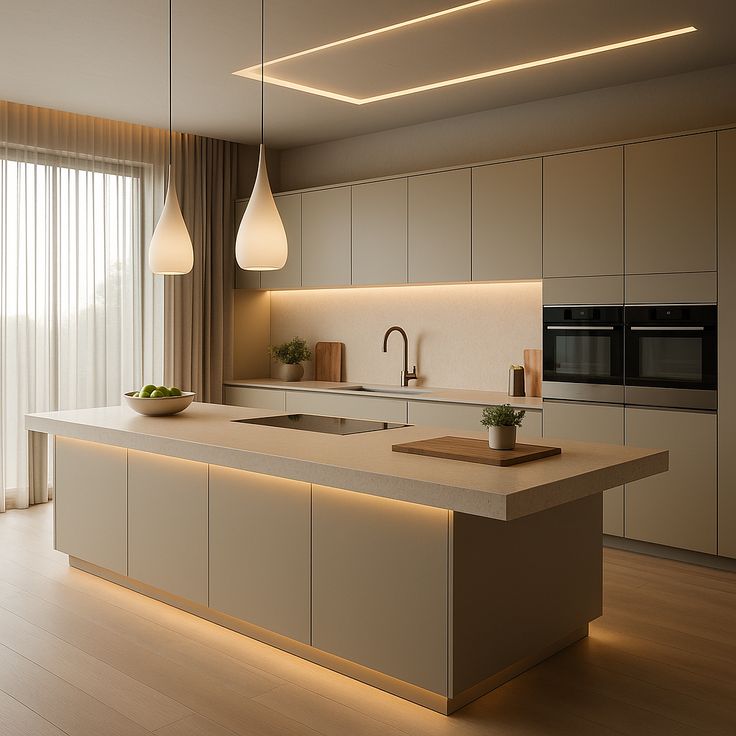
Total Cabinetry And Joinery Solution
ENG

Search

Designing a Hotel Room for commercial projects requires more than a sense of aesthetics — it’s about building consistency, functionality, and comfort at scale. Whether you’re a developer, architect, or hotel brand owner, creating guest rooms that combine style with durability is key to long-term value.
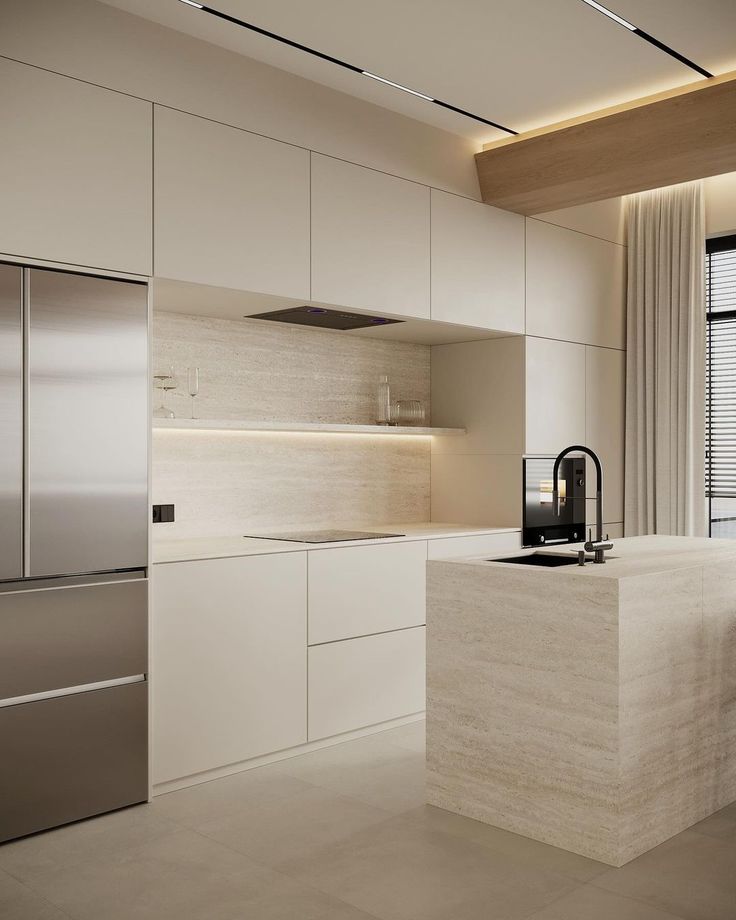
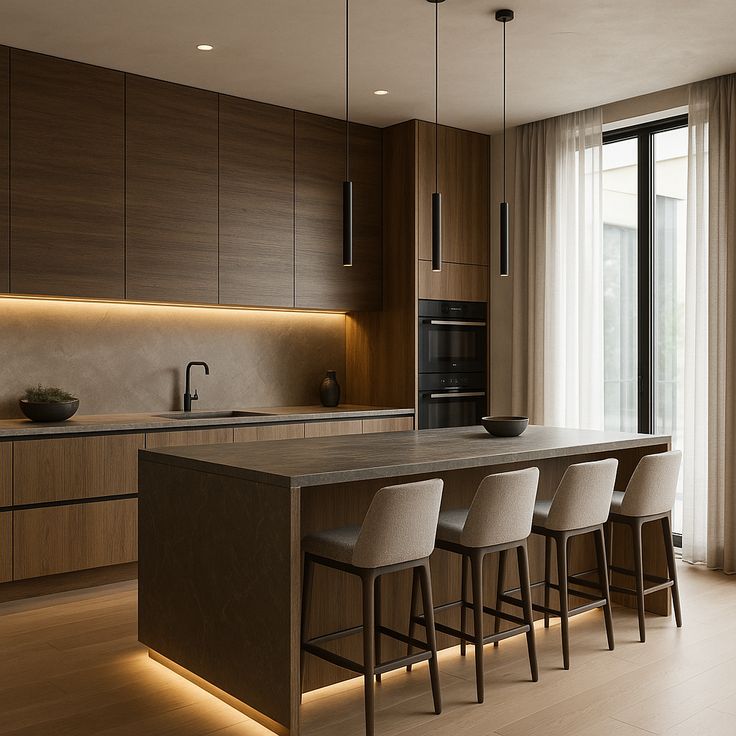
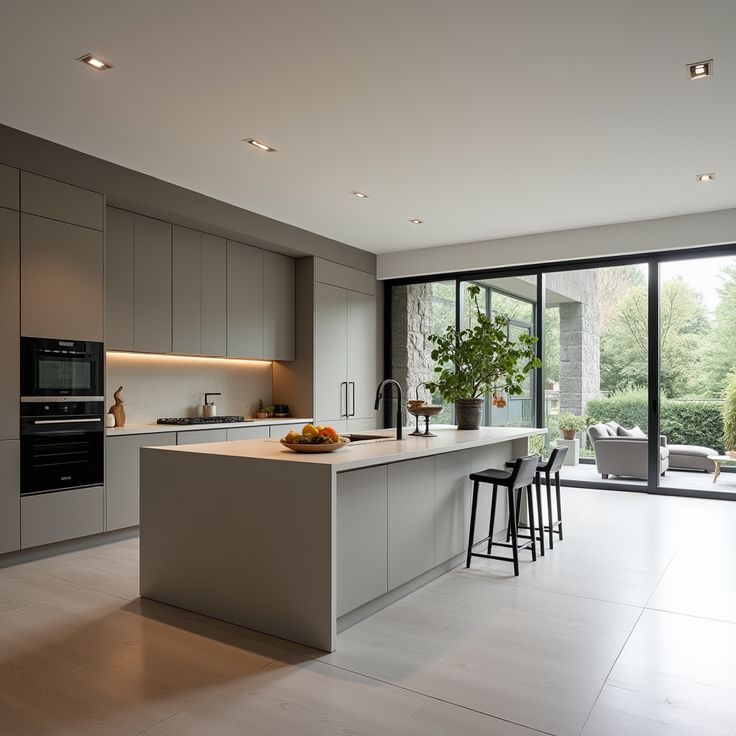
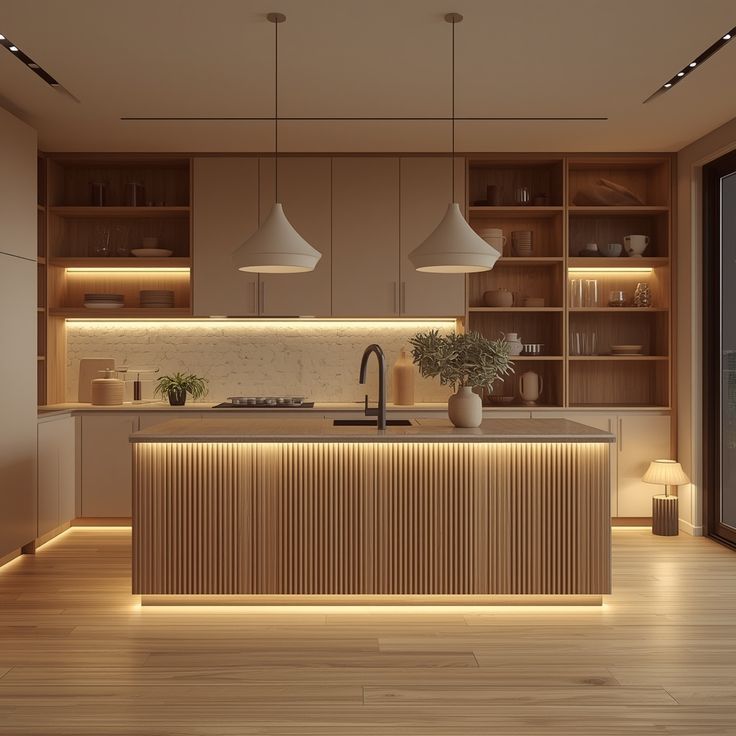
In this guide, AIS explores 10 practical Hotel Room design ideas tailored for commercial projects. Each point helps you balance efficiency, cost control, and guest satisfaction across multiple rooms and properties.The following images are all actual photos taken at the AIS project site.https://aiscabinet.com/project/
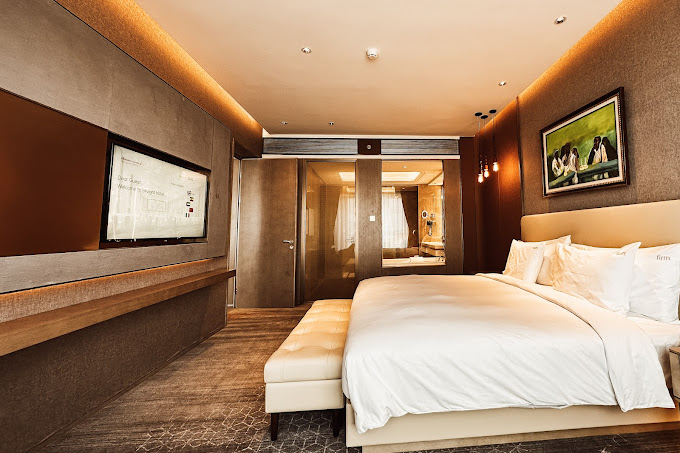
A successful hotel project starts with a clear design identity. Each Hotel Room should embody the brand’s DNA—whether it’s urban luxury, coastal serenity, or modern minimalism. A strong visual theme builds recognition and trust across properties.
Practical approach:
1、Create a brand style guide including preferred materials, textures, and lighting tones.
2、Define color consistency across rooms and public areas.
3、Choose furniture silhouettes that align with brand character—soft curves for relaxation, sharp lines for business hotels.
A clear brand identity ensures your design communicates purpose and personality, not just decoration.

Efficient space planning is critical in commercial Hotel Room projects. Each square meter should serve a purpose, maximizing both guest comfort and operational convenience.
Implementation details:
1、Center the bed to frame the room layout and maintain visual symmetry.
2、Place switches, outlets, and USB ports within easy reach on both sides of the bed.
3、Provide a logical flow between entry, bed, work area, and bathroom zones.
4、Leave at least 900–1000 mm of circulation space for luggage and cleaning access.
When space is optimized, construction costs decrease, and maintenance becomes faster and safer for housekeeping staff.

Commercial hotel environments experience heavy daily use. The choice of materials directly affects lifespan and upkeep costs.
Recommended materials:
1、Surfaces: High-pressure laminate (HPL) or anti-fingerprint lacquer finishes for cabinetry.
2、Flooring: SPC or porcelain tiles for water resistance and easy cleaning.
3、Countertops: Quartz or sintered stone for durability and stain resistance.
4、Hardware: Soft-closing hinges and anti-rust fittings for longevity.
Durable materials not only reduce maintenance but also keep your Hotel Room looking new for years, reinforcing a sense of quality for every guest.
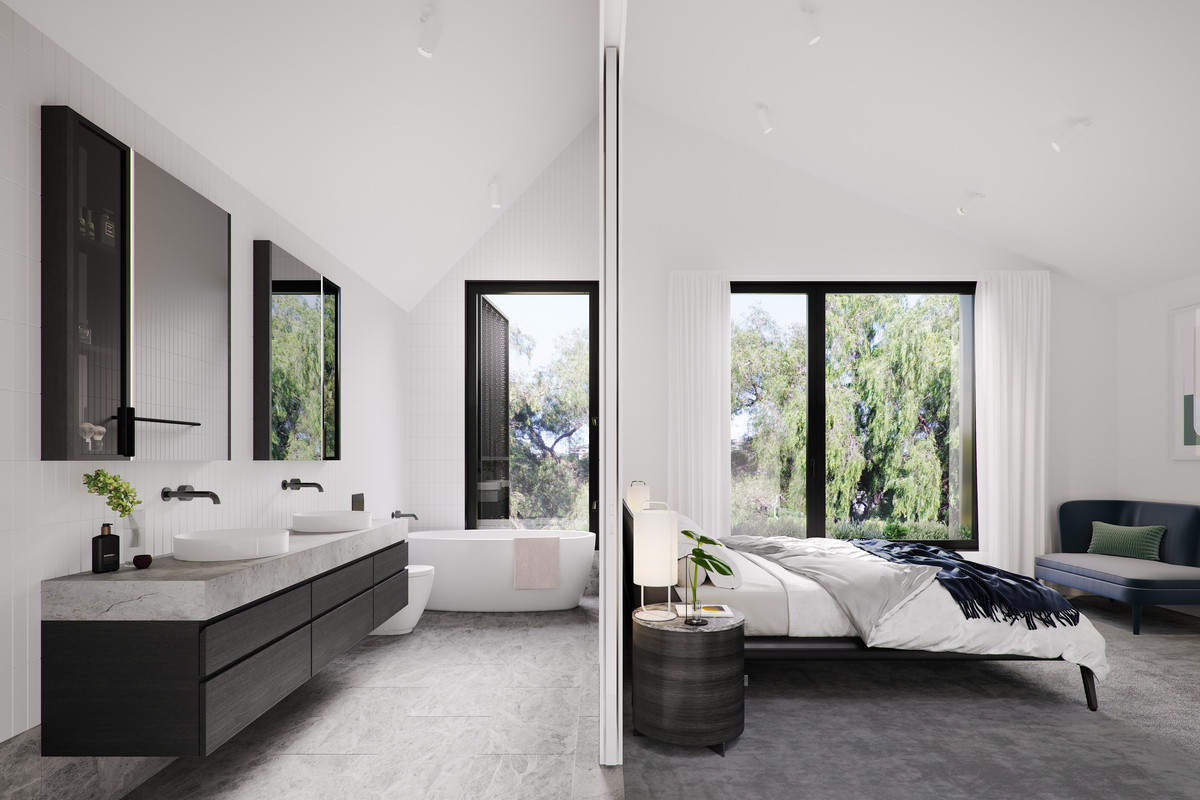
Lighting transforms the atmosphere of any Hotel Room. A layered lighting strategy supports multiple moods and tasks—from reading to relaxing.
Design framework:
1、Ambient lighting: Ceiling or cove lights for overall brightness.
2、Task lighting: Adjustable bedside and desk lamps for reading and work.
3、Accent lighting: Wall sconces or LED strips to highlight textures and art.
4、Control system: Dimmers or smart panels allowing guests to customize brightness.
A thoughtful lighting plan enhances comfort, reduces energy use, and creates an adaptable environment for all guest preferences.

A neutral color foundation—warm beige, gray, or soft taupe—creates calm, timeless interiors. Then layer in brand character through small, memorable details.
Practical ideas:
1、Use textured fabrics or embossed wall panels for depth.
2、Add local artwork or sculptural elements for uniqueness.
3、Contrast matte and glossy finishes to elevate visual interest.
This approach ensures your Hotel Room appeals to diverse guests while maintaining a professional and unified appearance.
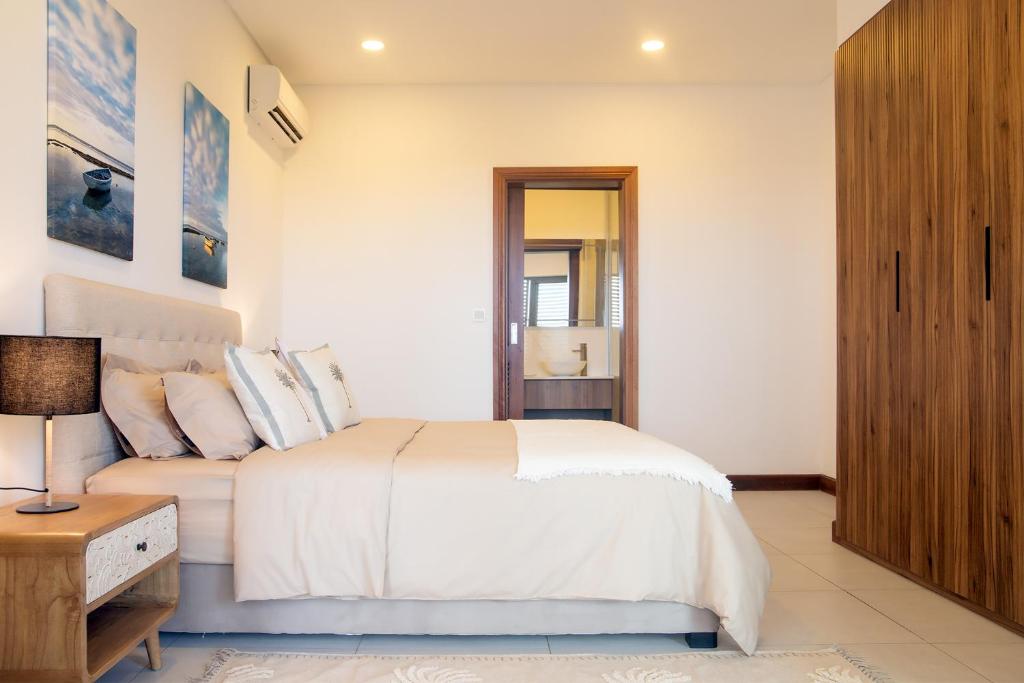
Smart technology has become essential for modern hotels. Integrating these systems increases operational efficiency and guest satisfaction.
Core smart upgrades:
1、Digital door locks and keyless entry systems for security.
2、Energy management with smart thermostats and occupancy sensors.
3、Voice-activated controls for lighting and curtains.
4、USB-C and wireless charging stations beside beds and desks.
A technologically equipped Hotel Room feels more contemporary and convenient, aligning your property with future hospitality standards.
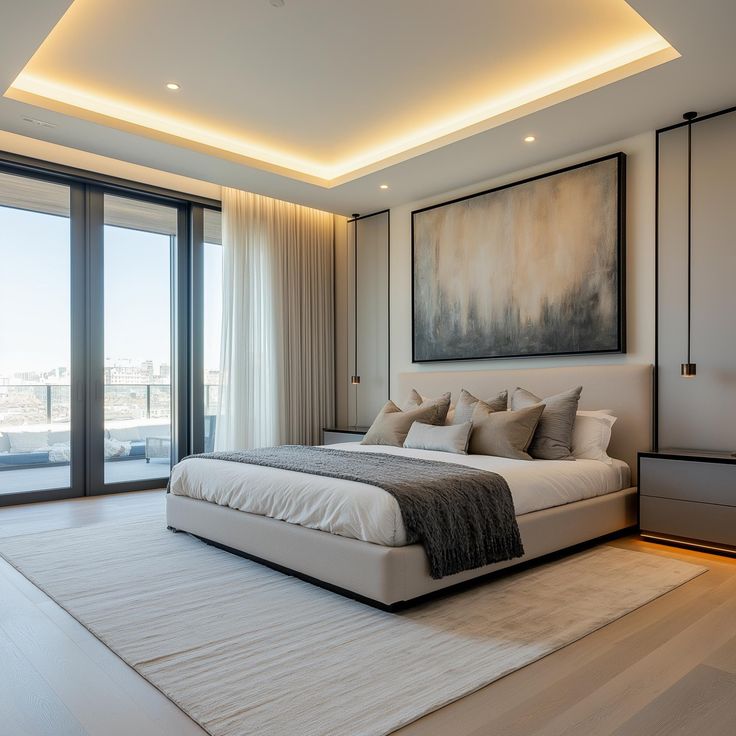
Bathrooms play a decisive role in guest satisfaction. A well-designed Hotel Room bathroom balances luxury with easy maintenance.
Recommended strategies:
1、Use large-format tiles to reduce grout lines and cleaning time.
2、Choose wall-mounted vanities for a floating, spacious look.
3、Install LED mirrors with anti-fog features.
4、Maintain consistent plumbing layouts across rooms to simplify construction.
Simple, durable, and elegant bathrooms become a quiet statement of your brand’s quality.
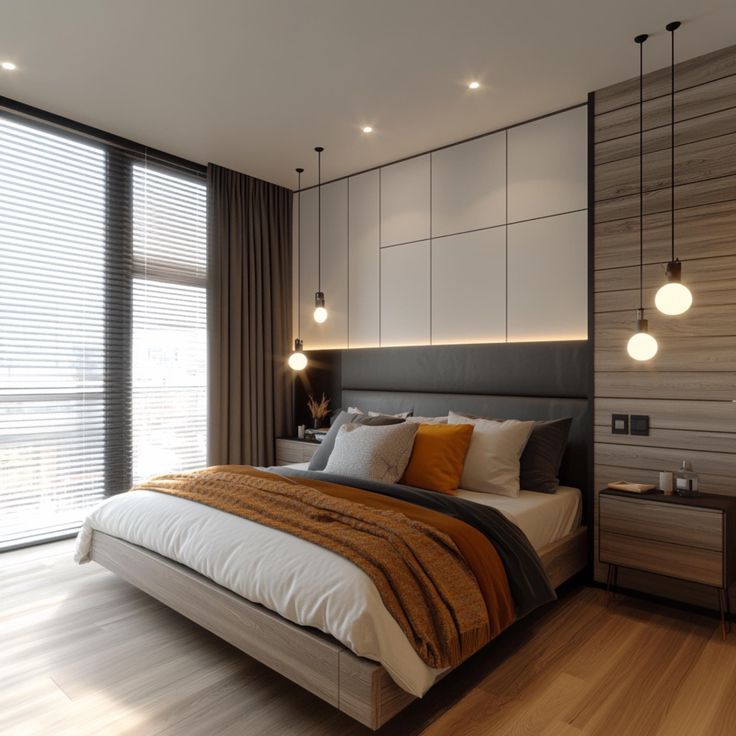
Clutter-free design is essential for both guests and cleaning efficiency. Built-in furniture helps achieve that while maintaining sleek lines.
Design suggestions:
1、Include full-height wardrobes with internal LED lighting.
2、Integrate luggage benches and concealed drawers under beds.
3、Add open shelving for easy access and visual balance.
4、Use melamine or laminated plywood interiors for durability.
Built-in cabinetry keeps Hotel Rooms organized, luxurious, and easy to service — perfect for large-scale hospitality projects.
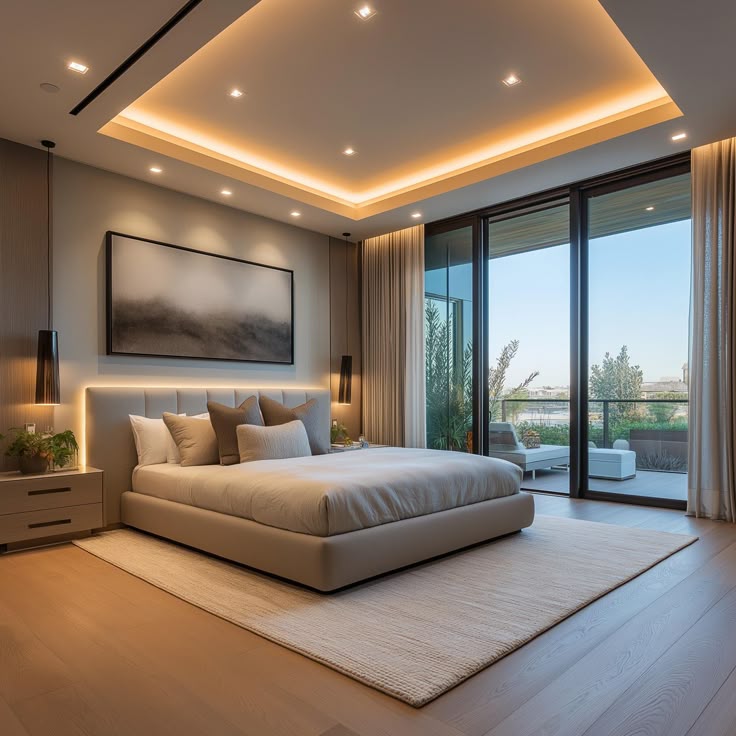
Guests appreciate designs that reflect the spirit of their destination. Local materials and cultural references create authenticity and emotional connection.
Ideas for integration:
1、Feature locally crafted artwork or textiles.
2、Use regional materials like bamboo, rattan, or native stone.
3、Reflect cultural motifs subtly through headboards or wall art.
These elements make each Hotel Room distinctive and memorable, giving your project a competitive edge in the hospitality market.
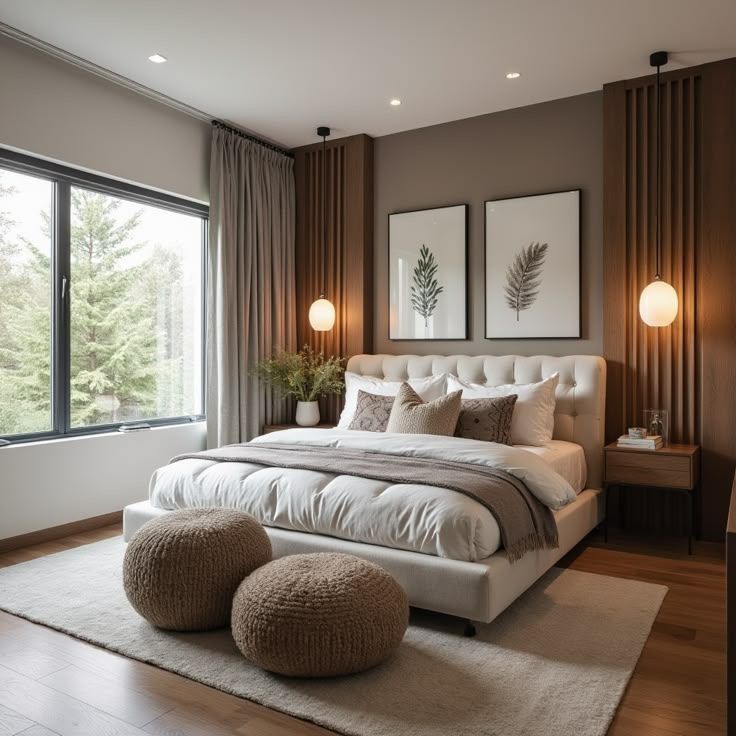
For large hotel developments, consistency ensures operational simplicity and brand recognition.
Execution checklist:
1、Standardize finishes, hardware, and dimensions across all rooms.
2、Use digital design tools for accurate visualization (2D & 3D models).
3、Create a sample mock-up room for client approval before mass production.
4、Partner with a professional manufacturer for precision and timely delivery.
Consistency reduces construction errors, supports faster installation, and strengthens brand identity from one property to another.
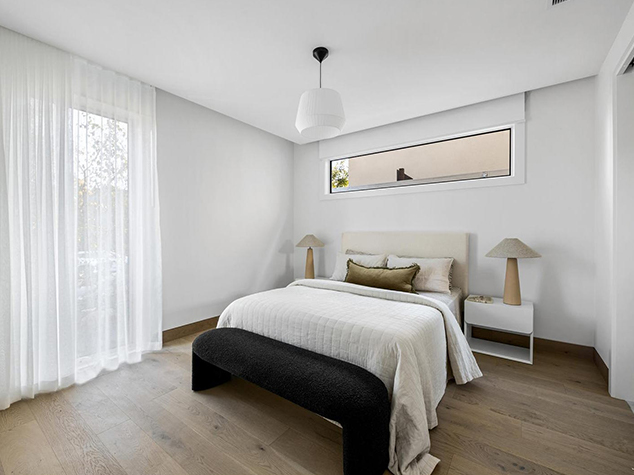
A successful Hotel Room design balances emotion and engineering — creating spaces that feel personal to guests yet practical for operations. For commercial projects, every design decision should support scalability, durability, and brand coherence.
At AIS, we specialize in custom cabinetry and hotel furnishing solutions designed for international developers and project contractors. From 2D layout planning to 3D visualization and mass production, we help bring your hospitality vision to life — efficiently, sustainably, and beautifully.
If you’re also planning kitchen areas for your hospitality projects, explore our guide on 8 Kitchen Layouts Pros & Cons In 2026 to design efficient and guest-friendly spaces.
Q1: What is the standard size for a hotel room in commercial projects?
A: Business hotels typically range from 24–30 m², while luxury rooms can exceed 40 m². Efficient space planning is key to maintaining comfort within smaller footprints.
Q2: What materials are best for hotel cabinetry?
A: Moisture-resistant MDF, HPL laminates, and plywood are ideal due to their durability and cost efficiency. Many global developers prefer lacquered or PET finishes for a modern, easy-to-clean look.
Q3: How can I ensure consistent quality across multiple rooms?
A: Work with a full-service cabinetry manufacturer that offers 3D visualization, mass production, and standardized hardware systems. This ensures consistent dimensions, finishes, and assembly accuracy.
Q4: What lighting color temperature suits hotel rooms best?
A: Use 2700–3000K for warm, relaxing lighting in guest areas and 4000K for brighter, functional spaces like bathrooms.
Q5: How can design influence guest satisfaction scores?
A: Key factors like soundproofing, lighting quality, and bed comfort have the greatest impact on reviews. Smart spatial layout and materials that feel “premium” elevate perceived value immediately.