Introduction
When renovating a kitchen, one of the most common dilemmas is deciding between Custom Cabinets vs Ready-Made Cabinets. Each option has clear advantages, and the price difference between the two can be significant. Custom cabinets provide tailored solutions that fit unique layouts and personal preferences, while ready-made cabinets offer affordability and faster installation.
In this article, we present a detailed Custom Cabinets vs Ready-Made Cabinets comparison across five key dimensions: design flexibility, space efficiency, budget, installation, and user experience. By understanding the strengths and trade-offs of each option, homeowners, designers, and developers can make smarter decisions for their kitchen projects.
1. Design Flexibility
Custom Cabinets:
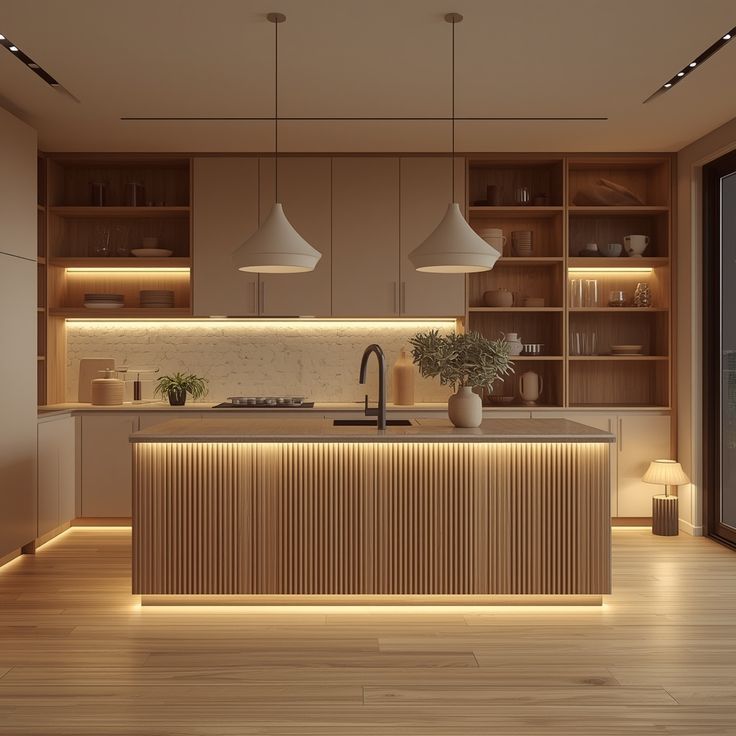
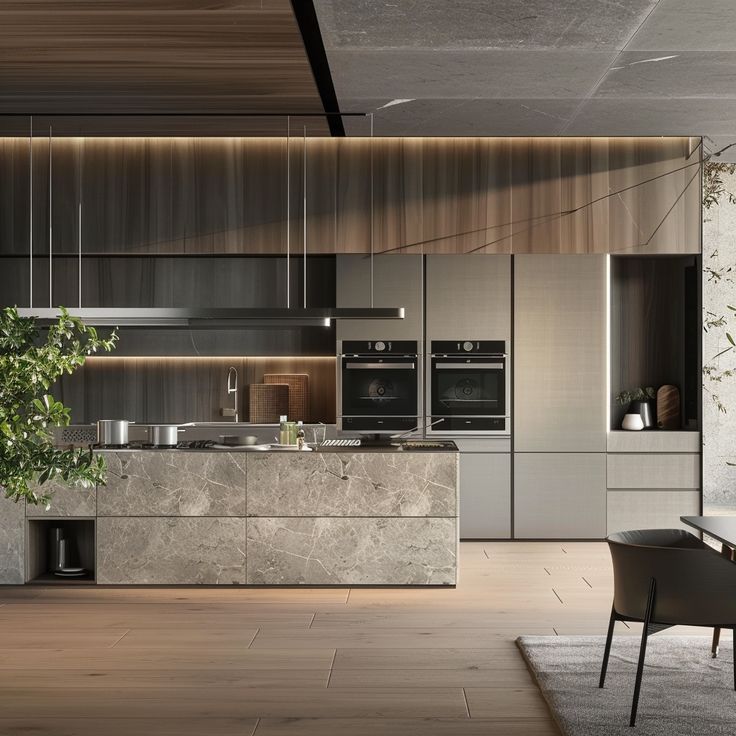
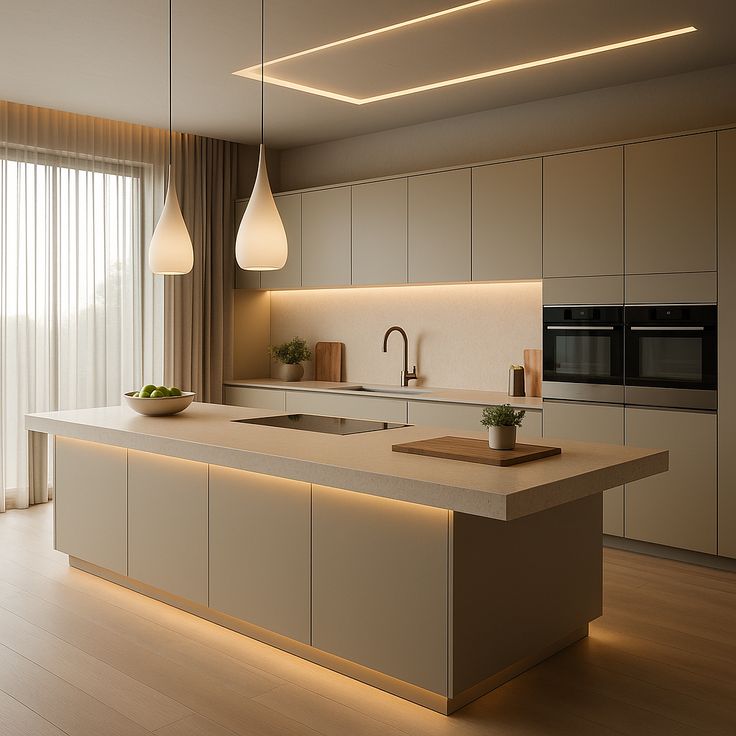
Custom cabinetry provides maximum flexibility in both aesthetics and functionality. You can choose the exact dimensions, materials, finishes, door styles, hardware, and storage modules to match your vision. Whether you have an irregular kitchen layout, need a floor-to-ceiling pantry, or prefer unique features like a built-in spice pull-out or hidden appliance garage, custom cabinets adapt perfectly to your lifestyle and space. This option is especially popular for luxury homes, high-end renovations, and homeowners aiming for a completely personalized look.
Ready-Made Cabinets (Stock Cabinets):
Ready-made or stock cabinets are pre-manufactured in standard sizes, fixed colors, and limited design variations. They are ideal for standard kitchen layouts and homeowners who prefer a quick, budget-friendly solution. While some semi-custom modifications may be available (e.g., alternate handles or limited height adjustments), the overall flexibility is significantly lower compared to custom cabinetry.
Summary: Custom cabinets win in versatility and uniqueness, while ready-made cabinets focus on convenience and affordability.
2. Space Optimization
Custom Cabinets:
Custom cabinetry is designed to perfectly fit your kitchen layout, ensuring zero wasted space. Every cabinet is tailored to the exact width, height, and depth of your walls, including tight corners, sloped ceilings, pillar cutouts, and awkward nooks. You can integrate pull-out corner carousels, deep drawers, spice pull-outs, vertical tray slots, and built-in appliance housings, creating a seamless and fully functional system. This makes custom cabinets an ideal choice for small kitchens, open-plan layouts, or premium homes requiring a fully fitted, built-in appearance.
Ready-Made Cabinets (Stock Cabinets):
Ready-made cabinets come in fixed sizes, which often leads to unavoidable gaps between units or walls, especially in kitchens with non-standard layouts. To fill empty spaces, homeowners may need to add filler panels or leave small unused areas. This results in less storage capacity and a less cohesive look. Additionally, built-in features like customized corner storage or extra-tall pantry units are usually unavailable in standard stock options.
Summary: Custom cabinets offer optimized storage and a high-end built-in finish, while ready-made cabinets may sacrifice space efficiency due to standardized dimensions.
3. Budget Considerations
Custom Cabinets:
Custom cabinets generally come with a higher upfront cost, as they are built to order using your choice of materials, finishes, hardware, and configurations. Pricing varies depending on whether you select solid wood, plywood, MDF, PET, or UV lacquer, as well as the inclusion of premium features like soft-close hinges, pull-out pantries, or integrated lighting. However, this investment often provides greater long-term value, as the cabinets are designed to maximize space, match your lifestyle, and enhance home resale appeal. For homeowners planning a permanent residence or high-end project, custom cabinets offer better ROI over time.
Ready-Made Cabinets (Stock Cabinets):
Ready-made cabinets are more budget-friendly upfront, making them a popular choice for quick renovations, first-time buyers, or rental properties where cost efficiency is key. They are mass-produced, so manufacturing and material costs are lower. However, due to limited customization and potential gaps in space utilization, homeowners may spend extra on fillers, modifications, or replacements in the future. While great for short-term use or low-cost projects, stock cabinets may not provide the same long-term financial return as custom-built solutions.
Summary: Custom cabinets require a larger initial investment but offer long-term functional and property value, while ready-made cabinets are ideal for cost-sensitive or short-term projects.
4. Installation Time & Convenience
Custom Cabinets:
Custom cabinets involve a multi-step process, including consultation, measurement, 3D design approval, manufacturing, finishing, and on-site installation. This timeline typically ranges from 20 to 45 days, depending on design complexity, material selection, and production capacity. While the process takes longer, it ensures a precise fit and professional installation, especially for unique layouts, L-shaped or U-shaped kitchens, or luxury projects. Custom installation may also include built-in appliances, integrated lighting, and specialized storage systems. Ideal for homeowners who value perfection, personalization, and long-term performance over speed.
Ready-Made Cabinets (Stock Cabinets):
Stock cabinets are often pre-manufactured and readily available, making them suitable for projects with tight deadlines such as quick home flips, rental upgrades, or fast-track renovations. They can often be installed within a few days, especially if semi-assembled (RTA / flat-pack) options are chosen. However, if site modifications or adjustments are needed due to sizing limitations, installation time can slightly increase. Despite being faster, ready-made solutions may lack the seamless, built-in appearance of custom units unless handled by experienced installers.
Summary: Custom cabinets offer a tailored, high-quality install at the cost of longer lead times, while ready-made cabinets prioritize speed and convenience for time-sensitive projects.
5. Experience & After-Sales
Custom Cabinets:
Custom cabinetry brands and manufacturers typically provide a more personalized ownership experience, starting from the design consultation phase to installation and post-sale service. Customers often receive dedicated support, including layout optimization, technical guidance, and adjustments during installation. Because these cabinets are built to specification, manufacturers usually provide long-term warranties (ranging from 3 to 10 years or more) covering structural integrity, hardware performance, and finish durability. In case of defects or functionality issues, replacement parts can be reproduced accurately thanks to stored design files and production records. This makes custom cabinets especially appealing for high-end homes, large projects, and users who value long-term reliability.
Ready-Made Cabinets (Stock / Flat-Pack Cabinets):
Ready-made cabinets offer a more transaction-based experience, focusing on functionality and affordability with minimal consultation. After-sales support often depends on the retailer or brand, and warranty periods are typically shorter (often 1–2 years), with limited coverage for wear and tear. If a component is damaged or incompatible with the kitchen layout, finding an exact replacement may be difficult due to discontinued collections or standardized sizing. Additionally, customer service may be generic rather than tailored, especially in mass-market retail environments.
Summary: Custom cabinets deliver a premium user journey with stronger, more reliable after-sales service, while ready-made cabinets offer basic functionality with variable support depending on the seller.
Conclusion:
When evaluating Custom Cabinets vs Ready-Made Cabinets, your priorities will determine the best choice.
If you value personalization and optimal space utilization with a flexible budget, custom cabinets are the better investment. They allow homeowners and designers to tailor every detail—from dimensions and materials to finishes and storage features—ensuring a perfect fit for unique kitchen layouts. Custom solutions also maximize corner use and awkward spaces, making them ideal for those who want both functionality and premium aesthetics.
On the other hand, if cost and speed are your main concerns, ready-made cabinets are the practical choice. They come pre-designed and mass-produced, making them more affordable and readily available for quick installation. While they may lack the same level of personalization as custom options, ready-made cabinets are a convenient solution for budget-conscious projects or renovations that need to be completed in a shorter time frame.
In summary, the Custom Cabinets vs Ready-Made Cabinets decision comes down to whether you prioritize design flexibility and long-term value or affordability and efficiency. By weighing these factors, homeowners and developers can choose the cabinet solution that best matches their goals.
Your dream kitchen awaits—schedule a consultation with our master cabinet designers today. Explore next: How to Start a Custom Closet Business for First-Time Entrepreneurs | AIS Guide.