Armoire Vs Wardrobe: What's The Difference In 2026?
December ,24 2025
In 2026, the armoire and the wardrobe remain two of the most widely used storage solutions in modern homes. Though similar, they differ in structure, function, and design flexibility. This guide gives you a clear, quick comparison to help you choose the right option for your space, style, and project needs.
Source
Introduction
In 2026, the main difference between an armoire and a wardrobe lies in their structure and use. An armoire is a freestanding cabinet with doors, often used for multi-purpose storage; a wardrobe is a larger, more standardized clothing storage unit designed for bedrooms, apartments, and residential projects. For developers and interior planners, the choice depends on space planning, capacity needs, and project-level design continuity.
Understanding the distinction between an armoire and a wardrobe is essential for modern residential projects. Both provide storage, but their design specifications, internal layouts, and project suitability vary widely. This guide compares Armoire vs Wardrobe from a 2026 design perspective—helping developers, contractors, and homeowners choose the right solution for long-term functionality and interior consistency.
What Is an Armoire?
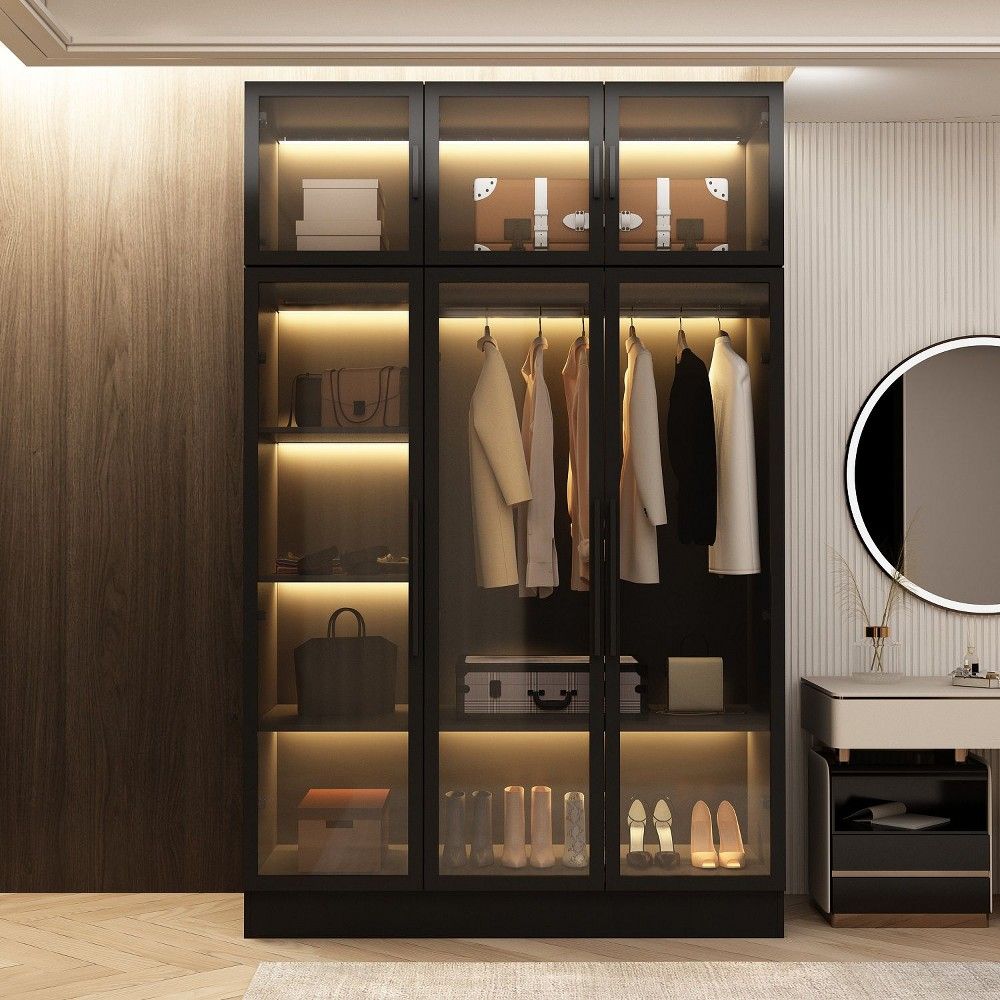
An armoire is a freestanding cabinet with doors, traditionally made for general storage.
Key Features
Usually more decorative or furniture-like
Often narrower but deeper than a wardrobe
Highly versatile: clothes, linens, small appliances, documents
Typically made of solid wood, veneer, or mixed materials
Best suited for villas, guest rooms, boutique apartments
Where It Works Best
Renovation projects
Rooms without built-in closets
Spaces requiring flexible multi-use storage
What Is a Wardrobe?
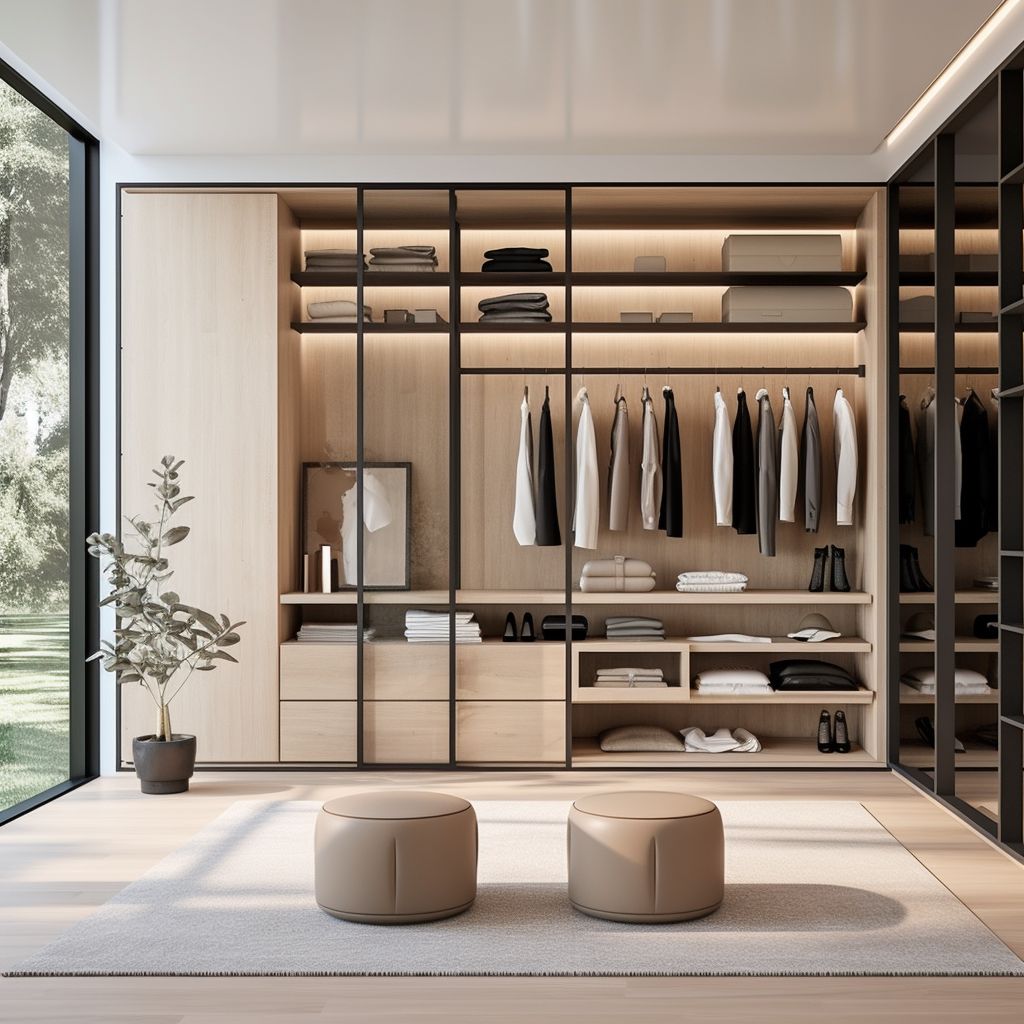
A wardrobe is a clothing-specific storage structure designed for modern homes and multi-unit developments.
Key Features
Standardized dimensions (height, width modules for projects)
Optimized interior systems: hanging rods, shelves, drawers
Built-in or freestanding options
Better suited for large-volume storage
Materials include MDF, particleboard, plywood, laminate, veneer
Where It Works Best
Apartment bedrooms
Large-scale housing projects
Spaces needing uniform design and production
Armoire vs Wardrobe: Key Differences in 2026
Category | Armoire | Wardrobe |
Primary Use | Multi-purpose storage | Clothing & personal items |
Structure | Freestanding, furniture-style | Built-in or modular |
Design | Decorative, classic | Minimal, modern |
Capacity | Moderate | Large, optimized |
Customization | High but unique | High and scalable |
Project Fit | Villas, boutique units | Multi-unit, standardized layouts |
Style | Classic, elegant, statement piece | Modern, simple, functional |
Design & Materials
Armoire
Often handcrafted
Solid wood (oak, walnut, mahogany)
Decorative carvings
More like a statement furniture piece
Wardrobe
Sleek, modern lines
Material options for every budget
More customization (modular options)
Often installed in built-in closets
Storage Configurations
Armoire
Shelves + doors
Limited hanging space
Great for linens, electronics, clothes, or mixed items
Wardrobe
Large hanging space
Adjustable shelving
Shoe racks
Drawer units
Designed for clothing system organization
Space Requirements
Armoire
Best for large rooms
Requires depth for doors to swing open
Wardrobe
Fits small or large rooms
Sliding doors save space
Price Range
Wardrobe prices vary by material & size.
Armoires tend to be more expensive because of craftsmanship and solid wood.
Which One Should You Choose in 2026?
Choose an Armoire If You Want:
A decorative, luxurious focal point
A movable piece (not built-in)
Multi-purpose storage (clothing + miscellaneous)
A classical or vintage aesthetic
Choose a Wardrobe If You Want:
Efficient clothing organization
Modern, minimalist design
More storage capacity
A budget-friendly option
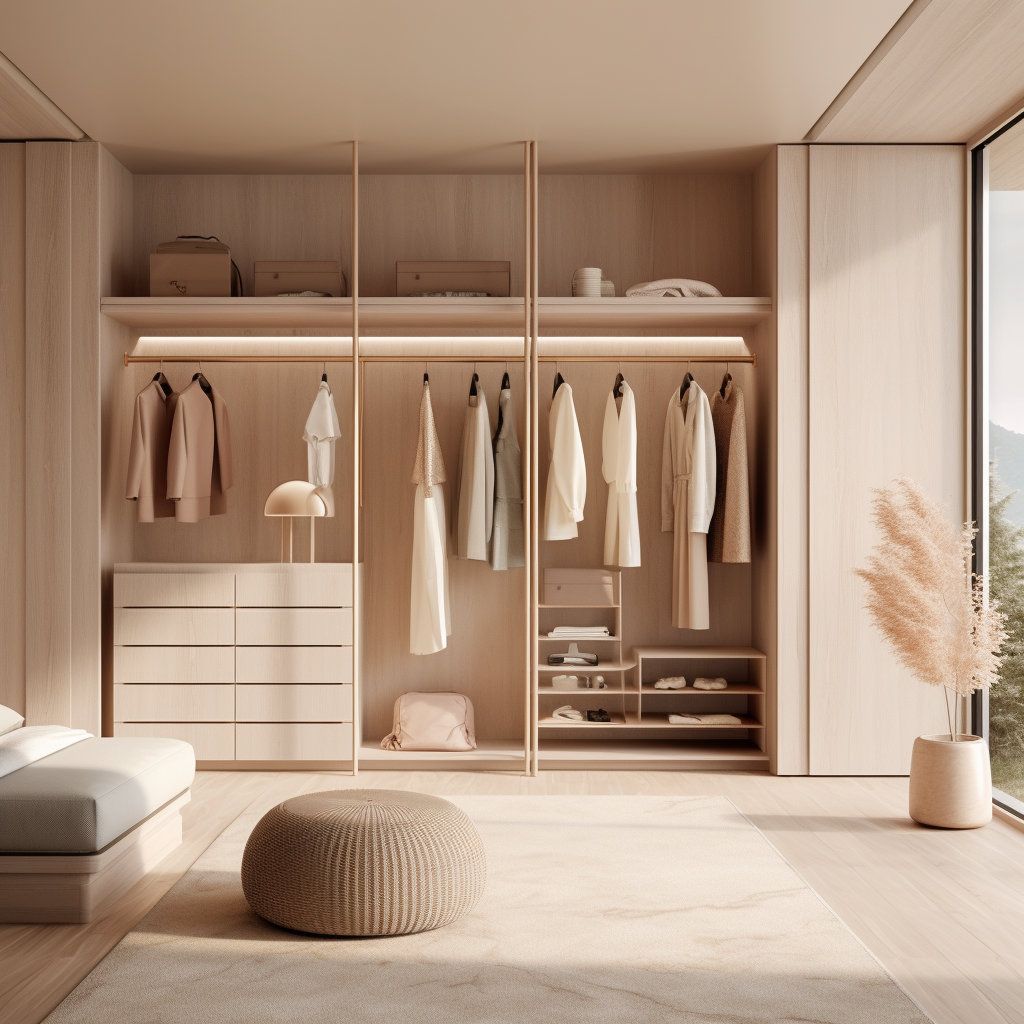
Built-in wall-to-wall customization
Conclusion
Choosing between an armoire and a wardrobe ultimately comes down to your lifestyle, storage needs, and the visual style you want to bring into your home. While both serve the purpose of organizing belongings, they excel in different ways.
An armoire offers a blend of beauty and versatility. Its freestanding nature makes it ideal for people who frequently move, redesign rooms often, or simply appreciate unique, statement-making furniture. Armoires add character—whether in a classic French design, rustic farmhouse style, or vintage-inspired look. Beyond clothing, they can store bedding, electronic devices, household items, or even serve as a compact home office cabinet.
By contrast, wardrobes provide the highest level of efficiency. They are engineered specifically for clothing management—whether you need space for long coats, daily wear, seasonal items, or shoes. Modern wardrobes in 2026 come with customizable modules, LED lighting, soft-close drawers, adjustable shelves, and sliding doors that save space while increasing storage capacity. For small apartments, minimalist homes, or families wanting maximum practicality, a wardrobe is often the smarter choice.
Ultimately, the best choice depends on your priorities:
If you value aesthetic charm, versatility, and a premium furniture look, choose an armoire.
If you prioritize organization, capacity, and modern functionality, choose a wardrobe.
Understanding these distinctions ensures you invest in storage furniture that enhances not only your home’s appearance but also your everyday living experience. In 2026, both armoires and wardrobes remain relevant—they simply serve different homeowners, styles, and living spaces.
FAQ:
1. Is an armoire the same as a wardrobe?
No. An armoire is a freestanding decorative storage cabinet, while a wardrobe is designed specifically for organizing clothing.
2. Which is better for small bedrooms?
A wardrobe—especially one with sliding doors—saves more space and provides more vertical storage.
3. Are armoires outdated in 2026?
Not at all. Armoires remain trendy in luxury interiors, French-style homes, and boutique hotels.
4. Can a wardrobe be moved like an armoire?
Freestanding wardrobes can be moved, but built-in wardrobes are permanent installations.
5. Which one holds more clothes?
Wardrobes typically offer more clothing storage because they are designed with larger hanging sections and modular shelves.
6. Which one is more durable—an armoire or a wardrobe?
Durability depends on materials. Solid-wood armoires tend to last longer, while wardrobes made from high-quality plywood or MDF with good hardware are also highly durable.
7. Can I use an armoire as a TV cabinet?
Yes. Many people repurpose armoires as entertainment cabinets because they offer depth, doors for concealment, and cable-routing space.
8. Do wardrobes offer better internal organization options?
Yes. Wardrobes usually include customizable components like adjustable shelves, drawer blocks, sliding baskets, shoe racks, and LED lighting systems.
9. Which option increases home resale value more?
Built-in wardrobes tend to increase property value because they remain part of the home. Armoires add style but don’t impact market value as directly.
10. Are armoires easier to assemble than wardrobes?
Yes. Armoires usually come mostly pre-assembled, while wardrobes—especially large modular ones—require assembly and installation, sometimes by professionals.