Total Cabinetry And Joinery Solution
ENG

Search
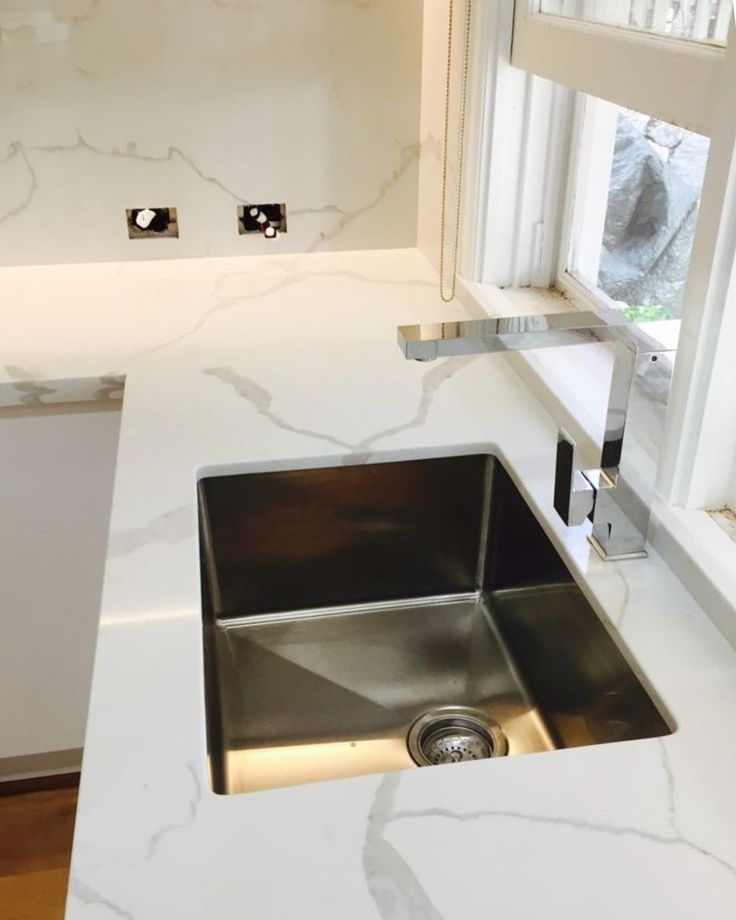
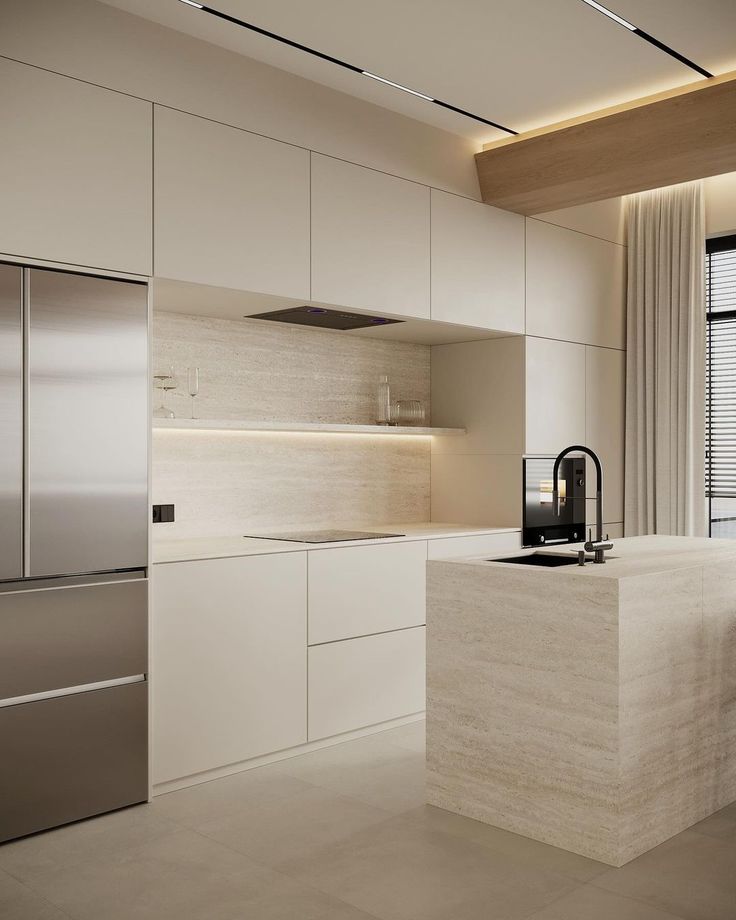
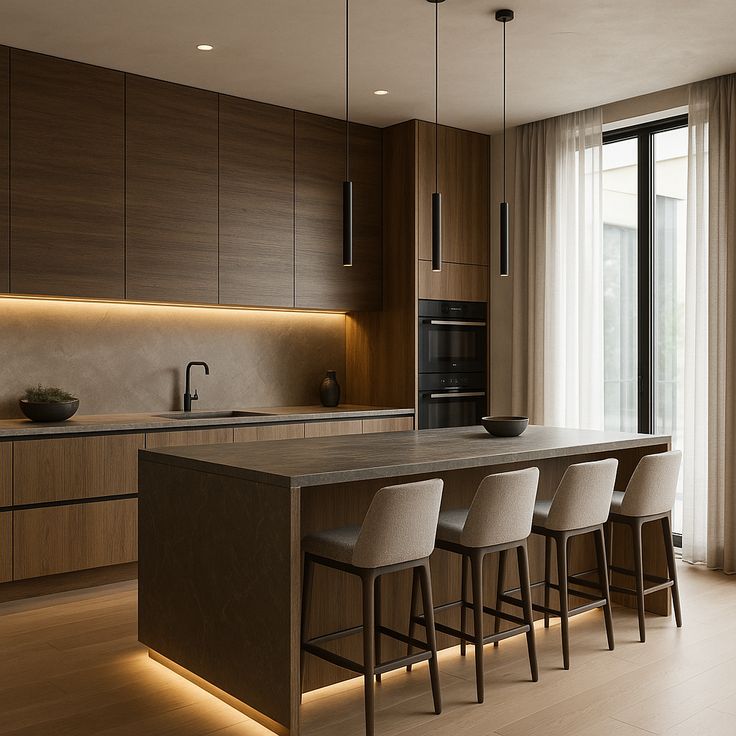
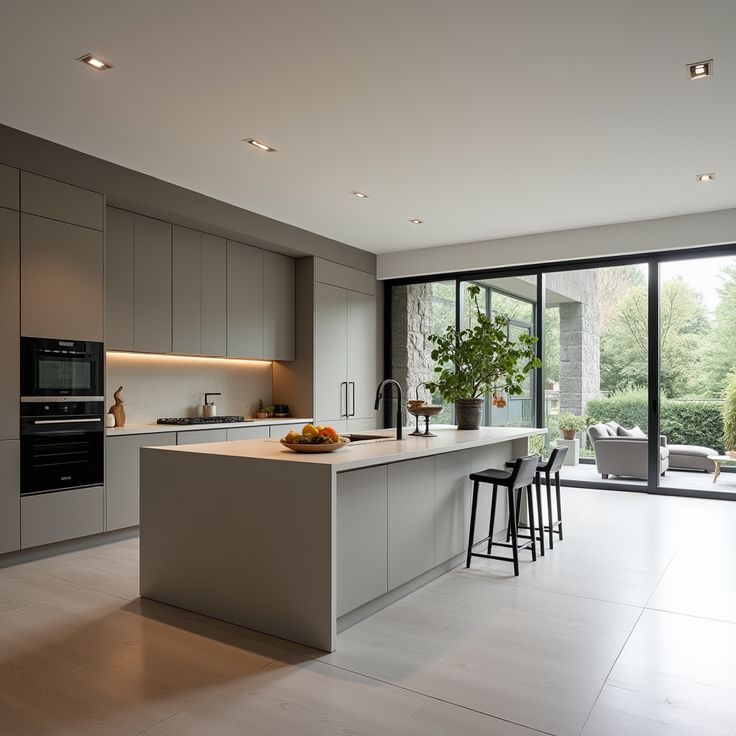
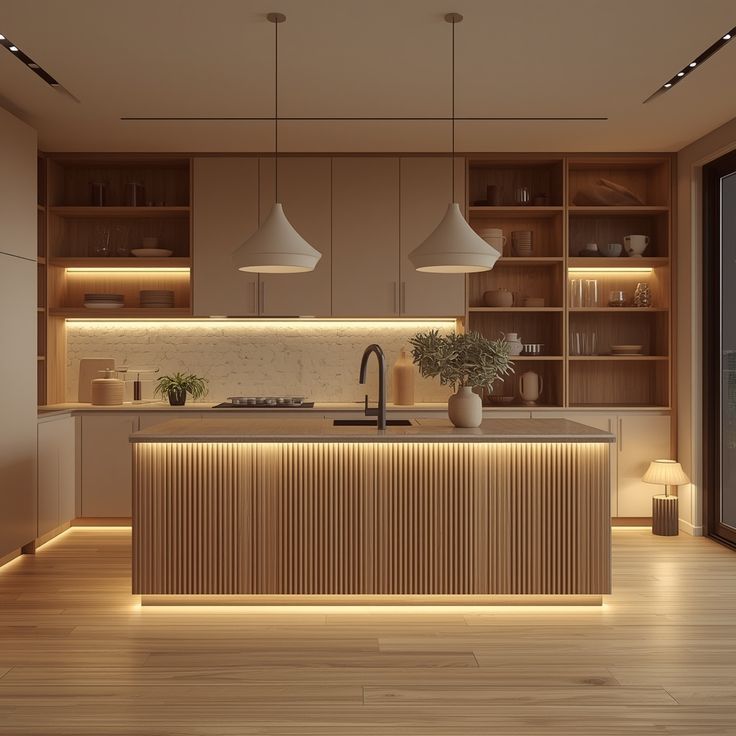
When choosing Cabinet Countertops, homeowners and project developers increasingly prioritize durability, stain-resistance, and easy maintenance. In 2026, new materials and improved technologies make it easier than ever to build a kitchen that is both stylish and effortless to maintain.
This guide ranks the Top 7 low-maintenance countertops, helping you select the best option for your kitchen renovation, apartment project, or commercial use.
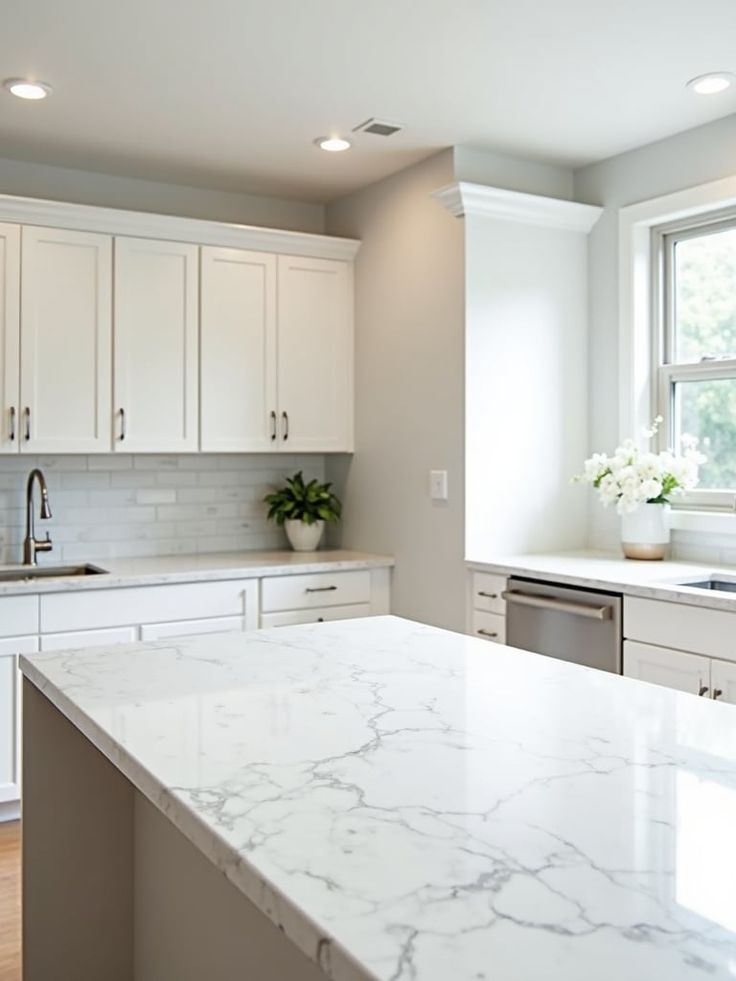
1. Quartz Countertops
Quartz remains the #1 choice for low-maintenance kitchens worldwide in 2026.
Key Advantages
Non-porous surface → no sealing required
Highly resistant to stains and scratches
Uniform color patterns (good for modern & rental kitchens)
Ideal For
Residential kitchens, apartments, hotels, high-traffic rental units.
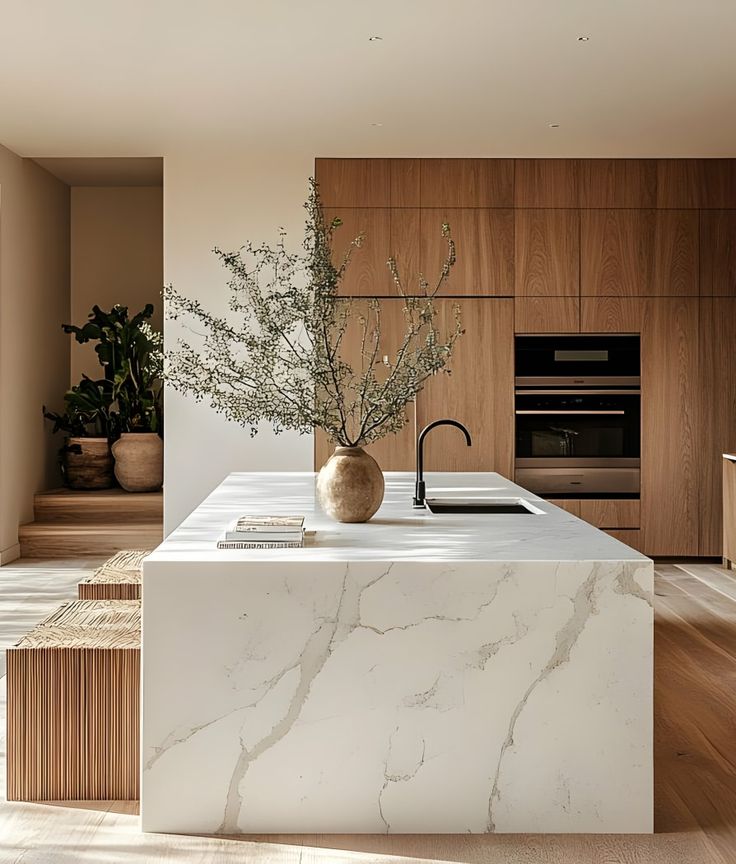
2. Sintered Stone Countertops
Sintered stone—often marketed as “ultra-compact surface”—continues to rise in popularity.
Key Advantages
UV-resistant (perfect for bright spaces)
Heat-resistant up to 1200°C
Harder than quartz and extremely durable
Food-safe & low absorption
Ideal For
Premium kitchens, outdoor kitchens, high-end project development.
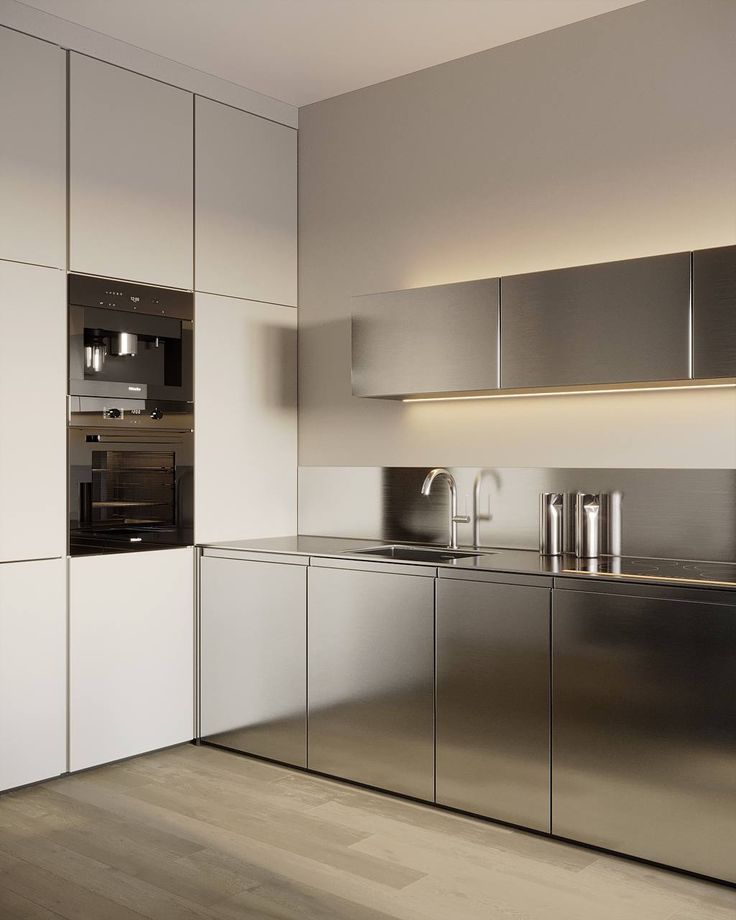
3. Stainless Steel Countertops
A top pick for commercial kitchens—but in 2026, trending in minimalist homes too.
Key Advantages
100% waterproof and antibacterial
Heat-resistant
Industrial, modern aesthetic
Easy daily cleanup
Ideal For
Commercial kitchens, modern homes, humid environments.
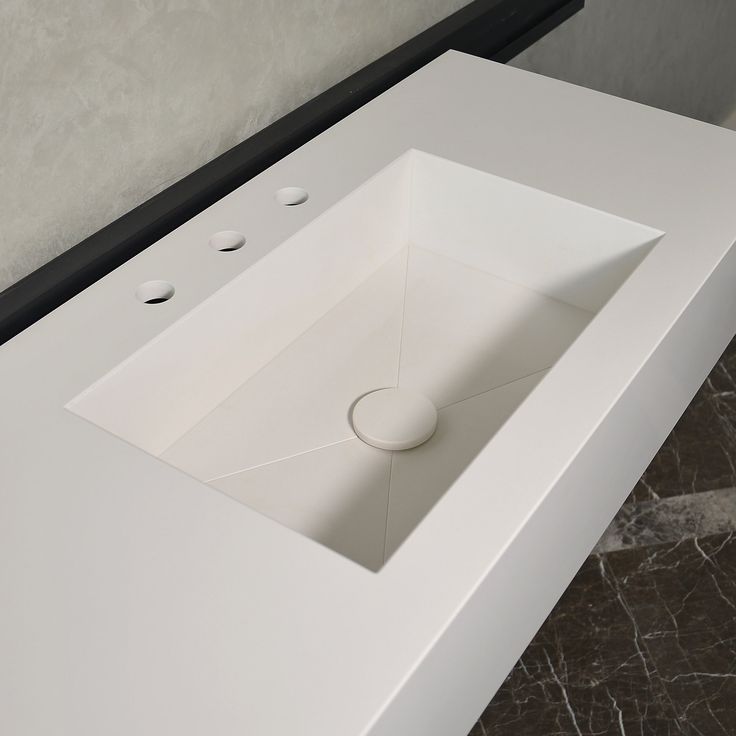
4. Solid Surface (Acrylic) Countertops
Solid surface (like Corian) remains a practical, repairable, and low-maintenance option.
Key Advantages
Seamless joints
Warm, soft-touch finish
Easy to repair (scratches buff out)
Non-porous surface
Ideal For
Family homes, apartments, medical or hotel projects.
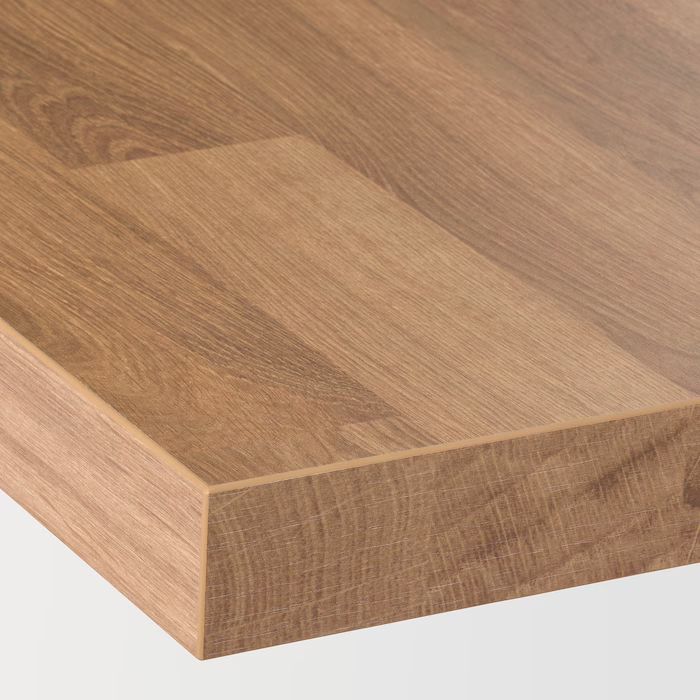
5. Laminate Countertops (HPL)
Laminate technology in 2026 is far more durable than old versions.
Key Advantages
Budget-friendly
Scratch-resistant with new HPL finishes
Large range of colors and stone patterns
Easy daily cleaning
Ideal For
Budget renovations, rental units, multi-family developments.
6. Ceramic / Porcelain Countertops
An increasingly popular choice due to thin panels and large-format styles.
Key Advantages
Resistant to heat, stains, and UV
Comes in ultra-large slabs
Available in marble, concrete, and stone effects
Lightweight, easy to fabricate
Ideal For
Modern kitchens, apartments, commercial spaces.
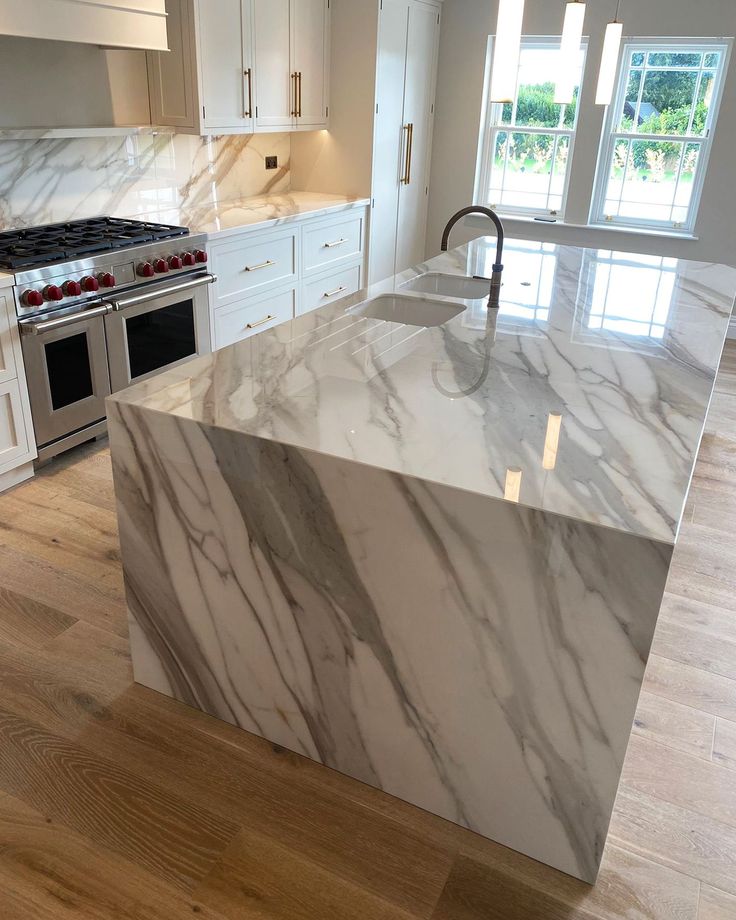
7. Granite Countertops (Sealed)
Granite is naturally hard; new sealers (2026 tech) make it more low-maintenance than before.
Key Advantages
High heat and scratch resistance
Natural stone uniqueness
New “10-year sealers” extend lifespan
Ideal For
Residential kitchens, traditional-style homes, premium projects.
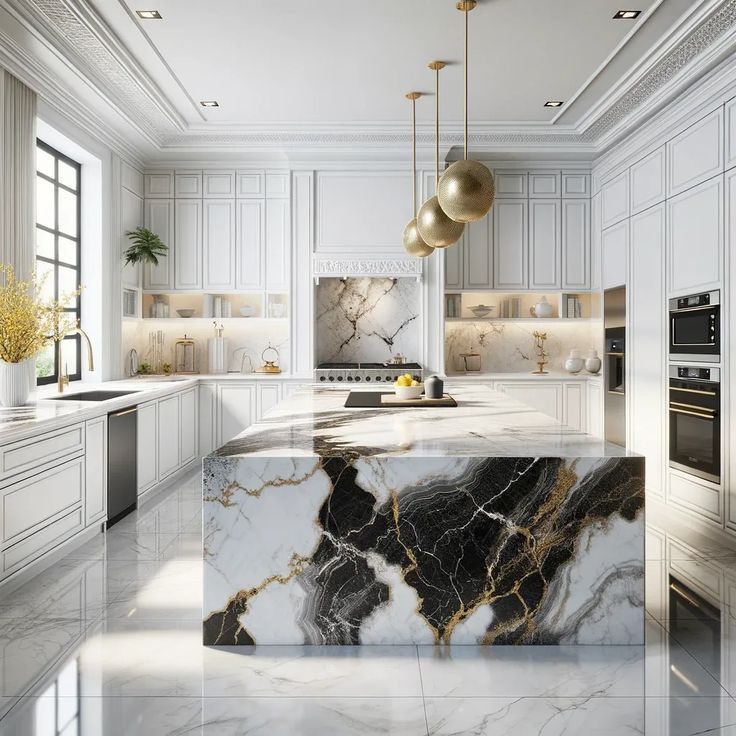
8. Quartz Countertops (Engineered Stone)
Quartz remains one of the most stable and low-maintenance countertop materials in 2026.
Its non-porous structure makes it ideal for busy homes and commercial projects.
Key Advantages
Highly scratch-resistant
Non-porous, stain-proof, no sealing needed
Consistent patterns and colors
Excellent long-term durability
Ideal For
High-end kitchens, hotels, rental apartments, family homes.
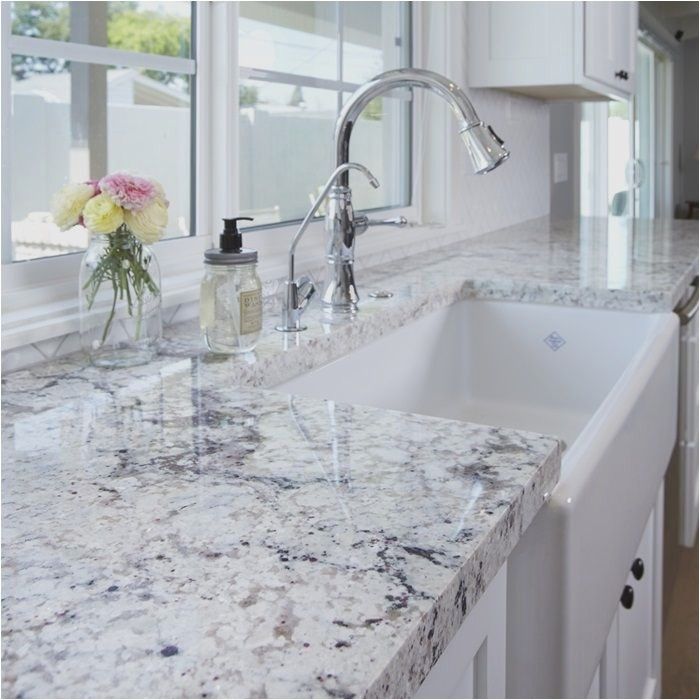
9. Sintered Stone Countertops (Porcelain Slab)
Sintered stone continues trending in 2026 thanks to its ultra-premium look and extreme durability.
It performs well in both indoor and outdoor environments.
Key Advantages
Heat-proof & UV-resistant
Extremely scratch-resistant
Available in marble, concrete, and metallic looks
Zero porosity, hygienic surface
Ideal For
Luxury villas, outdoor kitchens, commercial projects, modern minimalist designs.
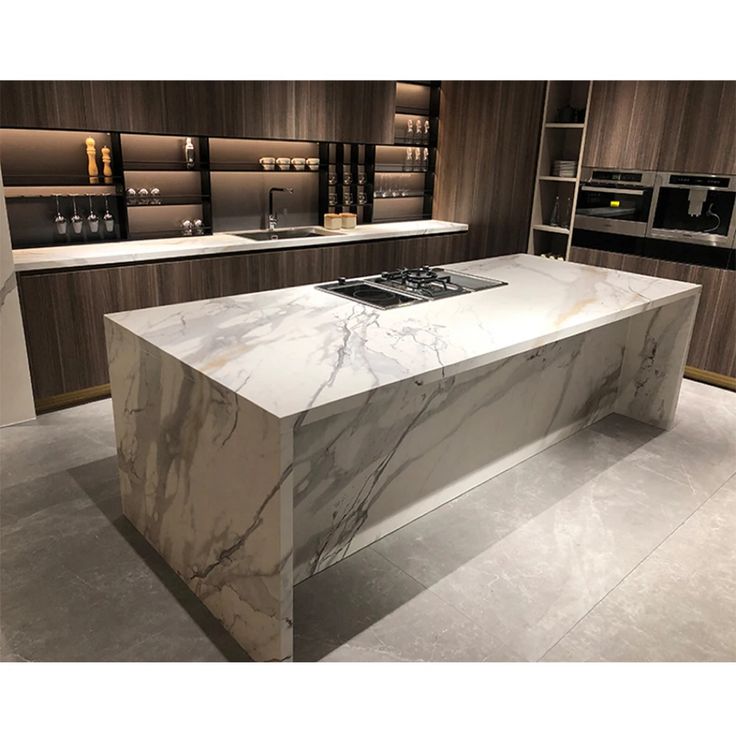
10. Solid Surface Countertops (Acrylic Composite)
Solid surface remains a popular non-porous, repairable, and seamless option for commercial and residential builds.
Its thermoforming ability allows curved and integrated sink designs.
Key Advantages
Seamless joints for a clean look
Non-porous and stain-resistant
Warm touch, easy to repair and refinish
Flexibility for custom shapes
Ideal For
Hospitality projects, clinics, office pantries, minimalist residential kitchens.
Alt text:
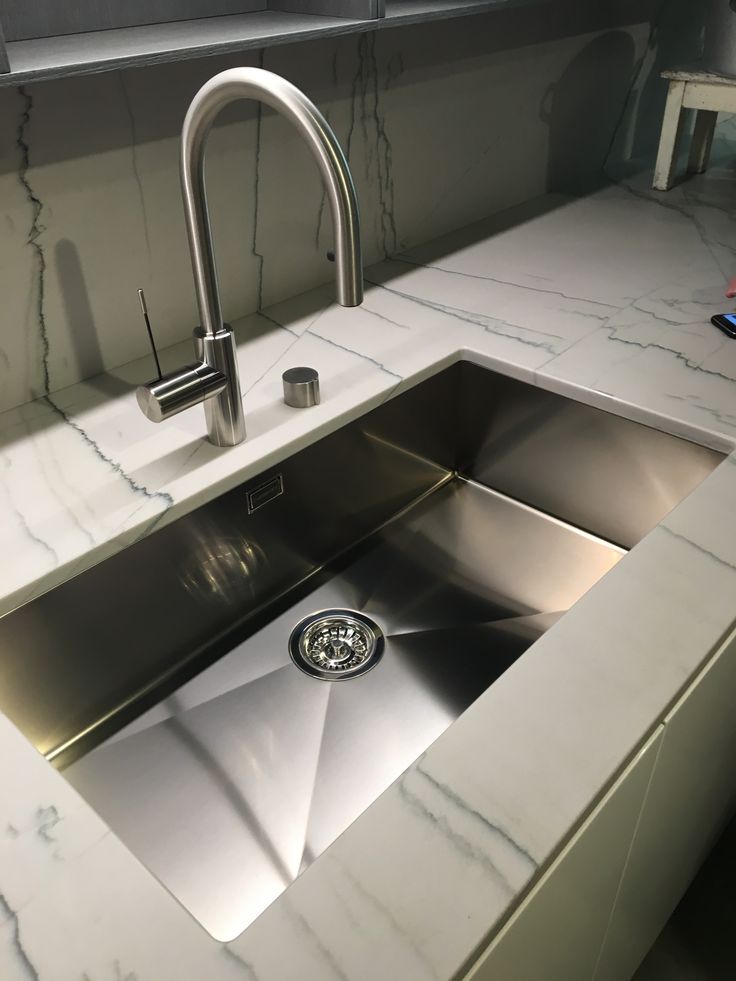
Choosing the right Cabinet Countertops in 2026 is easier with modern material technology. Whether you want a durable quartz surface, a premium sintered stone look, or a cost-effective laminate, today’s low-maintenance materials offer stronger performance, better stain resistance, and more design freedom than ever before.
By selecting one of the top 7 countertops above, you can build a kitchen that stays beautiful with minimal effort—perfect for busy households, high-traffic rentals, or large-scale project developments.
1. Which Cabinet Countertops last the longest?
Sintered stone and stainless steel Cabinet Countertops offer the strongest long-term durability. They resist heat, scratches, moisture, and impact—making them ideal for high-use residential kitchens and large-scale development projects.
2. What is the easiest Cabinet Countertop to clean?
Quartz and solid surface Cabinet Countertops are the easiest to maintain because they are fully non-porous. A simple wipe with mild detergent keeps them clean—no sealing, polishing, or special care required.
3. Which Cabinet Countertop material is best for rental properties?
Laminate (HPL) and quartz Cabinet Countertops offer the best cost-to-performance ratio. They handle frequent turnover, tenant wear, and daily use while staying visually attractive.
4. Can sintered stone or porcelain Cabinet Countertops be used outdoors?
Yes. These materials are UV-stable, weather-resistant, and unaffected by temperature changes—perfect for patios, outdoor bars, and semi-exterior kitchens.
5. Are stainless steel Cabinet Countertops noisy or cold?
Stainless steel can sound metallic, but sound-dampening backing significantly reduces noise. The naturally cool temperature is preferred for food preparation and is widely used in commercial-grade kitchens.
6. Which Cabinet Countertops perform best in high-use or commercial-style kitchens?
Quartz, sintered stone, and stainless steel outperform others due to their hardness, heat tolerance, and easy sanitation—ideal for multi-unit developments, hotels, and serviced apartments.
7. What countertop thickness is best for strength and stability?
20–30mm is standard for most Cabinet Countertops. For heavy-use kitchens, thicker slabs or reinforced installations offer better long-term stability and impact resistance.
8. How do I choose the right Cabinet Countertop for humid environments?
Choose moisture-resistant materials like sintered stone, porcelain, stainless steel, or granite. Laminate (HPL) Cabinet Countertops can also perform well if the edges and joints are properly sealed.
9. Which Cabinet Countertop materials offer the strongest stain resistance?
Quartz and sintered stone provide superior stain resistance thanks to their ultra-low porosity. Stainless steel is also stain-resistant, though it may need anti-fingerprint coating for a clean look.
10. Can low-maintenance Cabinet Countertops be repaired if they crack or chip?
Solid surface and laminate Cabinet Countertops are the easiest to repair. Quartz repairs depend on color and size of damage. Sintered stone and porcelain may require professional intervention or full-panel replacement due to their density.