Total Cabinetry And Joinery Solution
ENG

Search

Choosing the correct Kitchen Cabinet Worktop Height is one of the most important decisions in kitchen design. The right height improves posture, makes cooking comfortable, and ensures smooth workflow from meal prep to cleaning. In this guide, we break down standard measurements, ergonomic requirements, customization options, and key mistakes to avoid—helping you design a kitchen that feels natural, functional, and built around your lifestyle.
In most homes, the standard Kitchen Cabinet Worktop Height ranges from 900 mm to 950 mm (35.4"–37.4").
This dimension is based on the average user height and aims to provide a comfortable working position for tasks such as chopping, mixing, cooking, and washing.
Why This Height Works
Reduces back strain
Provides comfortable arm reach
Works well with standard appliances (dishwashers, ovens)
Matches most modular cabinet systems
Not all households should follow the default measurement. Ideal counter height depends on the main user’s height.
Recommended Worktop Heights by User Height
User Height | Ideal Worktop Height |
150–160 cm | 850–900 mm |
160–170 cm | 900–930 mm |
170–180 cm | 930–960 mm |
180+ cm | 960–1000 mm |
A single height does not work for all kitchen activities. Modern kitchen design recommends multi-height layouts.
Food Preparation Area (Higher)
930–1000 mm
Ideal for cutting and baking prep — keeps your back straight.
Cooking Hob Area (Lower)
850–900 mm
Lower height provides better visibility and safer pot handling.
Sink/Washing Area
900–950 mm
Should align with elbow height to reduce bending during washing.
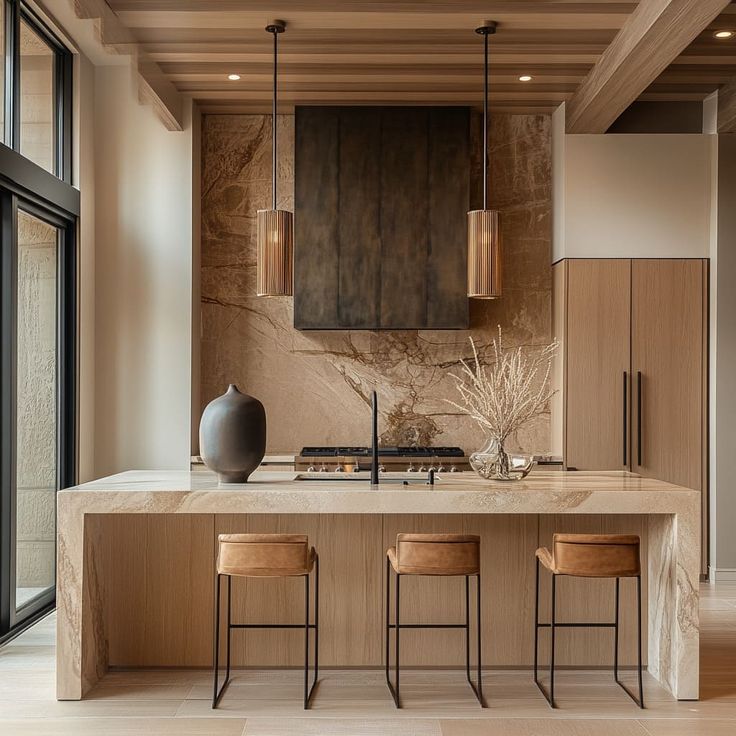
Using One Height for the Entire Kitchen
People have different heights—and kitchens have multiple tasks. Using a single height may cause back strain or discomfort.
Instead: Use multi-zone heights for prep, cooking, and washing.
Ignoring Toe Kick Height
Toe kicks (100–150 mm) directly affect counter height and user comfort.
A correct toe kick allows you to stand closer to the worktop without bending forward.
Incorrect Sink Height
If too high → shoulder strain.
If too low → excessive bending while washing dishes.
Match sink height to elbow level for comfort.
Not Considering Built-in Appliance Clearance
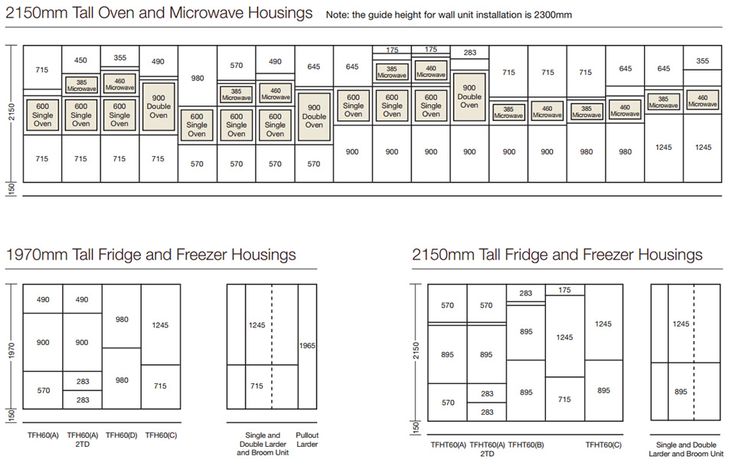
Dishwashers, ovens, and under-counter fridges set minimum height requirements.
Always coordinate cabinet height with appliance specifications.
Forgetting About Flooring Thickness
Tile, wood, or SPC flooring adds thickness that affects final countertop height.
Adjust base cabinet height BEFORE installing flooring.
1. Evaluate the Main User
Design around the person doing most cooking or cleaning.
2. Test Heights Physically
Use temporary boards or cardboard to simulate heights before final installation.
3. Consider Future Aging Needs
Ergonomics matter more as people age—slightly higher counters reduce bending.
4. Coordinate with Kitchen Layout
Open kitchens may prefer slightly higher counters for visual continuity.
Small kitchens benefit from standard height to keep appliances aligned.
5. Plan According to Your Appliances
Built-in dishwashers, ovens, and cooktops all influence the minimum height.
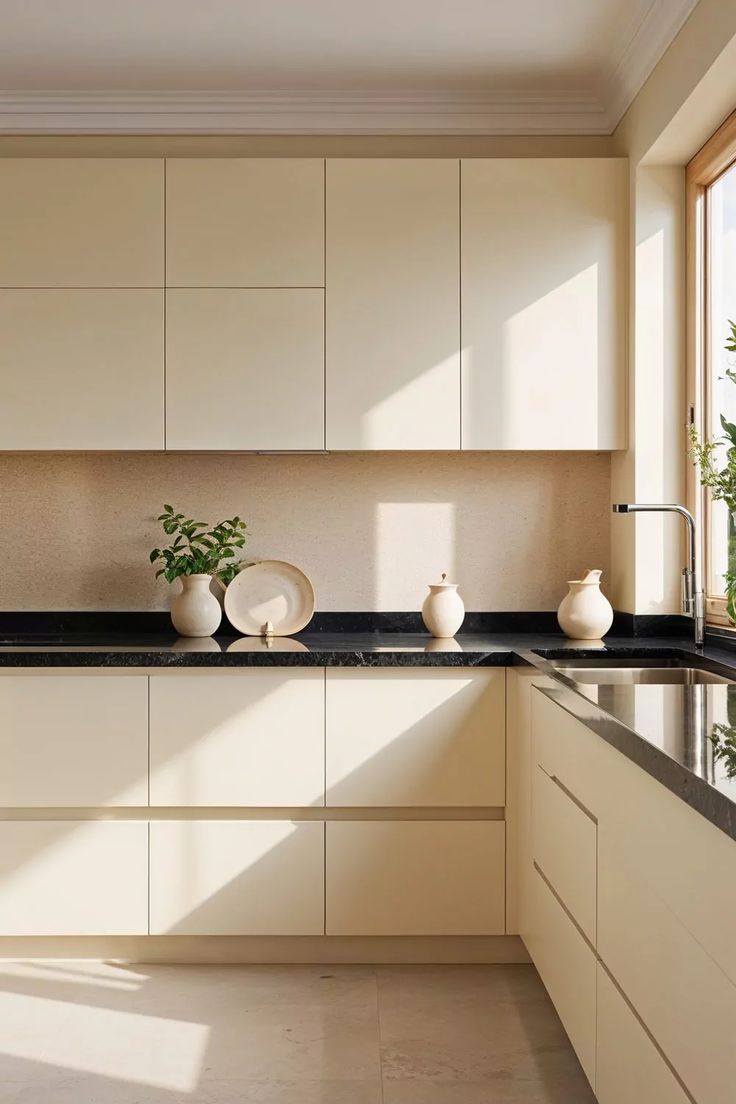
Modern Kitchens
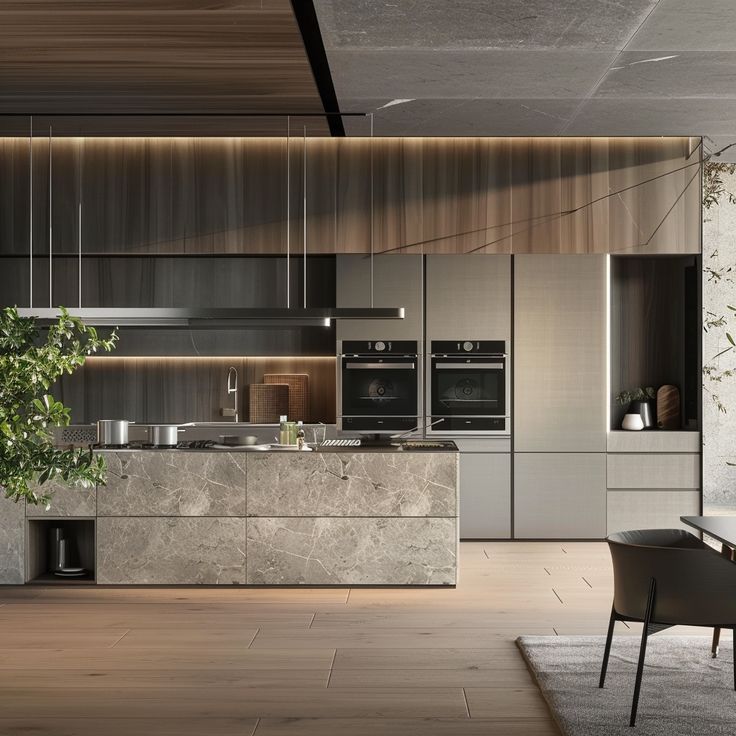
Often use 900–950 mm, matching sleek cabinet lines and appliances.
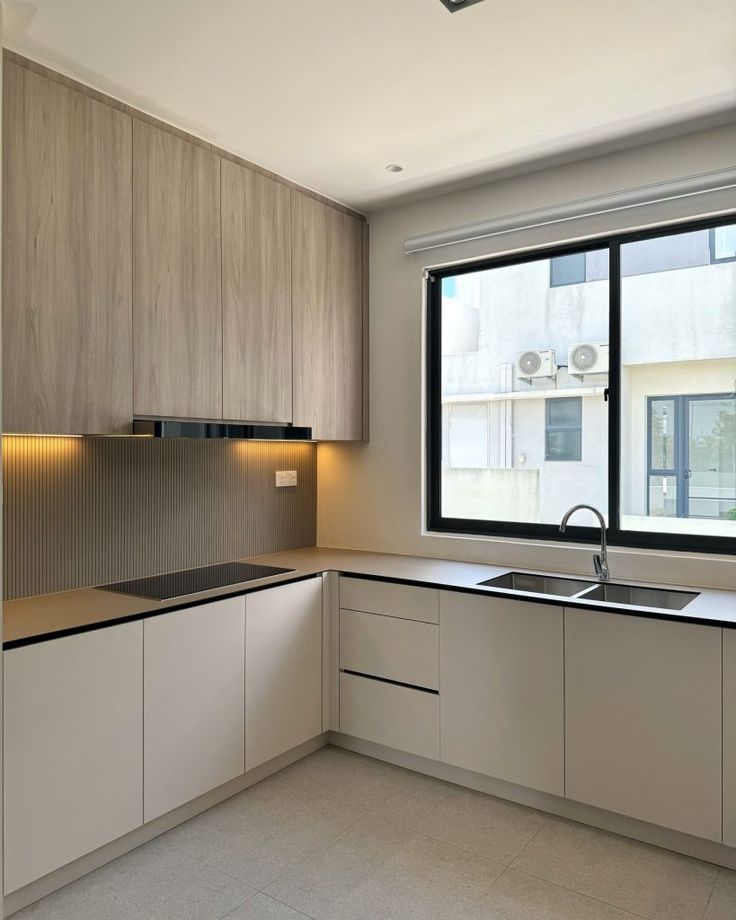
Scandinavian & Minimalist Kitchens
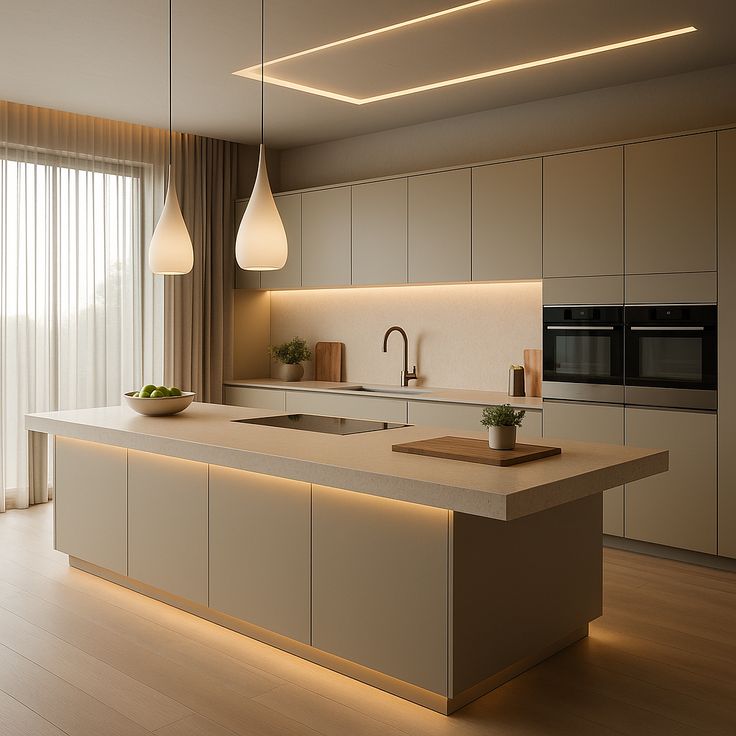
Prefer slightly higher worktops (920–960 mm) for clean visual alignment.
Traditional or Farmhouse Kitchens
Frequently use lower counters (880–900 mm) for a comfortable, classic feel.
Commercial-style or Professional Kitchens
Use 950–1000 mm for heavy-duty prep and ergonomic working posture.
Choosing the right Kitchen Cabinet Worktop Height is essential for comfort, safety, and long-term usability. While the standard height of 900–950 mm works for most households, customizing it based on user height, kitchen layout, and appliances creates a more ergonomic and efficient cooking environment. By understanding standard guidelines, avoiding common design mistakes, and planning according to your lifestyle, you can build a kitchen that feels natural, comfortable, and perfectly suited to your daily routine.
1. What is the most comfortable Kitchen Cabinet Worktop Height?
Most people find 900–950 mm comfortable, but height should match the main user’s elbows for ideal ergonomics.
2. Can kitchen cabinet worktop height be adjusted after installation?
Small adjustments can be made with toe kick panels, but major changes require cabinet modification.
For future flexibility, choose adjustable legs on base cabinets.
3. What is the best worktop height for tall people?
For users above 180 cm, 950–1000 mm is ideal—reducing bending and improving comfort during prep work.
4. Does Kitchen Cabinet Worktop Height affect appliance installation?
Yes. Built-in dishwashers typically require a minimum height of 860–900 mm, so lower counters may be impossible.
5. What is the best worktop height for wheelchair-accessible kitchens?
Accessible kitchens often require 760–860 mm, with open space underneath the counter for easy access.
6. Should kitchen islands be the same height as worktops?
Usually yes (900–950 mm), but islands used for dining may be:
750–800 mm for table seating
1000–1050 mm for bar seating
7. Can worktops be made higher without raising cabinets?
Yes — thicker countertops (40mm–60mm) can add height without modifying cabinets.
8. Is a higher worktop always better for tall people?
Not always. Very high counters can make cooking uncomfortable.
Follow the elbow-height rule instead.
9. What’s the best Kitchen Cabinet Worktop Height for children?
For family kitchens, keep standard height (900–950 mm) and use step stools for children — adjustable counters are rare and costly.
10. Does flooring affect final Kitchen Cabinet Worktop Height?
Yes. Flooring thickness (5–20 mm) must be calculated during cabinet installation to avoid misalignment with appliances.