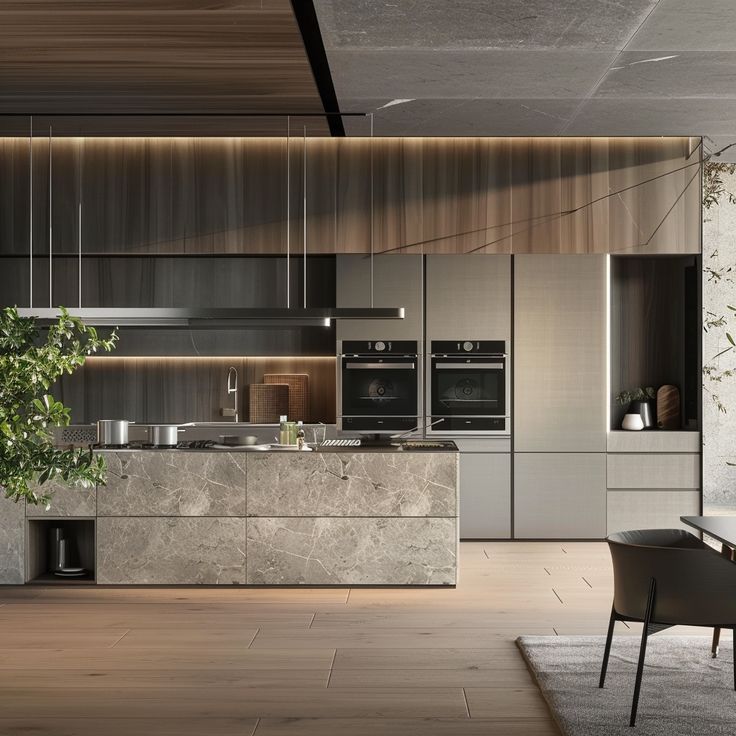
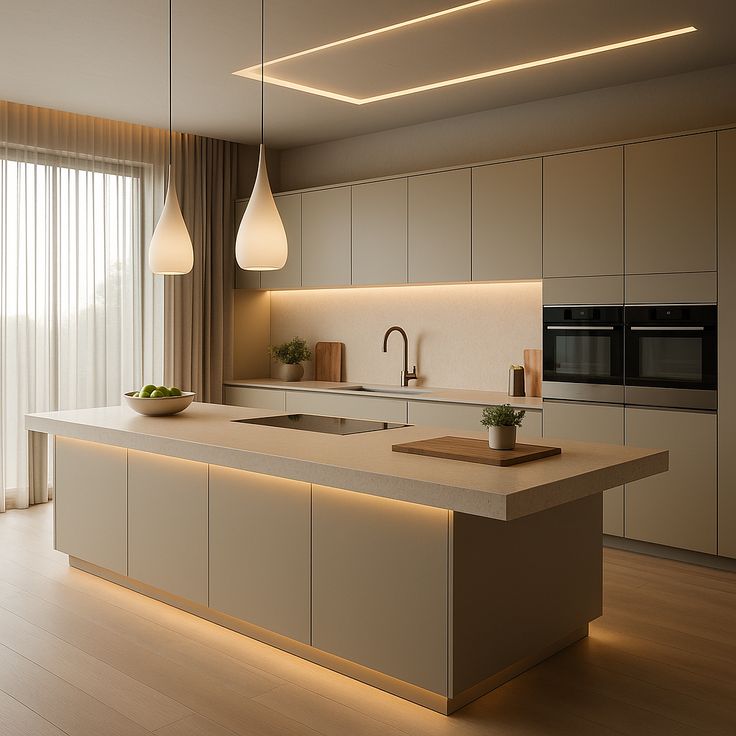
Total Cabinetry And Joinery Solution
ENG

Search
A well-planned Kitchen Renovation is one of the most valuable upgrades for Sydney homes in 2026. With rising property standards, evolving lifestyle needs, and growing focus on durability and efficiency, kitchens are no longer just cooking spaces—they are long-term investments. This guide shares 10 practical Kitchen Renovation tips to help homeowners and developers create kitchens that perform well, age gracefully, and add lasting value.
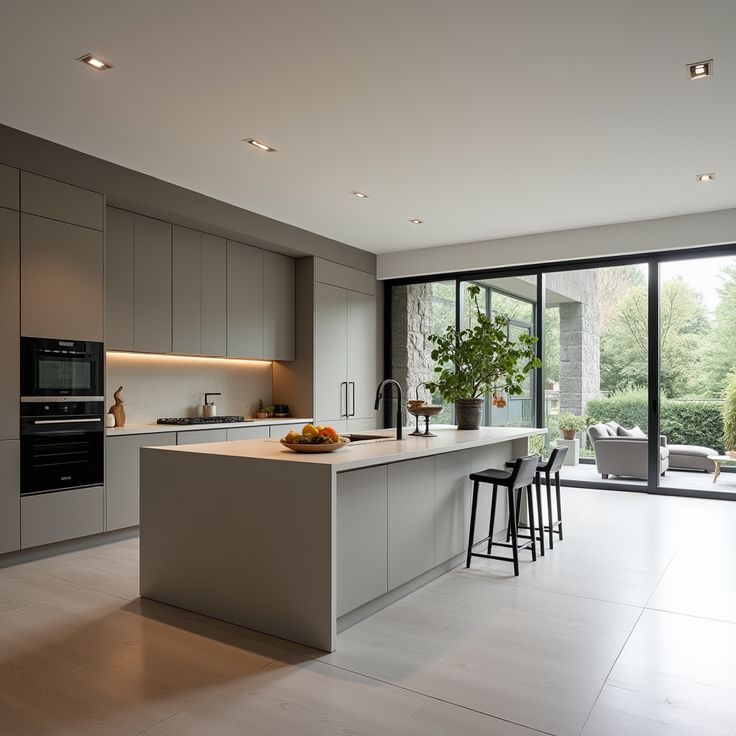
A successful Kitchen Renovation starts with layout planning. Focus on workflow, appliance placement, and clear movement paths before selecting finishes. Popular Sydney layouts in 2026 include L-shaped, U-shaped, and island kitchens designed to maximise space and natural light.
When planning a Kitchen Renovation in Sydney, material selection should go beyond appearance and focus on long-term performance in a coastal climate. Sydney’s combination of humidity, salty air in coastal areas, and seasonal temperature changes can cause lower-quality materials to warp, swell, or deteriorate over time if they are not properly specified.
For cabinetry, it is essential to choose high-quality, moisture-resistant boards, such as marine-grade plywood or well-sealed moisture-resistant particle boards. These materials offer improved structural stability and reduce the risk of edge swelling, delamination, or cabinet door distortion in humid conditions.
Countertops should also be selected with durability in mind. Engineered quartz, sealed natural stone, and sintered stone surfaces are particularly popular in Sydney renovations due to their low porosity, resistance to staining, and ability to handle daily temperature fluctuations. These surfaces perform well in busy households and require minimal ongoing maintenance compared to more porous materials.
Finishes and surface treatments play an equally important role. High-quality laminates, PET or lacquer finishes, and properly sealed timber veneers provide added protection against moisture, grease, and daily wear. Choosing factory-applied, well-sealed finishes helps extend the lifespan of cabinetry and maintains a consistent appearance over time.
By prioritising materials that are suited to Sydney’s climate, homeowners and developers can ensure their Kitchen Renovation delivers lasting durability, reduces maintenance issues, and protects their investment for years to come.
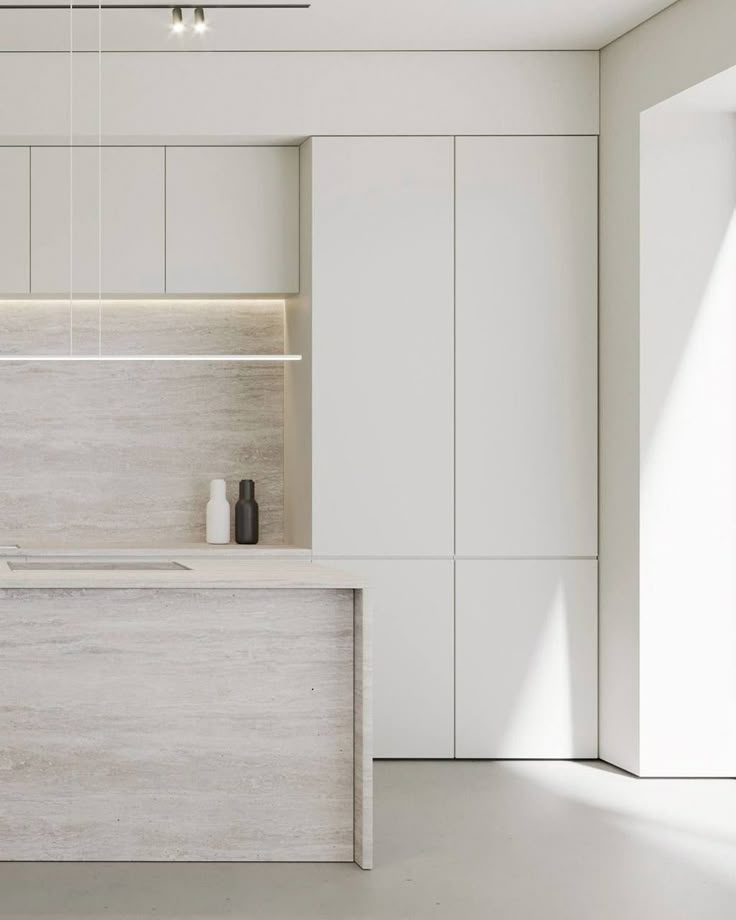
Modern Kitchen Renovation projects emphasise function as much as aesthetics. Consider:
Deep drawers instead of lower cabinets
Pull-out pantries
Corner solutions (magic corners, carousel units)
These features improve usability and reduce clutter.
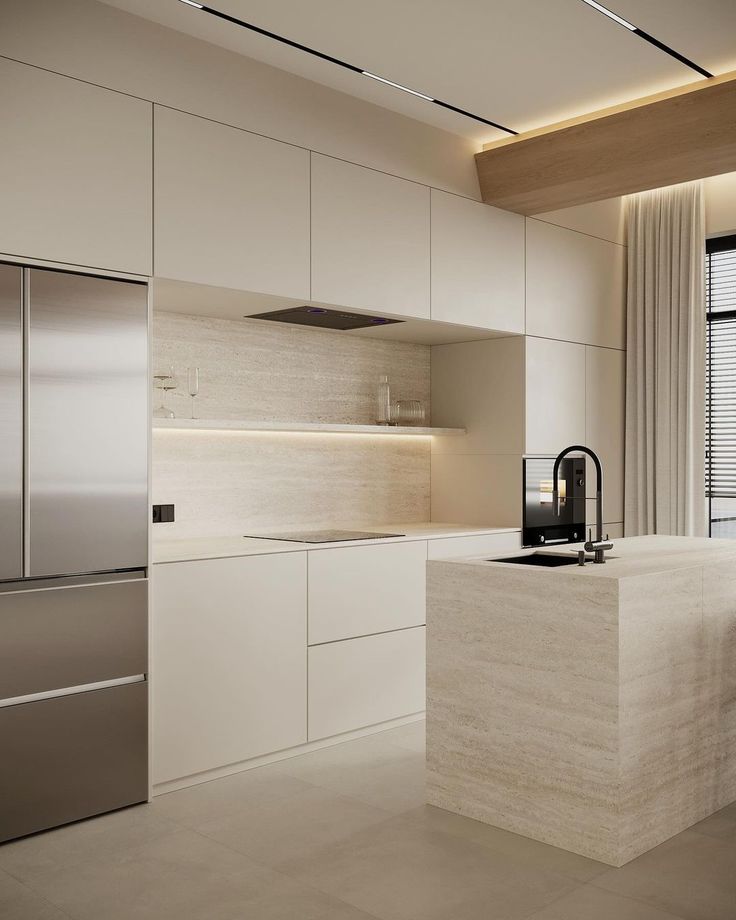
Choosing the right cabinet colours is a critical part of any Kitchen Renovation, especially when long-term value and flexibility are priorities. In Sydney’s 2026 renovation market, neutral and timeless tones continue to dominate, as they appeal to a wider range of lifestyles and buyer preferences.
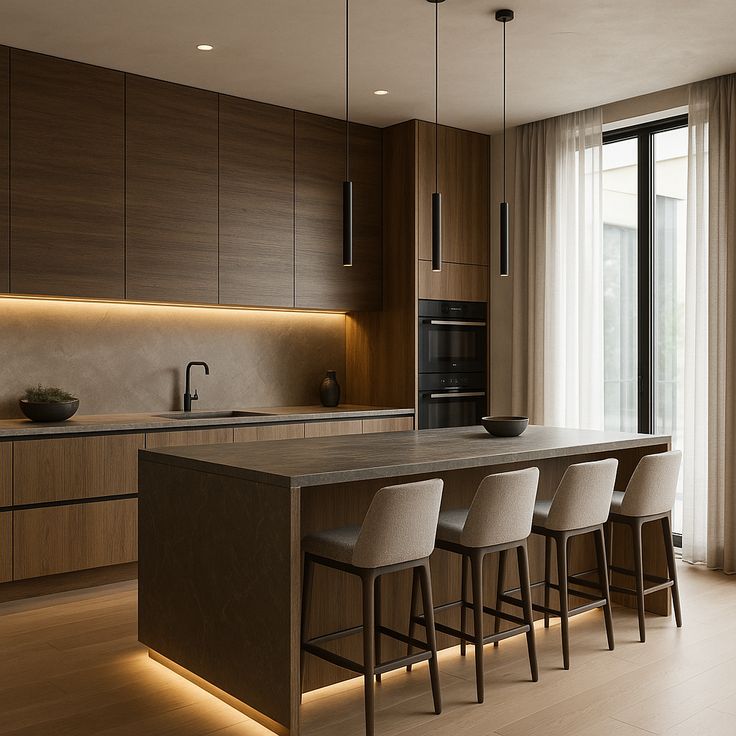
Shades such as warm whites, soft greys, beige tones, and natural wood finishes create a clean and balanced foundation that works across different interior styles—from modern apartments to family homes and coastal properties. These colours reflect natural light well, helping kitchens feel brighter and more spacious, which is particularly important in compact urban layouts.
From a resale perspective, neutral cabinet colours reduce the risk of dating the kitchen too quickly. Unlike bold or highly personalised colours, timeless palettes allow future homeowners to easily update the space with new hardware, lighting, or accessories without needing a full cabinet replacement.
Natural wood textures are also increasingly popular in Sydney, as they add warmth and visual depth while maintaining a neutral base. When paired with stone benchtops or minimalist hardware, wood finishes deliver a premium look without overpowering the space.
By planning cabinet colours with longevity in mind, homeowners and developers can ensure their Kitchen Renovation remains visually relevant, adaptable to changing trends, and attractive to both current users and future buyers.
When planning a Kitchen Renovation, selecting low-maintenance countertops is one of the most important decisions for long-term usability and cost control. In Sydney homes—where busy lifestyles, strong sunlight, and frequent indoor–outdoor living are common—countertop materials must be durable, easy to clean, and resistant to everyday wear.
Materials such as quartz, sintered stone, and porcelain have become the preferred choices in 2026 because they offer an excellent balance between performance and aesthetics. These surfaces are non-porous, meaning they resist stains from food, oils, and liquids without requiring sealing or special treatments. This makes daily cleaning simple and reduces the risk of long-term discoloration.
Low-maintenance countertops are also highly resistant to scratches, heat, and moisture—key advantages in family kitchens, rental properties, and multi-unit developments. Unlike natural stone that may need regular sealing, modern engineered surfaces maintain their appearance with minimal effort, helping homeowners avoid ongoing maintenance costs.
From a design perspective, these materials are available in a wide range of stone, concrete, and marble-inspired finishes, allowing you to achieve a high-end look without sacrificing practicality. For Sydney renovations focused on resale value or long-term living, choosing durable, easy-care countertops ensures the kitchen remains attractive and functional for years to come.
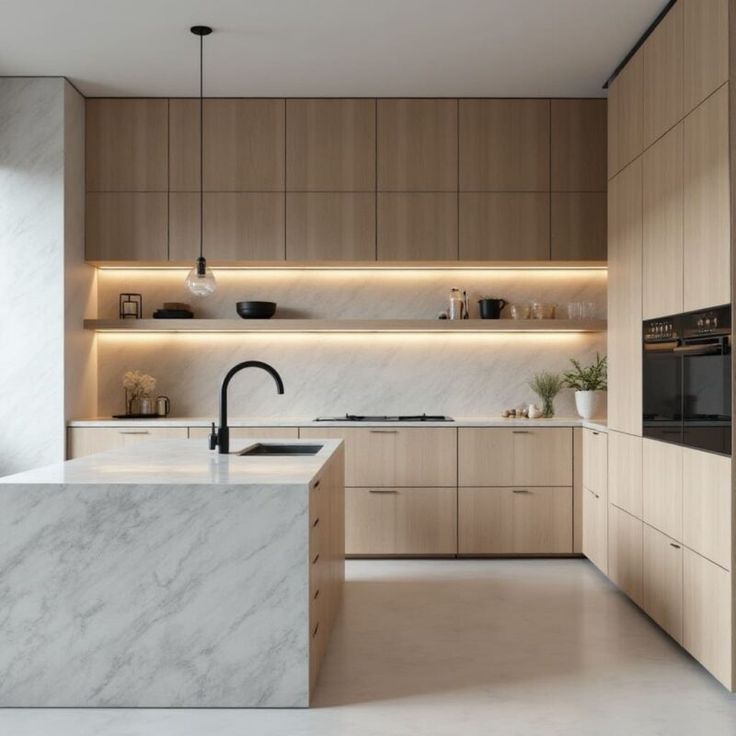
Layered lighting is essential:
Task lighting under cabinets
Ambient ceiling lighting
Accent lighting for islands or shelves
Proper lighting enhances safety, usability, and visual comfort.
Energy-efficient appliances reduce running costs and appeal to environmentally conscious buyers. In 2026, energy ratings and integrated appliance designs are key considerations in Kitchen Renovation projects.
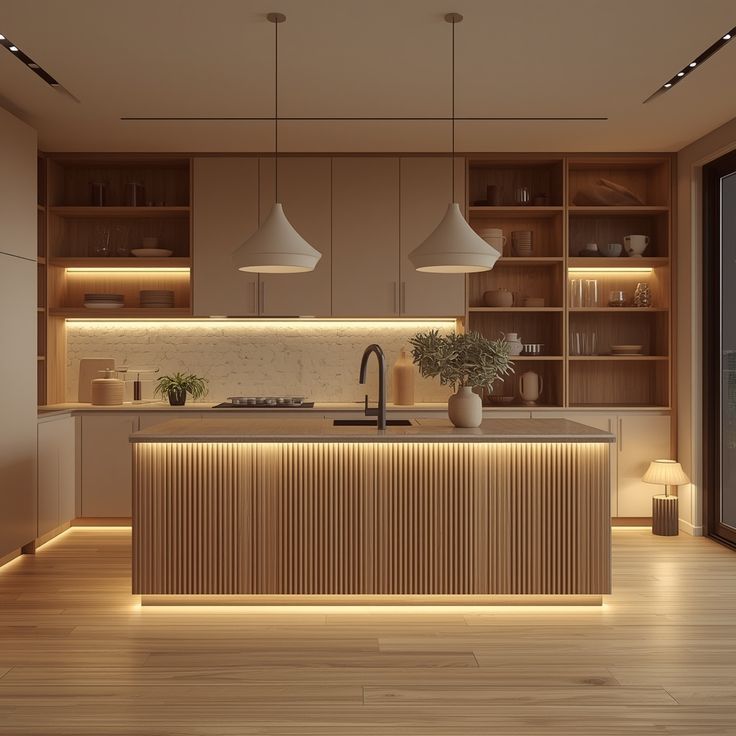
Striking the right balance between open and closed storage is essential in a well-planned Kitchen Renovation. While open shelving has become popular for its light, airy appearance and ability to showcase décor, using it excessively can quickly lead to visual clutter and higher maintenance demands.
Open shelves work best when used selectively—for frequently used items such as everyday plates, mugs, or cookbooks. They create a sense of openness, especially in smaller Sydney kitchens or apartments where visual space matters. However, open storage also exposes items to dust, grease, and moisture, which means regular cleaning is required to keep the kitchen looking tidy.
Closed cabinets, on the other hand, remain crucial for hiding appliances, bulk cookware, pantry items, and cleaning supplies. They help maintain a clean, streamlined look and significantly reduce day-to-day upkeep. For busy households or investment properties, closed storage improves practicality and long-term usability.
The most effective approach is a hybrid layout, such as:
Open shelves near windows or splashback-free zones for display
Closed cabinets around cooktops, sinks, and high-use areas
Upper cabinets combined with limited open shelving to avoid overcrowding
This balanced strategy allows the kitchen to feel open and modern without sacrificing functionality or cleanliness. In Sydney homes—where lifestyle, resale value, and maintenance efficiency all matter—a thoughtful mix of open and closed storage ensures the kitchen remains both stylish and easy to live with.
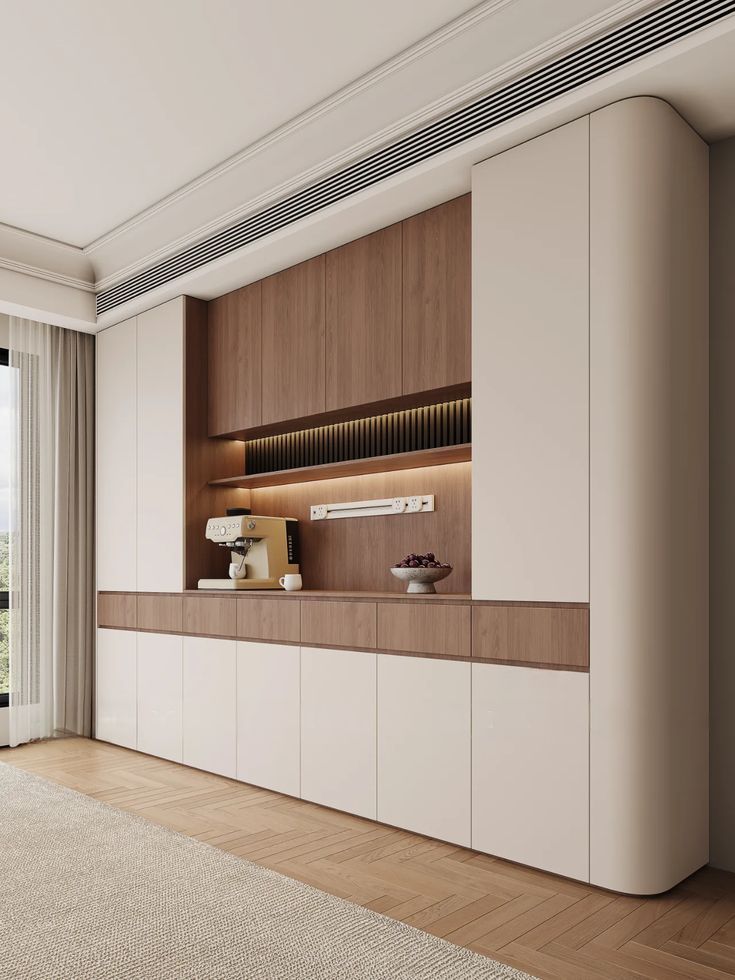
One of the most common Kitchen Renovation mistakes is late-stage service changes. Early planning for:
Power points
USB outlets
Plumbing lines
prevents delays and costly rework.
A truly successful Kitchen Renovation in 2026 is not only about current trends—it’s about planning for how the kitchen may need to evolve over time. Designing for future flexibility helps protect your investment and reduces the need for costly renovations down the line.
Start with modular cabinet systems that allow internal layouts to be adjusted or upgraded later. Adjustable shelves, removable drawer inserts, and interchangeable storage accessories make it easier to adapt the kitchen to changing household needs, whether that’s a growing family, aging-in-place considerations, or rental use.
Choosing timeless finishes is equally important. Neutral cabinet colors, classic stone-look countertops, and simple door profiles provide a strong, adaptable foundation. These elements allow you to refresh the kitchen in the future by updating smaller, lower-cost features such as hardware, lighting, or splashbacks—without replacing the entire kitchen.
A flexible layout also plays a key role. Leaving adequate circulation space, planning multi-functional islands, and allowing for future appliance upgrades ensures the kitchen can accommodate new technologies or lifestyle changes. In Sydney homes, where resale value and long-term livability are critical, adaptable layouts are especially valuable.
From a practical perspective, future-ready kitchen renovations often include:
Space allowances for larger or different appliances
Power and plumbing positioned for potential upgrades
Storage zones that can shift between pantry, appliance, or utility use
By prioritizing flexibility in your Kitchen Renovation, you create a kitchen that stays functional, attractive, and market-relevant for years to come—regardless of how trends, technology, or living patterns change.
A successful Kitchen Renovation in Sydney in 2026 is built on smart planning, durable materials, and timeless design choices. By focusing on layout, storage, lighting, and long-term usability, you can create a kitchen that not only looks modern today but continues to perform and add value well into the future.