Total Cabinetry And Joinery Solution
ENG

Search
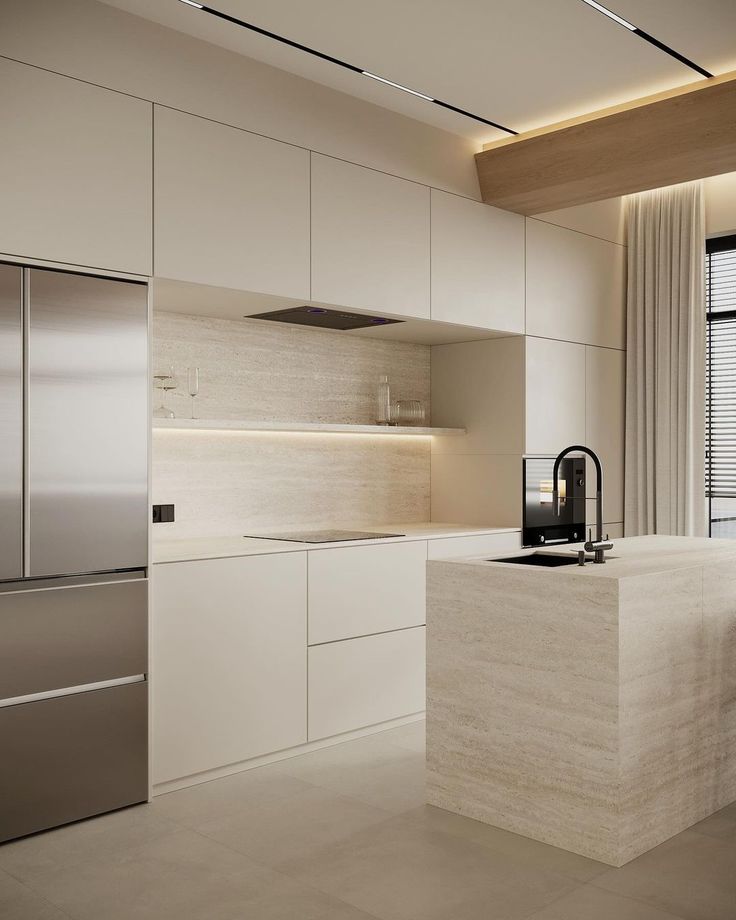
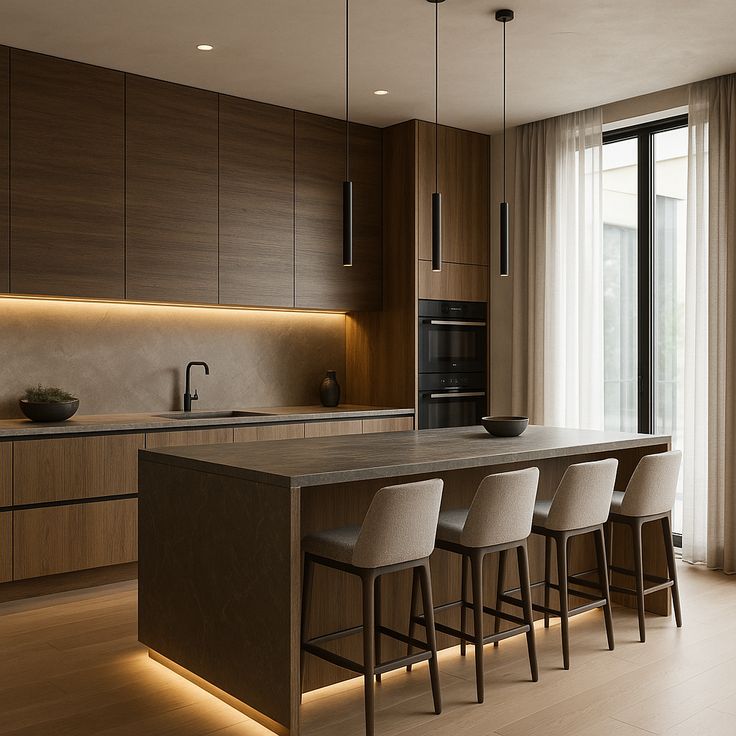
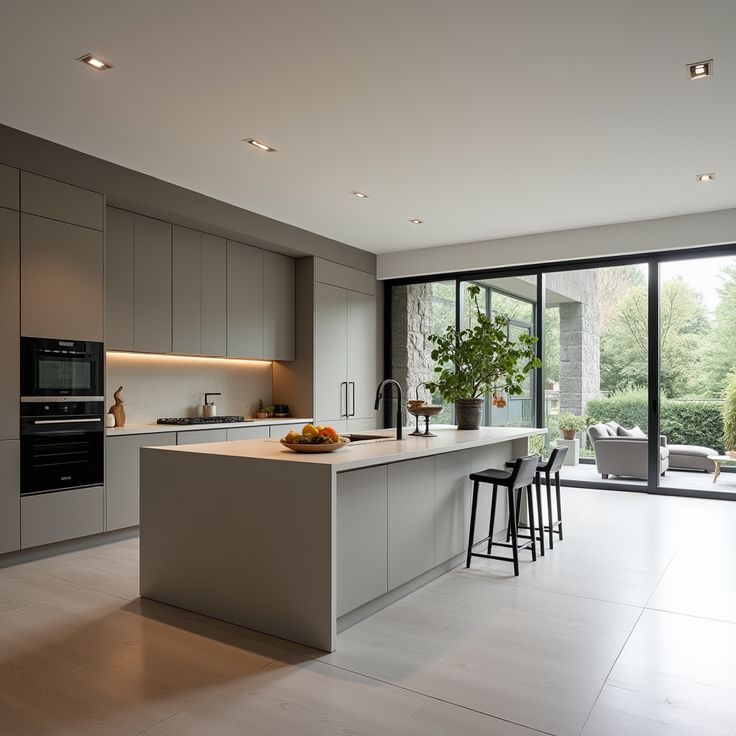
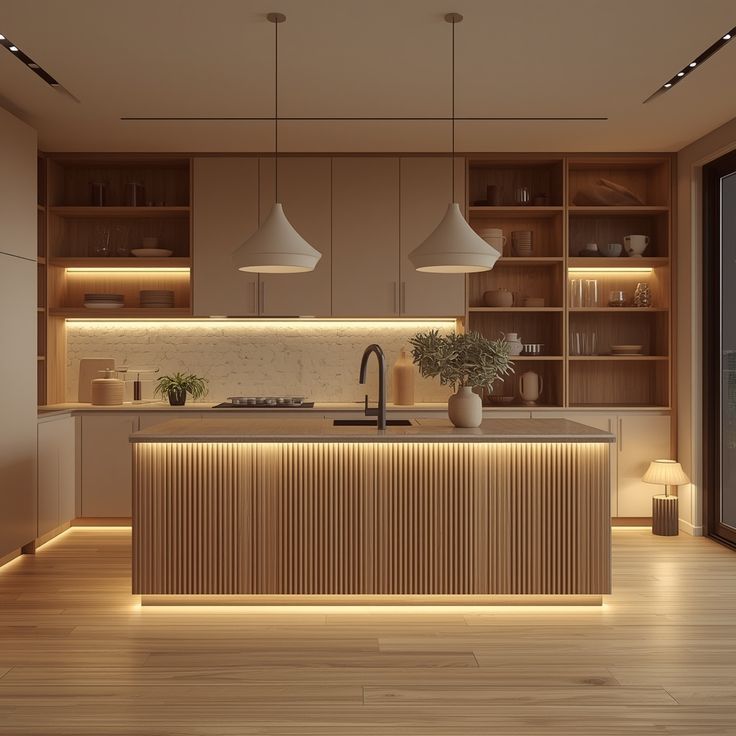
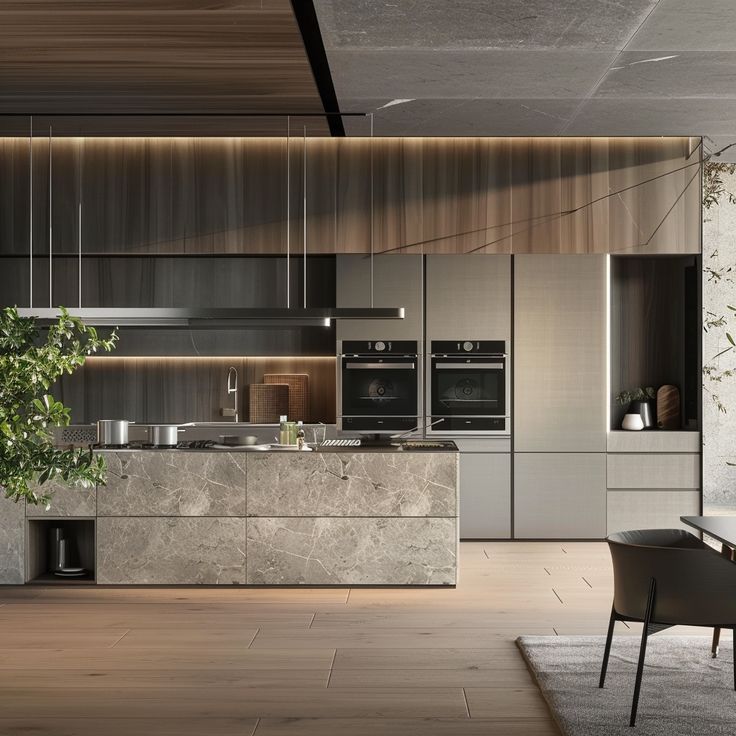
Selecting the right Kitchen Size is one of the most important decisions when designing or renovating a kitchen. In Sydney, where homes range from compact apartments to large villas, kitchen size directly affects workflow, storage efficiency, and long-term property value. This 2026 guide helps homeowners understand how to choose the ideal kitchen size based on layout, lifestyle, and local housing trends.
Modern kitchens are no longer just cooking spaces. They function as social hubs, dining areas, and even workspaces. A well-planned Kitchen Size ensures:
Comfortable movement and safe circulation
Efficient appliance placement
Adequate storage without overcrowding
Better resale value for Sydney properties
As open-plan living continues to dominate Sydney homes, kitchen dimensions must integrate seamlessly with adjacent living and dining areas.
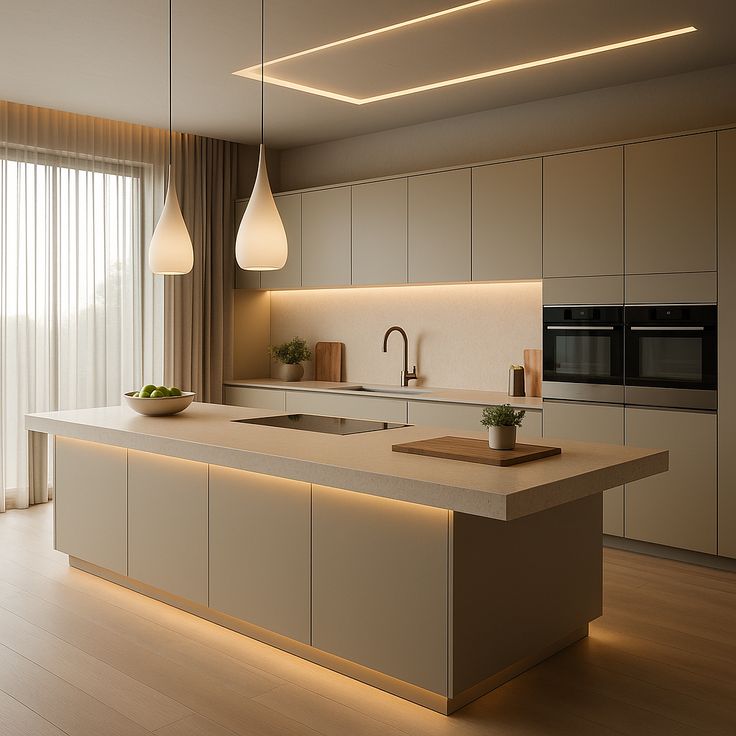
While there is no one-size-fits-all solution, common Kitchen Size ranges include:
Small kitchens (6–10 m²)
Ideal for apartments and townhouses
Medium kitchens (10–15 m²)
Suitable for most family homes
Large kitchens (15–25+ m²)
Common in villas and luxury residences
These measurements should include cabinet depth, appliance clearance, and circulation space—not just floor area.
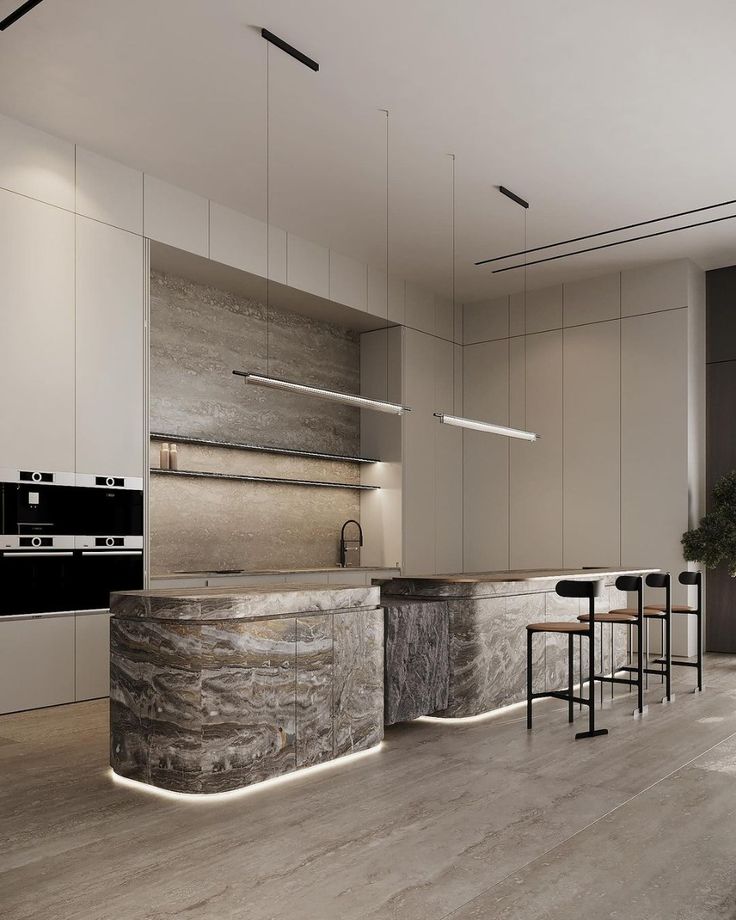
L-Shaped Kitchens
Efficient for small to medium spaces, L-shaped layouts maximize corner storage and allow open circulation.
U-Shaped Kitchens
Require more space but offer excellent workflow and storage capacity, best for medium to large kitchens.
Galley Kitchens
Perfect for compact homes, galley layouts prioritize efficiency in limited kitchen sizes.
Open-Plan Kitchens
Popular in Sydney renovations, open kitchens require careful size planning to avoid dominating living spaces.
Storage needs often dictate the final Kitchen Size. Consider:
Tall pantry cabinets vs wall cabinets
Drawer-based base cabinets for better access
Appliance housing (ovens, fridges, dishwashers)
Island storage capacity
A slightly larger kitchen can significantly improve organization and reduce clutter long term.
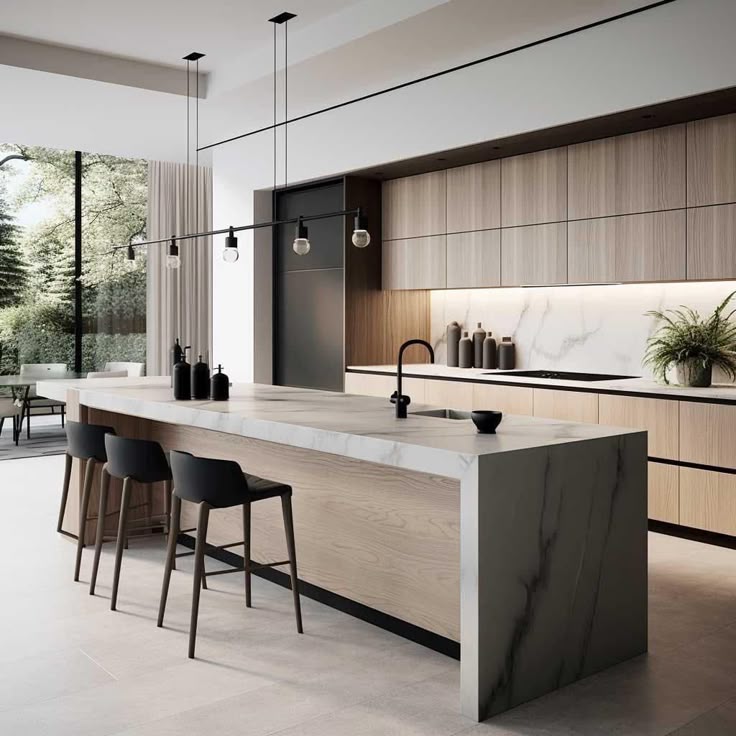
Kitchen islands are common in Sydney homes but must match the overall Kitchen Size.
General guidelines:
Minimum clearance: 1000–1200mm around the island
Small kitchens: compact or peninsula-style islands
Large kitchens: multi-functional islands for prep, dining, and storage
Poorly sized islands restrict movement and reduce usability.
Your daily habits should influence your Kitchen Size:
Frequent cooking → more bench space
Family households → larger storage and prep zones
Entertaining → open layout with island seating
Rental or investment properties → efficient, cost-controlled sizing
Designing for real use is more important than following trends alone.
Oversized kitchens with poor workflow
Insufficient clearance between cabinets and appliances
Ignoring appliance door swing and walkways
Underestimating storage needs
A professional kitchen designer can optimize space without unnecessary square meters.
Choosing the right Kitchen Size is about balance—not simply making it bigger. For Sydney homes in 2026, the ideal kitchen size supports daily routines, complements the home layout, and enhances long-term value. By considering layout, storage, lifestyle, and future flexibility, homeowners can create kitchens that feel spacious, functional, and timeless.
1. What is the ideal kitchen size for a Sydney family home?
Most family homes work well with a kitchen size between 10–15 m², depending on layout and storage needs.
2. Can a small kitchen still be functional?
Yes. With smart layouts, vertical storage, and efficient appliances, small kitchen sizes can be highly functional.
3. How much space do I need for a kitchen island?
You need at least 1000mm clearance around the island. Larger kitchens allow more flexibility in island size and seating.
4. Does a bigger kitchen increase property value in Sydney?
A well-designed kitchen size can improve resale value, but poor layout or wasted space may reduce appeal.
5. Should kitchen size change for apartments vs houses?
Yes. Apartments benefit from compact, efficient kitchen sizes, while houses allow larger layouts and islands.
6. Can I change kitchen size during renovation?
In many cases, yes—especially in open-plan renovations. Structural walls, plumbing, and ventilation must be considered.
7. What is the minimum kitchen size allowed in Sydney homes?
There is no single legal minimum kitchen size in Sydney, but practical designs usually start from 6–7 m². Below this, storage, appliance clearance, and safe circulation become difficult. For apartments, efficient layouts are more important than total size.
8. How does kitchen size affect renovation costs?
Kitchen size directly impacts renovation cost. Larger kitchens require more cabinetry, benchtop material, lighting, and labor. However, a well-planned medium kitchen size often delivers better value than an oversized kitchen with wasted space.
9. Should the kitchen size match the dining and living areas?
Yes. In open-plan homes, kitchen size should feel proportionate to adjacent spaces. An oversized kitchen can overwhelm the living area, while an undersized kitchen may feel disconnected and impractical.
10. Is it better to expand kitchen size or improve layout?
Improving layout is often more effective than increasing kitchen size. Smart zoning, better storage design, and efficient appliance placement can dramatically improve usability without structural changes.