FAQ:
1. What is a built-in kitchen and why is it so popular in 2025?
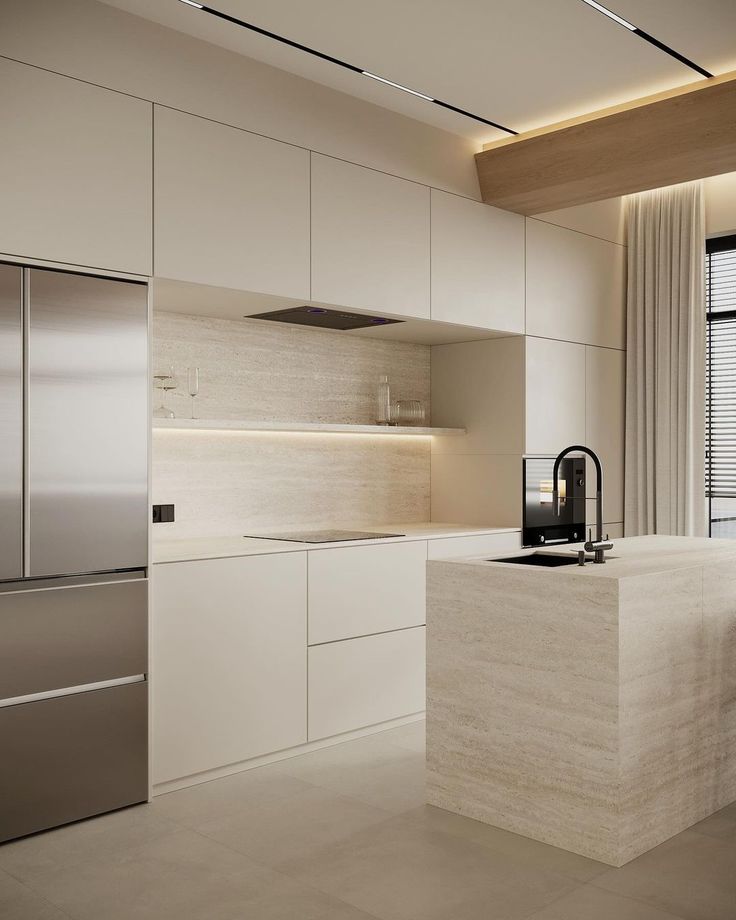
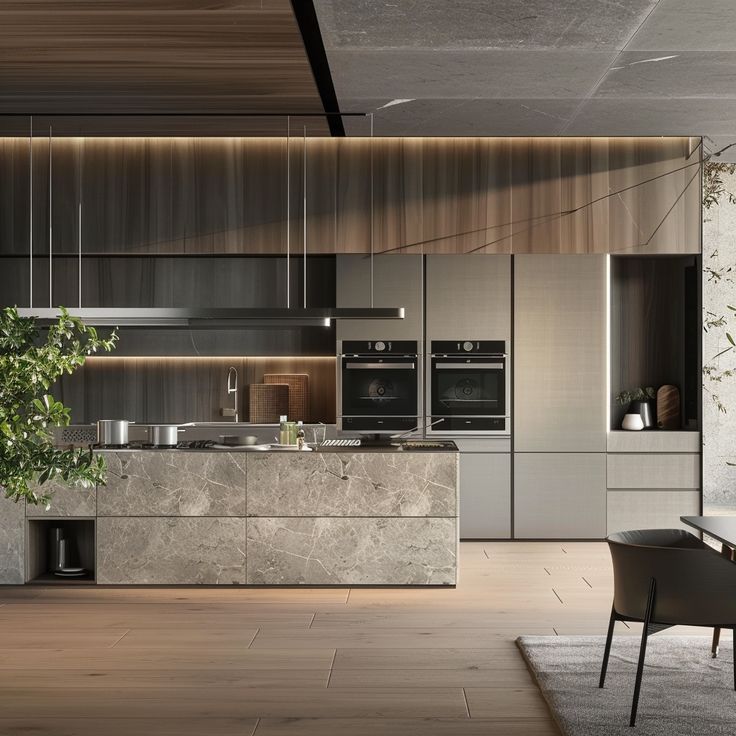
A built-in kitchen uses fixed, integrated cabinetry and appliances designed as one continuous system—no random gaps, freestanding units, or visual clutter. In 2025 it’s popular because it:
Maximizes every centimeter of space
Looks clean, seamless, and modern
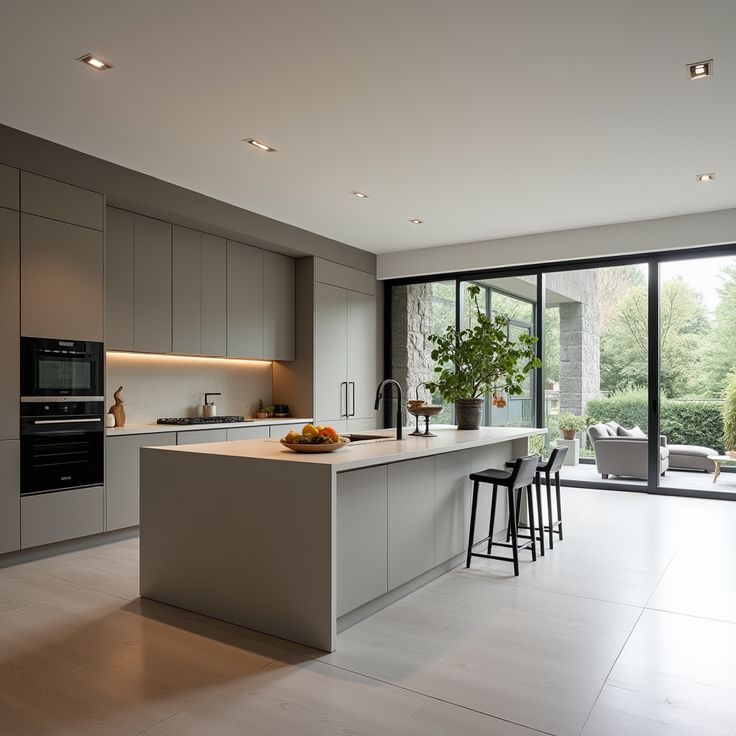
Works perfectly for open-plan living and compact apartments
2. What are the key built-in kitchen trends in 2025?
Some of the biggest 2025 trends include:
Fully integrated appliances (fridges, dishwashers, ovens hidden behind panels)
Floor-to-ceiling storage walls instead of scattered cabinets
Hidden pantries and pocket-door “work centers”
Slim, slab fronts with matte or anti-fingerprint finishes
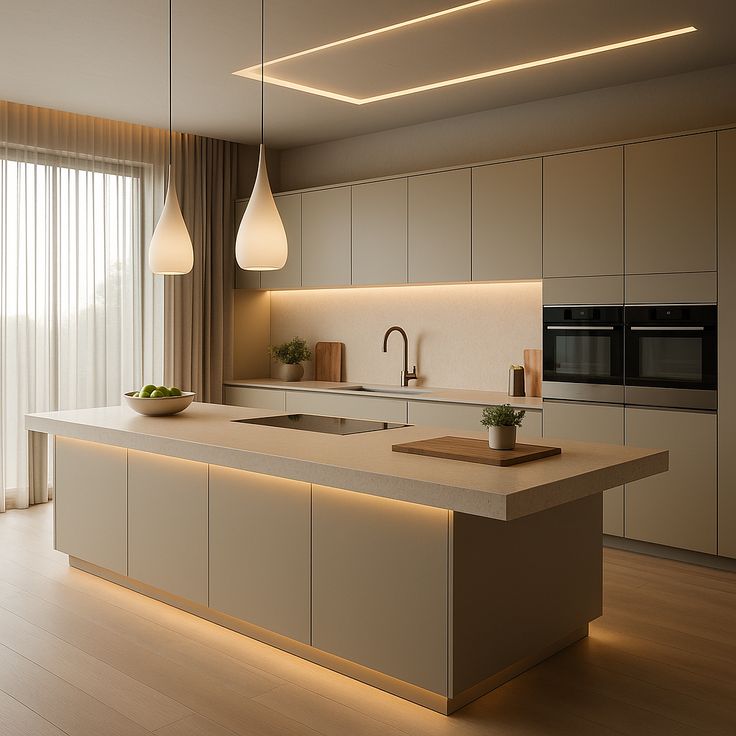
Smart lighting integrated into cabinets, shelves, and toe kicks
3. How do built-in kitchens help with organization and storage?
Built-in systems allow you to:
Create deep drawers for pots, pans, and plates
Add pull-out pantries and tall larders
Use corner solutions and slim spice pull-outs
Design appliance garages for coffee makers, toasters, and mixers
Everything has a dedicated spot, which keeps worktops clear and the kitchen easy to maintain.
4. What cabinet styles and finishes work best for built-in kitchen designs?
In 2025, popular choices are:
Flat / slab doors for a minimal, architectural look
Matte PET, lacquer, or laminate with anti-fingerprint technology
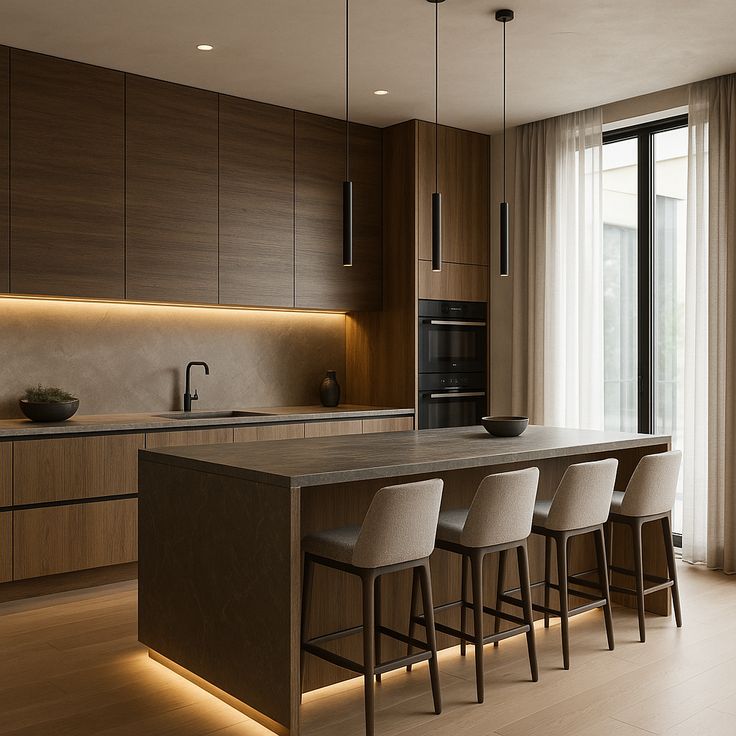
Warm wood veneers combined with white, beige, or greige
Handleless or slim-handle designs that keep lines clean
These finishes let the built-in kitchen blend with the living room, especially in open-plan homes.
5. How can I make a built-in kitchen look more like furniture?
To create a “furniture-like” built-in kitchen:
Extend cabinets to the ceiling for a solid, custom look
Use paneling around fridges and tall units
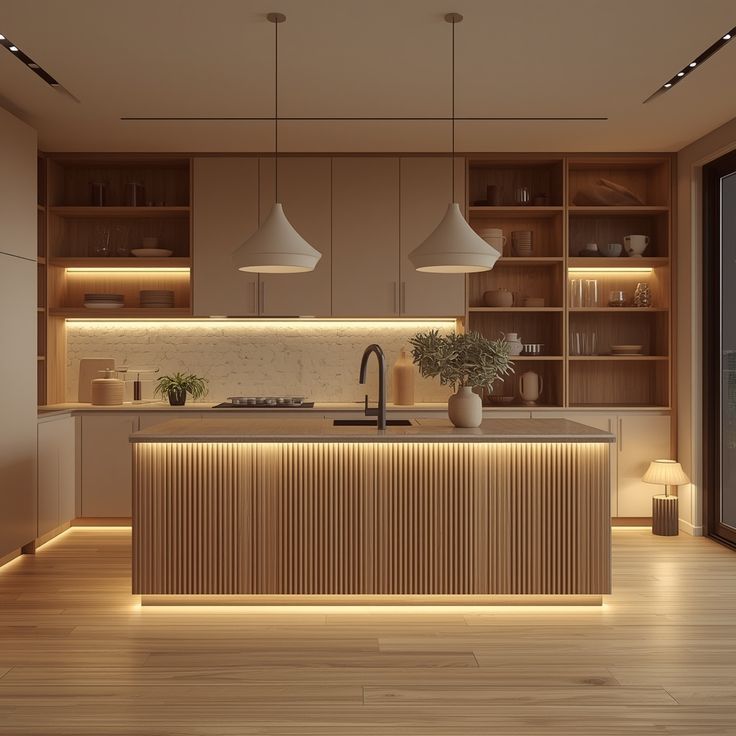
Add open niches or display shelves in the same material
Align cabinet lines with doors, windows, or TV walls nearby
This turns your built-in kitchen into a cohesive part of the whole interior, not just a functional corner.
6. Are built-in kitchens more expensive than standard modular kitchens?
They don’t have to be, but costs can be higher due to:
More custom sizing and detailing
Integration of appliances and panels
Higher-quality finishes and hardware (because everything is so visible)
However, built-in kitchen ideas also increase storage and perceived value, which many homeowners and developers see as a smart investment.
7. How do I keep a built-in kitchen flexible for future changes?
Even in a built-in design, you can keep flexibility by:
Using standard cabinet modules behind continuous panels
Planning for appliance upgrades with common sizes
Keeping some open shelving or changeable elements (handles, lighting, bar stools)
This way, the main structure remains solid, while smaller elements can be refreshed over time.
8. What lighting ideas work best with built-in kitchens in 2025?
Smart lighting is one of the most important “built-in kitchen ideas” now:
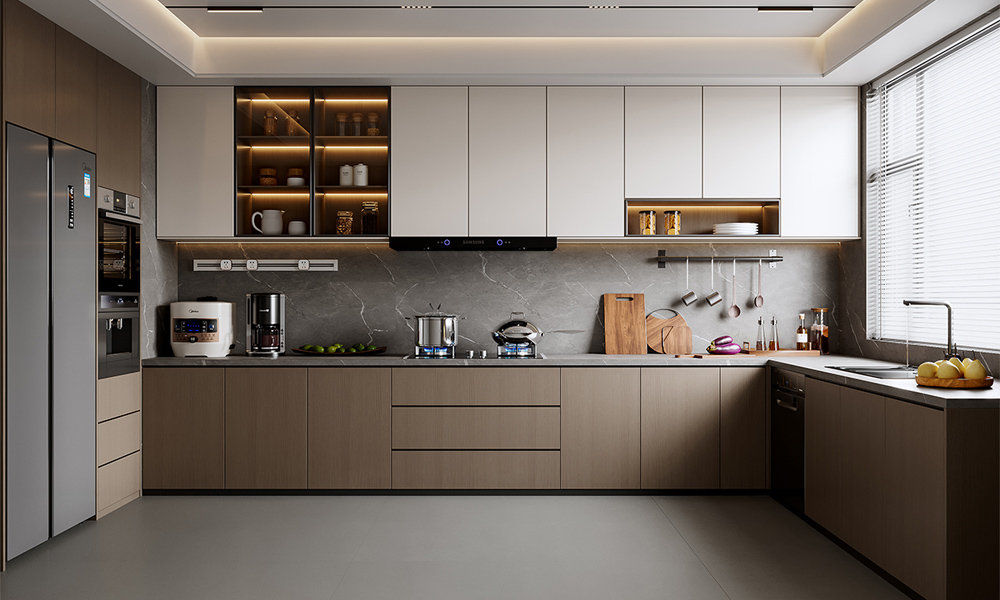
Under-cabinet LEDs for task lighting
Recessed or track lights for general illumination
LED strips inside tall cabinets and glass units
Toe-kick lighting to create a floating effect at night
Layered, dimmable lighting lets you switch from bright cooking mode to cozy evening mood instantly.
9. How do built-in kitchens support smart home technology?
2025 built-in kitchens often integrate:
Smart ovens and dishwashers controllable via app
Induction cooktops with safety locks and automatic functions
Built-in charging drawers and hidden power sockets
Voice or app-controlled lighting scenes
Smart design plus tech makes daily cooking more convenient, especially in busy households.
10. How can AIS help me design a built-in kitchen for my 2025 project?
AIS can support you by:
Analyzing your floor plan, lifestyle, and target market
Proposing built-in kitchen layouts with integrated appliances and storage walls
Providing 2D drawings and 3D renderings so you can see every detail before production
Offering custom cabinet systems for single homes, villas, townhouses, or large apartment projects
This ensures your built-in kitchen not only follows the smart design trends of 2025, but also works perfectly in real daily use.