Total Cabinetry And Joinery Solution
ENG

Search
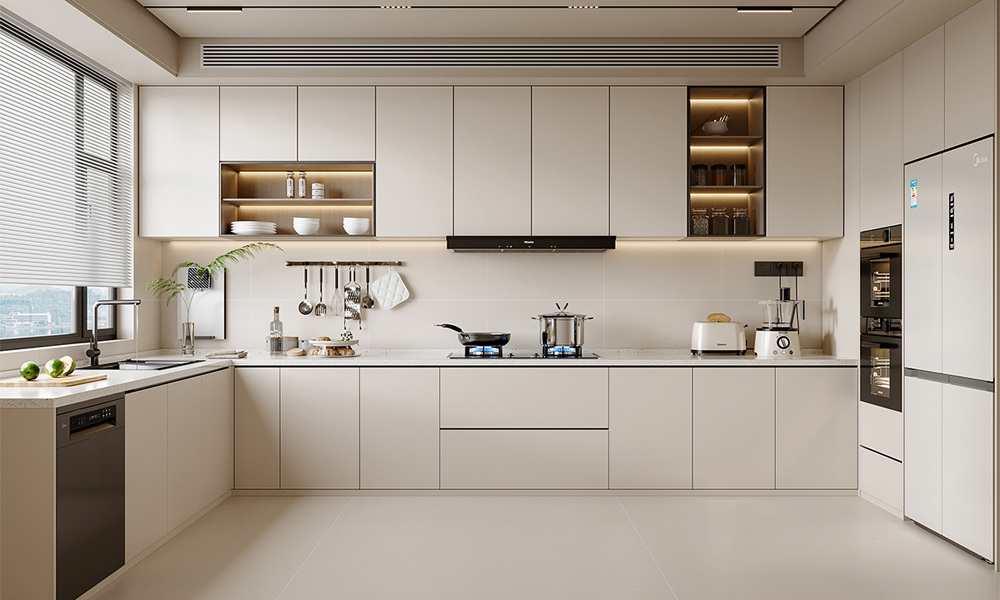
Cabinet handles and knobs may seem like small details, but they significantly affect the functionality and style of your kitchen. Choosing the right hardware can elevate the entire space, complementing both cabinet design and overall kitchen aesthetics.
Handles, knobs, and pulls are more than just functional accessories for opening doors and drawers—they significantly influence the overall style, comfort, and user experience of a kitchen. Hardware plays a crucial role in tying the design together, enhancing both aesthetics and usability. Even the most beautifully designed cabinets can feel incomplete or lower in value if paired with poorly chosen hardware. Conversely, thoughtfully selected handles or knobs can elevate standard or budget-friendly cabinetry, giving it a custom-made and premium appearance.
High-quality hardware also improves durability and everyday functionality. Ergonomically designed handles make opening drawers smoother and more comfortable, especially in high-use areas like cutlery drawers and pantry units. Materials such as brushed brass, matte black aluminum, or stainless steel not only complement different kitchen themes—from modern minimalist to classic shaker—but also offer longevity and resistance to scratches and wear.
In short, hardware acts as the “jewelry” of the kitchen: a small detail that makes a big visual and practical impact. Choosing the right size, finish, and style can transform the entire space, making your kitchen feel cohesive, upscale, and enjoyable to use every day.
1、Pulls (Handles): Long, modern, often used for drawers or tall cabinets.
2、Knobs: Small, round, more common for doors.
3、Edge Pulls: Hidden or built-in, perfect for minimalist kitchens.
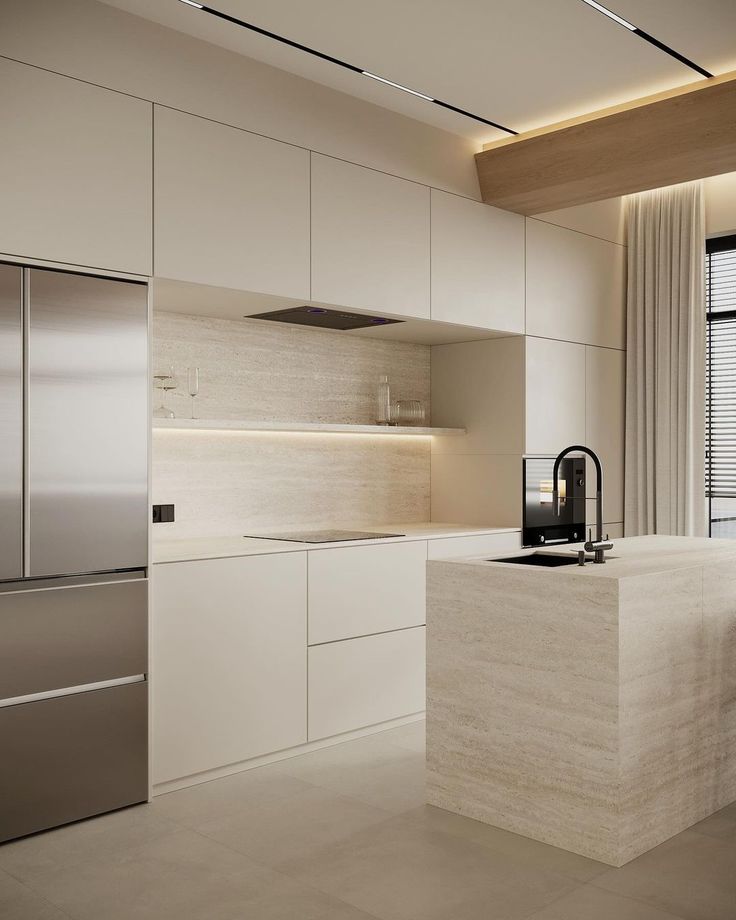
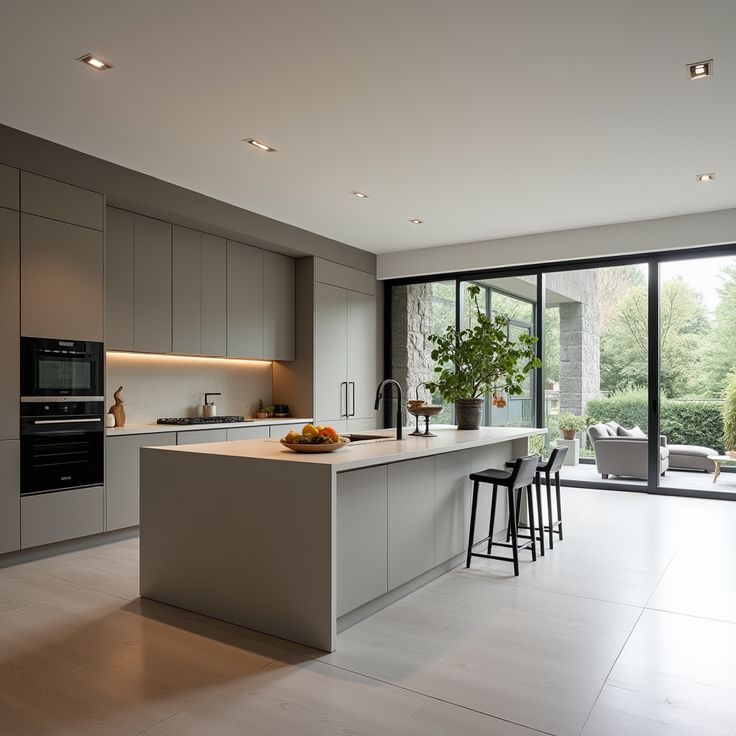
4、Finger Grooves or Touch-to-Open: No hardware look, popular in modern European kitchens.
Your handle or knob should match your kitchen theme:
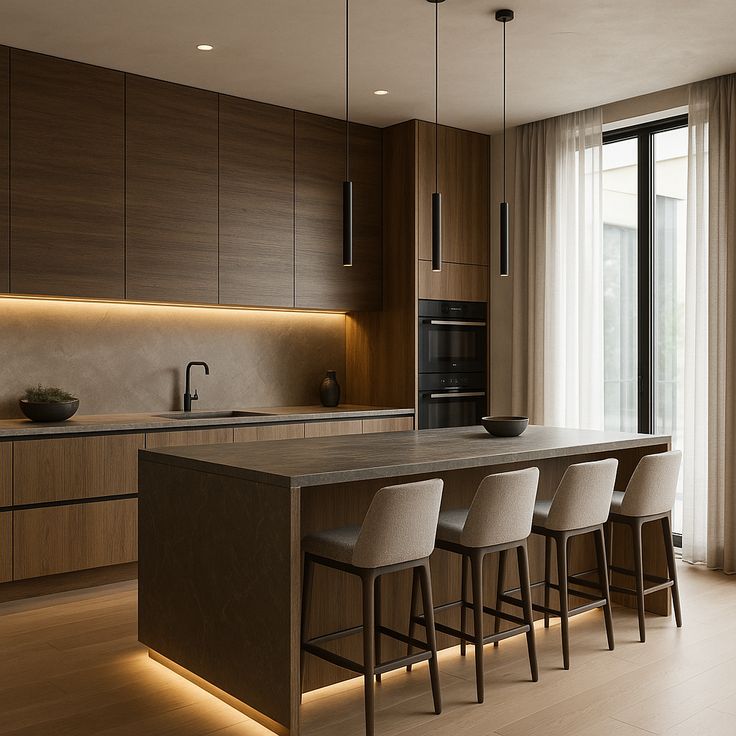
1、Modern Kitchen: Sleek linear handles in matte black, brushed brass, or stainless steel
2、Transitional: Mix of contemporary shapes with classic finishes like antique bronze
3、Scandinavian/Nordic: Minimalist edge pulls or wooden knobs
4、Farmhouse Style: Rounded knobs in bronze, or vintage cup pulls
Materials: Stainless steel, aluminum, zinc alloy, brass, wood, ceramic
Finishes: Matte black, brushed nickel, chrome, antique bronze, gold, white lacquer
Match your hardware finish with faucet, lighting, or appliances for a cohesive look.
Correct placement of cabinet hardware is essential for both aesthetics and daily comfort. Even premium hardware can look unbalanced—or feel awkward to use—if it’s installed incorrectly. Here are key guidelines for achieving a professional finish:
1、Pulls on Drawers – Horizontal & Centered
Drawer pulls should typically be installed horizontally in the center of the drawer front for a balanced look. For large or deep drawers (e.g., pot drawers), longer pulls or two smaller pulls may be used to improve functionality and style symmetry.
2、Pulls on Doors – Vertical Placement
For cabinet doors, pulls are usually installed vertically and aligned along the opening edge. Upper cabinet pulls are placed at the bottom corner, while lower cabinet pulls are positioned at the top corner for easy access.
3、Knobs – Distance from the Edge Matters
Knobs are generally installed 1–2 inches (approximately 25–50 mm) from the edge or corner of the cabinet frame. This placement provides a comfortable grip and keeps the design visually consistent.
4、Use Templates or Jigs for Consistency
To avoid uneven installation, a hardware template or drilling jig is highly recommended. These tools ensure uniform hole placement across all cabinets, which is especially important in large kitchens or projects with multiple units.
5、Test the Ergonomics First
A handle that looks aesthetically pleasing may not feel comfortable in hand. Always test grip comfort prior to installation, especially for families with children or elderly users. Consider whether the hardware interferes with hand space or catches fingerprints easily.
6、Consider Door Style & Overlay Type
Shaker, slab, and framed doors may require slightly adjusted positioning for visual balance. Likewise, inset and full-overlay doors can change how much space is available for comfortable grip.
AIS offers a full range of modern and customizable kitchen hardware:
1、Soft-touch matte finishes
2、Anti-fingerprint stainless steel options
3、Matching handles & knobs sets for seamless design
4、Custom lengths or branded logo handles for developers and villa projects
We also offer hardware integration advice for our cabinet projects.

Don’t overlook your kitchen hardware—it’s the finishing touch that makes a big impact. With the right selection of handles and knobs, you can elevate your space’s look and feel while enhancing usability. AIS is here to help you customize every detail.
1. Why are cabinet handles and knobs so important in kitchen design?
Cabinet handles and knobs are the “jewelry” of your kitchen. They affect how the cabinets look and how they feel to use every day. The right handles can make a simple door style look more modern, classic, or luxury, and can even improve comfort and ergonomics.
2. How do I choose the right style of cabinet handles for my kitchen?
Start from your overall kitchen style:
Modern / minimalist: sleek bar pulls, thin edge pulls, or hidden finger pulls.
Transitional: simple, slightly rounded bar handles or classic T-knobs.
Traditional / farmhouse: cup pulls, decorative knobs, or more detailed bar pulls.
Your cabinet handles should support the door style, not fight it.
3. Should I use handles, knobs, or a mix of both?
All three options work:
Only handles – very practical and modern, especially for wide drawers.
Only knobs – simple, classic look, best for lighter doors and small kitchens.
Mix of handles and knobs – a popular choice: knobs on doors, handles on drawers.
Mixing can make cabinet handles more ergonomic where you pull more weight (drawers) and keep a softer look elsewhere.
4. What size cabinet handles should I choose?
As a general rule:
Small doors: 96–128 mm (3.75–5 in) center-to-center handles
Larger doors & standard drawers: 128–160 mm (5–6.3 in)
Wide drawers (900–1200 mm / 36–48 in): 192–320 mm (7.5–12 in)
Longer cabinet handles give a more modern, linear look and are easier to grab on large drawers.
5. Which finishes for cabinet handles are most popular and practical?
Common, versatile finishes include:
Brushed nickel / stainless steel – timeless, easy to match with appliances.
Matte black – modern and bold, works well with white or wood cabinets.
Brushed brass / gold – warm and luxurious, great for contemporary or classic kitchens.
Chrome – bright and reflective, good for very modern or retro styles.
Choose a finish that works with your faucet, sink, and lighting, not just the cabinets.
6. How do I match cabinet handles with appliances and fixtures?
You don’t need a perfect match, but you want coordination:
If your appliances are stainless, brushed nickel or stainless cabinet handles are a safe choice.
If you have a black faucet or black-framed windows, matte black handles tie everything together.
Brass or gold handles pair nicely with warm lighting and warm-toned fixtures.
7. Are long bar pulls or small knobs better for everyday use?
Long bar pulls: easier to grab, especially on heavy drawers; great for people with joint or grip issues.
Knobs: simple and compact, but can be less comfortable on very large drawers.
For heavy pots-and-pans drawers, long cabinet handles are usually more comfortable and practical.
8. How should I place and align cabinet handles and knobs?
Typical placements:
On doors:
Handles: vertical on the opening edge, or horizontal near the bottom/top rail.
Knobs: about 5–7 cm (2–3 in) from the corner.
On drawers:
One centered handle for smaller drawers.
For very wide drawers, one long handle or two smaller handles.
Consistent alignment of cabinet handles creates a clean, professional look.
9. What materials are best for cabinet handles in a busy kitchen?
Look for solid metal (zinc alloy, stainless, brass) or high-quality aluminum. These:
Feel more substantial
Hold up better to daily use
Clean more easily
Avoid very cheap hollow handles that can bend, crack, or peel over time.
10. How do I choose cabinet handles that are easy to clean?
If low maintenance is important:
Avoid overly detailed or ornate designs that trap grease and dust.
Choose smooth cabinet handles with simple lines and no tiny grooves.
Matte or brushed finishes show fewer fingerprints than polished ones.
This is especially important for households that cook often.
11. Can changing cabinet handles refresh an old kitchen?
Yes. Swapping out old hardware for new cabinet handles and knobs is one of the fastest, cheapest ways to update a kitchen:
Replace dated, shiny brass with matte black or brushed nickel.
Install longer bar pulls for a more contemporary feel.
Combine the change with a new faucet or lighting to transform the overall look.
12. How many extra cabinet handles should I order?
It’s smart to order a few extra cabinet handles (usually 5–10% more) in case of:
Damage during installation
Future repairs or replacements
Additional cabinets or modifications later
Finishes and models can be discontinued, so having spares ensures a consistent look for years.