Introduction
With the continuous evolution of home aesthetics, kitchen cabinet design has transformed from a mere functional storage solution into a key element for expressing personal style and taste. In 2025, modern kitchen cabinets are at the forefront of this transformation, combining both functionality and aesthetic appeal. Today’s cabinets are not just about storage, but are integral to creating a space that reflects a contemporary, sophisticated lifestyle. This article will provide a detailed analysis of the five most popular kitchen cabinet design styles and their corresponding scenarios in 2025, helping you create an ideal kitchen that is both fashionable and practical.
Minimalist handleless design
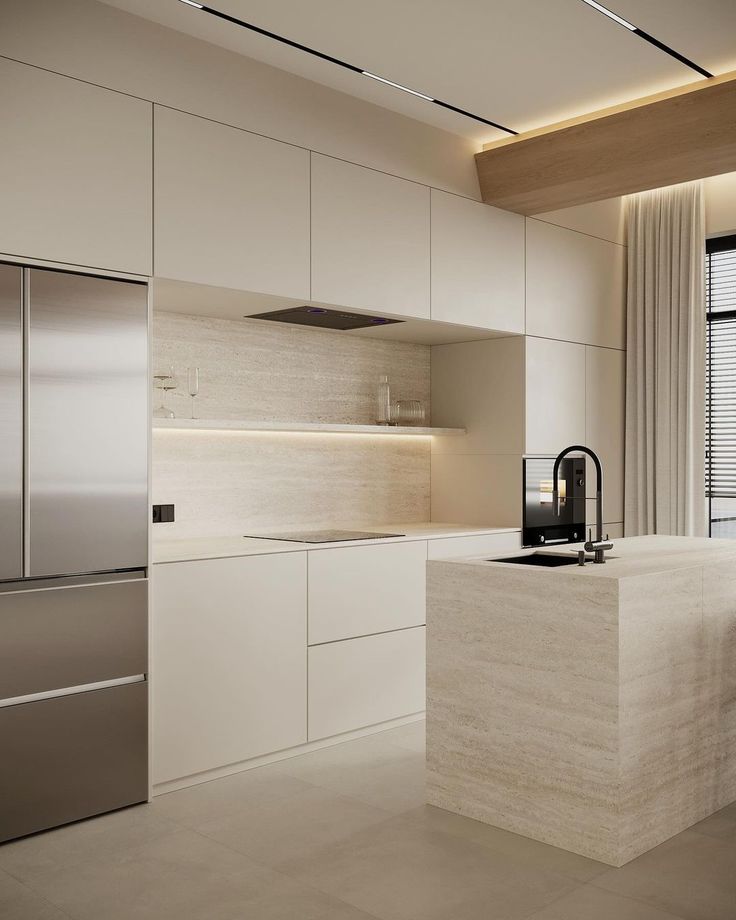
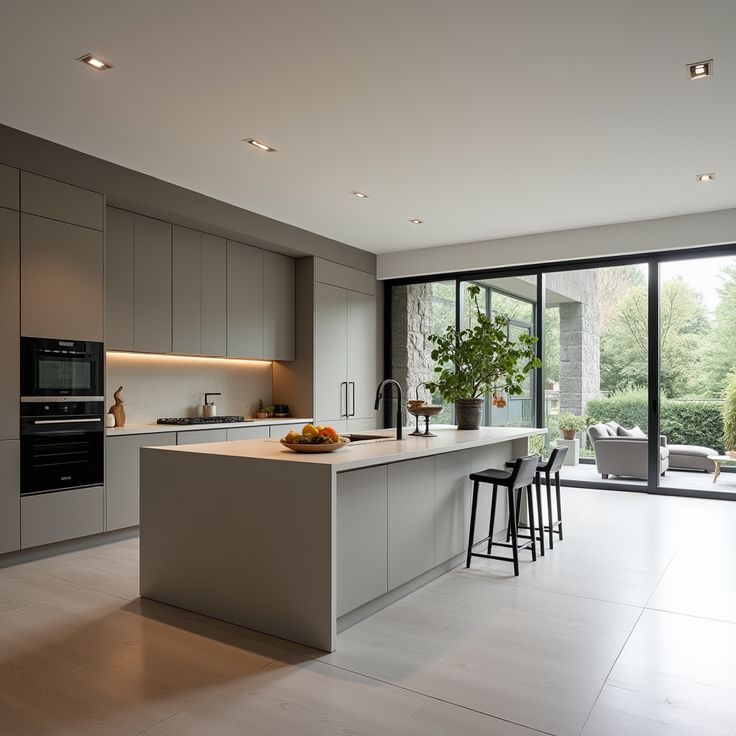
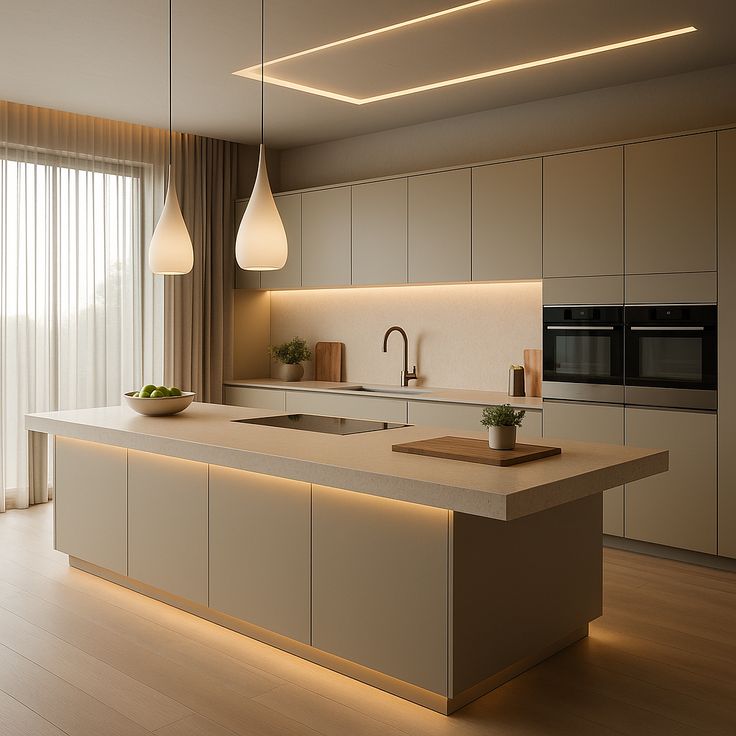
Adopting flat door panels with hidden handles or press opening systems, Kitchen cabinet design styles are now designed to offer a sleek and minimalist aesthetic. The surface treatment often utilizes high gloss PET or matte paint, providing a smooth and durable finish that enhances the overall look of the kitchen. The latest trend in kitchen cabinet design is the addition of extremely narrow metal lines (with a width not exceeding 5mm) at the edge of the cabinet doors. These fine details not only enhance the delicacy of the cabinets but also add a touch of luxury and sophistication to the kitchen, perfectly blending modern style with functionality.
Core advantages:
-Visually expanding the sense of space
-Reduce hygiene blind spots
-Perfect integration with modern home appliances
Best Adaptation:
-Small open plan kitchen (8-12 square meters)
-Urban Apartment
-Young families pursuing a minimalist lifestyle
Natural wood texture
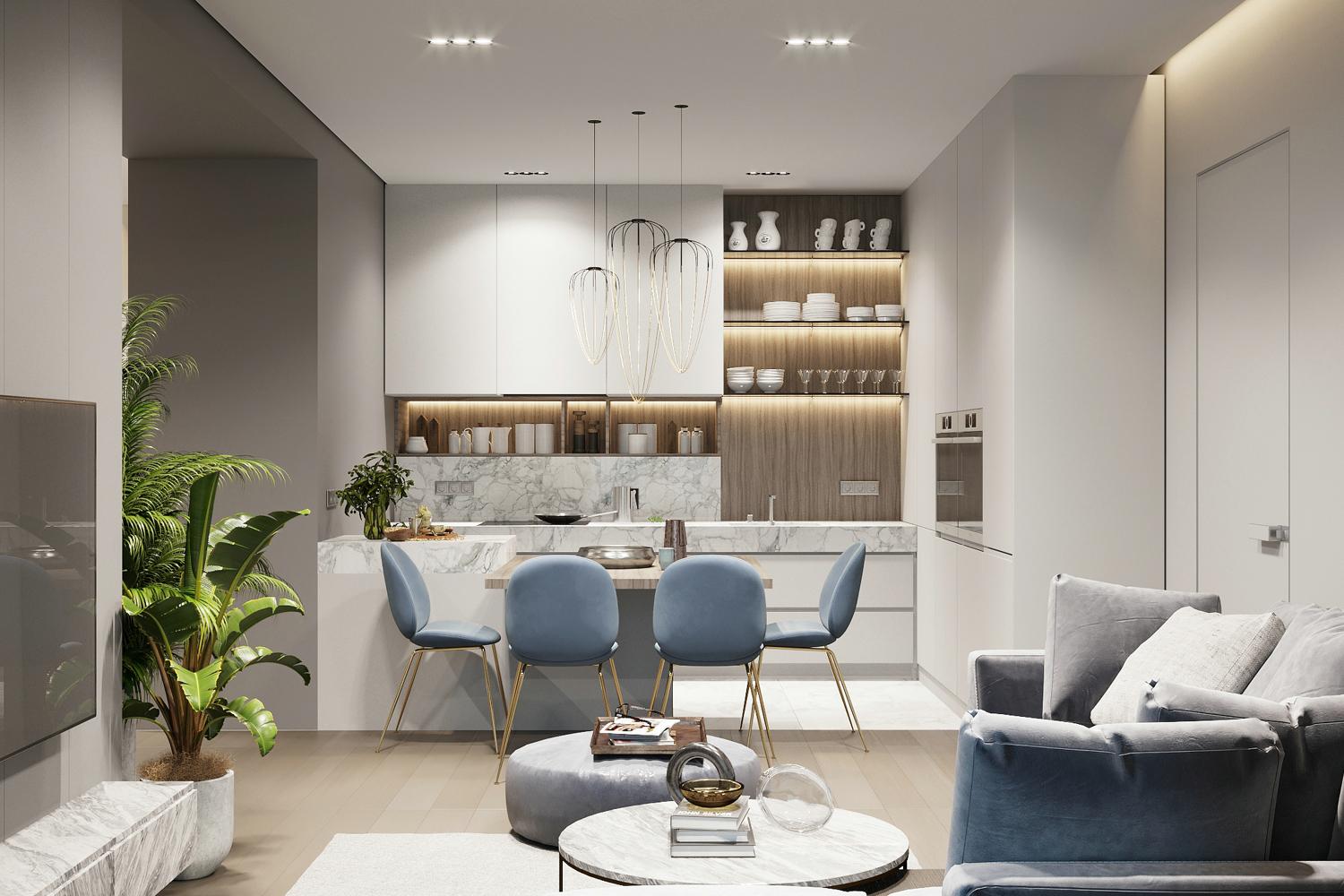
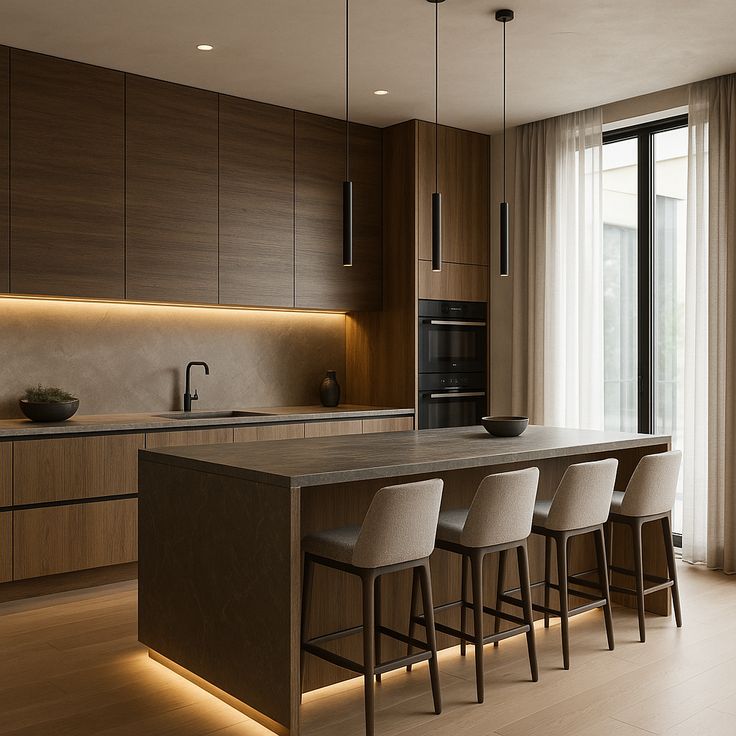
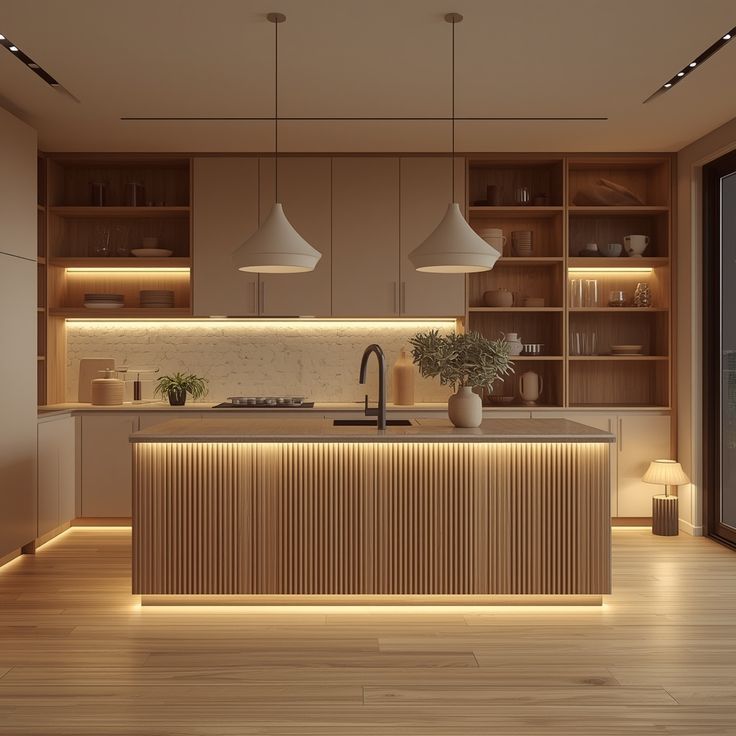
Using real wood veneer or high fidelity digital printing technology, common textures such as oak and walnut wood are used. The latest kitchen cabinet design Styles combines wood grain with solid color door panels to create material contrast.
Core advantages:
-Create a warm atmosphere
-The ice cold feeling of neutralizing modern materials
-The timeless classic beauty
Best Adaptation:
-A kitchen with insufficient lighting
-A space that enjoys family activities such as baking
-Open dining area connected to the living room
LOFT Style
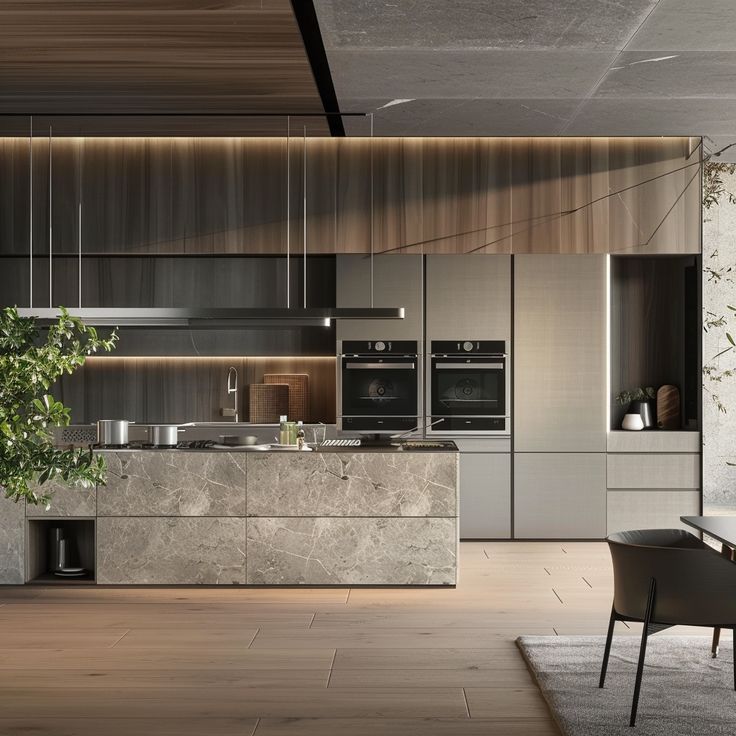
Bare metal frame structure (often black or bronze) paired with glass door panels or open shelves. The latest variant is a special rusting treatment on the metal surface.
Core advantages:
-Distinctive personality
-Easy to display exquisite tableware
-Stable and durable structure
Best Adaptation:
-Large flat or villa kitchen
-Residence for art enthusiasts
-The overall space of industrial style decoration
High contrast contrasting color design
Adopting bold contrasting color combinations, such as dark green paired with light gray or deep blue with champagne gold, modern kitchen cabinets are embracing a new era of design innovation.The latest kitchen cabinet design styles trend is to use different colors on the kitchen island, creating a visual focus that draws attention and adds character to the room. This approach not only enhances the aesthetic appeal of the kitchen cabinet layout but also adds a unique, personalized touch to the heart of your home.
Core advantages:
-Enhance the vitality of the space
-Define functional zoning
-Show personal taste
Best Adaptation:
-Traditional kitchens that need to enhance visual highlights
-Family of art practitioners
-A renovation project that pursues uniqueness
Intelligent integrated design
Integrating technological elements into kitchen cabinets has become a key trend in modern home design. Features such as intelligent lighting, electric lifting cabinets, and induction switches are transforming kitchens into smart, functional spaces. These advancements not only enhance convenience but also elevate the overall experience of using the kitchen. The latest developments include wireless charging areas integrated into the countertops, allowing you to charge devices while cooking, and intelligent temperature-controlled wine cabinets, perfect for preserving your wine collection at the ideal temperature. These innovations in kitchen cabinets make kitchens not only more efficient but also more connected and user-friendly.
Core advantages:
-Convenient and efficient operation
-Enhance cooking experience
-Energy conservation and environmental protection
Best Adaptation:
-High tech residential buildings
-Elderly friendly kitchen
-Smart home system integration space
Case reference: Hidden electric drawer+touch panel+integrated lighting system
Conclusion
Priority given to space size:
For small spaces, choose light colored minimalist styles, while for large spaces, try mixing and matching
Lifestyle matching:
Families who cook frequently prioritize practicality, while those who cook less may focus on aesthetics
Overall style continuation:
Maintain coordination with the living room decoration style
Reasonable budget allocation:
High end materials are used in key areas, and moderate control is implemented in secondary areas
Excellent kitchen cabinet design strikes the perfect balance between aesthetics and functionality. The trend in 2025 highlights consumers' growing focus on combining personalized expression with practicality. Whether you opt for sleek modern kitchen cabinets or a more traditional style, it’s essential that the design aligns with your lifestyle habits and the specific conditions of your kitchen space. The best kitchen cabinet design is not necessarily the most expensive, but the one that best suits your needs and enhances your daily life. Prioritize a design that blends seamlessly with your home, offering both style and functionality.
FAQs — Kitchen Cabinet Design Styles & the Ideal Home
1. Why are kitchen cabinets considered the first step in creating an ideal home?
Because cabinets define both function and style. Different Kitchen Cabinet Design Styles determine the layout, storage capacity, and visual character of one of the most used spaces in your home. Since the kitchen often connects to dining and living areas, cabinet style and configuration influence circulation, daily routines, and even resale value. Once the cabinet size, layout, and style are set, other elements—appliances, lighting, flooring, and furniture—naturally follow.
2. How does the selection of Kitchen Cabinet Design Styles affect the overall home design?
Your chosen Kitchen Cabinet Design Styles set the tone and color palette for open-plan spaces. A modern flat-panel design, a classic shaker profile, or a warm woodgrain finish all send very different messages. The right style can visually link the kitchen to the living room, dining area, and even the entryway, creating a more coherent, “ideal home” atmosphere instead of disconnected rooms.
3. How does choosing the right Kitchen Cabinet Design Styles impact storage and organization?
Beyond looks, Kitchen Cabinet Design Styles also influence how storage is structured. The mix of base units, wall cabinets, tall cabinets, and internal accessories (drawers, pull-outs, organizers) is designed around the chosen style and layout. When cabinet style and configuration are planned together, every item—spices, cutlery, appliances, cleaning tools—has its place, making the entire home feel tidier and less stressful.
4. How early should I decide on my Kitchen Cabinet Design Styles in a renovation or new build?
Decisions about Kitchen Cabinet Design Styles should happen very early—often right after the basic floor plan is confirmed. Cabinet style and layout affect plumbing routes, electrical points, ventilation, and appliance positions. Choosing them too late can cause costly redesigns or functional compromises. Treat Kitchen Cabinet Design Styles as a core planning step, not just a final decorative choice.
5. What are the most popular Kitchen Cabinet Design Styles right now?
Current popular Kitchen Cabinet Design Styles include modern flat-panel (slab) doors, classic shaker, contemporary framed designs, and warm woodgrain looks inspired by Scandinavian or Japandi interiors. Each style sends a different message: ultra-modern and minimal, cozy and classic, or relaxed and natural. The best choice is the one that matches your architecture and how you actually live in the space.
6. Can I mix different Kitchen Cabinet Design Styles in one home?
Yes. Mixing Kitchen Cabinet Design Styles can create a richer, more layered interior—as long as you keep a few constants, such as a unified color palette, repeated hardware finish, or consistent door profile. For example, you can pair a modern flat-panel island with softer shaker perimeter cabinets, or combine woodgrain bases with painted uppers for a more custom look.
7. How do materials and finishes relate to Kitchen Cabinet Design Styles?
Materials and finishes are a key part of Kitchen Cabinet Design Styles. Matte lacquers and PET surfaces often suit minimal, modern designs; satin paints and framed doors fit classic or transitional looks; while wood veneers and textured laminates emphasize natural or rustic styles. Choosing the right finish—gloss, matte, or woodgrain—helps the cabinet style communicate the mood you want for the whole home.
8. Which Kitchen Cabinet Design Styles work best for long-term resale value?
For resale, the safest Kitchen Cabinet Design Styles are usually timeless and not too extreme—such as simple shaker doors, clean flat panels in neutral colors, or light woodgrain designs. These styles appeal to a broad range of buyers and are easy to decorate around, which helps your home feel “move-in ready” instead of a niche, highly personal statement.
9. How do Kitchen Cabinet Design Styles interact with appliances and hardware?
Your appliance layout and hardware choices should support, not contradict, your Kitchen Cabinet Design Styles. Handleless or integrated pulls work best with sleek modern slabs; classic knobs and cup pulls suit shaker and traditional doors. Panel-ready fridges and dishwashers can make appliance fronts disappear into the cabinetry, creating a more seamless look that matches your chosen Kitchen Cabinet Design Styles.
10. How do I match Kitchen Cabinet Design Styles to my lifestyle?
When choosing Kitchen Cabinet Design Styles, think beyond aesthetics and consider how you use the kitchen. Busy families may prefer durable, low-maintenance finishes and simple door profiles that are easy to clean. Serious cooks might prioritize layouts with lots of drawers and tall storage regardless of style. If you entertain often, choose Kitchen Cabinet Design Styles that allow for open shelving, islands, and serving zones so the kitchen supports the way you host.