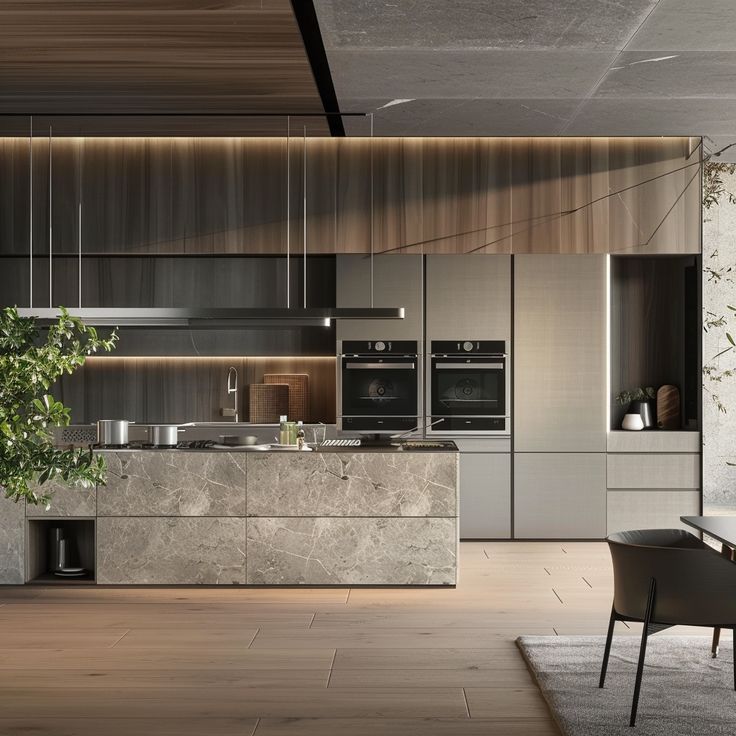
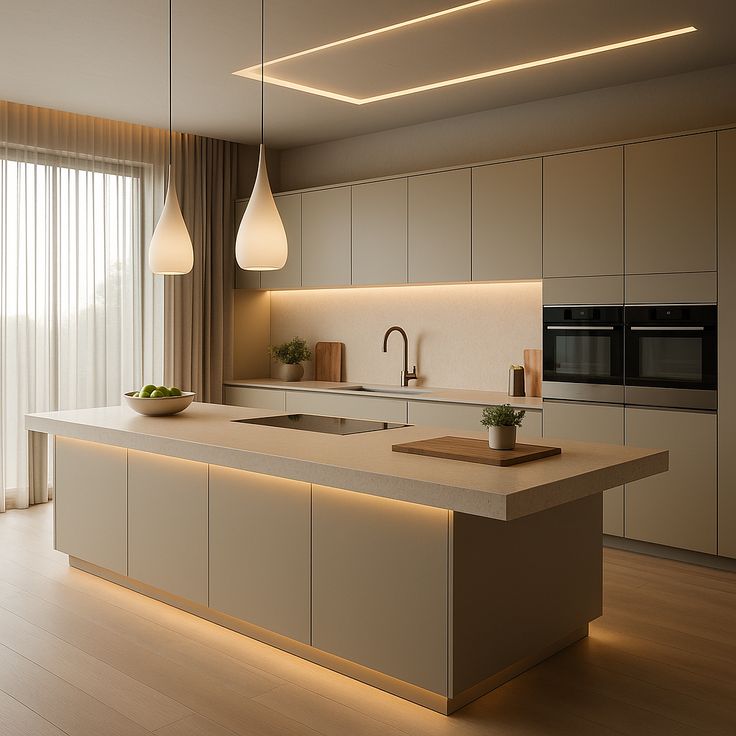
Total Cabinetry And Joinery Solution
ENG

Search
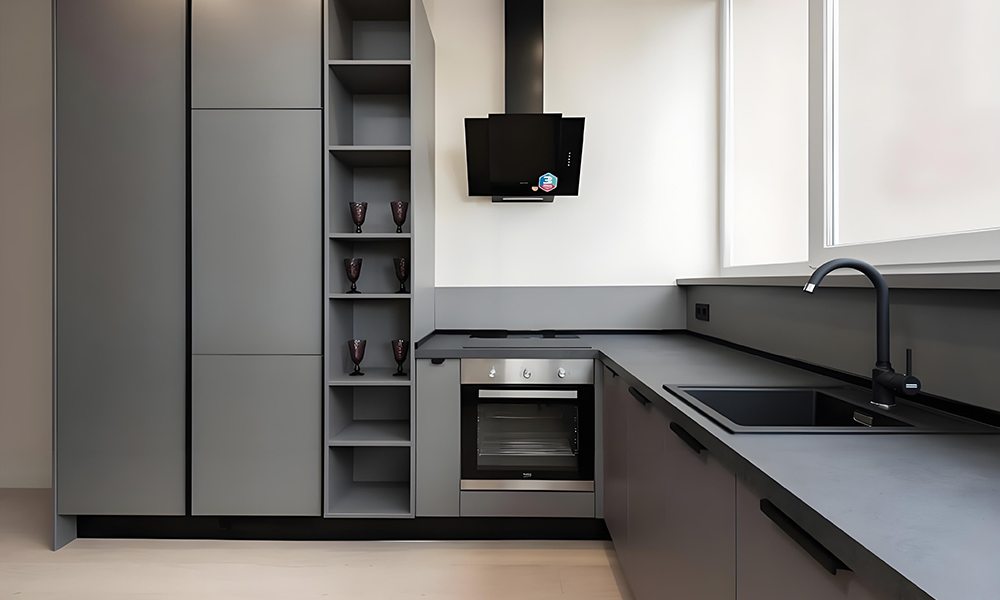
In today’s modern homes and commercial spaces, stainless steel cabinets are becoming an increasingly popular choice. Known for their durability, sleek style, and easy maintenance, stainless steel has moved from industrial kitchens into residential spaces. But are stainless steel cabinets the right choice for your project? In this article, we’ll explore their pros, cons, and best applications to help you make an informed decision.
Stainless steel cabinets are built from high-quality steel sheets, often combined with reinforced frames. Unlike wood or engineered board materials, they are naturally resistant to moisture, heat, and pests. This makes them especially appealing for kitchens in humid climates, coastal areas, or high-traffic spaces.
1、Exceptional Durability
Stainless steel is known for its impressive strength and long lifespan. It resists rust, corrosion, water damage, and insect attacks—unlike wood cabinets, which may swell, crack, or rot when exposed to humidity or pests. This makes stainless steel ideal for kitchens in tropical, coastal, or high-traffic areas where durability is a must.
2、Sleek, Modern, and Luxury Appeal
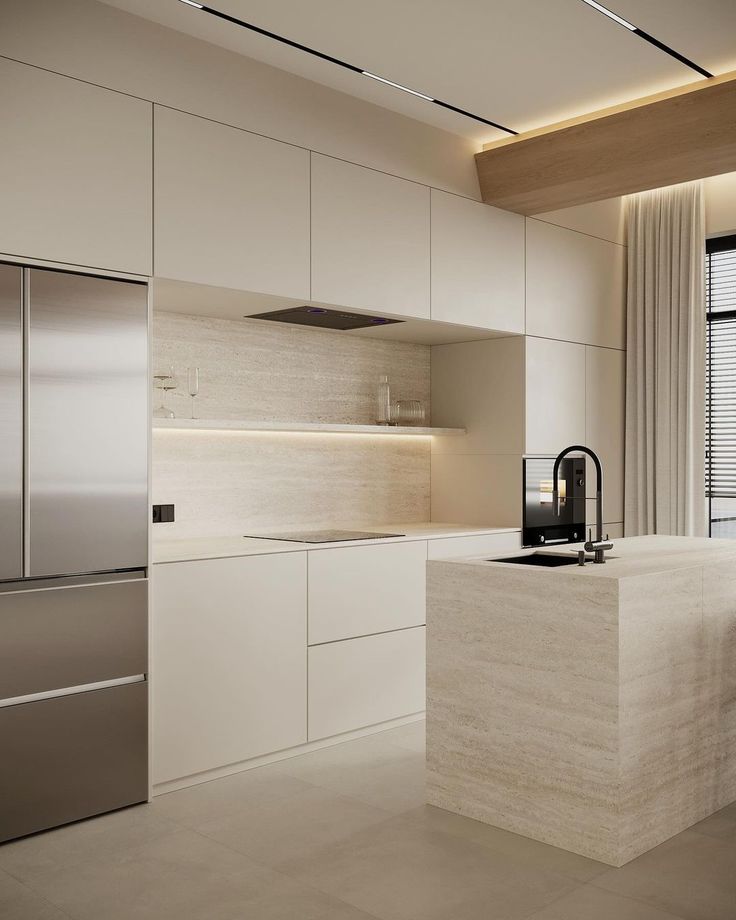
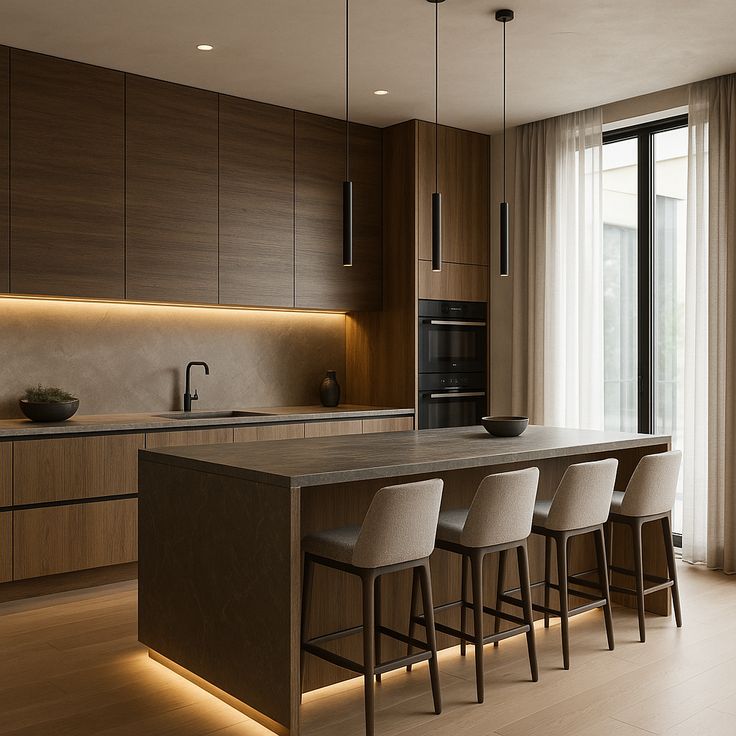
The clean, metallic surface of stainless steel cabinets brings a refined, modern aesthetic that aligns perfectly with industrial, minimalist, and ultra-contemporary kitchen designs. When paired with materials like marble, quartz, or glass backsplashes, it creates a high-end, professional-style kitchen often seen in designer homes and luxury apartments.
3、Highly Hygienic & Easy to Maintain
Stainless steel has a non-porous surface, meaning it does not absorb liquids, oil, or bacteria. This makes it extremely hygienic and food-safe—one of the main reasons it is widely used in professional commercial kitchens. Cleaning is effortless—a quick wipe with a damp cloth or mild cleaner keeps it spotless and shiny.
4、Fire, Heat & Impact Resistant
Compared to wood-based cabinets, stainless steel does not burn, char, or deform under high temperatures, offering greater safety near stovetops or ovens. It also withstands daily wear and tear, making it suitable for heavy-use kitchens in both residential and commercial settings.
5、Environmentally Friendly & Recyclable
Stainless steel is a sustainable option as it is 100% recyclable without loss of quality. Many stainless steel cabinets are made from recycled materials, and once they reach the end of their service life, they can be reused again—making them a responsible choice for eco-conscious homeowners and green-certified projects.
1、Higher Cost
Stainless steel cabinets are typically more expensive than those made from particle board, plywood, or MDF, especially when using premium grades such as 304 or 316 stainless steel. Custom fabrication, anti-fingerprint finishes, and noise-reduction designs can further increase the overall investment, making them less common in budget-conscious home renovations or entry-level projects.
2、Visible Fingerprints and Smudges
High-gloss stainless steel surfaces can easily show fingerprints, smudges, and watermarks, which may require frequent cleaning to maintain a spotless appearance. However, many modern stainless steel cabinets now include fingerprint-resistant brushed finishes or nano-coating technologies to reduce this issue significantly.
3、Noise Factor
Without proper soft-closing hinges or internal padding, stainless steel doors and drawers may produce louder metal-on-metal sounds when closing compared to wooden cabinets. Premium models often incorporate silent-closing hardware, sound-dampening materials, or thicker panel construction to improve acoustic comfort.
4、Limited Color Options
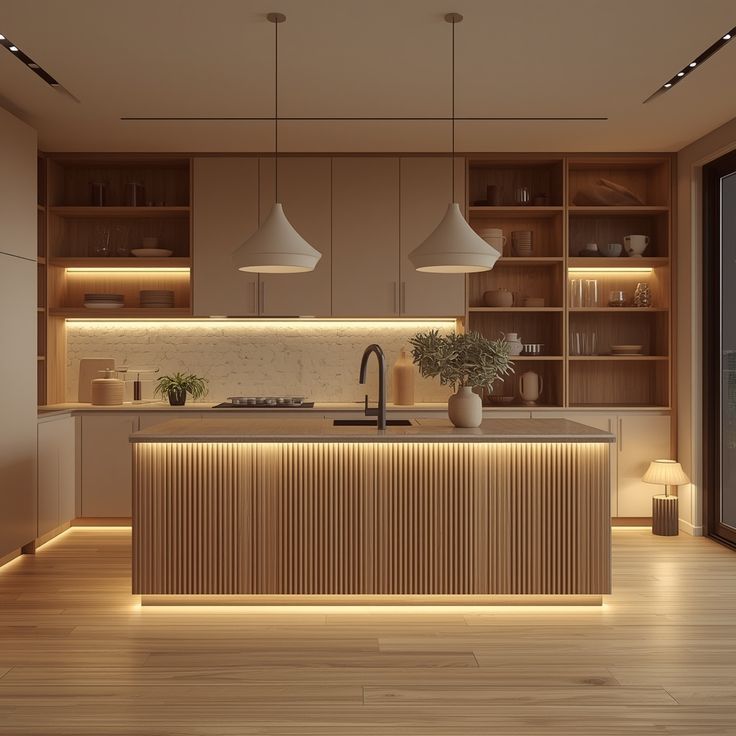
Unlike wood cabinets that can be painted, veneered, or laminated in various colors and textures, stainless steel cabinetry is generally limited to metallic finishes in silver or brushed tones. This cooler aesthetic may not suit homeowners who prefer warm, natural wood tones or colorful kitchen themes, unless combined with other materials such as wood, glass, or stone for a mixed-style design.
Stainless steel cabinets are becoming increasingly popular beyond commercial environments thanks to their durability, modern appearance, and superior resistance to moisture and heat. Here are the best use cases in detail:
1、Modern Homes
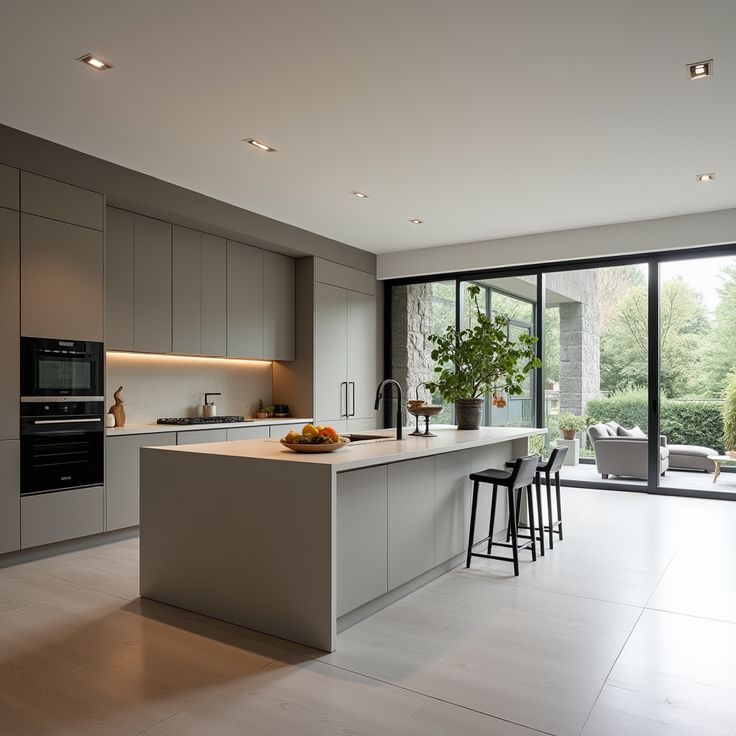
Stainless steel suits minimalist, industrial, and luxury contemporary interiors. Its sleek, reflective surface complements dark stone, concrete textures, and matte finishes. When paired with LED lighting or glass elements, it gives kitchens a futuristic, high-end feel.
2、Coastal & High-Humidity Areas
For homes near the sea or regions with high humidity, stainless steel cabinets are an ideal choice. They resist salt air, moisture, and corrosion far better than wood-based materials like MDF or particle board, preventing warping, swelling, and mold.
3、Outdoor Kitchens & BBQ Areas
Stainless steel is engineered to withstand outdoor exposure, including rain, sunlight, smoke, and temperature changes. It’s easy to clean after grilling sessions and pairs well with stone countertops, built-in appliances, and outdoor bar setups.
4、Commercial & Professional Kitchens
Restaurants, catering facilities, and hotel kitchens rely on stainless steel because it is hygienic, easy to sanitize, heat-resistant, and compatible with food safety regulations. The smooth non-porous surface prevents bacterial buildup and ensures fast, daily cleaning.
5、Luxury Apartments & High-End Urban Spaces
In upscale city apartments or penthouse kitchens, stainless steel cabinetry is often combined with marble, quartz, or black glass countertops for an ultra-modern and refined aesthetic. It not only looks premium but also offers long-term performance for high-traffic usage.
When evaluating kitchen storage solutions, it’s important to compare stainless steel cabinets with other common materials such as wood, plywood, and particle board. Each has its own strengths and limitations depending on budget, aesthetics, and environment.
1、Stainless Steel vs Wood Cabinets
Wood offers natural warmth and timeless beauty, but it requires maintenance to prevent warping, swelling, or damage from humidity. Stainless steel, on the other hand, is highly resistant to moisture and pests, making it a better fit for coastal or humid areas.
2、Stainless Steel vs Plywood Cabinets
Plywood is valued for its strength and stability at a lower cost than solid wood. However, prolonged exposure to moisture can still affect its lifespan. Stainless steel cabinets outperform plywood in terms of water resistance and hygiene, though plywood provides more variety in finishes and textures.
3、Stainless Steel vs Particle Board Cabinets
Particle board is a budget-friendly option widely used in mass-market kitchens. While affordable, it is less durable and highly susceptible to moisture damage. Stainless steel cabinets are far superior in durability and longevity, but come at a higher price point.
Overall, stainless steel cabinets are unmatched in terms of durability, hygiene, and fire resistance, though wood and engineered boards still lead in warmth, versatility, and cost-effectiveness. The choice ultimately depends on the project’s priorities—whether it’s long-term resilience or design flexibility.
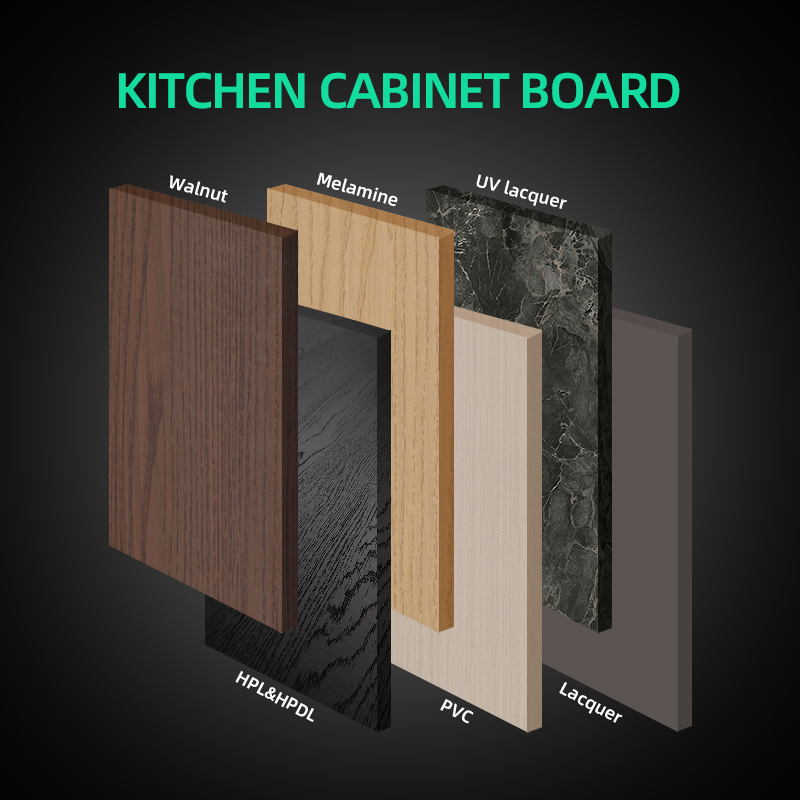
Stainless steel cabinets combine durability, hygiene, and modern aesthetics, making them an excellent investment for specific needs. While they come at a higher cost and limited color flexibility, their long-term performance, fire safety, and sleek design make them especially valuable in coastal areas, luxury homes, and professional kitchens.Explore next: Laminate Kitchen Cabinets: Pros, Cons, Durability, Styles, Cost & Care | AIS Guide
If you are seeking cabinets that balance style, strength, and practicality, stainless steel is a smart choice for your next kitchen project.Your dream kitchen awaits—schedule a consultation with our master cabinet designers today.