Total Cabinetry And Joinery Solution
ENG

Search
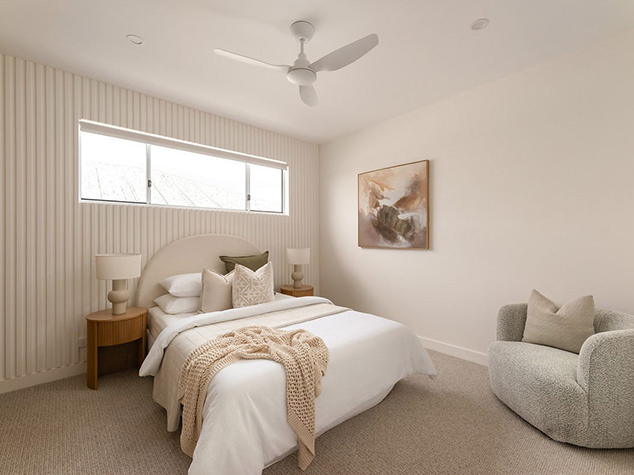
Designing a luxury bedroom goes beyond choosing beautiful furniture—it’s about creating a serene, functional, and personalized sanctuary. Whether you’re renovating your master suite or planning a new home project, this complete 10-step luxury bedroom design guide will help you transform your space into a stylish retreat that balances comfort with sophistication.
Every great design begins with a clear vision. Decide whether you prefer a modern minimalistic look, a classic European-inspired aesthetic, or a contemporary boutique-hotel vibe. Setting a style direction ensures all elements—from color schemes to furniture—align seamlessly.
Luxury bedrooms often use neutral tones like ivory, beige, gray, or taupe, layered with rich accents such as deep navy, emerald green, or gold. Neutral palettes create a timeless backdrop while allowing textures and lighting to shine.
The bed is the centerpiece of any bedroom. Opt for a custom upholstered headboard, canopy frame, or tufted velvet design. High-quality bedding with Egyptian cotton or silk instantly elevates the room’s comfort and appeal.
Combine wood, leather, metal, and soft fabrics to achieve a layered look. A plush area rug under the bed, linen curtains, and textured accent walls add dimension to your bedroom design.
Luxury bedrooms rely on multi-layered lighting. Incorporate:
Ambient ceiling lights (chandeliers, recessed LEDs)
Task lights (bedside lamps, reading sconces)
Accent lighting (LED strip under shelves, cove lights)
This balance ensures functionality and a warm, inviting atmosphere.
A clutter-free room is essential for luxury. Consider a walk-in wardrobe with customized compartments, hidden drawers, and built-in storage behind sliding panels. Smart storage helps maintain a clean, polished look.
Choose fewer but higher-quality furniture pieces. A statement lounge chair, elegant bedside tables, and a sleek vanity desk can add character without overcrowding the room.
Luxury today means convenience. Think smart lighting systems, automated curtains, and hidden TV panels. These discreet integrations enhance comfort while maintaining elegance.
Luxury isn’t only about price—it’s about uniqueness. Incorporate art pieces, sculptures, or personalized décor that reflect your taste. Even a single oversized artwork can transform the bedroom’s ambiance.
Finally, a luxury bedroom should be your personal retreat for relaxation. Invest in premium mattresses, soundproofing elements, and calming scents through diffusers or candles to promote restful sleep.
By following this 10-step guide to luxury bedroom design, you can create a space that feels like your private five-star retreat. Blending style, comfort, and functionality, a well-designed bedroom becomes more than a place to sleep—it becomes an experience of everyday luxury.
1. What makes a bedroom feel truly “luxury”?
A luxury bedroom isn’t only about expensive furniture. It’s about comfort, proportion, and detail: high-quality bedding, layered lighting, well-planned storage, balanced colors, and a layout that feels calm and spacious. Good acoustics, soft textures, and clutter-free surfaces are also key.
2. Do I need a large space to create a luxury bedroom?
No. Size helps, but good planning matters more. Even smaller bedrooms can feel luxurious with the right bed size, smart storage, a restricted color palette, and carefully chosen textures. Avoid oversized furniture that blocks circulation and natural light.
3. What is the first step in designing a luxury bedroom?
Step one is to define the function and mood: is it a calm retreat, a statement master suite, or a hotel-style space with a sitting area? Decide on your preferred style (modern, classic, minimalist, etc.), color story, and key features (walk-in wardrobe, reading corner, dressing table) before buying anything.
4. Which bed size and headboard style work best for a luxury look?
A properly proportioned bed with an upholstered headboard almost always feels more luxurious. Choose a queen/king size that suits the room, and extend the headboard width to line up with side tables or even an entire feature wall. Soft fabrics like velvet, bouclé, or linen add comfort and depth.
5. How important is lighting in luxury bedroom design?
Lighting is critical. A luxury bedroom usually has three layers of lighting:
Ambient (ceiling lights, cove lighting)
Task (bedside lamps, reading lights, dressing table lighting)
Accent (wall sconces, LED strips behind headboards or in wardrobes)
Dimmable lights help adjust the room from “day mode” to “relax mode”.
6. What colors work best in a luxury bedroom?
Most luxury bedrooms use soft, desaturated tones—warm neutrals, greige, stone, soft blues, muted greens—combined with one or two deeper accent shades. High-contrast schemes can look dramatic, but the overall effect should still feel calm, not busy.
7. How can I make the bedroom feel like a luxury hotel suite?
Focus on five elements: a statement headboard, layered bedding, symmetrical bedside tables and lamps, a well-designed seating or bench area, and excellent blackout curtains or blinds. Add a tray with books, candles, or a carafe of water to complete the “hotel” atmosphere.
8. What role do textiles play in a luxury bedroom?
Textiles are one of the fastest ways to elevate the space. Use high-thread-count sheets, plush duvets, layered pillows, a quality area rug, and full-length curtains. Mixing textures—linen, velvet, wool, silk—creates visual richness even with a neutral color palette.
10. What kind of artwork and decor suit a luxury bedroom?
Choose a few large, calm pieces instead of many small items. Oversized art above the headboard, sculptural bedside lamps, or a statement mirror can elevate the look. Avoid overly busy gallery walls or excessive knick-knacks that create visual noise.
11. How do I decide on flooring and rugs for a luxury bedroom?
Warm, comfortable underfoot finishes are ideal: timber, high-quality laminate, or luxury vinyl paired with a generous area rug placed under the bed. The rug should extend beyond the sides and foot of the bed to create a soft landing when you get up.
12. Is it necessary to include a walk-in wardrobe or dressing area for a luxury feel?
Not strictly necessary—but a well-designed wardrobe solution definitely enhances the experience. Even in smaller rooms, built-in wardrobes with good lighting, mirrors, and organized interiors can give a boutique, high-end feel similar to a walk-in.