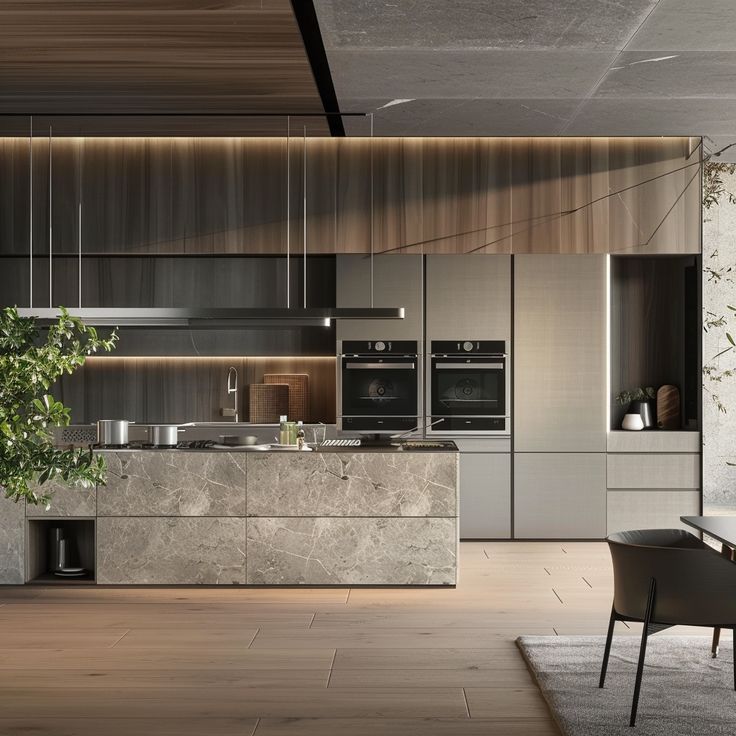
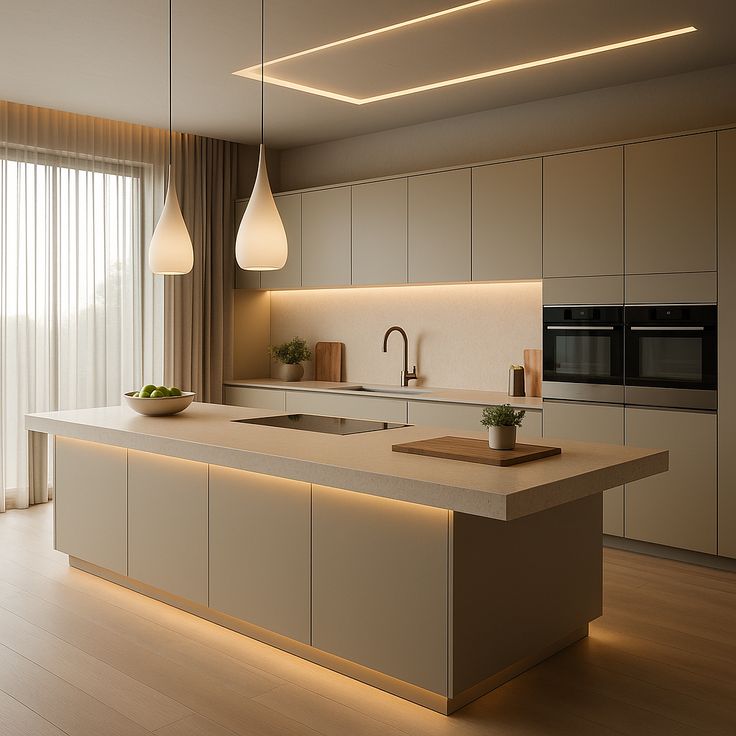
Why it works:
Maximizes vertical storage
Creates a clean, architectural look
Reduces dust accumulation on top surfaces
This wardrobe design approach is especially effective in apartments and modern homes where efficient use of space is critical.


In 2026, wardrobe design has evolved beyond simple storage. Modern wardrobes are now an integral part of interior architecture—balancing aesthetics, space efficiency, and long-term usability.
This guide explores the most practical and design-forward modern wardrobe design ideas for 2026, helping homeowners, designers, and developers create wardrobes that feel timeless, functional, and well-adapted to contemporary living.
Full-height wardrobes remain one of the strongest wardrobe design trends in 2026.
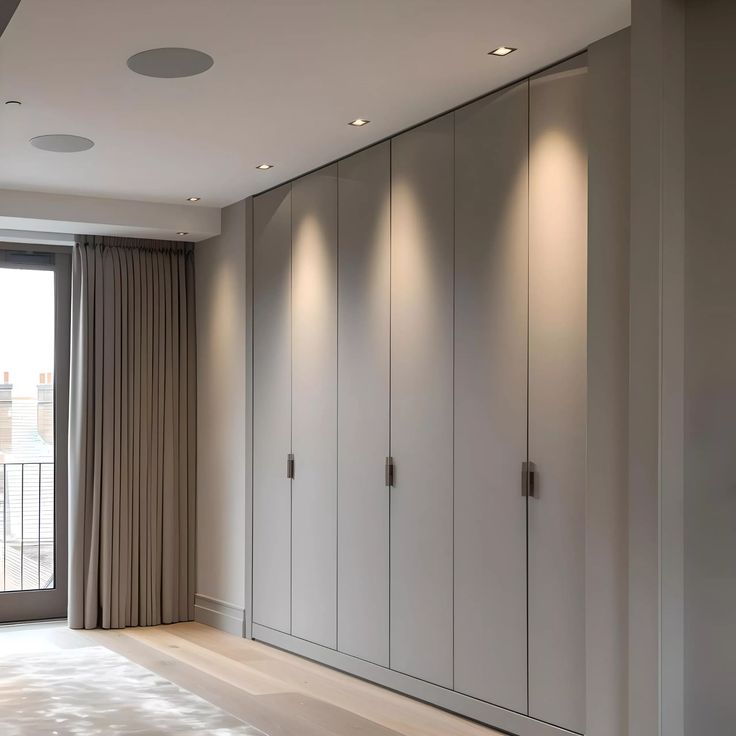
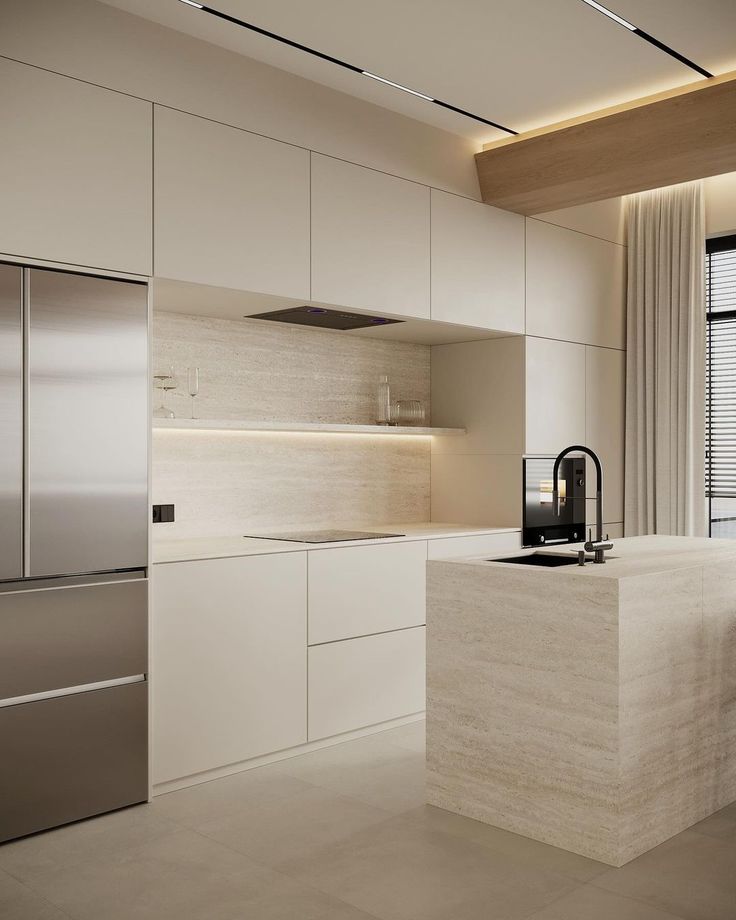
Flat-panel and handleless wardrobes continue to define modern wardrobe design.
Key features:
Push-to-open or recessed handles
Seamless integration with wall finishes
Calm, uncluttered appearance
This design works well in minimalist, Scandinavian, and contemporary interiors.
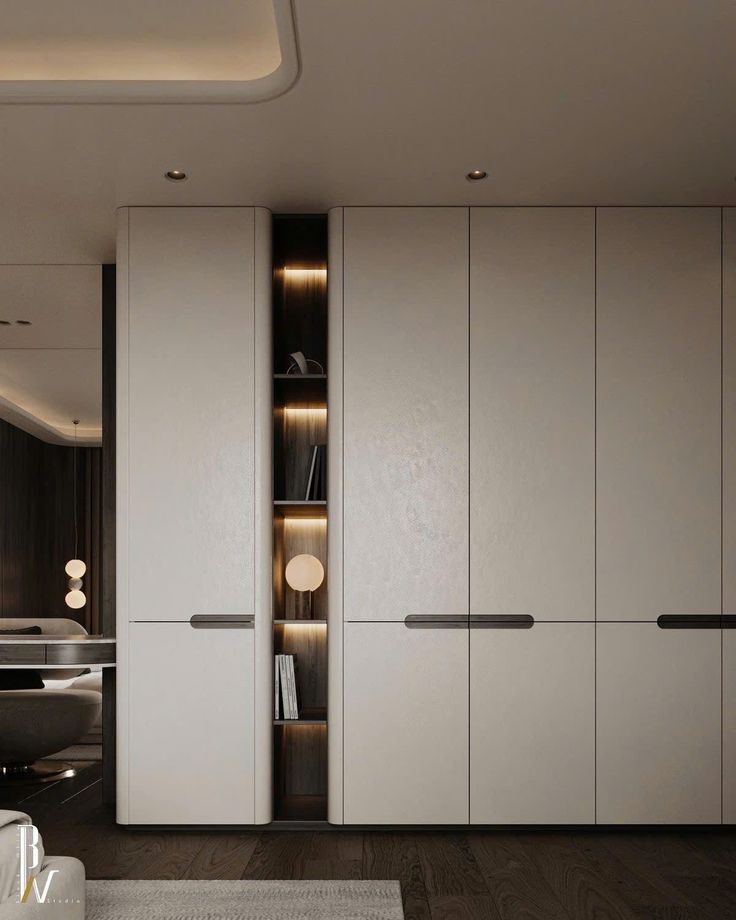
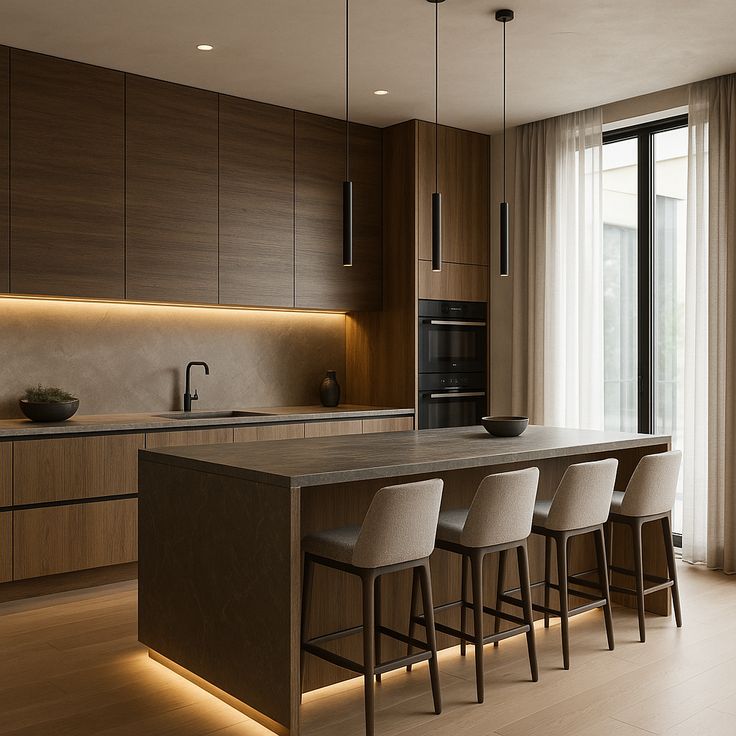
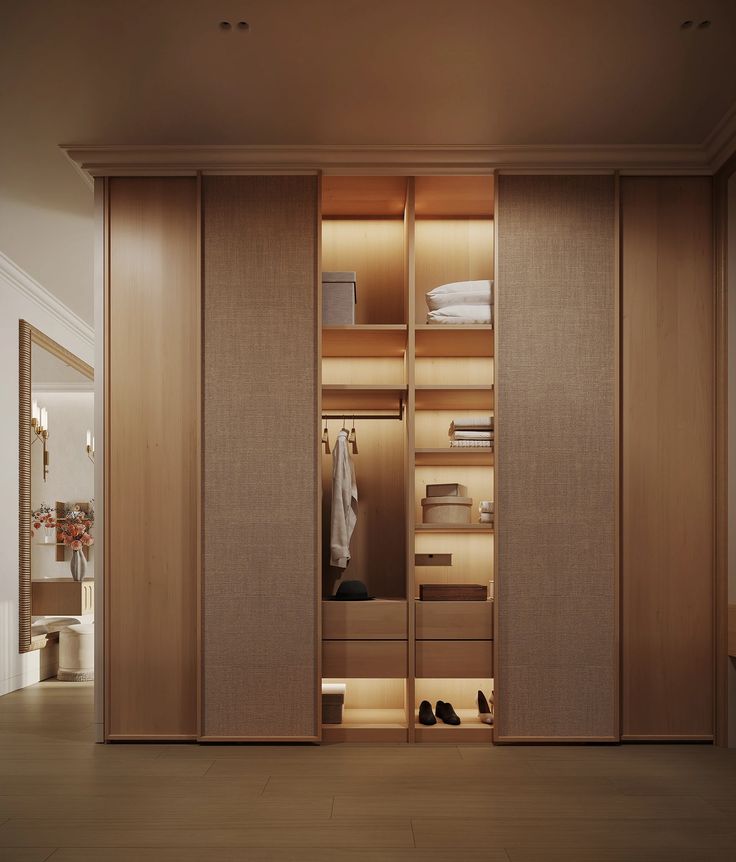
In 2026, wardrobe design moves away from cold whites toward warmer, more natural tones.
Popular colors include:
Soft beige and greige
Warm white
Natural oak and light walnut
These tones age well and pair easily with different flooring and wall colors.
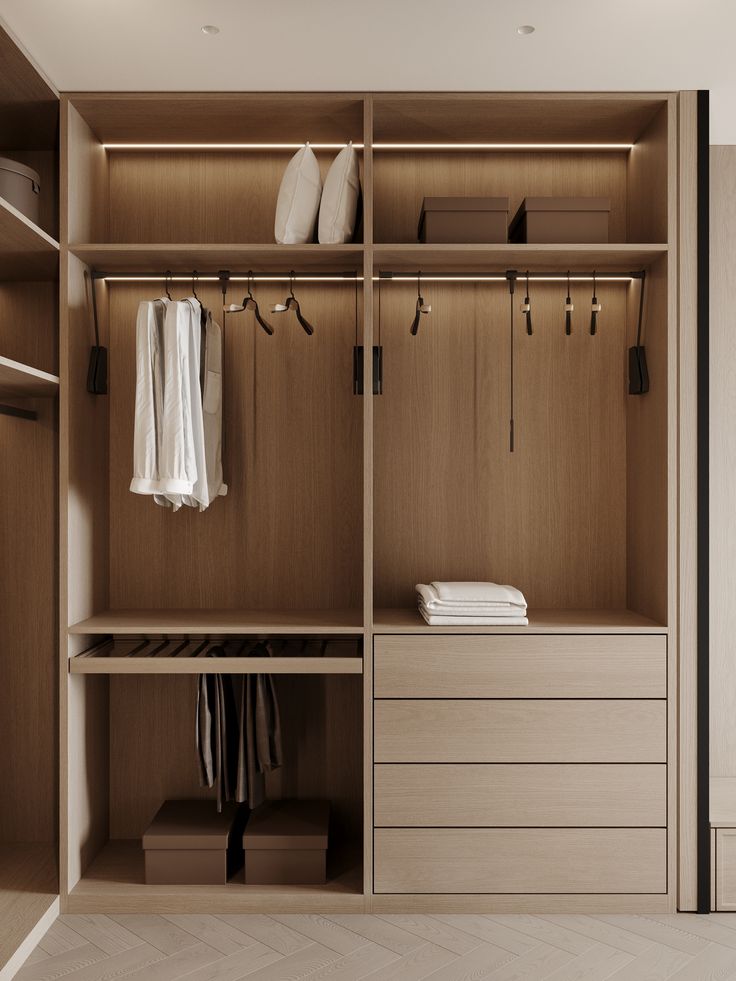
A modern wardrobe design is defined as much by its interior as its exterior.
Common internal features:
Adjustable shelving
Soft-close drawers
Shoe racks and pull-out accessories
Dedicated sections for short and long hanging
Well-planned interiors improve daily usability and reduce wasted space.
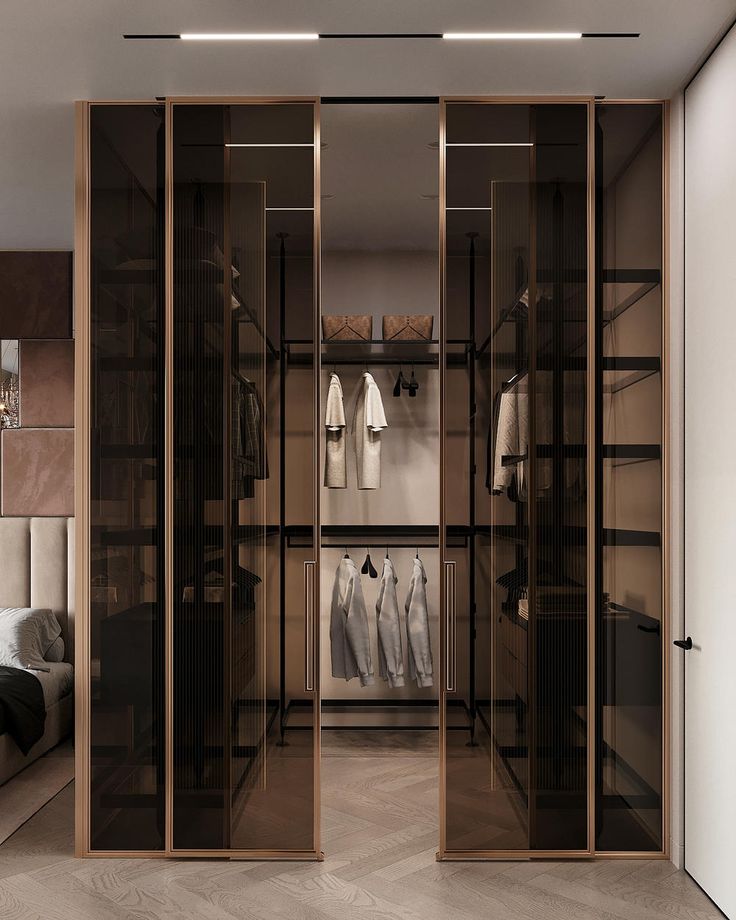
Glass-front wardrobes are increasingly used in modern bedroom designs.
Best applications:
Frosted or fluted glass for privacy
Smoked glass for a premium look
Accent wardrobes in master bedrooms
This wardrobe design approach adds depth without making the space feel heavy.
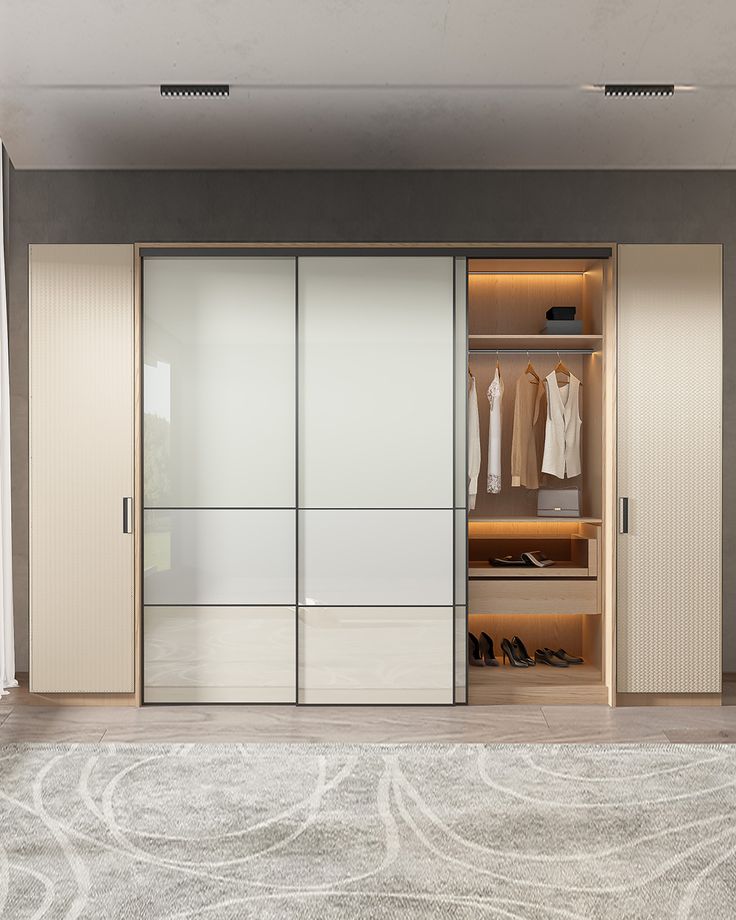
Sliding doors remain essential in space-conscious wardrobe design.
Advantages:
No swing clearance required
Ideal for narrow bedrooms
Works well with mirrored or glass finishes
This design is widely used in urban apartments and multi-unit projects.
Modern wardrobe design increasingly treats wardrobes as part of the building structure.
Examples include:
Wardrobes flush with wall panels
Integrated headboards or TV walls
Matching door and wardrobe finishes
This creates visual continuity and a more refined interior experience.
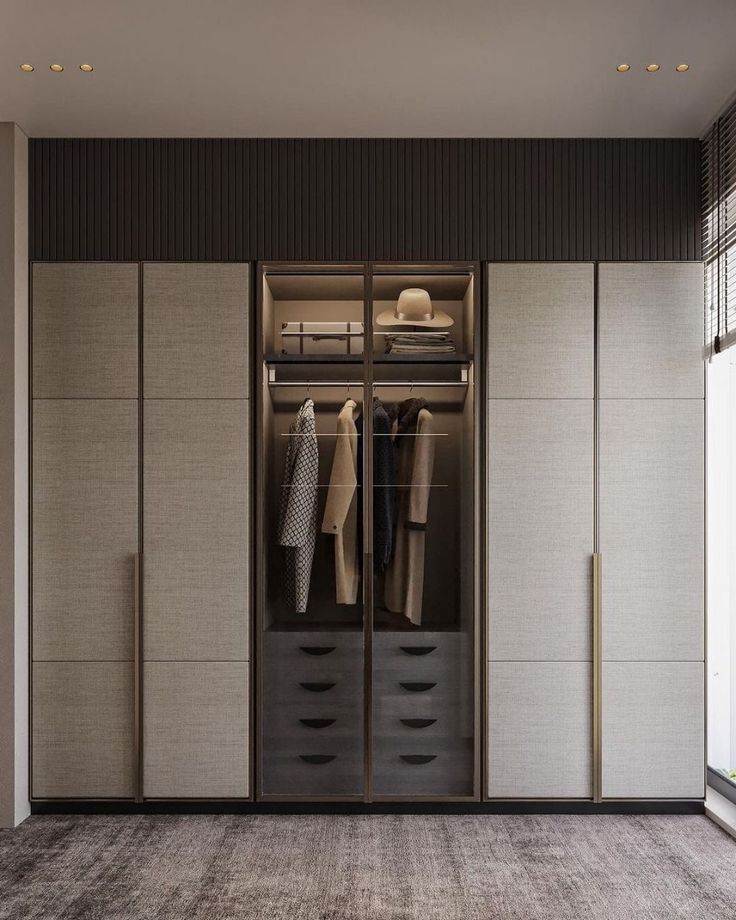
Sustainability is a key consideration in wardrobe design for 2026.
Common material choices:
Low-emission boards
Durable laminates
Veneers from responsibly sourced timber
Durable finishes reduce long-term maintenance and extend product lifespan.
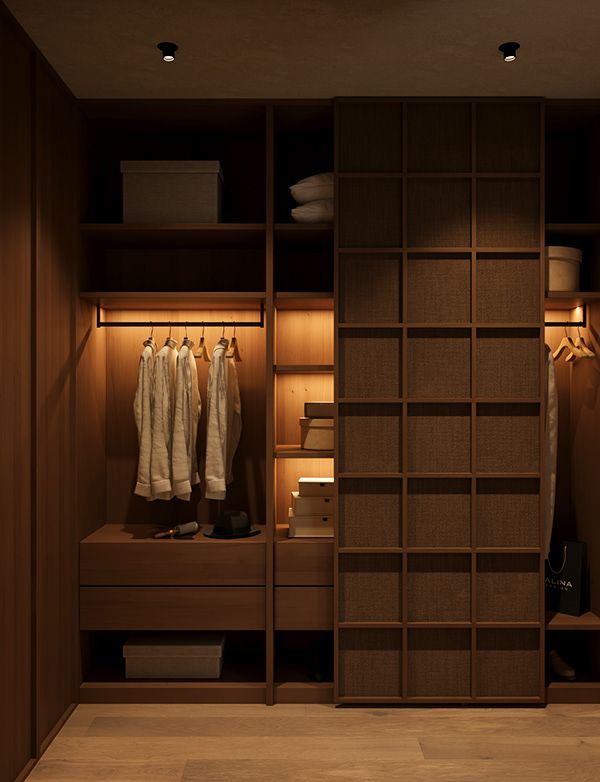
From a professional perspective, successful wardrobe design balances three elements: layout logic, material durability, and long-term adaptability.
A well-designed wardrobe should serve current lifestyle needs while remaining flexible enough for future changes—especially in apartments and residential projects where users may change over time.
Modern wardrobe design in 2026 focuses on clarity, efficiency, and longevity. Floor-to-ceiling layouts, neutral palettes, integrated storage, and durable materials define wardrobes that feel both contemporary and timeless.
By prioritizing thoughtful layout and material choices, a well-executed wardrobe design becomes a long-term asset—enhancing daily routines while supporting evolving interior styles.
1. What defines modern wardrobe design in 2026?
Modern wardrobe design emphasizes clean lines, neutral colors, integrated storage systems, and materials that balance durability with aesthetics.
2. Is sliding or hinged wardrobe design better?
Sliding wardrobes are ideal for small spaces, while hinged wardrobes offer easier full access. The best choice depends on room size and layout.
3. What colors work best for modern wardrobe design?
Warm neutrals, light wood tones, and soft greys are most popular due to their versatility and long-term appeal.
4. How important is internal layout in wardrobe design?
Internal layout is critical. A well-planned interior improves usability, organization, and overall satisfaction with the wardrobe.
5. Are built-in wardrobes better than freestanding ones?
Built-in wardrobes maximize space and integrate seamlessly with interiors, making them ideal for modern homes and apartments.
6. How long should a well-designed wardrobe last?
With quality materials and proper installation, modern wardrobe designs can last 15–20 years or longer.
7. How much does modern wardrobe design typically cost?
The cost of modern wardrobe design depends on size, materials, internal fittings, and door type. Entry-level designs with laminate finishes are more budget-friendly, while premium designs using veneer, glass, or custom interiors involve higher investment. A well-designed wardrobe focuses on long-term value rather than just upfront cost.
8. What is the best wardrobe design for small bedrooms?
For small bedrooms, the most effective wardrobe design includes:
Sliding doors
Light-colored or mirrored finishes
Floor-to-ceiling layouts
These features reduce visual bulk and improve storage efficiency without overcrowding the room.
9. Is lighting important in wardrobe design?
Absolutely. Integrated LED lighting enhances both functionality and visual appeal. Modern wardrobe design often includes:
Sensor-activated lights
Drawer lighting
Vertical strip lighting
Good lighting improves daily use and adds a premium feel.
10. How do I future-proof my wardrobe design?
To future-proof your wardrobe design, focus on:
Neutral colors
Adjustable shelving systems
Modular internal accessories
This allows the wardrobe to adapt to changing lifestyle needs without structural modification.