Total Cabinetry And Joinery Solution
ENG

Search
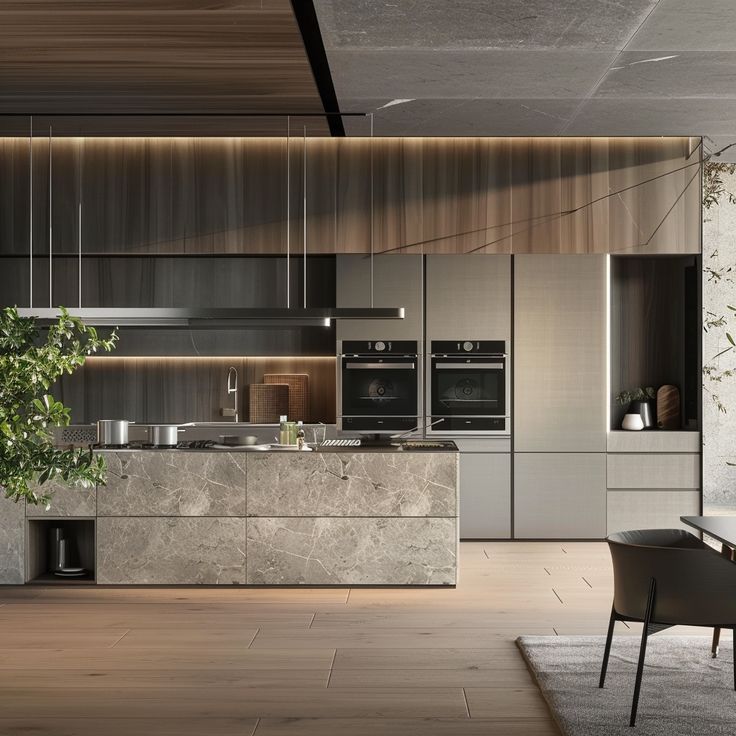
When planning a kitchen renovation or a new build, one of the first big decisions is choosing between an Open Concept Kitchen and a Closed Layout.Both have their strengths — one promotes connection and openness, while the other values privacy and organization.This guide helps you understand each layout’s unique advantages, challenges, and ideal applications to find the right balance for your home.
Feature | Open Concept Kitchen | Closed Kitchen Layout |
Definition | Integrated with living/dining space | Fully or partially enclosed kitchen room |
Ideal For | Families, social cooking, small homes | Large households, frequent cooking, professional-style setups |
Pros | Spacious look, better light flow, social interaction | Contained mess/smell, more storage, functional separation |
Cons | Noise & odor spread, less storage | Isolated feeling, less natural light |
Design Difficulty | Requires coordinated interior design | Easier to define zones |
Best Use Case | Modern apartments, open-plan homes | Traditional or high-function homes |
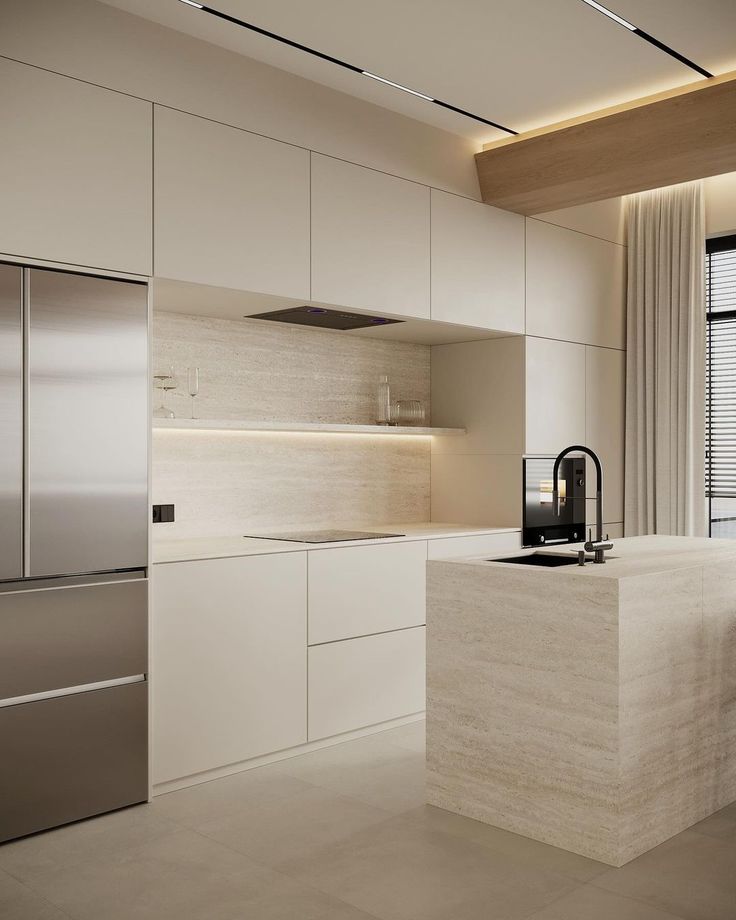
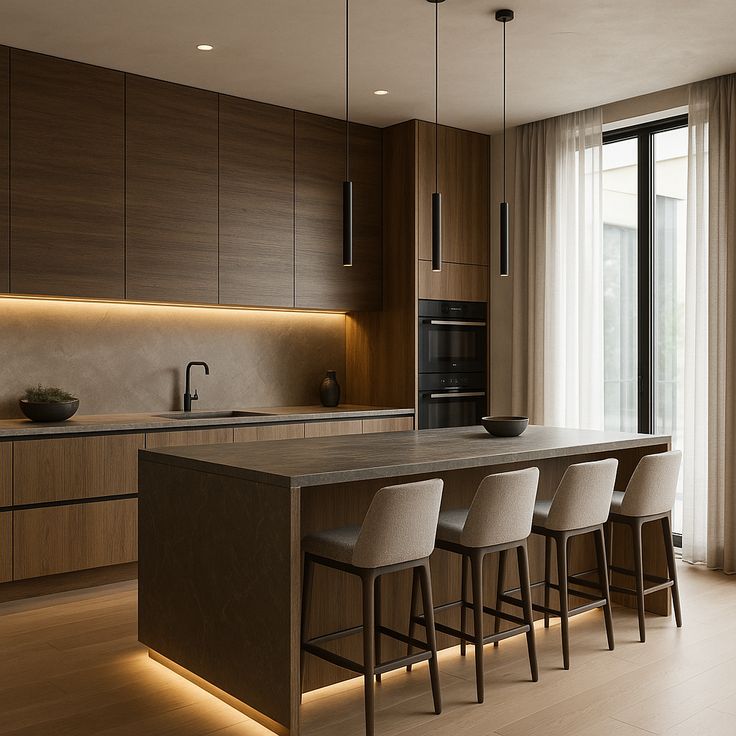
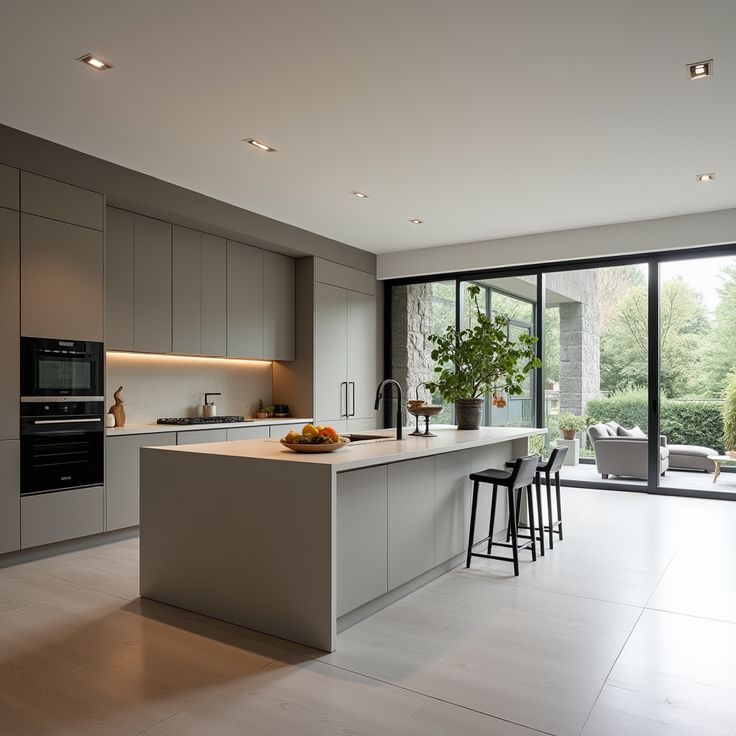
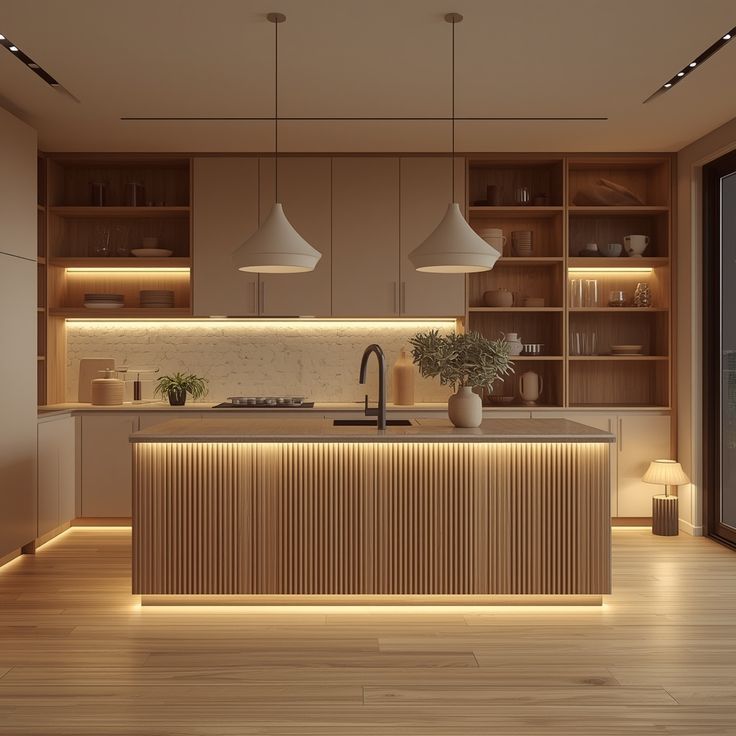
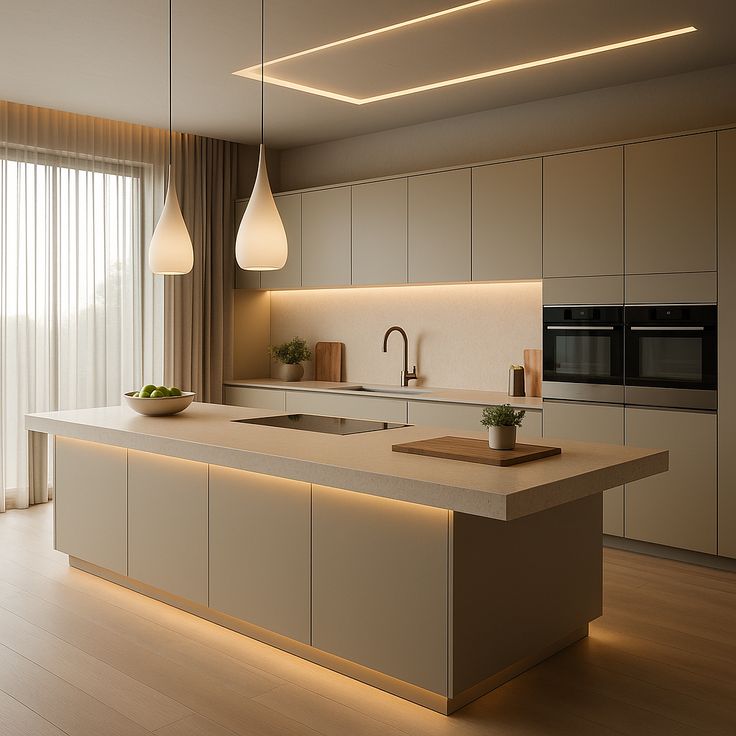
An Open Concept Kitchen removes walls that traditionally separate the cooking area from the dining or living space.
This layout promotes an airy, continuous flow — perfect for modern homes, apartments, and family spaces that value connection.
Spacious & Airy Feel: Eliminates barriers, making smaller spaces appear larger.
Social Interaction: Cooks can engage with family or guests while preparing meals.
Natural Light: Open sightlines allow sunlight from adjacent rooms to brighten the space.
Multifunctional Use: Great for entertaining, homework stations, or casual dining islands.
Noise & Odor: Sounds from appliances and smells from cooking travel easily.
Less Storage Space: Fewer walls mean fewer upper cabinets for storage.
Clutter Visibility: Dishes or messes are visible from other areas.
Design Cohesion Required: Cabinet finishes and colors must match living spaces for aesthetic unity.
Use a kitchen island or peninsula as a subtle divider. Choose coordinated finishes that match the living room — such as matte white lacquer or oak veneer.
Install quiet appliances and high-quality range hoods to minimize sound and odor spread.
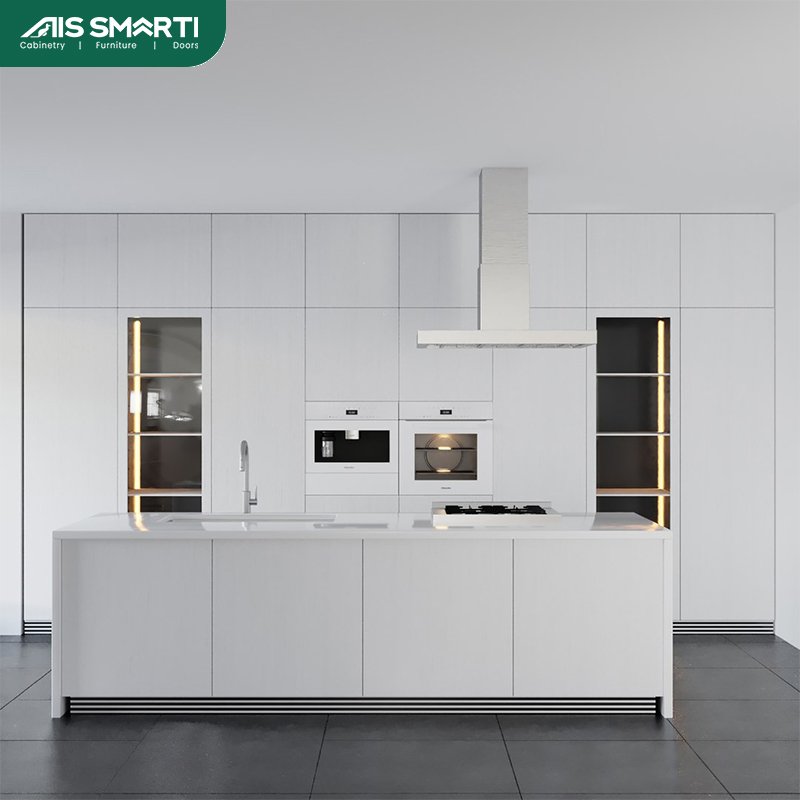
A Closed Kitchen Layout is a self-contained cooking area separated by walls or partitions.
It’s ideal for homeowners who prefer a dedicated workspace with controlled smells, noise, and visual clutter.
Privacy & Focus: Keeps mess out of sight and allows concentrated cooking.
Better Ventilation: Easier to contain smoke and use powerful range hoods.
More Cabinet Space: Extra wall surface for upper and tall cabinets.
Flexible Design Themes: Kitchen can have its own color palette, materials, and mood.
Reduced Light Flow: Walls may block daylight and airflow.
Limited Interaction: Cooks are separated from guests or family activities.
Feels Smaller: Enclosed spaces can feel tight in compact homes.
Less Adaptable: Harder to convert into multifunctional areas later.
Use glass partitions or sliding doors to achieve partial openness while maintaining separation.
Select light-colored cabinets and reflective finishes like UV lacquer to brighten enclosed spaces.
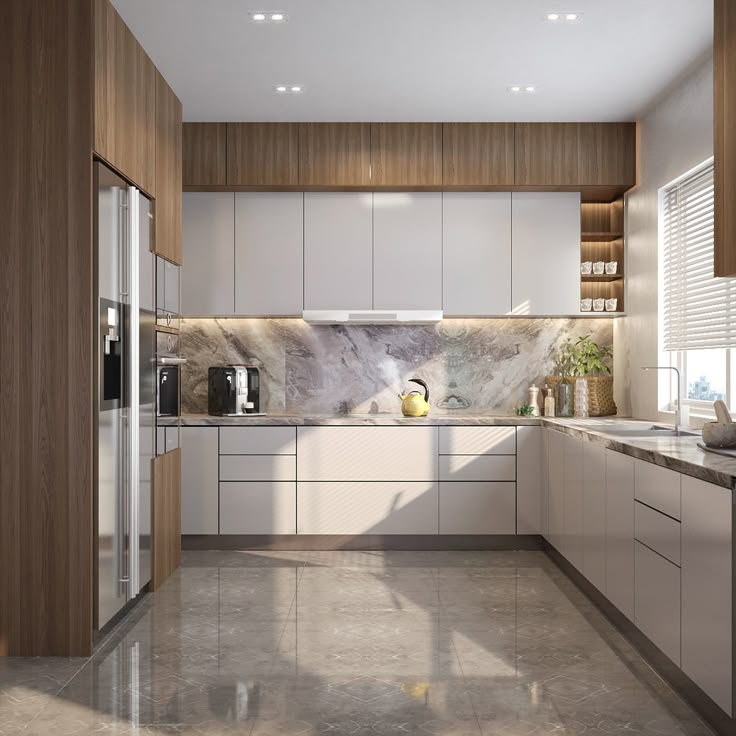
Spacious Feel: Removes visual barriers, creating a sense of openness and light.
Social Interaction: Allows family or guests to interact while you cook.
Better Flow: Ideal for entertaining and multitasking between cooking and dining.
Natural Light: Large windows and open sightlines distribute sunlight throughout the space.
Modern Aesthetic: Clean lines and minimalist cabinetry enhance a contemporary feel.
Noise & Odor Spread: Cooking sounds and smells travel to other areas.
Less Storage & Wall Space: Fewer upper cabinets and partitions reduce storage potential.
Maintenance Visibility: Messy counters are visible from living areas.
Zoning Difficulty: Without walls, distinguishing areas may require furniture or lighting strategies.
Design Tip: Use a large kitchen island with built-in storage or raised counter panels to subtly separate zones.
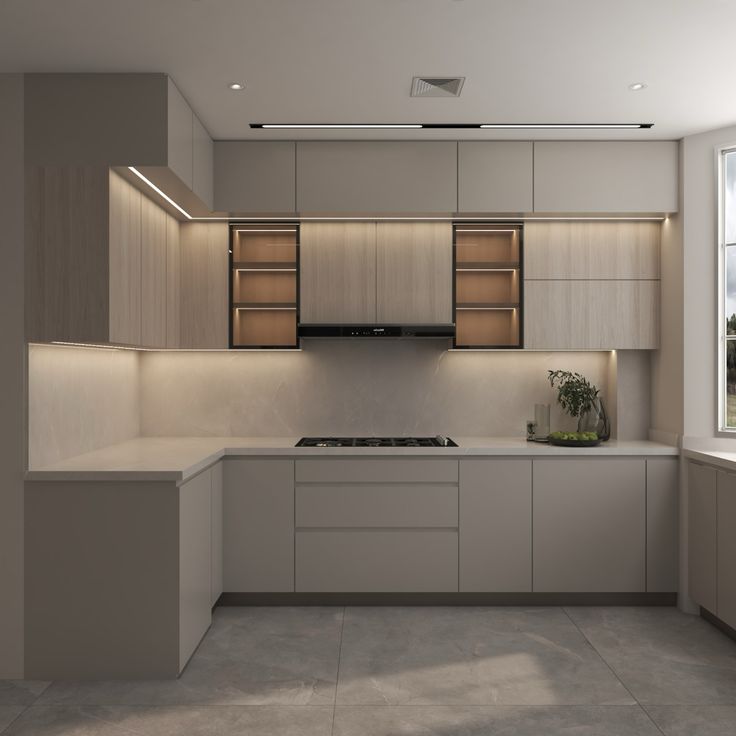
Privacy: Perfect for serious cooks who prefer focus and minimal distraction.
Odor & Noise Control: Walls confine sound and smell within the kitchen area.
Ample Storage: More wall space for upper cabinets and shelving.
Traditional Appeal: Fits well with classical or transitional interiors.
Less Social: Cooks are separated from family or guests.
Reduced Light & Space Flow: Can feel smaller or darker compared to open plans.
Limited Flexibility: Harder to adapt into multifunctional living zones.
Design Tip: Consider semi-open solutions like glass partitions or sliding doors — they preserve privacy while letting in light.
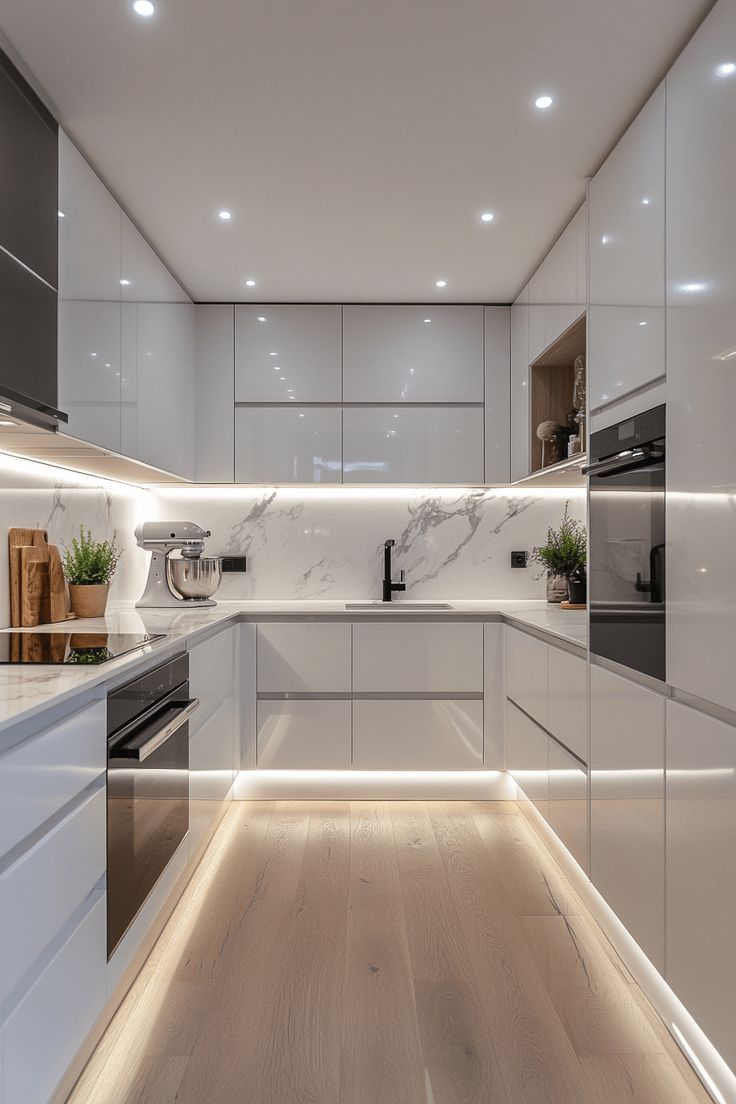
Your decision depends on how you use your kitchen and what you value most in daily life.
Lifestyle Type | Recommended Layout | Reasoning |
Busy families or entertainers | Open Concept Kitchen | Promotes communication and visibility |
Professional cooks or large families | Closed Layout | Better control and organization |
Small apartments or condos | Open Concept | Maximizes perceived space |
Homes with distinct zones | Closed Layout | Maintains privacy and structure |
Hybrid modern homes | Semi-Open Layout | Combines both benefits with partitions or glass walls |
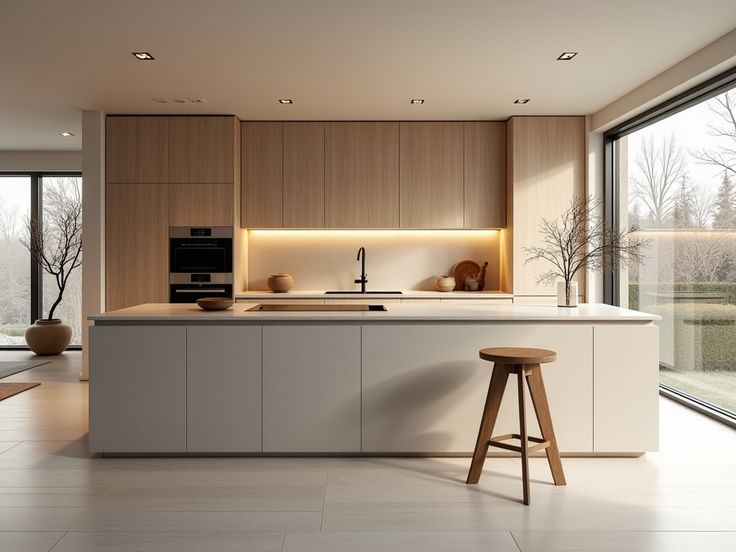
If you can’t decide, a Semi-Open Kitchen might be ideal.
This approach uses partial walls, sliding glass, or open shelving to connect spaces while maintaining separation.
Best of both worlds — social yet contained
Flexible design options for lighting and privacy
Ideal for modern apartment projects or compact villas
Pro Tip: Combine melamine base cabinets with glass wall partitions to visually connect spaces without losing functional zoning.
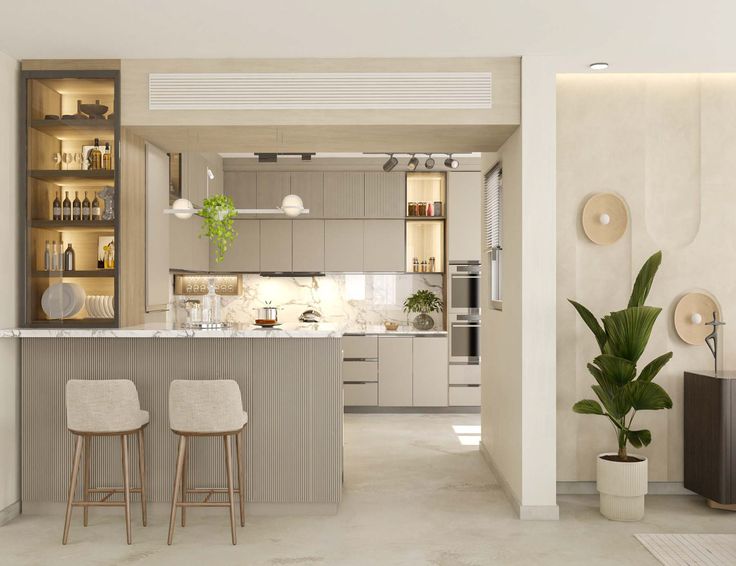
Lifestyle Considerations: Before deciding between an Open Concept Kitchen or a Closed Layout, consider how your daily lifestyle, home size, and personal habits shape your needs.
Family Lifestyle: If you have kids or host frequent gatherings, an open concept allows visibility, connection, and ease of supervision. Parents can cook while keeping an eye on children or chatting with guests.
Cooking Intensity: Passionate cooks or those preparing aromatic dishes may prefer a closed kitchen to contain heat and odors. A closed space also provides peace for focused culinary work.
Home Layout & Size: In compact apartments or condos, open layouts visually enlarge limited space.In contrast, large villas or multi-zone homes can comfortably accommodate a closed design or even a hybrid concept.
Aesthetic Priorities: Minimalists favor the continuous lines of an open plan, while traditional homeowners value the structure and intimacy of enclosed spaces.
Not all kitchens must be fully open or entirely closed — today’s best designs offer flexibility and transition.
Sliding Glass Partitions: Maintain openness while containing odors or sound when needed.
Half Walls or Breakfast Bars: Provide light flow while subtly zoning the kitchen.
Double Islands: Separate prep and dining zones, balancing work and social spaces.
Pocket Doors or Folding Screens: Instantly switch between open and closed modes depending on the occasion.
These hybrid solutions create the perfect equilibrium between interaction and isolation — allowing your kitchen to adapt to different times of day, moods, or functions.
Both Open Concept Kitchens and Closed Layouts have a rightful place in modern design.
The open plan celebrates connection, brightness, and social living, while the closed layout prioritizes organization, privacy, and focus.
For the best of both worlds, consider semi-open configurations — adaptable, stylish, and ideal for the evolving lifestyle of 2026 homeowners.
At AIS Cabinets, we specialize in custom kitchen cabinet designs that match your layout preferences — whether open, closed, or hybrid — ensuring precision, beauty, and function in every project.
Explore related design insights:
Open Kitchen Design for Contemporary Homes | AIS Guide
How to Start A Custom Closet Business for First-Time Entrepreneurs | AIS Guide
1. What is an open concept kitchen?
An open concept kitchen is integrated with nearby living or dining areas with few or no walls in between. It creates one large, shared space where cooking, dining, and socializing all happen together.
2. What is a closed kitchen layout?
A closed kitchen layout is a more traditional design where the kitchen is separated from other rooms by walls or partitions. It feels more private and often has a clear door or defined entrance.
3. What are the main benefits of an open concept kitchen?
Key advantages include:
Better sightlines and communication with family or guests
More natural light flowing through the space
A larger, more airy feeling in smaller homes or apartments
Easier entertaining, as cooking and socializing happen in the same area
4. What are the disadvantages of an open concept kitchen?
Common downsides are:
Cooking smells, smoke, and noise travel easily to the living area
Less wall space for cabinets and storage
Harder to hide clutter or dirty dishes
May feel too exposed if you prefer privacy while cooking
5. What are the pros of a closed kitchen layout?
Closed kitchens work well if you want:
More privacy and less distraction while cooking
Better control of noise and cooking odors
More wall space for cabinets, shelves, and appliances
A clear separation between “work” (cooking) and “relaxation” zones
6. What are the cons of a closed kitchen layout?
Potential drawbacks include:
The kitchen can feel smaller and darker
The cook may feel isolated from family or guests
Traffic flow between kitchen, dining, and living areas may be less convenient
7. Which layout is better for families with kids?
For families with young children, an open concept kitchen is often more practical because parents can cook while still watching kids play or do homework in the living area. However, a semi-open design (with a half wall or large opening) can provide a good balance between visibility and noise control.
8. Which layout works best for frequent entertainers?
If you love hosting guests, an open concept kitchen usually works better. It allows you to chat, serve drinks, and prepare food without leaving the party. For people who prefer to prepare everything in advance and then “reveal” the meal, a closed kitchen might still be acceptable.
9. Does an open concept kitchen add more value to my home than a closed kitchen?
In many modern markets, buyers often favor open or semi-open kitchens because they make spaces feel larger and brighter. That said, value depends on your local market and buyer preferences. Some buyers—especially in certain cultures or luxury homes—still prefer a well-designed closed kitchen for privacy and smell control.
10. How can I reduce noise and smells in an open concept kitchen?
You can improve comfort in an open layout by:
Installing a high-quality range hood
Using quieter appliances (dishwasher, range hood, fridge)
Adding soft furnishings (rugs, curtains) to absorb sound
Creating a small butler’s pantry or utility area to keep mess out of sight
12. How do I choose between an open concept kitchen and a closed layout for my lifestyle?
Consider:
How often you cook and what kind of cooking you do (light vs heavy)
Whether you prefer privacy or interaction while cooking
How much storage and wall space you need
The size and natural light of your home
Your long-term plans (resale value, multi-generational living, rental use)