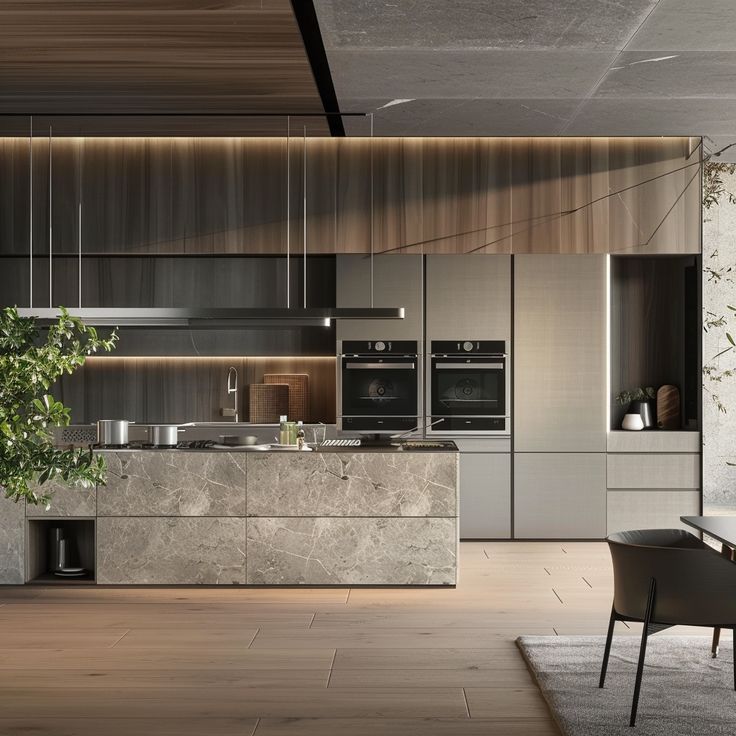
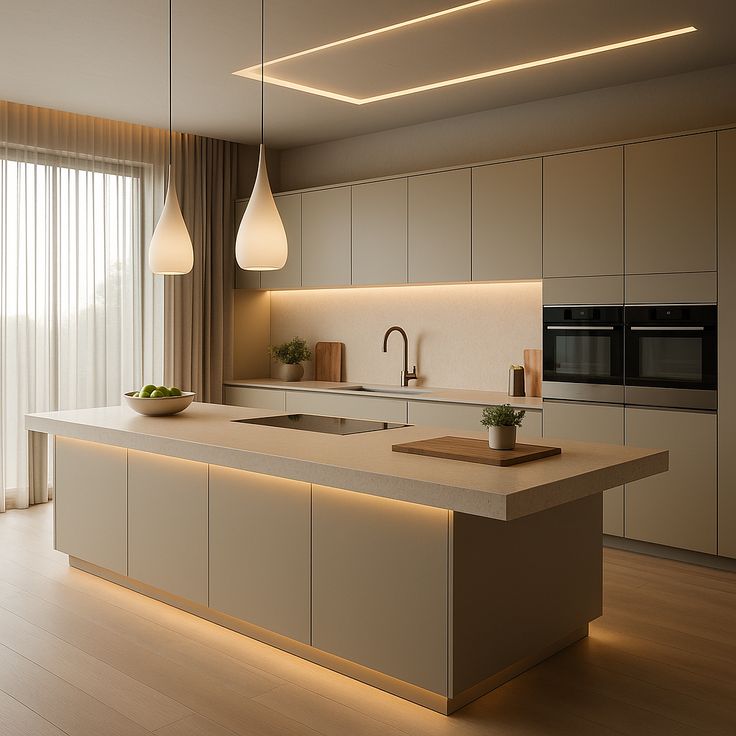
Open Kitchen Cabinets: Are They Right For Your Home?

Introduction
Open Kitchen Cabinets have become one of the most popular modern kitchen design trends in 2026. Favored for their airy, minimalist look, they offer both visual appeal and everyday convenience. But open shelving is not ideal for every home.
This guide breaks down the advantages, disadvantages, styling tips, and when Open Kitchen Cabinets work best—helping you decide if they’re a smart choice for your kitchen remodel.
What Are Open Kitchen Cabinets?
Open Kitchen Cabinets, also known as open shelving, are cabinet structures without doors.
Instead of traditional enclosed storage, open cabinets expose dishes, cookware, and décor directly to view, creating a lighter, more accessible kitchen environment.
Common materials include:
Wood shelving
Metal-framed shelves
Floating shelves
Hybrid open + closed cabinet systems

Pros of Open Kitchen Cabinets
1. A More Spacious, Airy Look
Open shelving instantly makes a kitchen feel larger, making it ideal for:
Small kitchens
Compact apartments
Galley layouts
Removing bulky cabinet doors reduces visual heaviness and opens the room.
2. Easy Access to Everyday Items
You can grab plates, cups, and spices without opening doors.
Perfect for busy households, home cooks, or families.
3. Stylish and Highly Customizable
Open Kitchen Cabinets allow you to show off:
Decorative bowls
Color-coordinated dinnerware
Plants
Cookbooks
They double as storage + décor.
4. More Budget-Friendly Than Closed Cabinets
No doors, hinges, or internal hardware → lower material and labor costs.
A great option for cost-conscious renovations.
5. Encourages Organized Living
You’re more likely to keep things tidy since everything is visible—ideal for minimalist lifestyles.
Cons of Open Kitchen Cabinets
1. More Frequent Dusting
Items on open shelves collect dust and grease faster, especially near cooktops.
2. Not Suitable for Cluttered Homes
If you have mismatched dishes or lots of kitchen tools, open shelves may look messy.
3. Limited Storage Protection
Open cabinets do not protect items from:
Moisture
Grease
Sunlight
Pets or kids
4. Less Storage Privacy
Everything is on display—great décor, but no hiding less-attractive items.
5. Requires Strong Styling Skills
You need to maintain a visually pleasing arrangement, which may not suit every lifestyle.
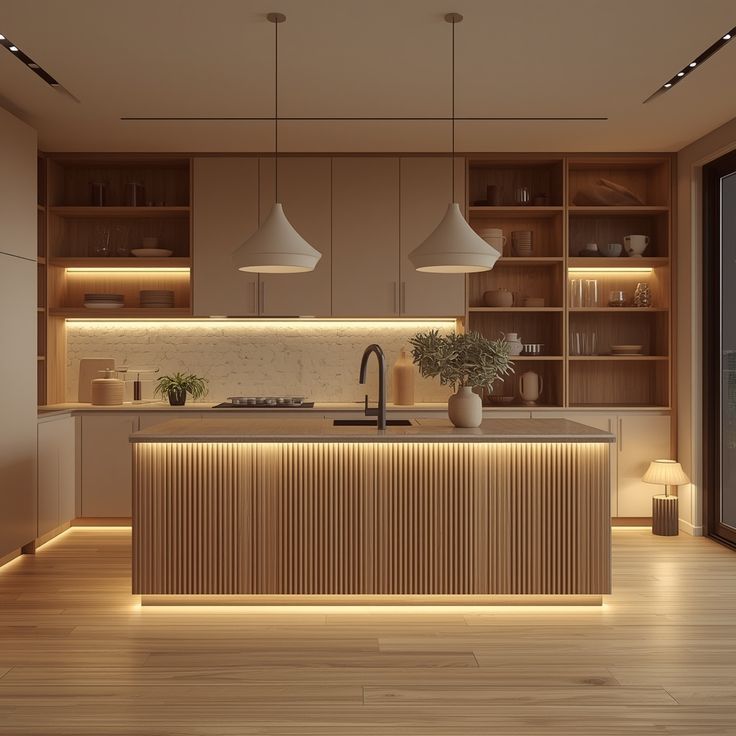
1. Mixed Open + Closed Cabinets
Combining open shelves with closed cabinetry is one of the most practical and stylish design trends for 2026. Open shelves highlight your best tableware and décor, while closed cabinets hide appliances, cookware, and pantry items.
Why It Works
Creates a balanced look—open where you want aesthetics, closed where you need function
Prevents visual clutter that comes with fully open shelving
Makes kitchens look more contemporary and high-end
Best For
Small kitchens, minimalist interiors, homes wanting both beauty and practicality.

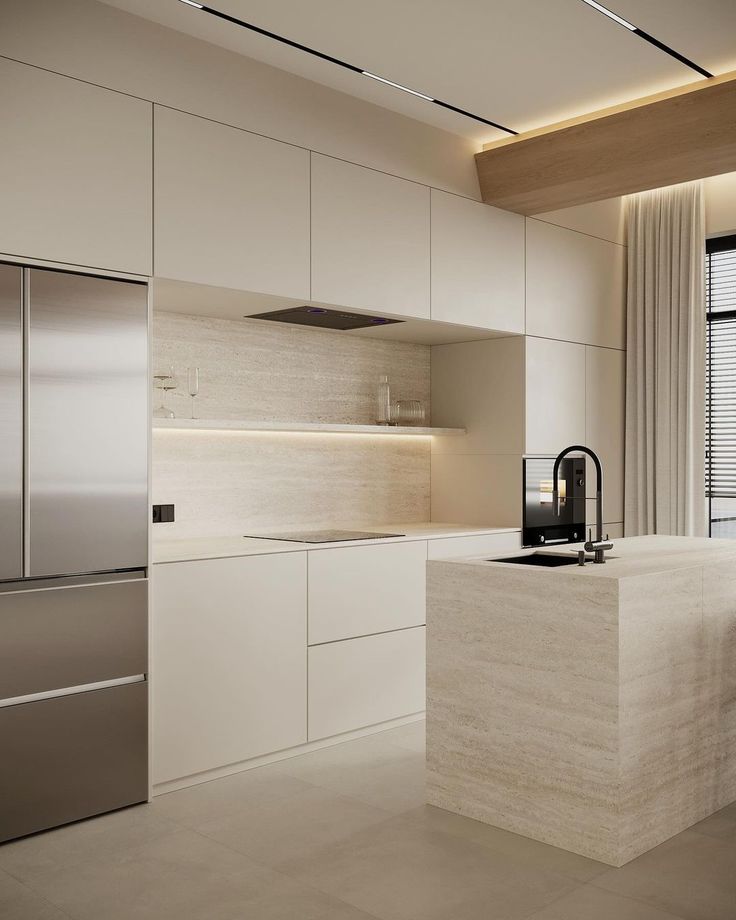
2. Floating Shelves Above the Backsplash
Floating shelves mounted above the backsplash create a sleek, hotel-style kitchen aesthetic. These shelves often blend into the wall or complement the backsplash material for a seamless design.
Why It Works
Keeps the upper wall visually open
Perfect for displaying glasses, spices, or decorative items
Works especially well in compact kitchens
Design Tip
Add LED lighting under the shelves for soft, ambient illumination.

3. Metal-Framed Industrial Shelving
Metal-framed open shelving is ideal for modern, loft-style, or industrial kitchens. Using a steel or aluminum frame with wood or glass shelves achieves a bold, architectural look.
Why It Works
High weight capacity for pots, pans, and heavy dishes
Adds strong lines and structure to the kitchen
Combines durability with a designer aesthetic
Design Tip
Choose black frames for an industrial look or stainless steel for a professional chef-style kitchen.
4. Open Corner Shelving
Corner areas are often wasted in L-shaped and U-shaped kitchens. Open corner shelving transforms these awkward spots into functional storage or stylish display zones.
Why It Works
Maximizes unused or "dead" corner areas
Helps maintain the openness of the kitchen
Ideal for bowls, plants, decorative jars, or cookbooks
Design Tip
Curved or rounded corner shelves increase safety and add a soft design touch.
5. Glass-Front + Open Shelving Combination
This hybrid option blends the airy feeling of open shelving with the protection of glass cabinets. Items stay dust-free, while the transparent doors keep the kitchen visually light.
Why It Works
Offers a clean, polished look without compromising convenience
Ideal for displaying dishware while reducing daily cleaning
Works well in both modern and traditional kitchens
Design Tip
Use clear glass for a true open-shelf effect; choose frosted or ribbed glass to conceal clutter.
6. Full-Length Open Pantry Shelving
Floor-to-ceiling open pantry shelving transforms storage into a bold design statement. This layout is popular in 2026 for families that enjoy cooking or displaying kitchen collections.
Why It Works
Creates massive, easy-access storage
Perfect for jars, spices, appliances, and cookbooks
Adds a “chef’s pantry” or “coffee bar” feeling to the home
Design Tip
Use matching jars or baskets to avoid visual clutter and maintain a clean look.
7. Minimalist Floating Wood Slabs
Thick wooden floating shelves without visible brackets offer a clean, Scandinavian or Japandi-inspired look. They add warmth and natural texture to minimalist kitchens.
Why It Works
Clean lines with no hardware interruptions
Natural wood softens modern kitchen finishes
Works well as open display storage above sinks or prep areas
Design Tip
Choose wide, solid wood slabs for durability and visual stability.
Are Open Kitchen Cabinets Right for Your Home?
Choose open shelving if you want:
A modern, airy aesthetic
Easy access to everyday dishes
A cost-effective upgrade
A minimalist look
Avoid them if you prefer:
Zero maintenance
Maximum storage privacy
Hiding clutter
Protection from dust and grease
The ideal solution for most homes is hybrid storage—a mix of Open Kitchen Cabinets + closed cabinets.
Conclusion
Open Kitchen Cabinets offer a perfect blend of style, accessibility, and modern design—making them one of the most popular kitchen trends of 2026. Whether you use them for display, daily essentials, or to visually open up a compact space, they bring both beauty and function to your kitchen layout.
However, they work best when thoughtfully planned: combining open and closed storage, choosing durable materials, and designing around your lifestyle and maintenance habits. With the right balance, open cabinets can transform your kitchen into a brighter, more personalized, and highly efficient space that complements any modern home design.
If you're considering upgrading your kitchen, open cabinetry is a timeless, cost-effective way to add character and convenience—without a full renovation.
FAQ:
1. Are Open Kitchen Cabinets practical for everyday use?
Yes—if you store everyday items like plates and cups, open shelves are highly convenient.
2. Do Open Kitchen Cabinets get dusty?
Yes. Dust buildup is faster, especially near stovetops, but regular wiping solves it.
3. Are open shelves cheaper than closed cabinets?
Usually yes, because they use fewer materials and require less installation labor.
4. What items should I store on open shelves?
Best items include:
Frequently used dishes
Glassware
Cookbooks
Small plants
Decorative items
5. Are Open Kitchen Cabinets safe for homes with kids?
Yes, but avoid storing fragile items on lower shelves.
6. How do I prevent grease buildup?
Place open shelves away from the cooktop and use a strong kitchen hood.
7. Do Open Kitchen Cabinets work in small kitchens?
Absolutely—they visually enlarge compact spaces and reduce cluttered appearance.
8. Can I install open shelves without replacing existing cabinets?
Yes. Many homeowners simply remove cabinet doors or install floating shelves.
9. What materials are best for open shelving?
Top choices:
Solid wood
MDF with veneer
Metal framing
Glass shelves
10. How do I keep Open Kitchen Cabinets looking neat?
Use matching dish sets, baskets, or decorative jars to maintain a cohesive, clean look.