Total Cabinetry And Joinery Solution
ENG

Search
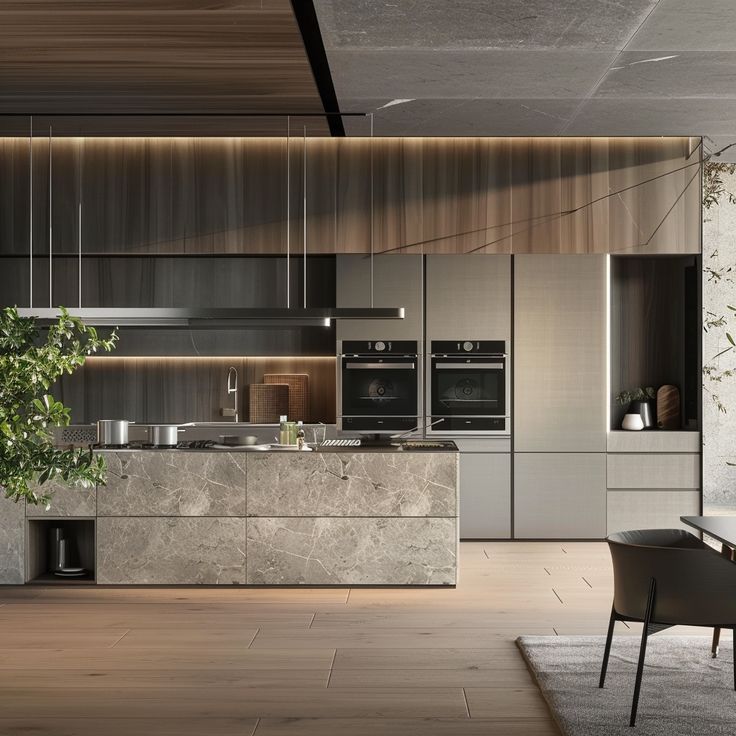
European Kitchen Cabinet Makers continue to set the benchmark for high-end kitchen design in 2026. From precision-engineered German systems to ultra-luxury Italian collections, these brands combine architecture, craftsmanship, and technology in a way that many developers, designers, and homeowners now consider the “gold standard” for kitchens.
Whether you are planning a luxury villa, high-rise apartment project, or a premium showroom, understanding which European Kitchen Cabinet Makers are leading the market will help you specify the right partner for performance, style, and long-term value.
Before diving into the top 10 list, it helps to understand what typically distinguishes European brands:
System-based design & precise engineering
German and Italian manufacturers treat the kitchen as an integrated system (modules, hardware, lighting, interiors) instead of separate cabinets. Brands like Poggenpohl, SieMatic, Bulthaup, Leicht and Häcker are known for precise construction, dimension grids, and long-lasting functionality.
Minimalist, architectural aesthetics
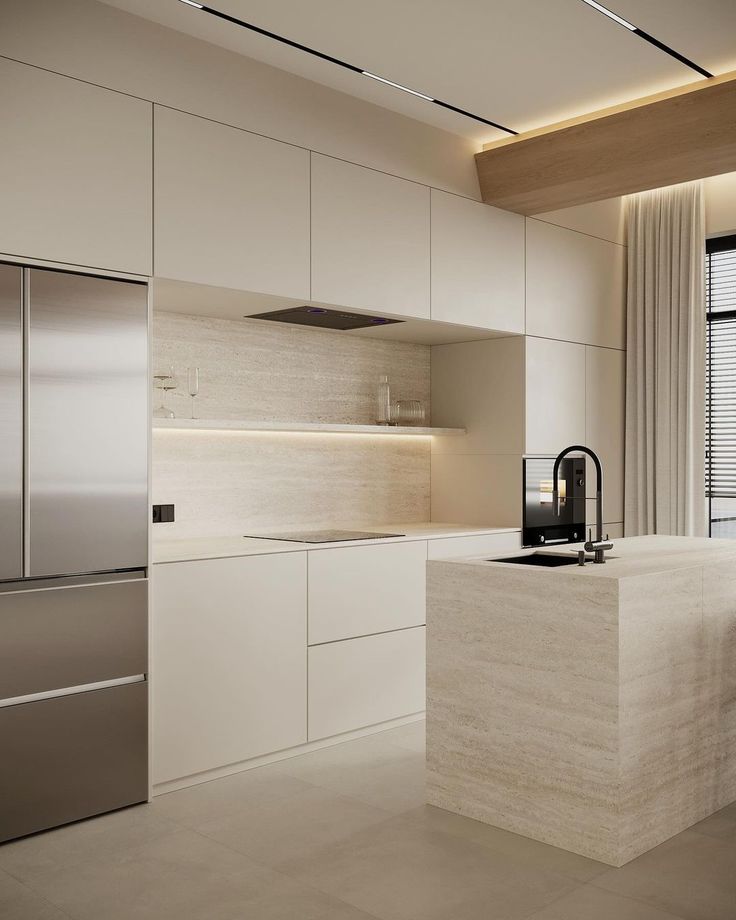
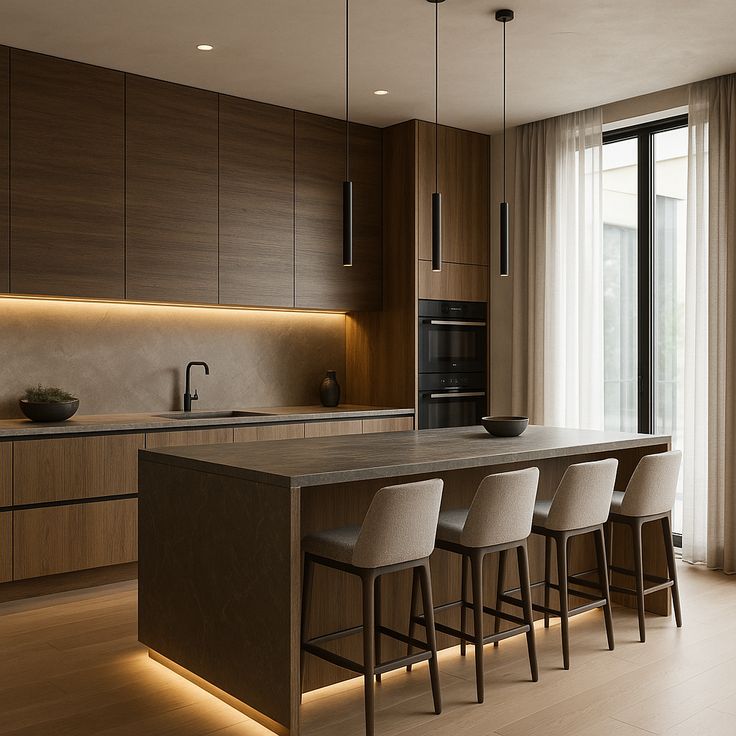
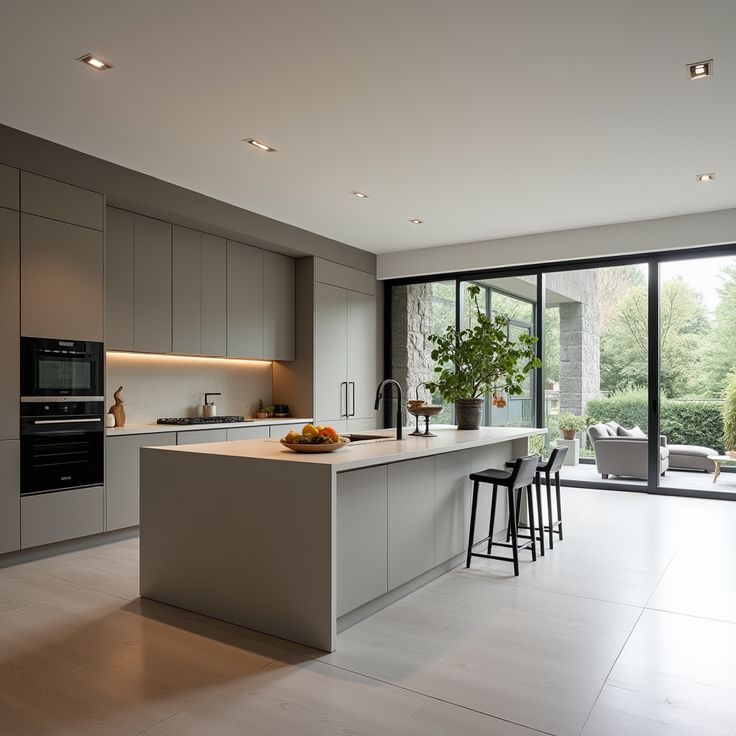
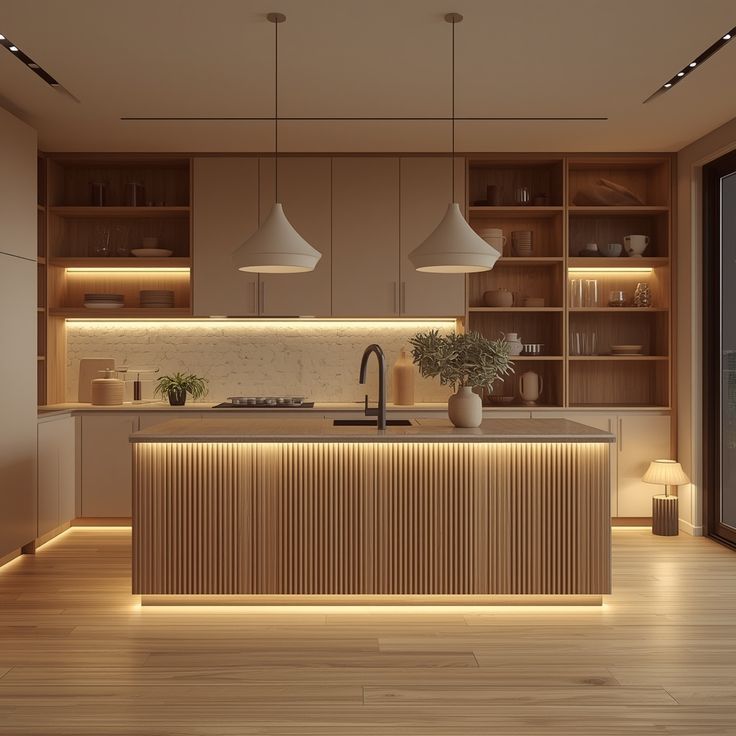
Many European kitchens feature clean lines, handleless fronts, flush plinths, and integrated appliances. Bulthaup, for example, is famous for minimalist, architectural kitchens that turn the kitchen into a design object and social hub.
High-quality materials & finishes
From lacquer and matte laminates to veneers and stone, brands like Boffi, Scavolini and Pedini emphasize premium materials with strong design language and durability, often combined with sustainable sourcing.
Strong export & project experience
Many European Kitchen Cabinet Makers operate in 50+ countries and work closely with architects, developers and kitchen studios worldwide, offering technical documentation, project support, and global logistics.
Poggenpohl – Germany – Historic luxury “kitchen architecture” pioneer
SieMatic – Germany – High-end kitchens with strong style collections
Bulthaup – Germany – Minimalist, architectural premium kitchens
Leicht – Germany – Flexible, design-driven system kitchens
Häcker Küchen – Germany – Large-scale, high-quality production with sustainability focus
Nolte Küchen – Germany – Big-volume brand, strong value and B2B presence
Boffi – Italy – Ultra-luxury, design-driven kitchens and integrated living
Scavolini – Italy – One of Italy’s best-known kitchen brands with global reach
Snaidero – Italy – Export-oriented design kitchens with strong architect collaborations
Mobalpa – France – Major French kitchen brand with broad European retail network
Note: This is an editorial selection for 2026 based on brand history, design reputation, export footprint and recent industry coverage, not an official ranking.
Why it stands out among European Kitchen Cabinet Makers
Founded in 1892, Poggenpohl is often cited as the world’s oldest kitchen brand and a pioneer of modern fitted kitchens and kitchen “architecture.”
Key strengths
Segment: Ultra-luxury, design-driven kitchens
Design language: Architectural layouts, strong focus on materials and proportion
Best for: High-end villas, penthouses, showpiece kitchens in luxury developments
Website: https://www.poggenpohl.com/
Why spec Poggenpohl:
Very strong brand recognition in luxury segment
Deep experience in international projects and customisation
SieMatic is one of the best-known German luxury kitchen brands, founded in 1929 and now active in 60+ countries.
Key strengths
Segment: Luxury / upper-premium
Design: Three main style worlds – PURE, URBAN, CLASSIC – with strong interior systems such as MultiMatic.
Best for:
High-spec apartments
Design-driven residences and showrooms
Website: https://www.siematic.com/
Why spec SieMatic:
Wide stylistic range without losing the “German” precision
Strong storage and interior organisation systems for real-life usability
Bulthaup is synonymous with minimalist, architectural kitchens, often specified by top architects for very refined modern homes.
Key strengths
Segment: Premium / luxury
Design: Ultra-minimal, handleless, monolithic islands and wall runs
Best for:
Contemporary villas and lofts
Design-icon kitchens in high-end projects
Website: https://bulthaup.com/en/
Why spec Bulthaup:
Very pure visual language, ideal when the kitchen is part of an open-plan living concept
Strong export experience and global partner network
Leicht, founded in 1928, is a leading German premium kitchen brand that focuses on architectural kitchens with strong system flexibility.
Key strengths
Segment: Premium
Design: Wide portfolio of finishes, strong use of light, open shelving, and integrated living furniture
Best for:
Modern apartments and townhouses
Developers looking for a “premium but not ultra-luxury” spec
Website: https://leicht.com/
Why spec Leicht:
Good balance of design, quality, and scalability for multi-unit projects
Strong presence in global design markets (e.g., New York, Boston, etc.)
Häcker is one of the largest German kitchen manufacturers, with a long history (founded 1898) and strong export business to over 60 countries.
Key strengths
Segment: Mid-to-upper range, with multiple product lines (concept130, systemat, etc.)
Design: Modern European kitchens with a wide range of fronts and layouts
Best for:
Large residential projects (apartment buildings, townhouses)
Developers needing consistent quality and strong logistics
Website: https://www.haecker-kuechen.com/en/
Why spec Häcker:
Strong industrial capacity and reliability
Strong focus on sustainability and environmental certifications
Nolte Küchen is one of the biggest kitchen brands in Germany, with decades of “Made in Germany” production and a significant global presence.
Key strengths
Segment: Mid-to-upper mid range
Design: Broad style spectrum (from classic framed to modern slab), strong for value-driven projects
Best for:
High-volume apartment developments
Cost-sensitive projects that still want a “German brand” story
Website: https://www.nolte-kuechen.com/de-DE/privatkunden
Why spec Nolte:
Very high production capacity
Good mix of price, quality and design; strong B2B presence in regions like the Middle East, Asia and Africa.
Boffi is a world-renowned Italian luxury brand known for high-design kitchens, bathrooms and furniture systems.
Key strengths
Segment: Ultra-luxury design
Design: Strong collaboration with top designers; sculptural islands, refined surfaces, architectural compositions
Best for: Flagship homes, penthouses, luxury hospitality and branded residences
Website: https://www.boffi.com/en/
Why spec Boffi:
Very high design value and strong “Made in Italy” branding
Integrated approach to kitchen, bath, and living spaces
Founded in 1961 in Pesaro, Scavolini has grown from an artisanal workshop into one of Italy’s best-known kitchen and home cabinetry brands, exporting to over 50 countries.
Key strengths
Segment: Mid-to-upper mid range, with some premium collections
Design: Wide variety of styles (modern, classic, industrial), strong modularity and value
Best for:
Volume residential projects
Mixed-use developments needing kitchens, baths and living furniture from one supplier
Website: https://www.scavolini.com/it/
Why spec Scavolini:
Strong brand recognition and broad price range
Good fit where you need flexible design options and solid value
Snaidero is a leading Italian exporter of design kitchens, with more than 500 stores across five continents and a long history of collaborations with prominent designers.
Key strengths
Segment: Premium / luxury
Design: Iconic collections, strong use of curves, lacquer finishes, and integrated living spaces
Best for: High-design residential projects and luxury apartments
Website: https://www.snaidero.com/en/
Why spec Snaidero:
Strong export capability and established distribution in markets like North America
Design-forward yet functional kitchens suited to modern, open-plan layouts
Mobalpa is a major French kitchen and interior brand with roots dating back to the early 20th century, now known for kitchens, bathrooms, and storage solutions sold through a large store network in France and other European countries.
Key strengths
Segment: Mid-to-upper mid range
Design: French contemporary style, strong focus on ergonomics, custom solutions and coordinated home interiors
Best for: European residential projects where local service and installation are important
Website: https://www.mobalpa.fr/
Why spec Mobalpa:
Strong retail and service network in France and parts of Europe
Good combination of design, functionality and support for end-users
When short-listing European Kitchen Cabinet Makers for 2026 projects, consider:
Project type & positioning
Luxury villas / penthouses / branded residences: Poggenpohl, Bulthaup, Boffi, SieMatic, Snaidero
Premium apartments, townhouses: Leicht, Häcker, Nolte, Scavolini, Snaidero
High-volume, value-focused developments: Nolte, Häcker, Scavolini, Mobalpa
Design language
If you want minimal, handleless, ultra-modern → Bulthaup, SieMatic, Leicht, Boffi.
If you want Italian flair and softer, “living room” style kitchens → Scavolini, Snaidero, Pedini, Boffi.
Budget & procurement model
Ultra-luxury, full custom → Poggenpohl, Bulthaup, Boffi
Premium with good value → Leicht, Häcker, Nolte, Snaidero
Practical value with strong branding → Scavolini, Mobalpa
Export & technical support
For overseas projects, check:
Availability of CAD/BIM files, technical drawings
Local partners / showrooms for after-sales
Lead times and shipping options to your region
Sustainability & certifications
Many German brands (Häcker, Nolte, Leicht, etc.) highlight sustainable sourcing, energy-efficient production, and environmental certifications—important for green building standards and ESG-driven projects.
1. What do we mean by European Kitchen Cabinet makers in this article?
When we talk about European Kitchen Cabinet makers, we mainly refer to established German, Italian, French and other European brands that design and manufacture complete kitchen systems—cabinet boxes, doors, interiors, and often worktops and lighting. These are not small carpentry shops, but industrial manufacturers with their own design language, production lines, and export networks.
2. Why are European Kitchen Cabinet makers considered the benchmark for quality?
Many European Kitchen Cabinet makers have decades of experience and strict engineering standards. Typical advantages include:
Consistent, modular systems that fit together precisely
High-quality boards, hinges, drawer systems, and finishes
Strong R&D in ergonomics, storage solutions, and lighting
Long-term availability of spare parts and replacement fronts
For developers and high-end homeowners, this means kitchens that not only look good but also perform reliably for many years.
3. Are European Kitchen Cabinet makers only suitable for luxury projects?
No. While some European Kitchen Cabinet makers focus on ultra-luxury villas and penthouses, others have very strong mid- to upper-mid segments. You will find:
Luxury brands for flagship homes and branded residences
Premium brands ideal for high-spec apartments and townhouses
Value-oriented European makers that still offer “Made in Europe” quality at more accessible price points
The key is to match the brand’s price level and positioning to your project’s target buyer.
4. What is the difference between German and Italian European Kitchen Cabinet makers?
In very simple terms:
German European Kitchen Cabinet makers are known for engineering, precision, and system thinking. Their kitchens often feature clean lines, handleless fronts, and very rational storage layouts.
Italian European Kitchen Cabinet makers emphasize style, emotion, and lifestyle storytelling, with sculptural islands, bold finishes, and strong integration between kitchen and living areas.
Both can deliver high performance; the choice depends on whether your project needs a more “technical” or a more “expressive” design language.
5. How can I decide which European Kitchen Cabinet makers fit my project type?
Use your project type and positioning as the main filter:
Luxury villa or penthouse: focus on high-end European Kitchen Cabinet makers with strong design identity and customisation.
Premium urban apartments: choose brands that balance modern design, good storage, and strong durability.
Large developer projects: consider makers with proven capacity, competitive pricing, and good value-for-money ranges.
Then look at each brand’s references, price level, and local support in your country.
6. Are European Kitchen Cabinet makers more expensive than non-European suppliers?
Generally, yes—European labor, materials, and brand value tend to make these kitchens more expensive than many non-European options. However:
You often get better hardware, more stable finishes, and stronger design.
For high-end projects, the “European kitchen” label itself can support higher selling prices and marketing.
Developers sometimes mix: European Kitchen Cabinet makers for show units or premium lines, and other suppliers for standard units.
The question is not just “price per kitchen,” but total value per sale and long-term perception of the project.
7. What should I check when comparing different European Kitchen Cabinet makers?
When you compare European brands, go beyond just the renderings. Check:
Board type (particle board / MDF / plywood and moisture resistance)
Hinge and drawer brands and load ratings
Finish types (melamine, PET, lacquer, veneer, etc.)
Interior storage systems (pull-outs, pantries, drawer organisers)
Warranty terms and after-sales structure in your region
Two European Kitchen Cabinet makers can look similar in photos but differ a lot in technical details and service.
8. How do lead times work when ordering from European Kitchen Cabinet makers?
Typical timelines for export projects are:
Design & approval: 2–6 weeks (depending on complexity and your feedback speed)
Production: roughly 4–10 weeks after final sign-off
International shipping and customs: 3–8 weeks, depending on distance and port
For multi-phase developments, many European Kitchen Cabinet makers can schedule phased deliveries tower-by-tower or block-by-block to match your construction schedule.
9. Can I work directly with European Kitchen Cabinet makers, or do I have to go through local dealers?
It depends on the brand and the project:
For single homes or small renovations, you usually work through local kitchen studios or dealers.
For larger projects (apartment buildings, villa compounds, hotels), many European Kitchen Cabinet makers have dedicated B2B or project teams who can cooperate directly with developers, builders, and designers, often still supported by local partners for installation and after-sales.
If you have a large or ongoing pipeline, it’s worth asking the brand about their project cooperation model.
10. How important is installation quality when using European Kitchen Cabinet makers?
Extremely important. Even the best European Kitchen Cabinet makers cannot compensate for poor site installation. To protect your investment:
Ensure your installer understands the brand’s system and hardware
Use the manufacturer’s installation drawings and guidelines
Allow for proper site preparation (levels, plumbing, electrical, wall conditions)
Plan a final inspection with the brand’s representative or trained partner, if possible
A well-installed European kitchen feels solid, aligned, and quiet; a poorly installed one will quickly lose the benefit of the original quality.
11. Are European Kitchen Cabinet makers a good benchmark if I want to compare with Chinese or other suppliers?
Yes. Many developers use top European Kitchen Cabinet makers as a benchmark for:
Design quality and layout logic
Materials, hardware, and finish levels
Internal storage solutions and accessories
They then compare what alternative suppliers can offer at different price points. Even if you eventually buy from a non-European manufacturer, using European brands as a reference helps you set clear expectations and technical standards.
12. What’s the best way to start evaluating European Kitchen Cabinet makers for my 2026 projects?
A practical approach is:
Define your project type, budget band, and target buyer (mid-range, premium, luxury).
Shortlist 3–5 European Kitchen Cabinet makers whose portfolios match your design direction.
Request sample layouts, specifications, and ballpark pricing for one or two typical unit types.
Visit a showroom or ask for real project photos to see how the kitchens look after installation.
From there, you can decide whether to use one brand across all units, mix brands for different tiers, or combine European makers with other suppliers in a hybrid strategy.