Introduction
From color and curves to sustainable materials and smart tech, 2025’s home furnishing trends balance beauty with everyday practicality. Use this guide to understand the leading looks—and how to translate them into real spaces without blowing your budget.
1. The Return of Rich, Bold Colors
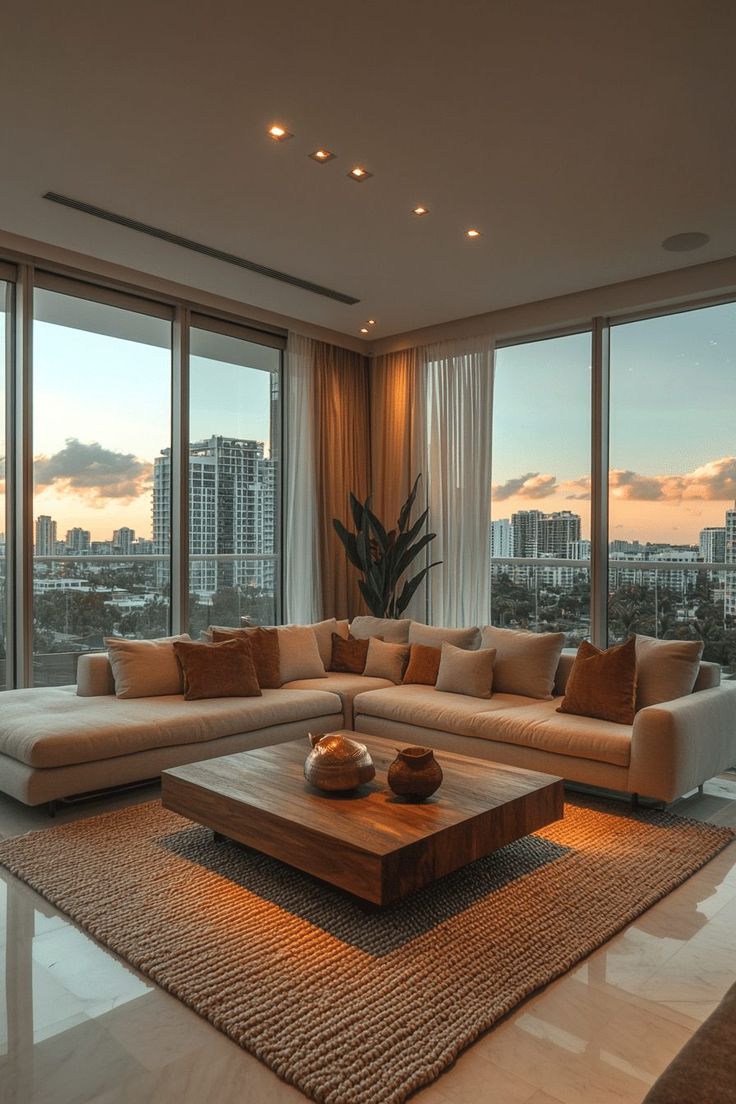
After years of restrained neutrals, saturated hues are back. Expect oxblood, forest green, indigo, ochre, and amber to anchor rooms, with complementary mid-tones on upholstery and rugs. Bold color works best when grounded by natural textures (oak, linen, stone) and balanced lighting.
How to try it:
1、Paint a single architectural element (fireplace wall, built-ins).
2、Add a statement sofa/chair in velvet or textured weave.
3、Tie the palette with artwork, cushions, and a patterned rug.
2. Embracing Curves and Organic Forms
Curved sofas, waterfall islands, arched doorways, and round coffee tables soften hard lines and improve flow. Organic forms feel inviting and pair well with both minimalist and maximalist schemes.
How to try it:
1、Swap a rectangular coffee table for an oval/round piece.
2、Choose scalloped or bullnose edges on consoles and counters.
3、Use arched mirrors or rounded lighting to echo the geometry.
3. The Rise of Quiet Luxury
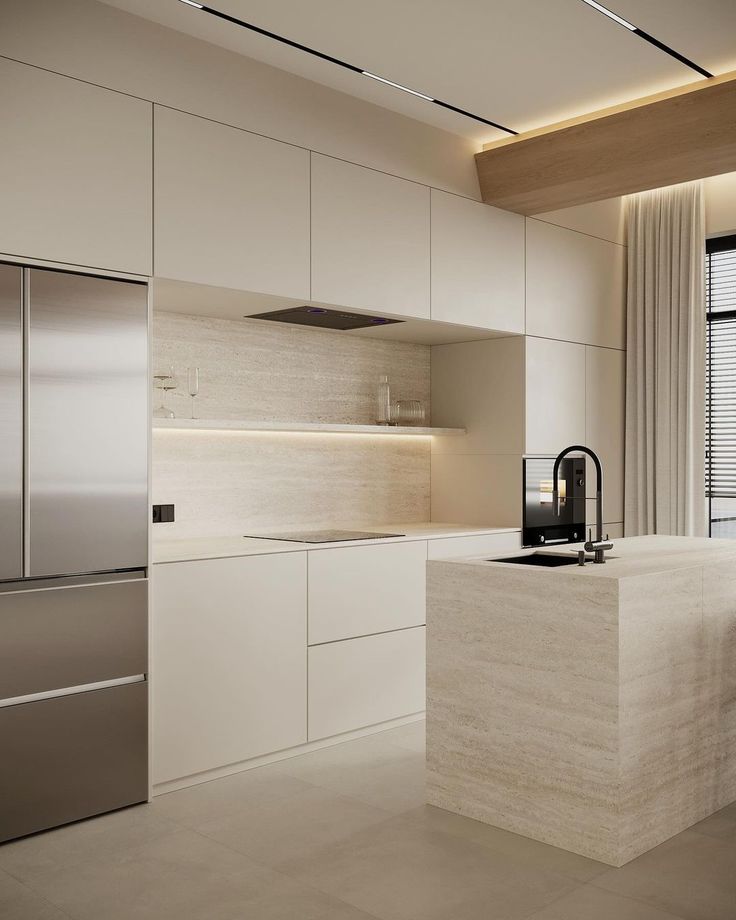
Quiet luxury focuses on quality over logos—tailored silhouettes, premium but durable materials, and impeccable finishing. Think wool bouclé, full-grain leather, solid wood joinery, and stone with honed finishes.
How to try it:
1、Invest in one heirloom piece (sofa/dining table) and keep accessories minimal.
2、Stick to a calm palette (warm whites, taupe, mink, charcoal) layered with texture.
3、Prioritize craftsmanship: dovetail joints, solid frames, branded hardware.
4. Sustainable and Eco-Friendly Design
Eco choices are now standard: FSC-certified woods, recycled or rapidly renewable materials (bamboo, rattan), water-based finishes, and furniture built for repair.
How to try it:
1、Ask for certifications (FSC, low-VOC) before purchase.
2、Choose modular furniture with replaceable parts and slipcovers.
3、Upcycle: refinish vintage wood pieces; reupholster quality frames.
5. Mixing Old and New: The Art of Eclectic Design
Eclectic rooms layer vintage with contemporary to create character and reduce waste. The trick is cohesion: repeat a few colors, metals, or textures across eras.
How to try it:
1、Pair a modern sofa with an antique sideboard and contemporary art.
2、Use one unifying element (brass hardware, black frames, or a color family).
3、Balance profiles: one bold statement + several quiet companions.
6. The Influence of Global Design
Global influences add depth—Japanese wabi-sabi restraint, Mediterranean warmth, Nordic simplicity, Middle Eastern patterns. Borrow thoughtfully and respectfully.
How to try it:
1、Focus on authentic materials: linen, wool, terra-cotta, cane, carved wood.
2、Add one hero pattern (kilim, ikat, zellige) and keep the rest calm.
3、Support artisans and fair-trade makers when possible.
7. Multifunctional and Flexible Spaces
Homes work harder than ever. Look for nesting tables, fold-down desks, sleeper sofas, partition shelving, and mobile islands that adapt to daily life.
How to try it:
1、Use modular seating to reconfigure layouts for guests or work.
2、Add a console that flips into a dining table; choose storage ottomans.
3、Zone with rugs and lighting rather than permanent walls.
8. Embracing Texture and Tactile Experiences
Texture makes neutral rooms feel rich: ribbed wood, boucle, chenille, limewash, plaster, and nubby linens. Mix coarse and smooth for balance.
How to try it:
1、Combine a flat-woven rug with a boucle chair and ribbed timber credenza.
2、Choose matte paints or limewash on a feature wall.
3、Layer throws and cushions in varying weaves and pile heights.
9. The Influence of Technology in Home Design
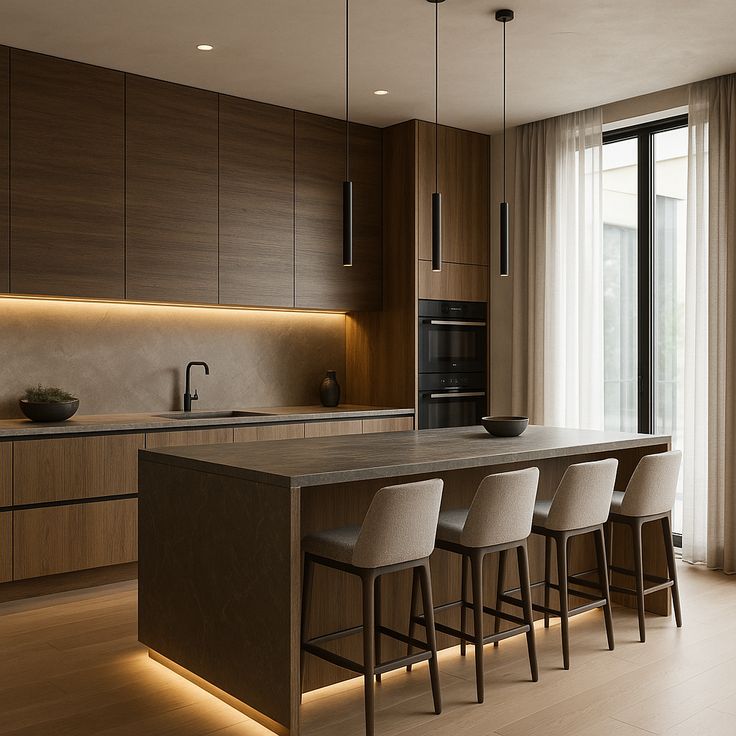
Design-forward tech is nearly invisible: smart dimmers, motorized blinds, built-in wireless chargers, and thin-bezel TVs that double as art. Kitchens get induction, steam ovens, and smart refrigeration; living rooms lean into acoustic panels and integrated speakers.
How to try it:
1、Plan outlets and charging in side tables and islands.
2、Use smart bulbs/scenes for task vs. ambient lighting.
3、Hide hubs and route cables early to keep spaces clean.
10. The Return of Maximalism
Pattern play, collected art, saturated color, and layered styling make a comeback—but with curation. It’s about storytelling, not clutter.
How to try it:
1、Start with a patterned rug or wallpaper, then echo two colors elsewhere.
2、Display collections in groups; rotate pieces seasonally.
3、Use large-scale art to organize visual energy.
11. Bringing the Outdoors In: Biophilic Design
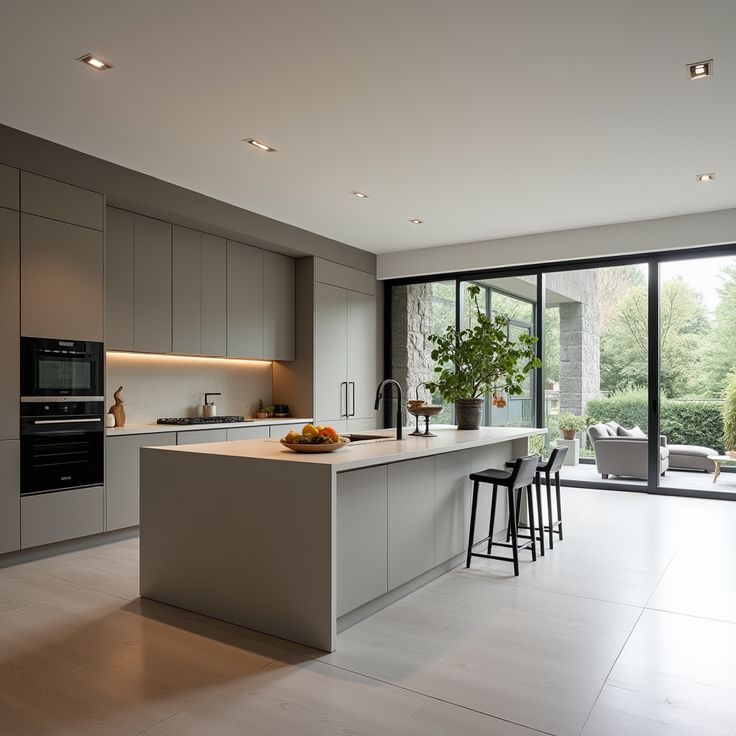
Plants, natural light, water features, and organic materials support well-being. Stone, timber, clay, and woven fibers connect interiors to nature.
How to try it:
1、Prioritize daylight: sheer drapery, reflective surfaces, and skylights.
2、Add layered greenery (floor plants + shelf planters + trailing vines).
3、Choose natural finishes—oiled wood, jute, wool, rattan.
Conclusion:
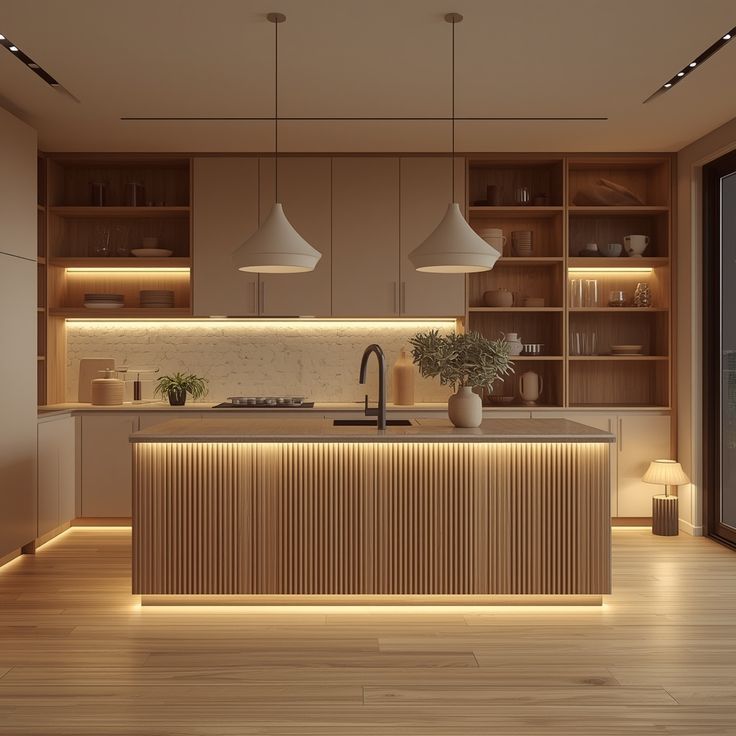
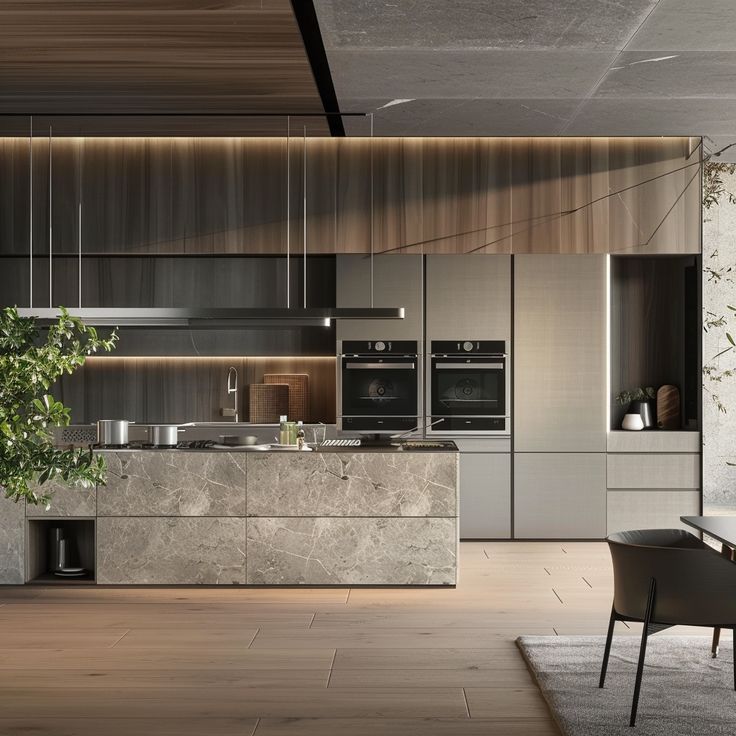
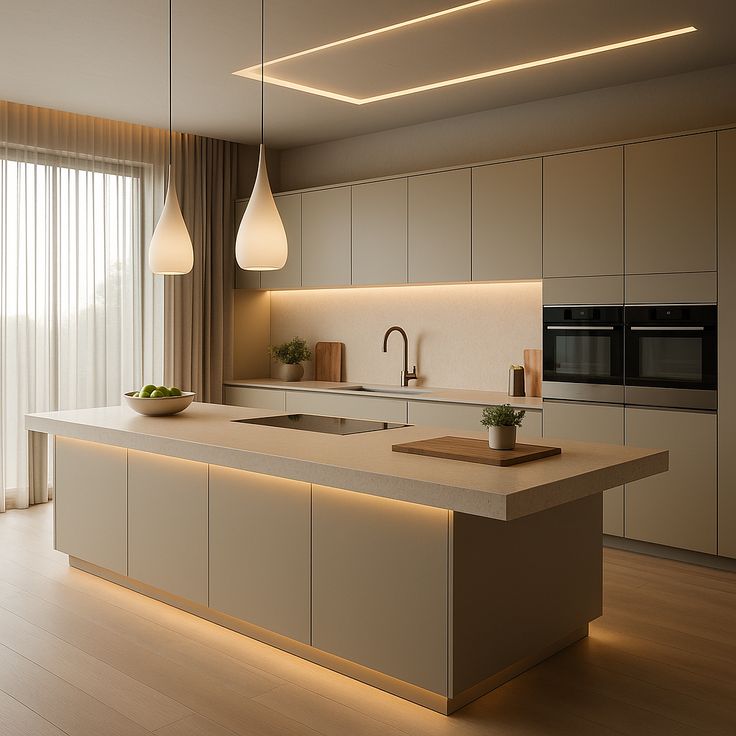
The strongest home furnishing trends in 2025 share a theme: thoughtful comfort. Blend bold color with calming textures, invest in a few quality anchors, choose sustainable materials, and weave in discreet technology. Then edit—keeping only what serves your lifestyle and tells your story. For kitchen inspiration, explore Best Open Kitchen Design Trends for Modern Homes.
FAQs — Top Home Furnishing Trends for 2025
Q1. What colors are trending in the 2025 Home Furnishing Trends?
Rich, saturated hues—oxblood, forest green, indigo, ochre—are central to the Home Furnishing Trends for 2025. They’re balanced with warm neutrals like taupe, sand, and mushroom, plus natural wood tones to keep spaces grounded and livable.
Q2. What is “quiet luxury” and how is it different from minimalism in current Home Furnishing Trends?
In 2025 Home Furnishing Trends, quiet luxury is all about premium materials, craftsmanship, and tailored silhouettes—less about owning less, more about owning better. Minimalism focuses on reduction; quiet luxury focuses on refinement, texture, and subtle detail.
Q3. How do I mix vintage and modern according to Home Furnishing Trends for 2025?
To follow 2025 Home Furnishing Trends without looking messy, repeat a few constants: one metal finish, two core colors, and a recurring texture. Use one statement vintage piece per zone (a cabinet, chair, or light), then support it with calmer contemporary furniture.
Q4. Which sustainable choices matter most in Home Furnishing Trends now?
Key sustainability-driven Home Furnishing Trends include choosing FSC-certified woods, low-VOC finishes, and recycled or rapidly renewable materials like bamboo and rattan. Furniture designed for repair—removable covers, replaceable parts—is increasingly important for long-term use.
Q5. I love bold color—how do I use it in a small space without breaking the Home Furnishing Trends?
Current Home Furnishing Trends favor bold color in controlled doses. Apply strong hues to one area (an accent wall, sofa, or rug) and keep surrounding finishes low-contrast and quiet. Add mirrors and layered lighting so the room feels intimate, not cramped.
Q6. What’s the easiest way to introduce curves and organic forms in line with 2025 Home Furnishing Trends?
One of the strongest Home Furnishing Trends is softening geometry. Swap strict rectangles for round or oval coffee tables, arched mirrors, bullnose edges, and subtly curved sofas or dining chairs. These shifts make circulation smoother and rooms feel more relaxed.
Q7. Which smart-home features fit Home Furnishing Trends without dating quickly?
Timeless tech within Home Furnishing Trends focuses on function, not gadgets: scene-based lighting (dimmers and smart bulbs), motorized shades, hidden wireless charging, and platform-agnostic hubs. Keep devices discreet, integrated into furniture or architecture, and easy to service.
Q8. How can I make rooms multifunctional while staying on-trend?
2025 Home Furnishing Trends emphasize flexibility. Use modular sofas, nesting tables, fold-down desks, storage ottomans, and open shelving that can zone space without building walls. Rugs and lighting define “work,” “relax,” or “dine” zones inside one open-plan room.
Q9. How do I layer texture effectively in Home Furnishing Trends?
Texture is a major pillar of Home Furnishing Trends. Combine opposites: smooth stone with nubby bouclé, ribbed wood with linen, matte limewash with polished metal. Limit yourself to three or four key textures per room so the space feels intentional, not chaotic.
Q10. Maximalism is back in Home Furnishing Trends—how do I avoid clutter?
Maximalist Home Furnishing Trends are curated, not chaotic. Start with one hero pattern or artwork, echo two or three of its colors around the room, and group collections instead of scattering them. Leave negative space (blank walls, simple surfaces) so the eye can rest.
Q11. Any budget-friendly ideas for biophilic Home Furnishing Trends?
For budget biophilic Home Furnishing Trends, prioritize daylight with sheer curtains, add layered plants (floor pots, shelf plants, trailing greens), and choose natural fibers like jute and wool. Clay, terracotta, and stone accessories bring warmth without major construction.
Q12. How often should I update my space to follow Home Furnishing Trends without creating waste?
A smart approach to Home Furnishing Trends is to refresh the “soft layer” every 2–3 years—textiles, smaller lighting, accent decor—while keeping core investment pieces (sofas, dining tables, main storage) timeless, neutral, and well-made. This balances freshness with sustainability.