Wardrobe Buying Guide: How To Choose The Right supplier And Design For Your Project
November ,11 2025
This guide explores modern wardrobes designed for developers, builders, and contractors. Discover how quality materials and smart customization make wardrobes both durable and stylish for any project.
Source
Introduction
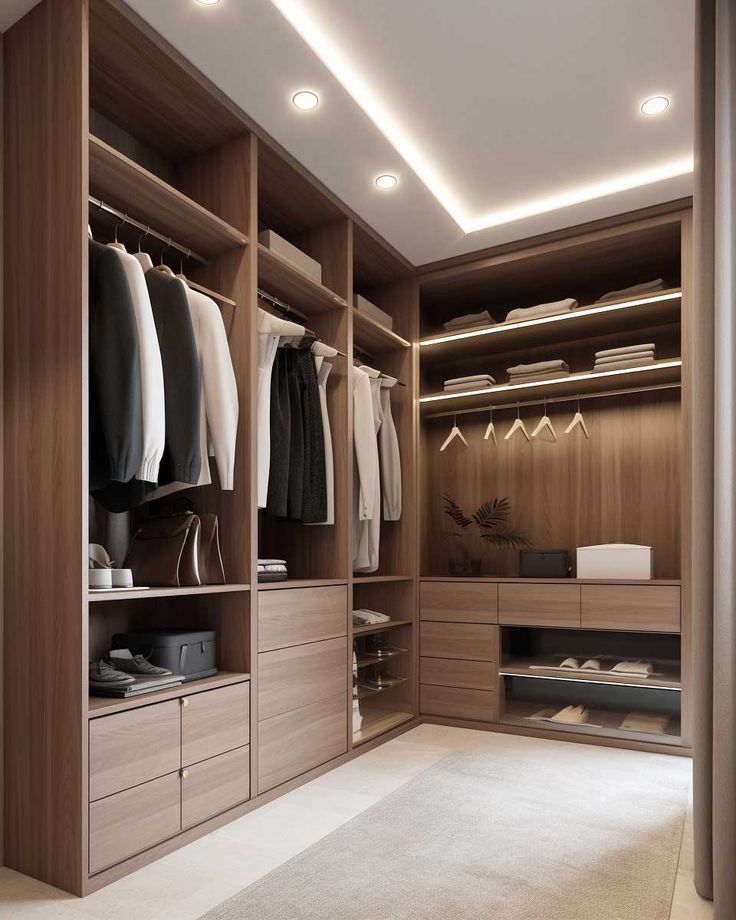
A well-designed wardrobe is more than just a storage solution — it’s a central feature that defines the comfort, style, and functionality of any bedroom or dressing area. For developers and builders, wardrobes also play a critical role in project value, resale potential, and customer satisfaction. This Wardrobe Buying Guide explores how the right wardrobe design and material choices can elevate every project — from hotel suites and apartment developments to high-end villas — combining durability, aesthetics, and smart customization for long-term value.
Types of Wardrobes
When it comes to modern wardrobe design, variety matters. Each project type — from compact apartments to luxury residences — requires a different wardrobe configuration. Below are the most common types used in contemporary interior design.
1. Hinged Door Wardrobes
Traditional yet timeless, hinged door wardrobes offer full access to the closet space. They’re ideal for larger rooms or master bedrooms where space isn’t limited. Developers often choose hinged wardrobes for villas and luxury projects because they allow for more design detailing, such as handles and moldings.
2. Sliding Door Wardrobes
Perfect for modern apartments or smaller rooms, sliding door wardrobes save space while maintaining a sleek, minimalist look. Aluminum or steel tracks ensure smooth operation, while panels can be finished in glass, mirror, or laminate for a stylish touch.
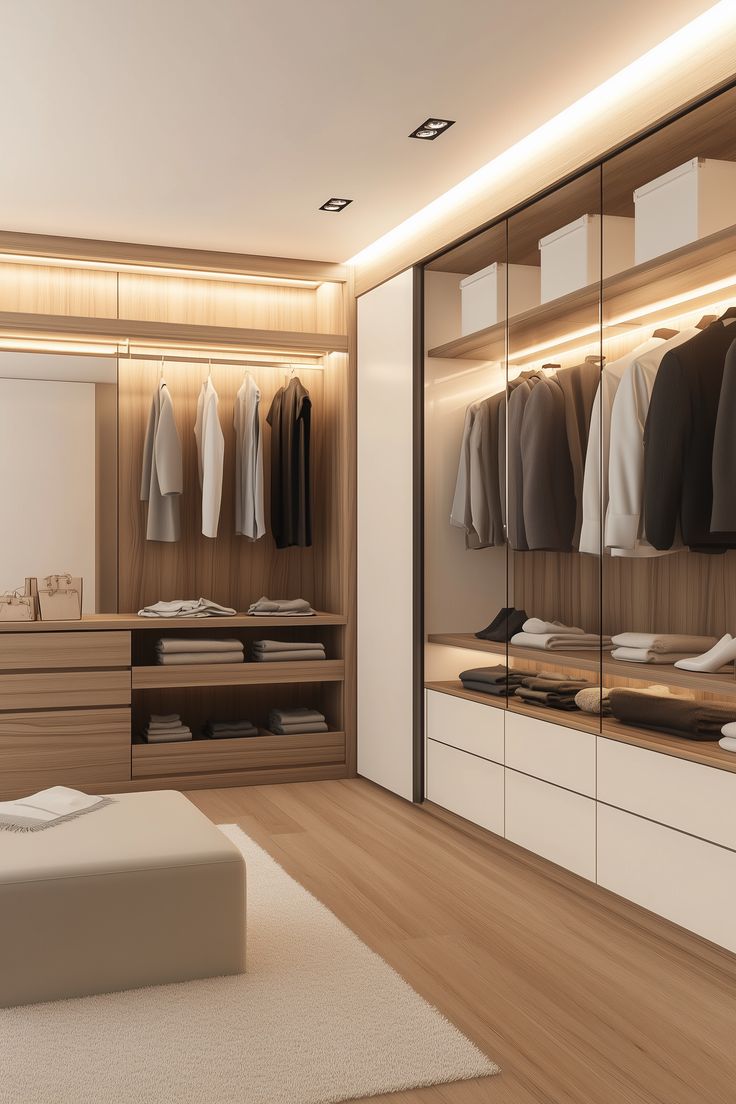
3. Walk-in Wardrobes
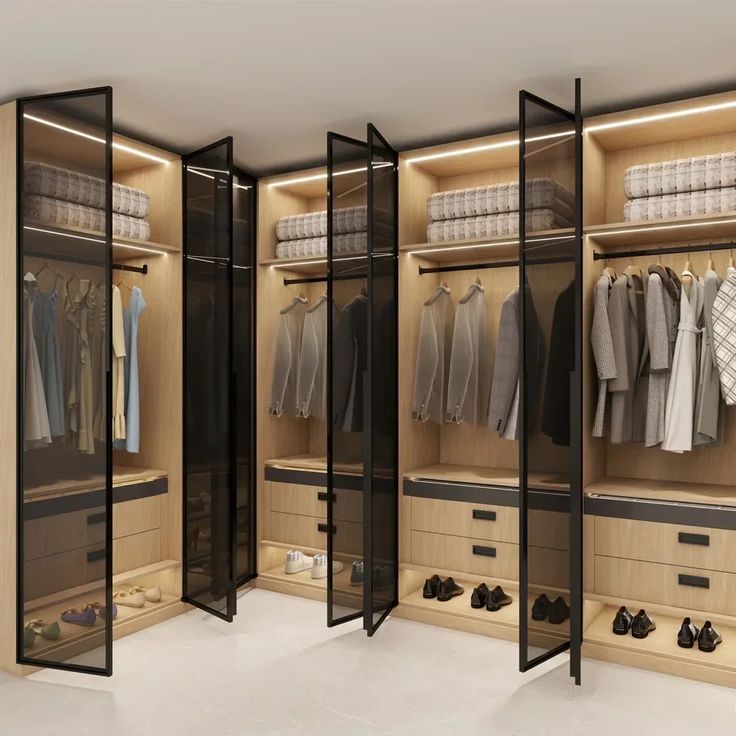
The ultimate in luxury storage, walk-in wardrobes are designed for premium projects. These customized spaces often include integrated lighting, drawers, mirrors, and modular shelving. Builders can use walk-ins to add a high-value feature to their property offerings.
4. Built-in Wardrobes
Built-in wardrobes maximize space utilization by fitting flush against the wall. They are perfect for apartment buildings or hotel rooms where every inch counts. Builders appreciate them for their seamless look and long-term durability.
5. Freestanding Wardrobes
Although less common in large developments, freestanding wardrobes remain popular in rental apartments or budget projects due to their easy installation and flexibility.
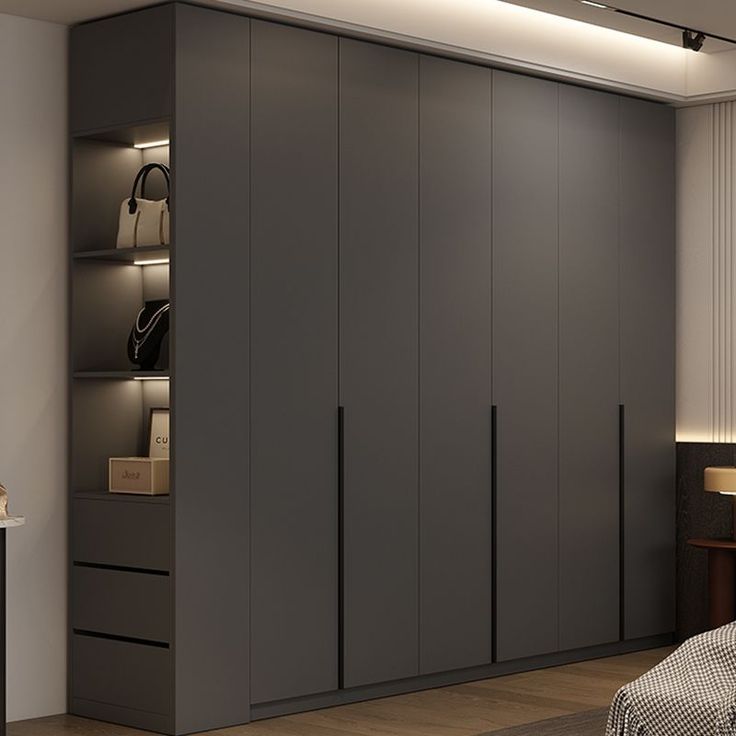
Key Materials Used in Wardrobes — Wardrobe Buying Guide
Selecting the right material ensures a wardrobe’s longevity and visual consistency across projects. Each option provides unique advantages depending on budget, climate, and project scale.
For an in-depth look at material performance, see our Plywood Kitchen Cabinets Guide — many of the same principles apply to wardrobe construction.
1. MDF (Medium-Density Fiberboard)
MDF remains one of the most popular wardrobe materials thanks to its affordability and smooth, paint-ready surface. Ideal for laminated or lacquered designs, it suits both modern apartments and classic interiors.
2. Plywood
Highly durable and naturally moisture-resistant, plywood is perfect for wardrobes in humid regions or coastal developments. It’s also the preferred choice for developers seeking long-lasting quality and strength.
3. Particleboard
A cost-effective alternative to MDF, particleboard is lightweight and suitable for large-volume production, although less durable in high-moisture areas.
4. Solid Wood
Solid wood wardrobes add unmatched natural warmth and craftsmanship. Though more expensive, materials like oak, walnut, and maple elevate luxury residential and villa projects.
5. Glass and Aluminum
For modern, minimalist interiors, glass-front wardrobes framed with aluminum or stainless steel offer a sleek, contemporary aesthetic — ideal for premium apartments or penthouses.
Pros and Cons of Popular Wardrobe Materials
Material | Pros | Cons | Cost |
Plywood | Strong, versatile, and good for low-moisture areas | Can be heavy, and requires finishing touches | Mid-Range |
Particle Board | Affordable, eco-friendly, good for decorative purposes | Not very strong, not water-resistant | Low to Mid-Range |
MDF | Smooth surface, good for paint, stable | Not water-resistant, susceptible to swelling | Mid-Range |
Wood Plastic Composites (WPC) | Eco-friendly, water-resistant, versatile | Can be more expensive than particle board | Mid-Range to High-End |
Veneer | Affordable alternative to solid wood, good looks | Scratch-prone, requires care | Mid-Range |
Solid Wood | Unmatched elegance, highly durable | Most expensive option, requires maintenance | High-End |
Laminate | Durable, water-resistant, variety of colors and finishes | Can chip, may look less natural than other options | Mid-Range |
Glass/Acrylic | Modern look, visually spacious | Fragile, lacks privacy, requires frequent cleaning | Mid-Range to High-End |
Metal/Leather | Unique appearance, statement piece | Most expensive option, may not suit all styles, requires maintenance (leather) | High-En |
Design & Customization Options — Wardrobe Buying Guide
As emphasized in this Wardrobe Buying Guide, customization lies at the heart of every successful modern wardrobe design. For developers and builders, it’s the key to creating distinctive interiors that align with architectural layouts, market positioning, and client expectations.
1. Interior Layout
A functional wardrobe begins with a well-planned internal structure. Choose from flexible configurations such as hanging rails, adjustable shelves, pull-out drawers, and shoe racks. Smart layouts enhance organization, maximize storage capacity, and improve daily convenience — particularly valuable for apartment and hotel projects.
2. Finishes
Finishes define both aesthetics and longevity. From matte laminates to high-gloss lacquers, the right surface treatment determines the wardrobe’s character and durability. Developers working on premium or export projects often prefer UV-lacquered or anti-fingerprint PET finishes for their smooth texture and resistance to wear.
3. Hardware
Quality hardware ensures long-term performance and customer satisfaction. Using soft-close hinges, durable drawer runners, and precision-engineered sliding tracks not only enhances usability but also minimizes after-sales maintenance — a crucial factor in large-scale developments.
4. Lighting Integration
Integrated LED lighting transforms the wardrobe into a luxurious, functional space. As noted in this Wardrobe Buying Guide, adding strip or motion-sensor lighting is especially effective in walk-in closets or darker interiors, elevating both user experience and perceived property value.
5. Color Palette
Color choice sets the tone of a room. Timeless neutrals such as white, beige, and oak create warmth and versatility, while modern shades like graphite gray, walnut brown, or navy blue add sophistication and visual contrast for luxury developments.
By combining these design and customization strategies, developers can deliver wardrobes that are not only visually cohesive but also durable, functional, and perfectly aligned with each project’s vision — the ultimate goal highlighted throughout this Wardrobe Buying Guide.
Project Considerations for Developers & Builders — Wardrobe Buying Guide
For large-scale or multi-unit developments, wardrobe selection involves more than aesthetics. As highlighted in this Wardrobe Buying Guide, developers and builders must evaluate multiple practical and commercial factors to ensure efficiency, consistency, and long-term performance.
1. Durability & Material Consistency
Choose wardrobe materials that maintain structural stability across diverse environments — especially in regions with high humidity or temperature fluctuations. Plywood and moisture-resistant MDF remain top choices for international projects requiring lasting performance.
2. Installation Efficiency
Prefabricated or modular wardrobe systems can significantly reduce installation time and labor costs. Partner with suppliers who provide detailed 2D and 3D drawings to optimize layouts and streamline on-site installation for bulk projects.
3. Budget Planning
Balance material quality with cost efficiency. For large apartment developments, combining MDF frames with laminate or PET finishes often achieves the ideal balance between affordability and durability.
4. Customization for Target Buyers
As emphasized in this Wardrobe Buying Guide, understanding your target market is essential.
Luxury projects: Focus on high-end design flexibility—integrated lighting, glass or mirror doors, and premium hardware.
Commercial or rental projects: Prioritize practicality, easy maintenance, and scratch-resistant surfaces.
5. Supplier Reliability
Partnering with a professional wardrobe manufacturer ensures consistent quality, stable lead times, and reliable after-sales support. Always look for suppliers with proven international project experience, export certifications, and flexible OEM/ODM capability.
Maintenance & Care Tips — Wardrobe Buying Guide
Even the most durable wardrobe requires proper maintenance to preserve its beauty and performance. As emphasized in this Wardrobe Buying Guide, consistent care ensures long-term value for both residential and commercial projects.
Regular Cleaning: Wipe all surfaces with a soft, damp cloth to remove dust and fingerprints. This simple routine helps maintain a clean, polished finish.
Avoid Moisture: Keep wardrobes away from direct water exposure and ensure proper ventilation, especially in humid or coastal environments.
Lubricate Hinges & Tracks: Apply a small amount of lubricant to keep sliding doors or hinges operating smoothly.
Use Gentle Cleaners: Avoid harsh chemicals that may damage laminate, PET, or lacquer finishes.
Check Hardware Periodically: Tighten handles, knobs, or screws regularly to prevent unnecessary wear and ensure long-term stability.
By following these simple maintenance steps, as highlighted in this Wardrobe Buying Guide, you can extend the life of every wardrobe while maintaining its elegant appearance and smooth functionality for years to come.
Conclusion
The Wardrobe Buying Guide emphasizes that choosing the right wardrobe is not just about design — it’s about achieving the perfect balance of functionality, durability, and long-term value. For developers and builders, wardrobes play a vital role in enhancing property appeal, improving buyer satisfaction, and strengthening overall project competitiveness.
By selecting quality materials such as plywood or MDF, choosing modern sliding or walk-in designs, and collaborating with experienced wardrobe suppliers, each project can achieve both elegance and practicality. A well-planned wardrobe system doesn’t just store clothes — it organizes lifestyles, streamlines daily routines, and reflects the craftsmanship behind every development.
Whether you’re designing boutique apartments, large housing complexes, or luxury villas, this Wardrobe Buying Guide helps you invest wisely in wardrobe solutions that guarantee lasting quality, visual harmony, and market advantage for years to come.
FAQ:
1. What is the purpose of this Wardrobe Buying Guide?
This Wardrobe Buying Guide is designed to help developers, builders, designers, and homeowners choose the right wardrobe supplier and wardrobe design for their projects. It covers key points like material selection, hardware quality, design flexibility, installation, and after-sales support.
2. What factors should I consider when choosing a wardrobe supplier for my project?
According to this Wardrobe Buying Guide, you should look at:
Proven project experience (apartments, villas, hotels, etc.)
Material and hardware specifications
Design and customization capabilities
Production capacity and lead times
Quality control and warranty terms
A good supplier should support you from design to installation—not just sell boxes.
3. How do I know if a wardrobe supplier can handle large developer or multi-unit projects?
Use this Wardrobe Buying Guide to check:
Whether they have references for multi-unit apartment or villa projects
If they can standardize modules across unit types
Their ability to label, pack, and ship by building/floor/unit
Whether they offer technical drawings and logistics support for big sites
Suppliers experienced with large projects will have clear processes and documentation.
4. What materials should I look for in a high-quality wardrobe system?
A practical Wardrobe Buying Guide will suggest you focus on:
Moisture-resistant boards (particle board, MDF, or plywood)
Durable finishes (melamine, laminate, PET, veneer, or painted)
Quality edge banding and stable carcass construction
The right core and finish combination depends on project level (rental, mid-range, luxury).
5. How important are hardware and accessories in this Wardrobe Buying Guide?
Very important. Hardware determines how the wardrobe feels and lasts. Look for:
Soft-close hinges and drawer runners
Strong hanging rails and shelf supports
Optional pull-outs, baskets, tie racks, shoe racks, and lighting
A good Wardrobe Buying Guide always treats hardware as a key investment, not a minor detail.
6. How can I choose the best wardrobe layout for apartments vs villas?
This Wardrobe Buying Guide recommends:
Apartments: maximize storage with full-height wardrobes, sliding doors in tight spaces, and basic internal modules that work for most users.
Villas / high-end homes: more flexible layouts with walk-in wardrobes, open systems, islands, and specialized storage (bags, jewelry, shoes).
Match the layout to the lifestyle and price point of your end users.
7. What wardrobe door style is best: hinged, sliding, or open?
In the Wardrobe Buying Guide context:
Hinged doors: classic, full access to the interior, need more swing space.
Sliding doors: space-saving for small rooms and corridors, ideal for apartments.
Open systems: visually light and modern, best for walk-ins or dressing rooms in villas.
Project type, room size, and design style will guide the best choice.
8. How do color and finish choices affect project value?
A smart Wardrobe Buying Guide suggests using:
Neutral colors (white, light grey, beige, light wood) for broad appeal and easier resale
Wood or wood-look finishes to add warmth
More daring colors or glass accents only in premium or show units
Consistent, timeless finishes across units help developers control costs and maintenance.
9. What should I ask about installation when choosing a wardrobe supplier?
This Wardrobe Buying Guide recommends asking:
Who is responsible for installation (supplier team or local contractor)?
Do they provide detailed installation drawings and hardware lists?
How are units labeled and packed for easy installation on site?
What support is available if site conditions differ from plans?
Clear answers reduce delays and problems during fit-out.
10. What is the first step if I want to follow this Wardrobe Buying Guide for my next project?
Start by:
Defining your project type (apartment, villa, hotel, mixed-use) and target buyer.
Setting a realistic budget per wardrobe or per unit.
Shortlisting suppliers who can meet your design, quality, and capacity needs.
Then use this Wardrobe Buying Guide as a checklist during discussions—so you compare suppliers on the same criteria instead of just price.