Total Cabinetry And Joinery Solution
ENG

Search
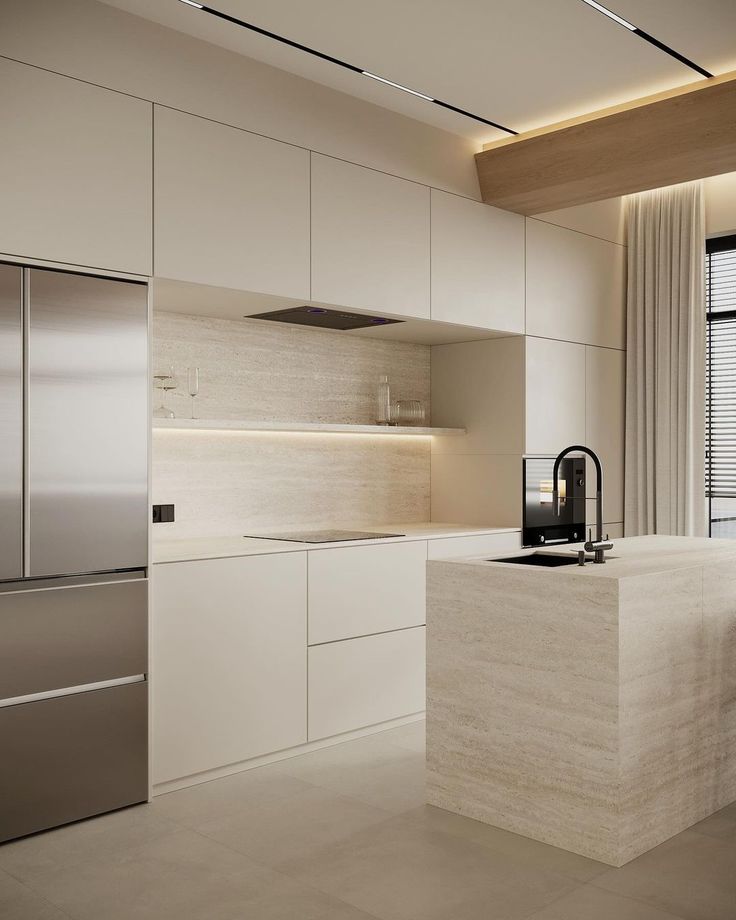
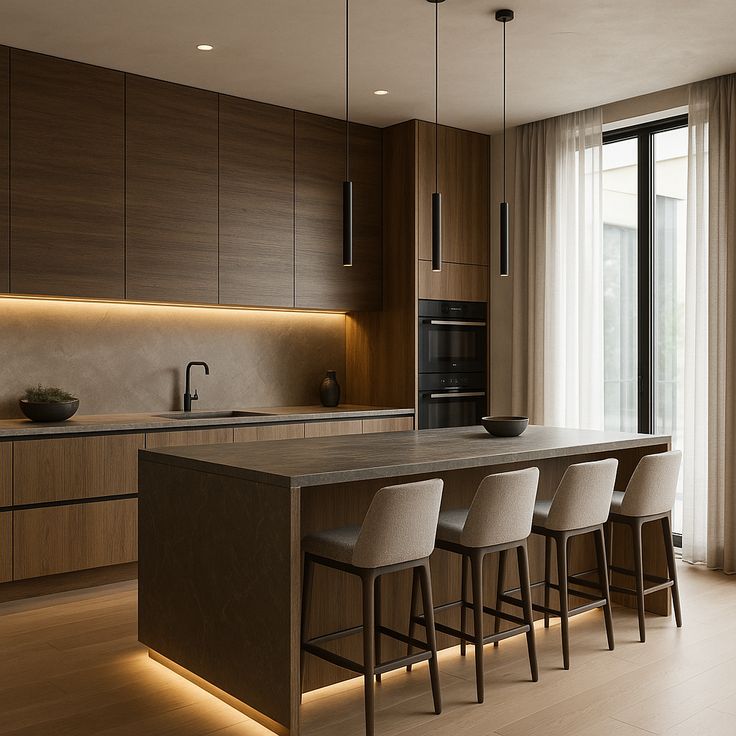
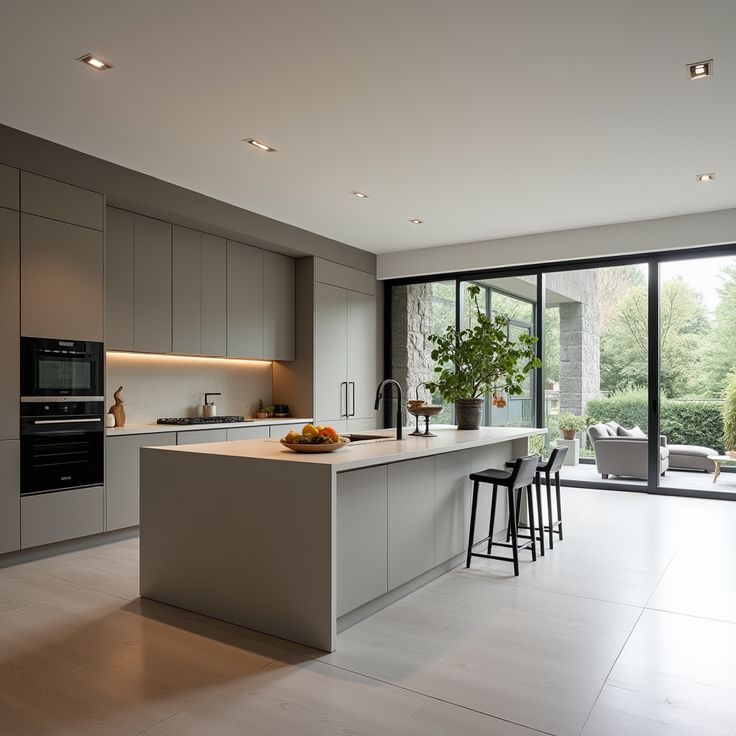
Stone kitchen benchtops remain one of the most popular choices for modern kitchens in 2026, offering a balance of durability, visual appeal, and long-term value. From residential homes to apartments and large-scale developments, stone surfaces are widely used for their resistance to heat, scratches, and daily wear.
This guide explains what you need to know about Stone Kitchen Benchtops, including material types, advantages, limitations, maintenance requirements, and selection tips.
1. Quartz Stone Benchtops (Engineered Stone)
Quartz benchtops are manufactured from natural quartz combined with resin and pigments.
Key Features
Non-porous surface
High stain resistance
Consistent color and pattern
Best For
Modern homes, apartments, rental properties, and projects requiring low maintenance.
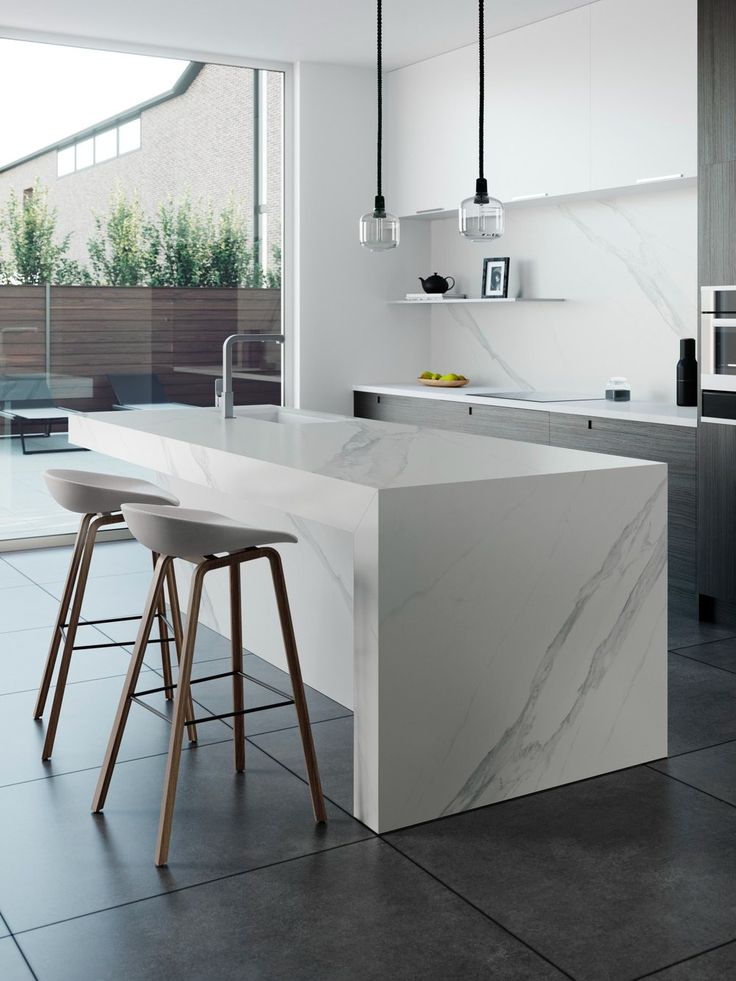
Granite is a natural stone known for its unique veining and strength.
Key Features
Excellent heat resistance
Natural variation in appearance
High durability
Best For
Luxury homes and kitchens that value natural stone aesthetics.
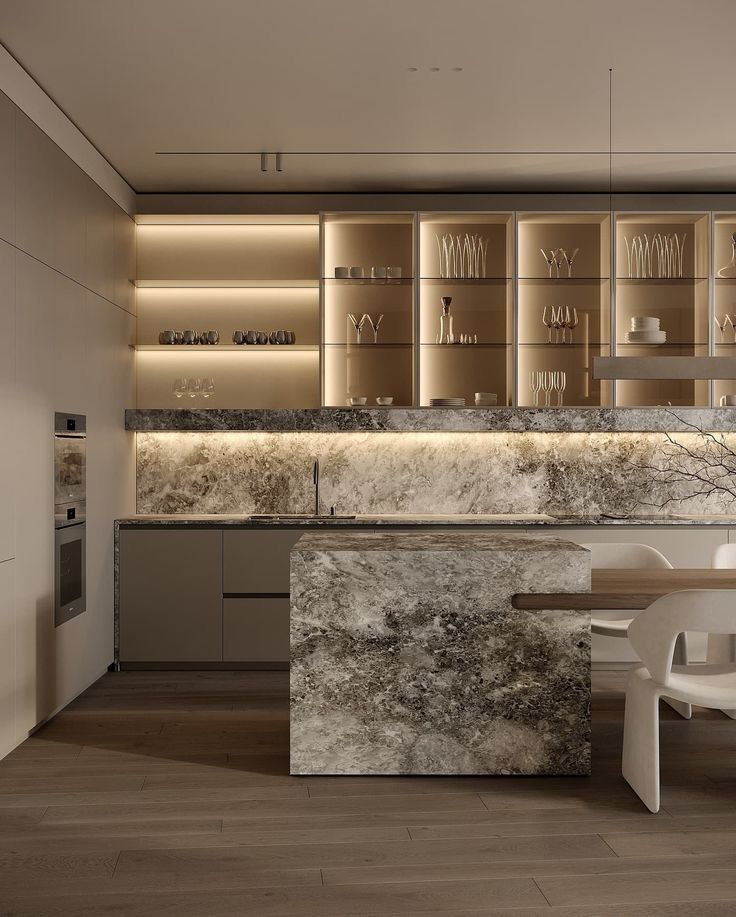
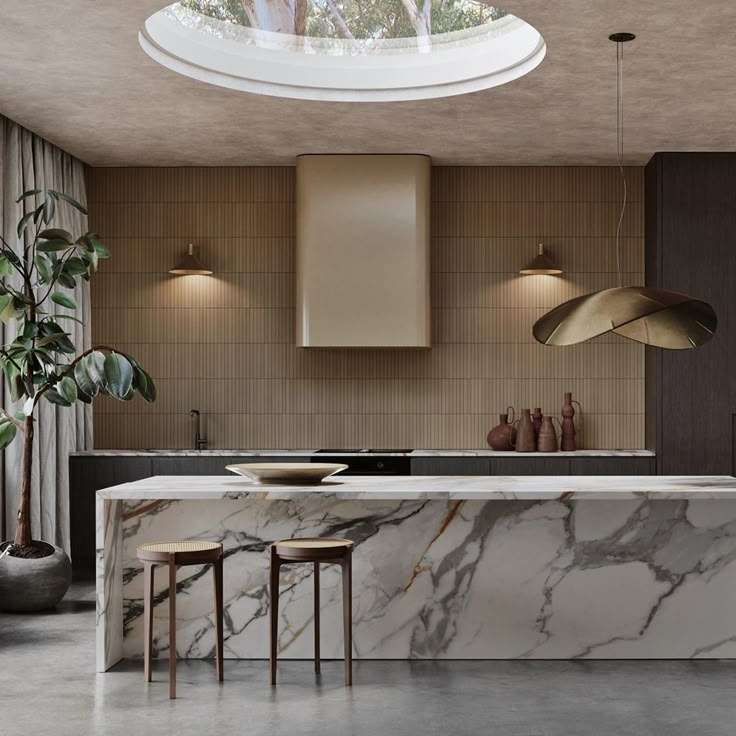
Marble offers a premium, elegant appearance but requires careful maintenance.
Key Features
Distinctive veining
Softer than granite
Porous surface
Best For
Statement kitchens, low-impact areas, or design-focused projects.
4. Sintered Stone / Porcelain Benchtops
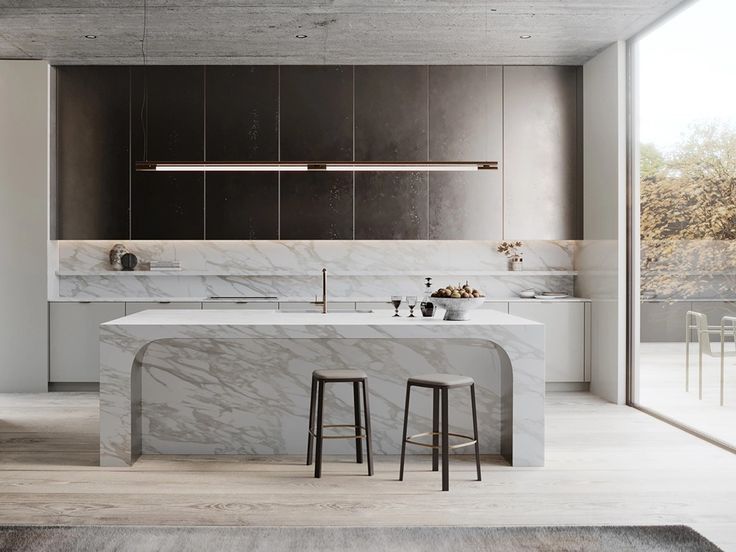
Sintered stone is a newer stone technology offering exceptional performance.
Key Features
Ultra-compact and non-porous
UV, heat, and scratch resistant
Suitable for indoor and outdoor use
Best For
High-use kitchens, commercial projects, and long-term developments.
Stone kitchen benchtops offer several long-term benefits:
High durability for daily cooking and prep
Heat and scratch resistance
Strong visual appeal and premium feel
Wide range of colors and textures
Increased property value
For many homeowners and developers, stone benchtops represent a reliable long-term investment.
While stone benchtops perform well, there are factors to consider:
Cost: Natural stone is usually more expensive than engineered options
Weight: Requires proper cabinet support
Maintenance: Some stones need sealing (granite, marble)
Edge detailing: Impacts both price and durability
Understanding these factors helps avoid unexpected issues during installation or long-term use.
To maintain stone kitchen benchtops:
Clean daily with mild detergent and soft cloth
Avoid acidic cleaners on natural stone
Wipe spills promptly, especially wine or oil
Reseal natural stone periodically if required
Engineered and sintered stone options require minimal ongoing care.
When selecting stone kitchen benchtops, consider:
Kitchen usage level (home vs rental vs project)
Desired maintenance level
Color coordination with cabinets and flooring
Budget and long-term ownership goals
A well-chosen stone benchtop should complement both function and design.
Stone kitchen benchtops continue to be a leading choice in 2026 for kitchens that prioritize durability, aesthetics, and long-term performance. Whether using quartz for low maintenance, granite for natural beauty, or sintered stone for maximum durability, stone surfaces provide reliable value across residential and project-based kitchens.
By understanding material differences, maintenance needs, and design considerations, you can confidently choose the right Stone Kitchen Benchtops to suit both functional and visual requirements.
1. Are stone kitchen benchtops durable?
Yes. Stone kitchen benchtops are designed for long-term use and resist heat, scratches, and daily wear, especially quartz and sintered stone.
2. Do stone kitchen benchtops require sealing?
Natural stones like granite and marble usually require sealing. Quartz and sintered stone do not.
3. Which stone kitchen benchtop is easiest to maintain?
Quartz and sintered stone are the easiest to maintain due to their non-porous surfaces.
4. Are stone kitchen benchtops suitable for apartments?
Yes. Engineered stone options are commonly used in apartments due to durability, consistent appearance, and low maintenance.
5. Can stone kitchen benchtops crack?
Cracking is rare when installed correctly with proper cabinet support. Poor installation is the main cause of issues.
6. Are stone kitchen benchtops heat resistant?
Most stone benchtops resist heat well, but using trivets is recommended to protect finishes and joints.
7. Are stone kitchen benchtops suitable for high-use kitchens?
Yes. Stone kitchen benchtops are widely used in high-use environments such as family homes, rental properties, and multi-unit developments. Quartz and sintered stone perform particularly well because they resist staining, scratching, and moisture without requiring sealing.
8. How thick should stone kitchen benchtops be?
The most common thickness for stone kitchen benchtops is 20mm, which balances strength and cost.
For kitchen islands, waterfall edges, or commercial-grade projects, 30mm or laminated edges are often selected for added visual impact and durability.
9. Do stone kitchen benchtops work with all cabinet types?
Yes. Stone kitchen benchtops pair well with most cabinet materials, including MDF, plywood, solid timber, and metal cabinets. Proper cabinet leveling and structural support are essential to ensure long-term stability, especially for heavier natural stone slabs.
10. Are stone kitchen benchtops a good choice for resale value?
Yes. Kitchens featuring stone kitchen benchtops are generally perceived as higher quality and more durable, which can positively influence property resale value. Neutral stone colors are especially effective for resale-focused projects.