Total Cabinetry And Joinery Solution
ENG

Search

Choosing the right kitchen layout is one of the most important decisions in modern home design. In 2026, kitchens are evolving beyond cooking zones—they are now social hubs, meal-prep stations, and even work-from-home extensions. Whether you’re designing a compact apartment kitchen or planning a luxury open-concept space, the right layout can significantly improve efficiency, traffic flow, and overall aesthetics.
This guide compares the 8 most popular kitchen layouts, breaking down their advantages, disadvantages, ideal room sizes, and best use cases, helping homeowners, designers, and contractors make informed decisions.
Kitchen layouts refer to the structural arrangement of key elements in a kitchen—such as cabinets, countertops, appliances, and work zones (sink, stove, fridge). The layout determines workflow efficiency, known as the kitchen work triangle, which ensures smooth movement between washing, preparation, and cooking areas.
A well-designed kitchen layout can:
1、Maximize space utilization
2、Improve workflow and cooking speed
3、Enhance user comfort and ergonomics
4、Support different lifestyles (family use, professional cooking, rental units, open-plan living)
Overview
The Single-Wall Kitchen Layout, also known as a one-wall kitchen, positions all key elements—sink, stove, and refrigerator—along one linear wall. This layout is common in studio apartments, compact condos, and minimalist open-plan homes.
Pros
Advantage | Why It Matters |
Space-saving | Ideal for small apartments or narrow rooms |
Budget-friendly | Fewer cabinets and countertops reduce costs |
Open and airy | Leaves more room for dining or living space |
Easy to install | Simplified plumbing and electrical routing |
Disadvantage | Challenge |
Limited counter space | May restrict food prep area |
Less storage | Requires smart cabinet planning or vertical storage |
Functional triangle is stretched | Workflow may feel longer compared to other layouts |
Not ideal for multiple cooks | Space can feel congested when shared |
1、Small apartments & lofts
2、Rental properties
3、Budget-friendly renovations
4、Minimalist or Scandinavian kitchen designs

Overview
The Galley Kitchen Layout, also known as a parallel or corridor kitchen, features two opposing counters running parallel to each other. This linear setup creates an efficient workflow, making it a popular choice for professional chefs and homeowners with long, narrow spaces.
Pros
Advantage | Why It Matters |
Highly efficient workflow | The sink, stove, and fridge can be positioned within a compact work triangle. |
Maximizes storage | Two counter runs allow for upper and lower cabinets on both sides. |
Suited for cooking-focused lifestyles | Ideal for frequent cooks who need dedicated prep zones. |
Cost-effective | More economical than L-shaped or U-shaped layouts due to simpler design. |
Cons
Disadvantage | Challenge |
Can feel narrow/claustrophobic | Limited walking space, especially in tight corridors |
Not ideal for multiple cooks | Movement can be restricted with two or more people |
Limited social interaction | Cooking area often isolated from dining or living zones |
Requires sufficient clearance | Ideally needs 1000–1200 mm walkway width for ease of movement |
1、Long, narrow kitchen spaces
2、Apartment kitchens or compact homes
3、Homeowners focused on practical cooking rather than entertaining
4、Budget-conscious remodels
1、Families who cook together regularly
2、Open-concept kitchen lovers
3、Homes where the kitchen is also a social/entertainment hub
1、Keep the working triangle tight to reduce movement
2、Use tall cabinets or pull-out units for extra storage
3、Add under-cabinet lighting to reduce shadowing
4、If space permits, convert one side into a breakfast or drink bar

1、What it is: Energy-efficient windows (low-E, argon) and insulated entry/garage doors.
2、Best for: Drafty rooms, street noise, curb appeal.
3、Materials & styles: Fiberglass or clad-wood windows; steel or fiberglass entry doors; quiet, insulated garage doors.
4、Cost & timeline: $$$–$$$$ · 1–2 weeks (install schedule).
Pro tips: Specify warm-edge spacers, quality flashing, and proper shims; coordinate trim/paint for a cohesive facade.

1、What it is: All-electric air-source heat pump (or mini-split) with zoning and smart control.
2、Best for: Replacing aging furnaces/AC; comfort + efficiency.
3、Materials & styles: Ducted or ductless indoor units, variable-speed compressors.
4、Cost & timeline: $$$–$$$$ · 1–4 days.
Pro tips: Right-size the system; seal/insulate ducts; add room sensors for even temperatures.

1、What it is: Solar panels with optional storage for resilience and bill reduction.
2、Best for: Sunny roofs, high electricity rates.
3、Materials & styles: High-efficiency modules, hybrid inverters, lithium battery storage.
4、Cost & timeline: $$$$ · 1–3 days install (+ permitting).
Pro tips: Plan main panel capacity; reserve roof space for future arrays or skylights; monitor app to optimize usage.

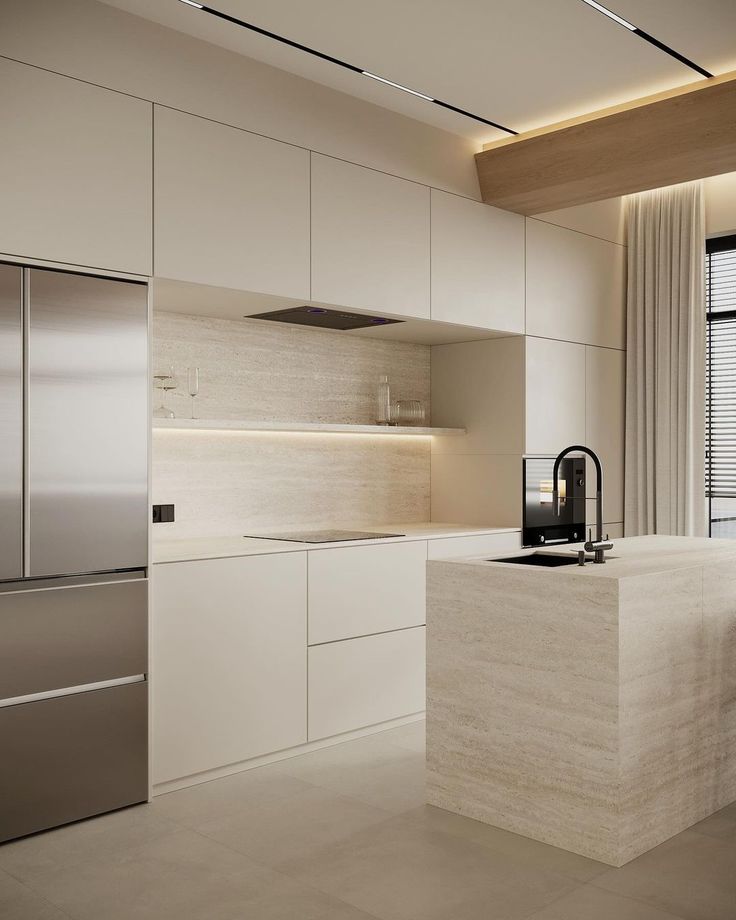
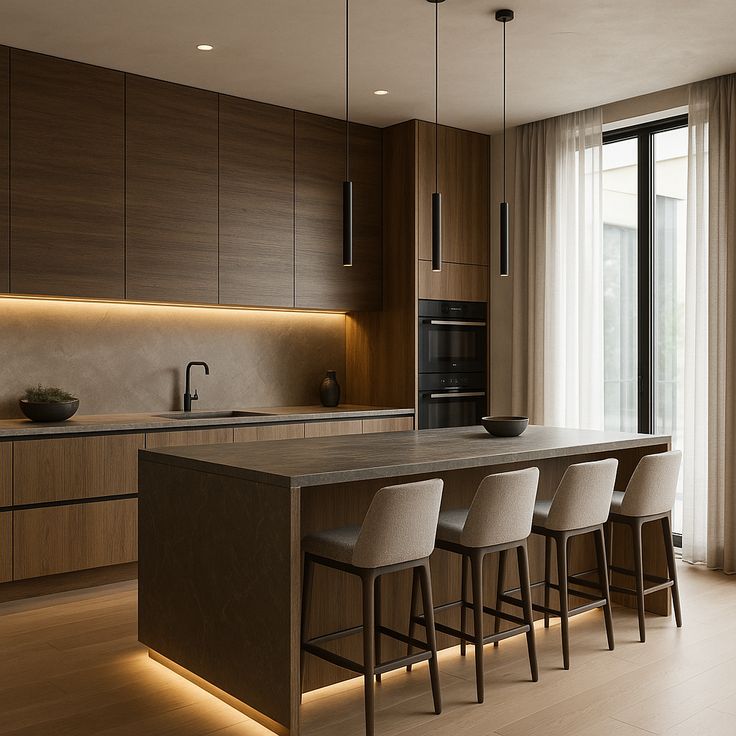
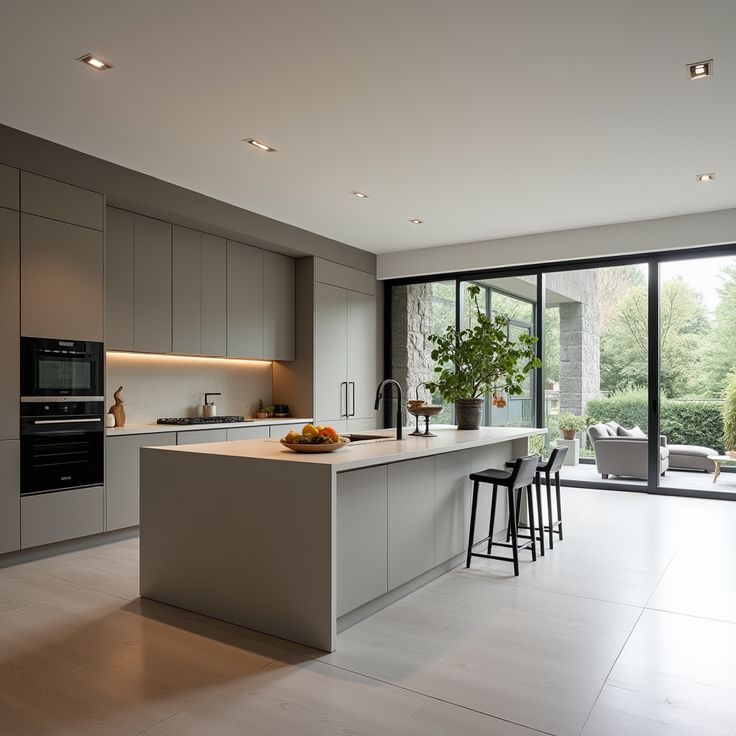
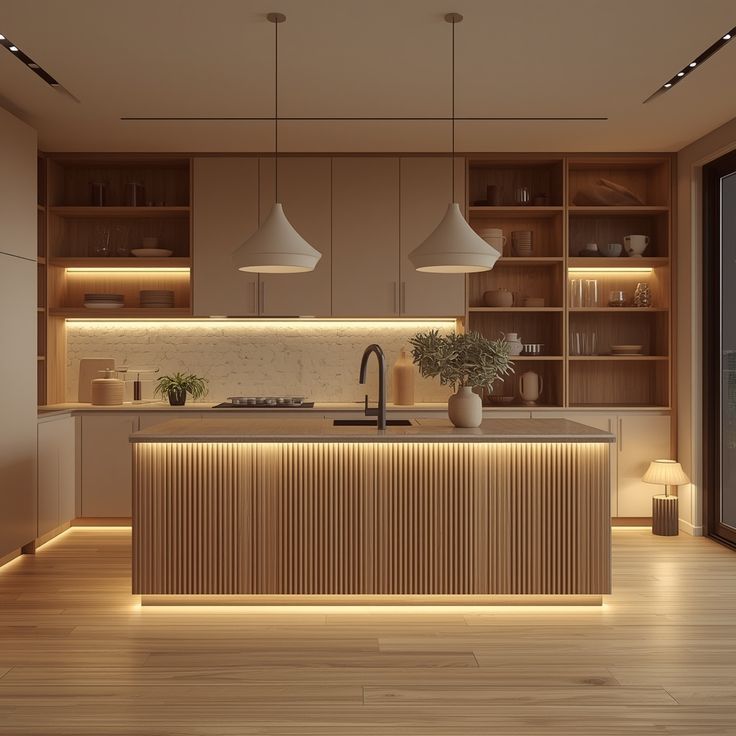
1、What it is: The highest-use space gets new doors/drawers, countertops, and layered lighting.
2、Best for: Function + resale value.
3、Materials & styles: Light wood or white Shaker/slab fronts, quartz/porcelain counters, LED under-cabinet strips, matte black or brushed nickel hardware.
4、Cost & timeline: $$–$$$$ · 1–6 weeks (from refacing to remodel).
Pro tips: Two-tone cabinets (light wood + white), deep drawers for pots, and a bright task lighting plan elevate daily use.

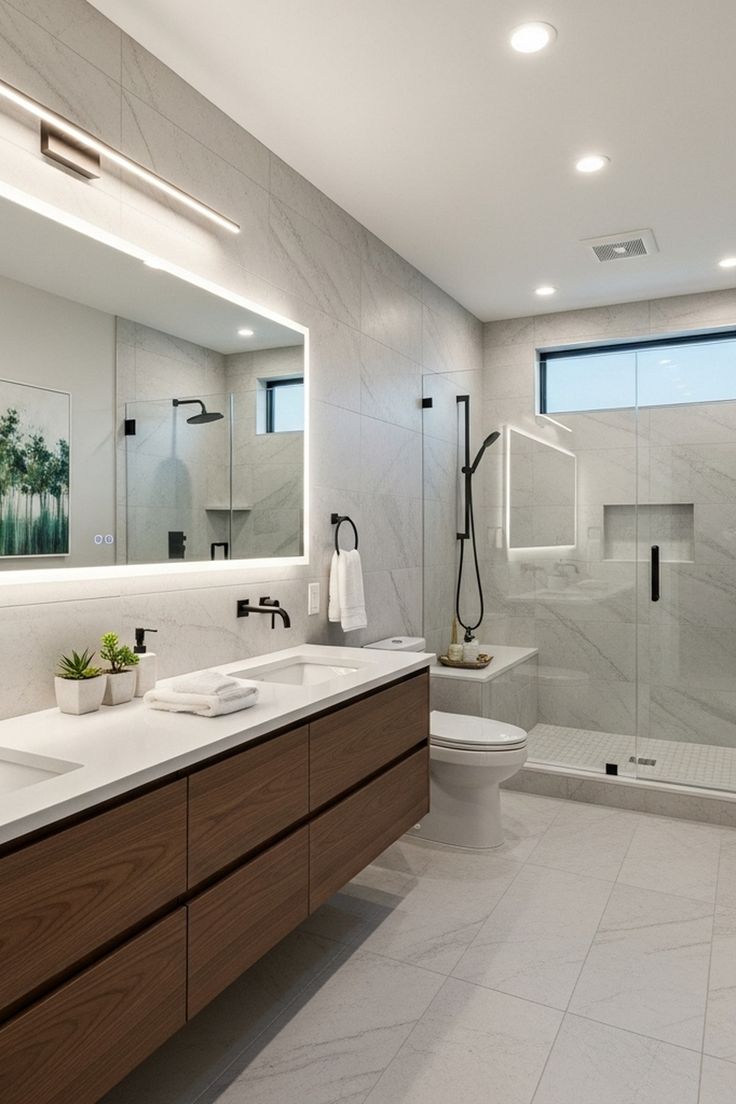
1、What it is: Tile shower, comfort-height toilet, vanity storage, ventilation.
2、Best for: Daily comfort + low maintenance.
3、Materials & styles: Large-format porcelain, quartz vanity tops, matte fixtures, quiet humidity-sensing fan.
4、Cost & timeline: $$–$$$ · 1–3 weeks.
Pro tips: Zero-threshold showers for accessibility, niches with slab shelves, and anti-slip floor tile.
1、What it is: Replace bulbs/fixtures and add layered, dimmable lighting scenes.
2、Best for: Mood + utility with minimal disruption.
3、Materials & styles: Warm LEDs (2700–3000K), dimmers, smart switches, under-cabinet and toe-kick strips.
4、Cost & timeline: $–$$ · Hours to a few days.
Pro tips: Set “Welcome,” “Cooking,” and “Wind-Down” scenes; prioritize high-CRI bulbs for natural color.
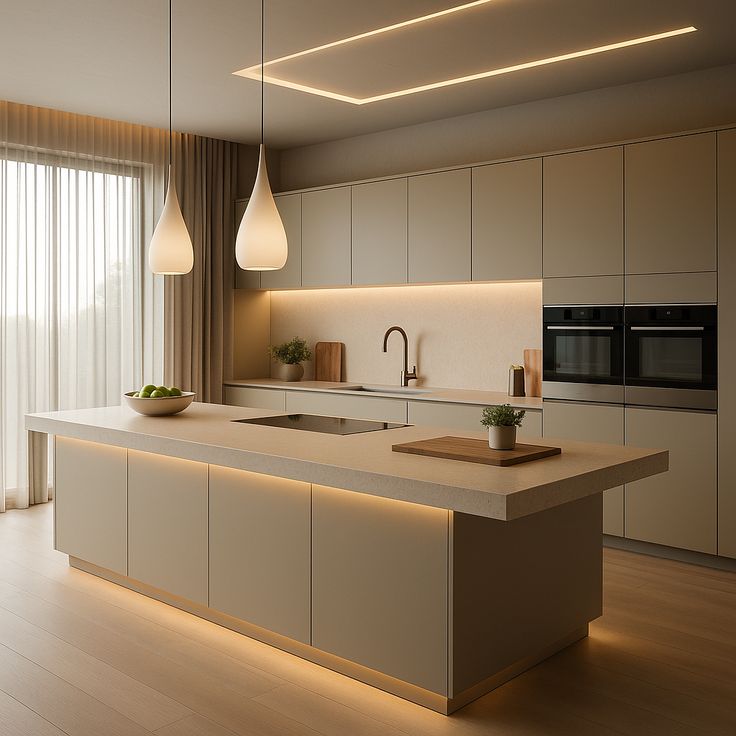
1、What it is: New surfaces for continuity and maintenance.
2、Best for: Outdated/uneven floors; allergy concerns.
3、Materials & styles: Engineered wood, waterproof LVP, large-format porcelain; acoustic underlayment.
4、Cost & timeline: $$–$$$ · 2–7 days.
Pro tips: Run planks longways to visually enlarge rooms; match stair nosings; pad area rugs for sound comfort.

1、What it is: Deck/patio + pergola, low-maintenance native plantings, updated path/entry lighting.
2、Best for: Entertaining and first impressions.
3、Materials & styles: Composite decking, pavers, drip irrigation, solar or low-voltage LEDs.
4、Cost & timeline: $$–$$$$ · 2–14 days.
Pro tips: Shade for summer, wind screens for shoulder seasons; design drainage early.
1、What it is: Custom closets, mudroom benches, garage systems to tame clutter.
2、Best for: Everyday livability.
3、Materials & styles: Melamine/laminate systems, soft-close drawers, adjustable shelves, slatwall in garages.
4、Cost & timeline: $–$$$ · 1–5 days.
Pro tips: Plan full-extension drawers, valet rods, and lighting; in garages, add ceiling racks and 20A outlets for tools/EV.

1、Cabinetry: Light wood or white Shaker/slab; matte black or brushed nickel hardware.
2、Counters/backsplash: Light quartz or porcelain with subtle veining; zellige-style tile for texture.
3、Fixtures: Matte black/graphite for contrast; brushed nickel for soft modern.
4、Palette: Warm whites, greige, soft clay; add black frames/lighting for definition.
The smartest Home Improvements in 2026 blend efficiency, comfort, and enduring design. Start with your home’s envelope, then invest where you live the most—kitchen, bath, lighting, flooring, and storage. With a phased plan, solid specs, and thoughtful materials, you’ll elevate daily life now while protecting value for years to come. For room-by-room inspiration, see Top 10 Master Bedroom Ideas For Your Home In 2025 and 10 Inspiring Modern Big Kitchen Design Ideas | AIS Guide.
Q1. What projects have the best day-to-day impact?
Insulation/air sealing + HVAC for comfort and bills; kitchen lighting/storage for daily function.
Q2. Should I remodel the kitchen or upgrade windows first?
If comfort/energy costs are a pain point, do envelope/HVAC first. Otherwise, a light kitchen refresh (doors, counters, lighting) delivers fast satisfaction.
Q3. Are smart upgrades worth it?
Yes—start with lighting scenes, smart thermostat, and motorized shades. Keep tech discreet and serviceable.
Q4. How can I avoid over-spending?
Fix scope early, get line-item quotes, standardize specs (materials/hardware), and hold a contingency. Phase cosmetic projects around trades.
Q5. What exterior upgrades pay off most?
Fresh paint/siding, a quality entry door, landscaping, and lighting deliver strong curb appeal and perceived value.