The Role of Lighting in Enhancing Kitchen Cabinet Design

7 月 ,24 2025

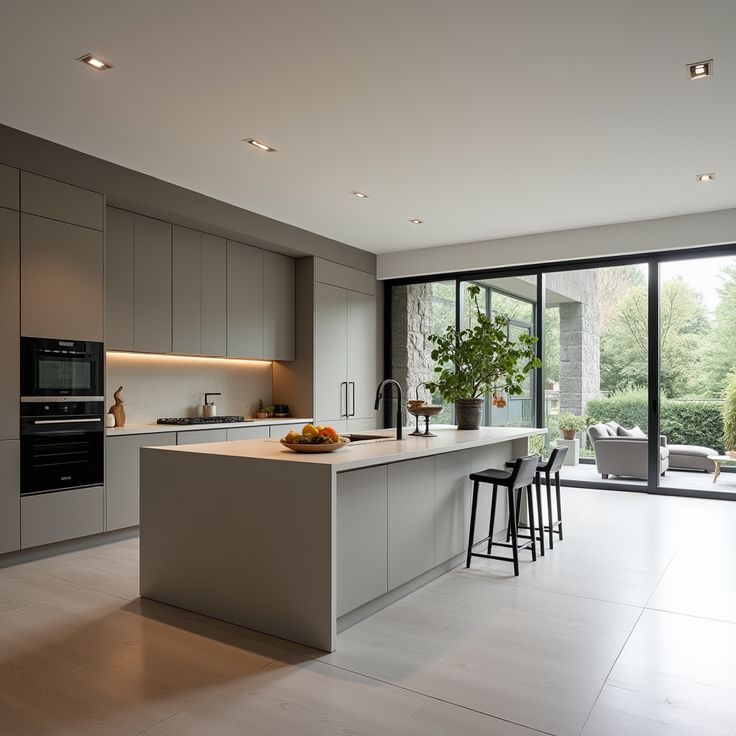
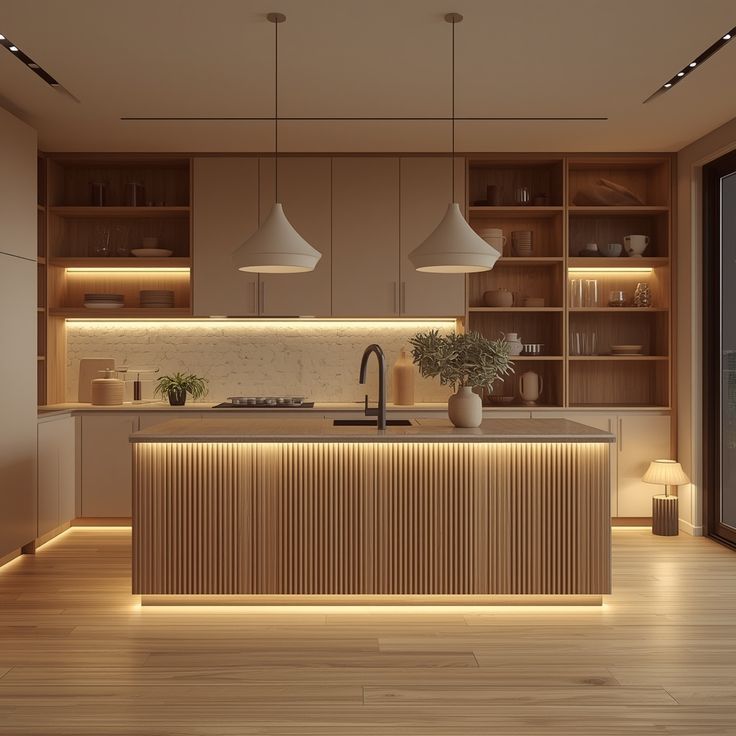
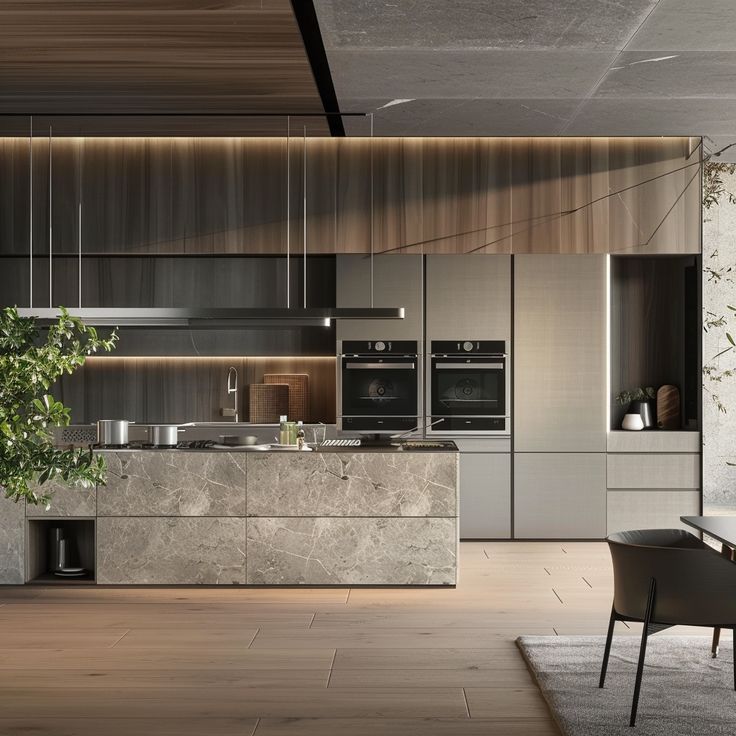
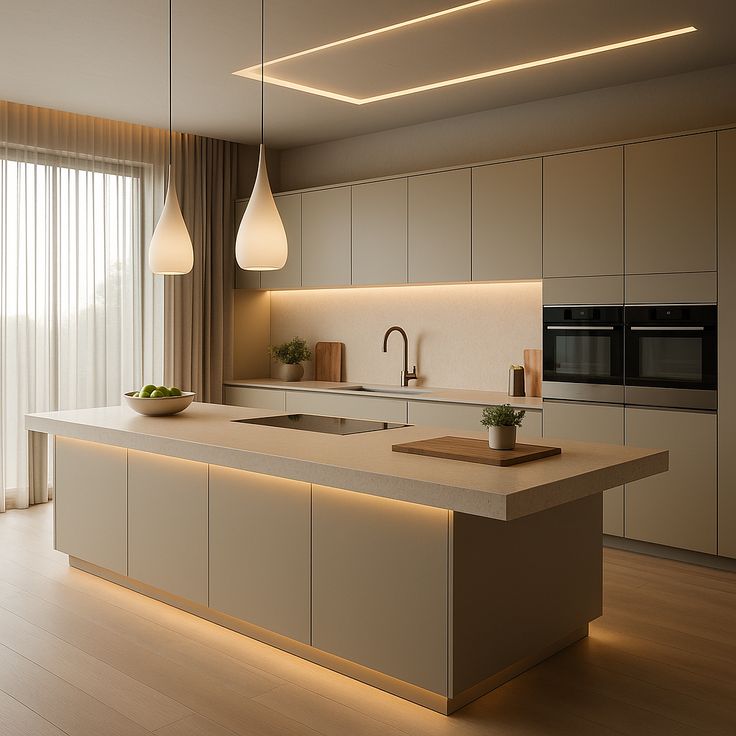
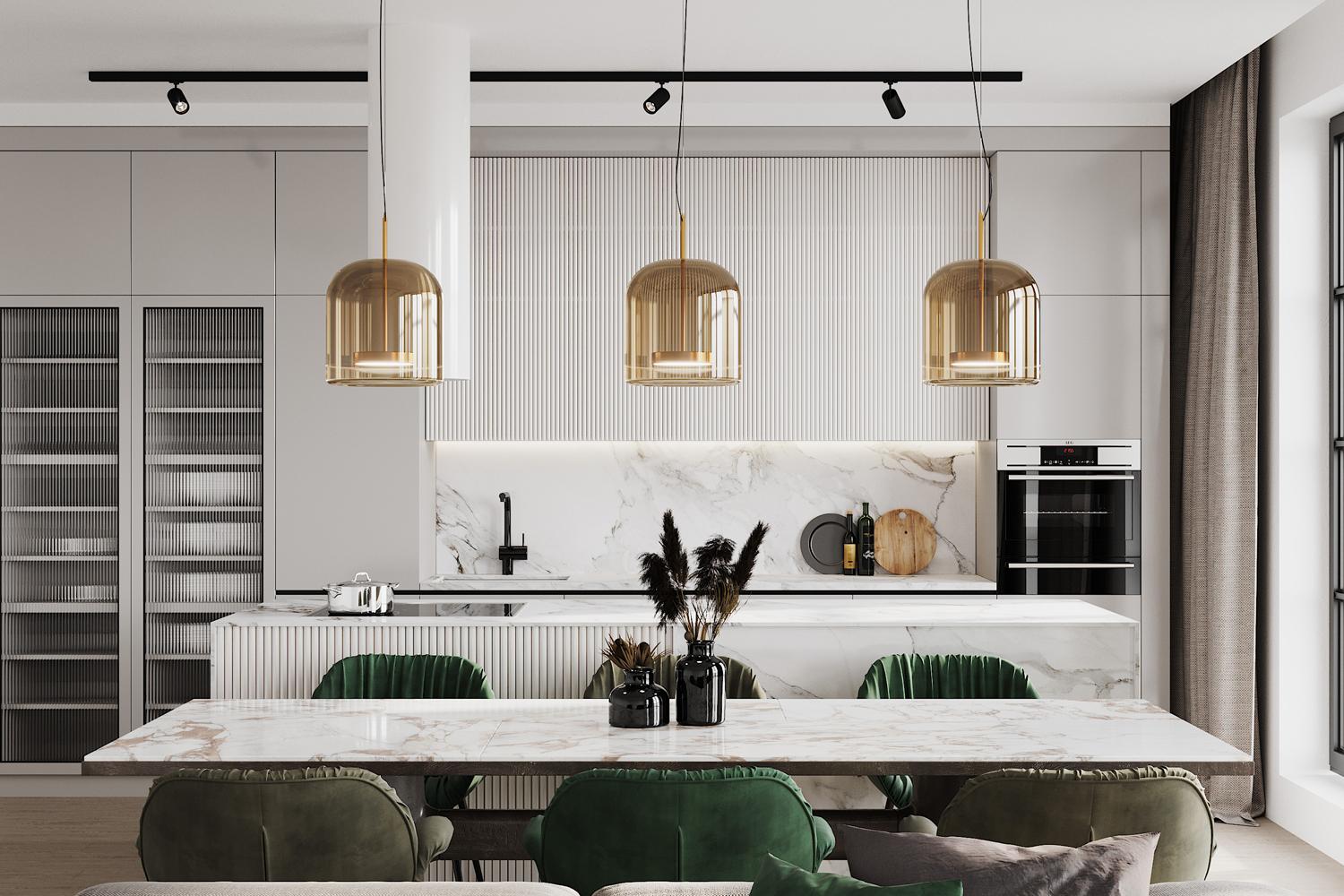
Elegant modern kitchen showcasing the role of lighting in enhancing kitchen cabinet design, with warm pendant lights and integrated LED cabinet lighting for function and ambiance.

Introduction

Kitchen design in 2025 is evolving toward harmony between natural elegance and minimalism. As homeowners and developers seek warm, grounded aesthetics, color plays a crucial role in defining the kitchen’s personality. Yet beyond color and material, lighting has become one of the most decisive elements in shaping how a kitchen feels and functions. Proper lighting elevates the beauty of cabinets, improves usability, and connects technology with lifestyle. From earth tones to bold contrasts, light can either soften or sharpen the impact, making it a vital design tool.

1. Under-Cabinet Lighting: Function Meets Form

Installing LED strip lights or puck lights under wall-mounted cabinets not only adds ambiance but also improves task visibility. It reduces shadows on your countertop, making food preparation safer and more efficient. Choose warm white for a cozy atmosphere, or cool white for a clean, modern aesthetic.

Pro Tip: Choose dimmable LEDs to transition smoothly from cooking mode to dining mood.

2. In-Cabinet Lighting: Highlight What Matters

Glass-front or open-shelf cabinets benefit greatly from interior lighting. This not only creates a museum-like display for glassware, ceramics, or spices, but also gives your cabinetry a luxurious, custom-built appearance. Use motion sensors for smart control and energy efficiency.

Lighting here plays a dual role: it enhances functionality by making items easier to locate, and adds emotional value by showcasing personal collections.

3. Top & Toe-Kick Lighting: Modern and Practical

Toe-kick LED strips along the bottom of base cabinets give a floating, futuristic look while offering gentle guidance at night. Similarly, installing linear lighting above the top cabinets can visually expand ceiling height and add a soft upward glow—especially helpful in low-ceiling kitchens.

This subtle approach ensures the kitchen environment is both welcoming and safe, transforming pathways into softly illuminated guides.

4. Matching Lighting Temperature with Cabinet Colors

Light color temperature (Kelvin) dramatically affects how your cabinets appear:

     1、Warm light (2700K–3000K): Enhances wood finishes and earth-tone cabinets.

     2、Neutral light (3500K–4000K): Ideal for whites, greys, and modern neutrals.

     3、Cool light (5000K–6000K): Best for glossy or lacquered surfaces, creating a crisp, high-tech effect.

By aligning lighting with cabinet finishes, designers can balance mood and material, making the kitchen look either cozier or more cutting-edge.

5. Integrated Smart Lighting

Today’s kitchens are more connected than ever. Integrate lighting into your smart home system via voice control or apps. Timed scenes, motion-activated task lights, and color-adjustable LEDs make your cabinets not just beautiful but intelligent.

Smart lighting reflects a broader role of illumination: it’s no longer just functional, but part of the user experience, adapting to different tasks, times of day, and even moods.

6. The Expanded Role of Lighting in Kitchen Design

Lighting is not merely an accessory—it’s a design element equal in importance to materials, finishes, and layout. Its role can be understood in three main ways:

     1、Practical Role: Ensures safety, improves visibility, and enhances workflow efficiency.

     2、Aesthetic Role: Highlights textures, colors, and cabinet craftsmanship, transforming cabinets into visual focal points.

     3、Psychological Role: Influences how people feel in the space—warm light creates intimacy, while cool light inspires freshness and clarity.

As kitchens evolve into multi-functional hubs for cooking, dining, and socializing, lighting becomes the silent language that ties all elements together.

7. How AIS Kitchen Implements It

At AIS, we offer pre-integrated lighting channels, aluminum profiles, and magnetic snap-on light kits that blend seamlessly into cabinet structures. Whether for under-shelf, glass-box, or baseboard lighting, we make modern cabinet lighting plug-and-play.

Our solutions prioritize ease of installation, durability, and flexibility, enabling developers, designers, and homeowners to achieve professional lighting effects without complex systems.


Conclusion

Lighting isn't just decoration—it’s an essential component of kitchen cabinet design. The right lighting transforms your cabinets from functional furniture into focal points of the kitchen. By shaping functionality, aesthetics, and atmosphere, lighting elevates every detail. With AIS modular solutions, it’s easier than ever to integrate light and life into your design—making kitchens not only places to cook, but places to live beautifully.


FAQ:

1. Why is The Role of Lighting so important in kitchen cabinet design?
The Role of Lighting in kitchen cabinet design is to do three things at once: improve visibility for tasks, highlight the cabinet finishes and textures, and create mood. Even a beautifully designed kitchen can look flat or dull if the lighting is poor or in the wrong place.

2. How does The Role of Lighting affect how cabinet colors and finishes look?
The Role of Lighting is critical in how you perceive cabinet color. Warm light can make wood tones feel richer and cozier, while cooler light can make white or grey cabinets look sharper and more modern. The direction and strength of the light also impact how gloss, matte, or textured finishes appear.

3. How do under-cabinet lights support The Role of Lighting in kitchen design?
Under-cabinet lighting is one of the clearest examples of The Role of Lighting in cabinet design. It:

     Eliminates shadows on the countertop

     Makes food preparation safer and easier

     Shows off backsplash materials and worktop finishes

     Adds a subtle glow at night when main lights are off

4. Can lighting make small kitchens and cabinets feel bigger?
Yes. The Role of Lighting in small kitchens is to visually “expand” the space. Bright, well-placed cabinet lighting can:

     Reduce dark corners and heavy shadows

     Reflect off light finishes to make the room feel larger

     Draw the eye vertically with lit wall cabinets or shelves

Good lighting design often makes a compact kitchen feel more open than a larger but poorly lit one.

5. How does lighting enhance glass-front or display cabinets?
For display cabinets, The Role of Lighting is to turn them into focal points. LED strips or spotlights inside glass-front cabinets:

     Highlight glassware, ceramics, or décor

     Add depth and sparkle to the overall cabinet wall

     Create a premium, “showroom” effect in the evening

6. What is the best color temperature for kitchen cabinet lighting?
In practice, The Role of Lighting depends heavily on color temperature:

     Warm white (2700–3000K) – cozy, classic, flattering for wood tones.

     Neutral white (3000–3500K) – balanced and versatile for most homes.

     Cool white (4000K+) – crisp, modern look, often used in contemporary designs.

Choosing the right temperature ensures your cabinet colors look the way you intended.

7. How do dimmers and smart controls influence The Role of Lighting?
Dimmers and smart controls expand The Role of Lighting from pure function to atmosphere control. With them, you can:

     Turn task lighting up for cooking and cleaning

     Dim accent lighting for evening or entertaining

     Create scenes that highlight kitchen cabinets differently at various times of day

This makes your cabinet design more flexible and “alive.”

8. Where should lighting be placed to support The Role of Lighting in cabinet design?
Placement is key to The Role of Lighting:

     Under wall cabinets, towards the front edge, to light the worktop evenly

     Above cabinets (if there is a gap) for soft ceiling wash

     Inside tall units or pantry cabinets for clear visibility

     Along toe-kicks or the underside of islands for subtle floor-level glow

Correct placement avoids glare while maximizing the effect on your cabinet design.

9. Does The Role of Lighting change between modern and traditional kitchen styles?
The principles are the same, but the expression is different:

     In modern kitchens, The Role of Lighting is often about clean lines, hidden LEDs, and minimal fixtures.

     In traditional or transitional kitchens, lighting can combine functional LEDs with decorative pendants, sconces, or glass cabinet lights.

In both cases, the goal is to support the cabinet style, not compete with it.

10. How early should I think about The Role of Lighting in my kitchen cabinet project?
Ideally, you plan The Role of Lighting at the same time as cabinet layout—not after. Early planning ensures:

     Power points are in the right places for under-cabinet and in-cabinet lights

     Cabinets are designed with lighting channels or profiles in mind

     The final look matches the 3D renderings and design intent

When lighting is an integral part of the cabinet design, the entire kitchen feels more complete and professionally finished.
Share as:

You May Be Interested In

发表回复

您的邮箱地址不会被公开。 必填项已用 * 标注

Request a Quote

Kindly send us your project details and floor plan. We will quote for you within 24 hours!

    Address

    Headquarter: No. 13 Shishan Road Nanhai District Foshan City Guangdong Province, China
    Foshan Cabinetry Factory: No. 13 Shishan Road Nanhai District Foshan City Guangdong Province, China
    Jiangmen Cabinetry Factory: No. 29, Lile Yongxing Street, Jianghai District, Jiangmen, Guangdonog, China
    Subscribe to Our Newsletter

      Language

      en_uszh_cn

      Language