Total Cabinetry And Joinery Solution
ENG

Search
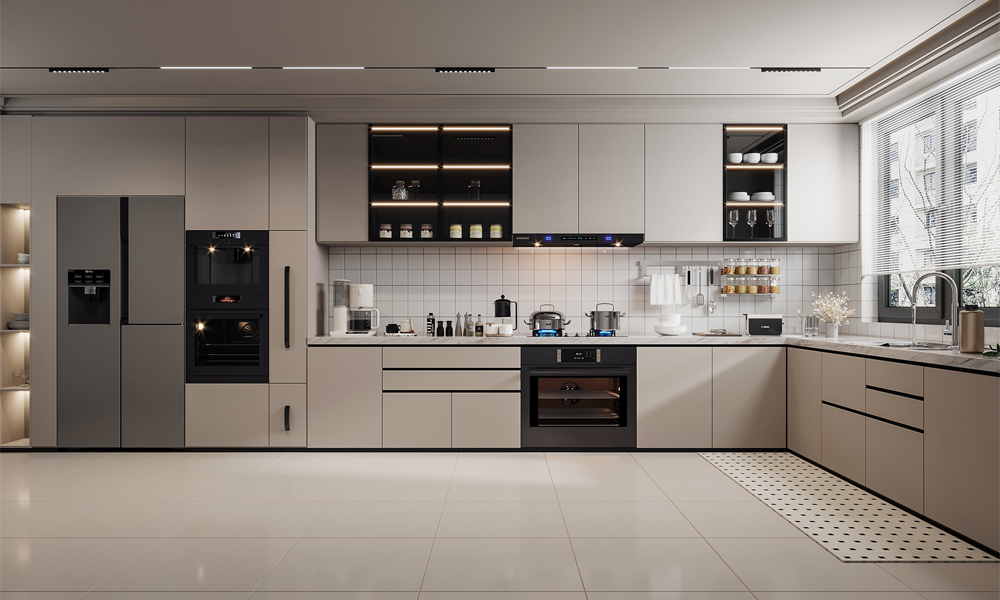
Over the past decade, Chinese manufacturers have gone from being simple furniture exporters to becoming strategic suppliers for large-scale development projects across the Middle East. From villas in Dubai to apartments in Riyadh and hotel towers in Doha, Chinese kitchen cabinets are playing a key role in the region’s rapid urban expansion.
But why are Middle Eastern developers increasingly choosing kitchen cabinets from China? The reasons span far beyond price.
One of the primary reasons Chinese kitchen cabinets are popular is their cost-efficiency.
1、Chinese manufacturers benefit from large-scale production, automation, and mature supply chains.
2、Even with international shipping, total project cost remains 30–50% lower than many local or European suppliers.
3、Many factories offer different pricing tiers (economy, standard, premium) to match project budgets.
Real-world example: A developer in Oman reduced cabinetry costs by 38% by switching to a Chinese supplier, allowing for better appliance upgrades within the same budget.
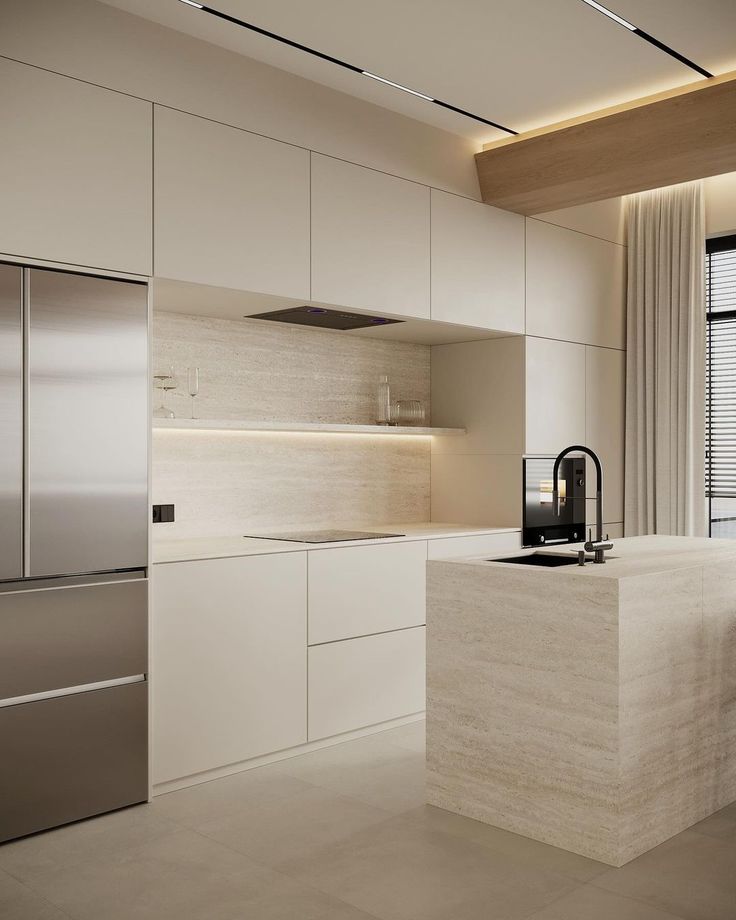
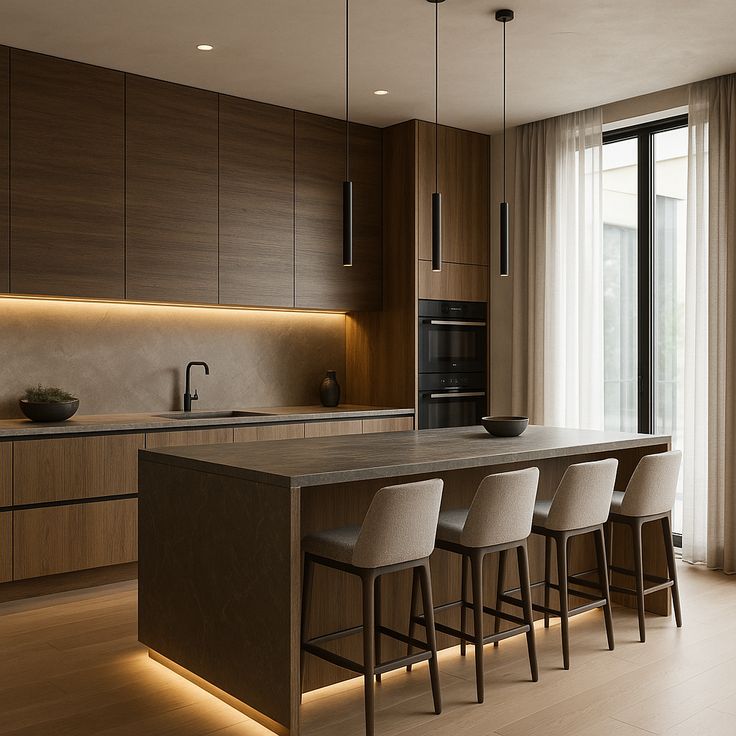
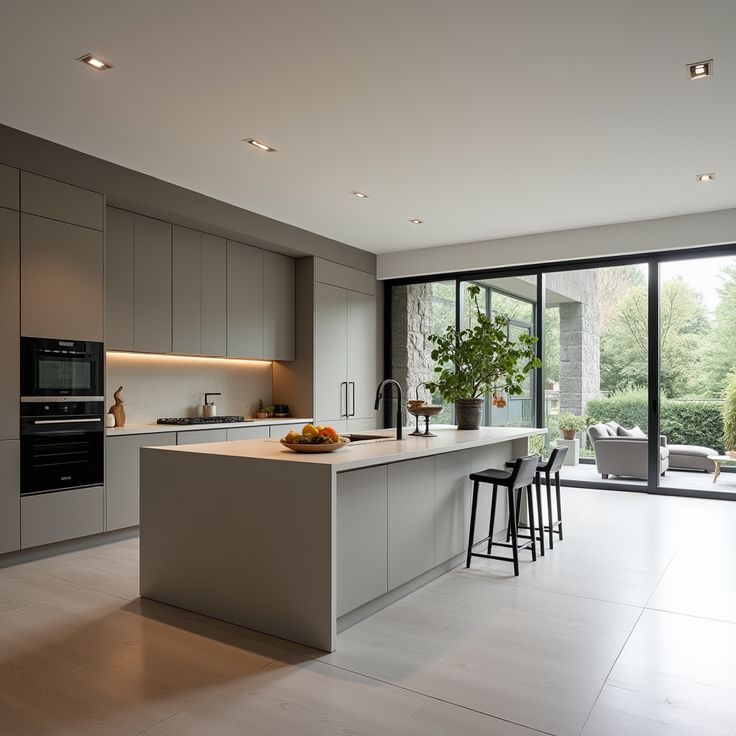
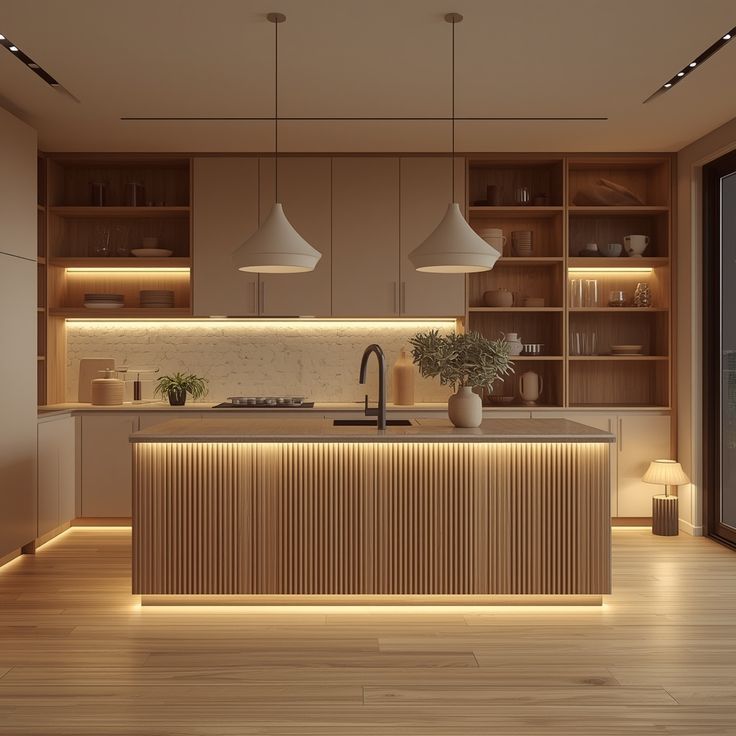
Middle Eastern developers prefer cabinetry that aligns with architectural themes—be it modern minimalism, neoclassical luxury, or high-gloss contemporary.
Chinese factories:
1、Offer tailor-made cabinet systems (colors, finishes, layout modules)
2、Support OEM branding, essential for large developers who want to white-label products
3、Provide CAD/3D design, color boards, and physical samples for approval
What matters: The ability to meet both aesthetic and functional requirements on a project scale.
Top Chinese cabinet manufacturers have:
1、Supplied large-scale projects in UAE, Saudi Arabia, Qatar, Oman, Kuwait
2、Worked with developers such as Emaar, Aldar, DAMAC, Roshn, and more
3、Familiarity with project tender processes and international construction practices
This experience reduces communication friction and ensures project compatibility in terms of layout standards, plumbing/electric clearances, and storage ergonomics.
Project timelines in the Middle East are often tight, with developers expecting:
1、On-time shipments
2、Accurate container loading plans
3、Export documentation aligned with GCC customs
Chinese cabinet suppliers increasingly offer:
1、30–45 day production lead time
2、Full container loading optimization
3、Export-ready packaging & QC reports
Example: Some suppliers offer pre-assembled packing, flat-pack with QR codes, and installation guides in Arabic/English.
Many Middle Eastern projects, especially hotels, high-rises, and public sector housing, demand:
1、E1/E0 formaldehyde compliance
2、Moisture-proof or waterproof materials
3、Soft-close hinges and drawer systems
4、Optional fire-retardant panels
Chinese cabinet producers often meet or exceed these expectations, offering:
1、FSC-certified plywood or HMR board
2、European-imported hardware (e.g., DTC, Blum, Hettich)
3、Material Test Reports (MTR), ISO/CE certifications
Beyond kitchen cabinets, Chinese manufacturers also supply:
2、Bathroom vanities
3、TV units and laundry cabinets
4、Internal doors and skirting lines
This simplifies procurement for developers managing multiple unit types and reduces the risk of color/finish mismatch.
Chinese suppliers are increasingly involved before the contract is even signed, helping clients:
1、Interpret architectural plans
2、Build accurate BOQ (Bill of Quantities)
3、Generate pricing breakdowns by apartment or villa type
4、Participate in bidding presentations with samples/renderings
This pre-sale technical support is rare among Western suppliers.
China’s kitchen cabinet manufacturers are no longer just the "budget option"—they’re reliable, scalable, and design-forward partners that understand the dynamics of Middle Eastern development.
With the right supplier, developers gain:
1、Flexible customization
2、Project-level support
3、Shorter procurement cycles
4、Competitive pricing with professional quality
As the Gulf’s construction boom continues, the trend is clear: Chinese cabinets are becoming the go-to solution for developers who need speed, scale, and style.
1. Why are more Middle Eastern Developers choosing Chinese kitchen cabinets?
More Middle Eastern Developers are choosing Chinese kitchen cabinets because they combine competitive pricing, large-scale production capacity, and flexible customization. This allows developers to deliver modern, attractive kitchens across hundreds of apartments or villas while still protecting project margins.
2. Are Chinese kitchen cabinets good enough for high-end Middle Eastern projects?
Yes. Many Chinese manufacturers now supply premium finishes, branded hardware, and project-based design support that meet the expectations of high-end Middle Eastern Developers. By specifying better boards, hinges, and finishes, developers can use Chinese cabinets not only in mid-range apartments, but also in upscale villas, townhouses, and branded residences.
3. Do Chinese kitchen cabinets meet regional standards and building requirements?
Reputable Chinese suppliers can adapt to local standards and project specifications requested by Middle Eastern Developers, for example:
Moisture-resistant boards for coastal or humid climates
Soft-close hardware from well-known brands
Fire, emission, or quality certificates as required by consultants
The key is choosing a supplier that understands project documentation and is used to working with international developers and consultants.
4. Are Chinese kitchen cabinets reliable for large multi-building developments?
For large projects with many unit types, Middle Eastern Developers value suppliers who can deliver consistent quality across thousands of units. Chinese factories with automated lines and ERP systems can:
Standardize modules across buildings
Keep finishes and colors consistent across phases
Provide repeat orders for later phases or extra towers
This scalability is one of the main reasons developers in the Middle East are shifting more volume to China.
5. How do Chinese kitchen cabinets help Middle Eastern Developers control costs?
Chinese production offers:
Lower labor and overhead costs
Efficient material sourcing at scale
Optimized packaging and shipping for containers
For Middle Eastern Developers, this means they can often upgrade design, increase storage, or offer better hardware without breaking the budget—especially important in competitive apartment and villa projects.
6. Can Chinese suppliers handle Personalized or branded designs for Middle Eastern Developers?
Yes. Many factories now offer project-based and branded solutions for Middle Eastern Developers, including:
Custom door designs and color palettes
Different finish levels for standard units vs. VIP floors or penthouses
Branded handle designs, logo integration, or special storage features
This helps developers build a recognizable project identity while still benefiting from Chinese pricing and production.
7. What about design support across different unit types (apartments, villas, townhouses)?
Chinese cabinet suppliers who work regularly with Middle Eastern Developers can provide:
2D layouts and 3D renderings for typical apartment units
Tailored layouts for villas and townhouses with islands, back kitchens, and maid kitchens
Standard “master layouts” that can be adapted across towers and phases
This design support reduces the workload on the developer’s in-house team and keeps all kitchens within a coherent design language.
8. How do Middle Eastern Developers manage quality control with Chinese kitchen cabinets?
Successful Middle Eastern Developers usually follow a clear QC strategy:
Approve physical samples and mock-up rooms before mass production
Conduct factory inspections or use third-party QC agencies during production
Use a clear specification sheet and packing list for each unit type
Start with a smaller batch or pilot phase before full rollout
By doing this, developers can enjoy the cost benefits of Chinese cabinets while keeping quality under control.
9. Is shipping and lead time from China a risk for Middle Eastern projects?
Lead time must be planned, but it can be managed. Chinese suppliers used to working with Middle Eastern Developers will:
Provide realistic production + shipping schedules
Suggest shipment phasing (e.g. tower by tower)
Optimize packing per building or per floor for easier site logistics
When developers integrate the cabinet schedule into the overall construction program, Chinese supply can be very reliable.
10. How do Chinese kitchen cabinets perform in the Middle Eastern climate?
When Middle Eastern Developers choose the right specifications—such as moisture-resistant boards, high-quality finishes, and proper edge sealing—Chinese kitchen cabinets perform well even in hot, dry or coastal environments. As with any brand, long-term performance depends on:
Correct material choice
Proper installation on site
Reasonable maintenance by end users
11. Are Chinese kitchen cabinets suitable for both standard units and show villas?
Yes. Many Middle Eastern Developers follow a tiered approach:
Use cost-effective Chinese cabinet specs for standard apartments and bulk units
Upgrade to higher-end finishes, special colors, or integrated lighting for show units, penthouses, or signature villas—often from the same factory
This allows a consistent look across the project while showcasing premium options for top buyers.
12. How should Middle Eastern Developers choose the right Chinese kitchen cabinet partner?
Key points for Middle Eastern Developers when selecting a Chinese supplier include:
Proven experience with overseas developer projects (not just retail)
Strong design team familiar with apartments, villas, and mixed-use developments
Transparent QC process and willingness to do mock-ups
Clear after-sales and spare parts policy