Total Cabinetry And Joinery Solution
ENG

Search
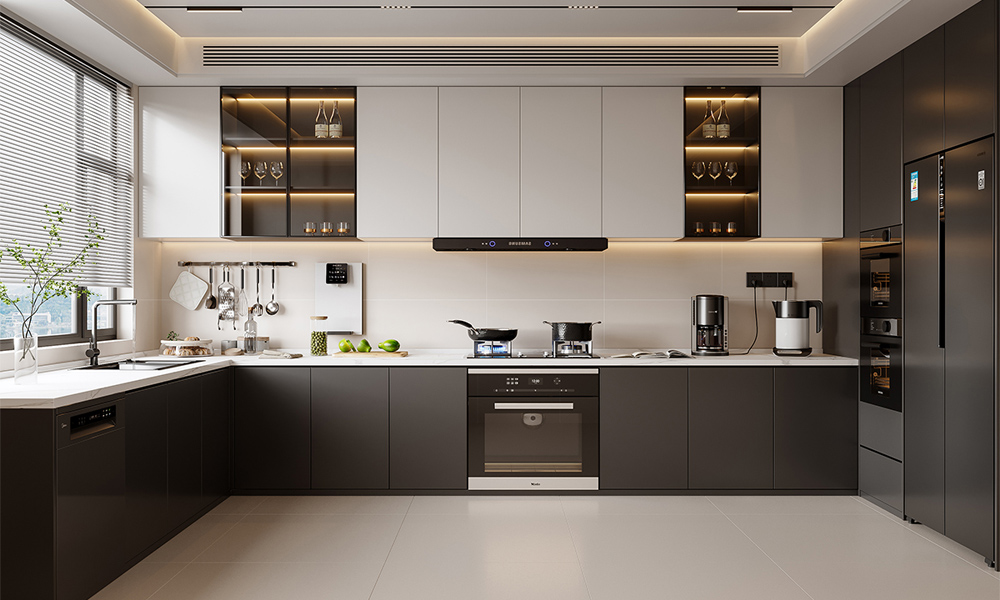
In modern living, kitchens are no longer hidden workspaces. They have transformed into social hubs where cooking, dining, and entertaining happen seamlessly. Among the most popular innovations is the open kitchen design. By removing walls and blending the kitchen with adjacent areas, open layouts create a sense of space, light, and connection.
Open kitchens have become a staple in Australian and global home design for several reasons:
1、Spaciousness: Eliminating walls creates a larger, more inviting atmosphere.
2、Natural light: Open layouts allow daylight to flow freely throughout the space.
3、Connection: Families and guests can interact without being separated.
4、Flexibility: Open kitchens adapt easily to both small apartments and large homes.
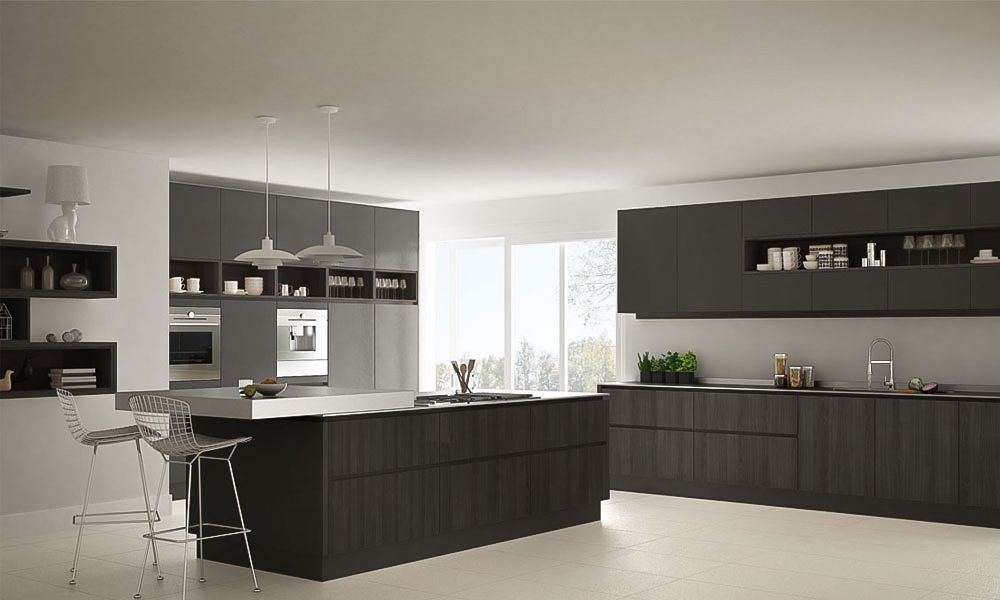
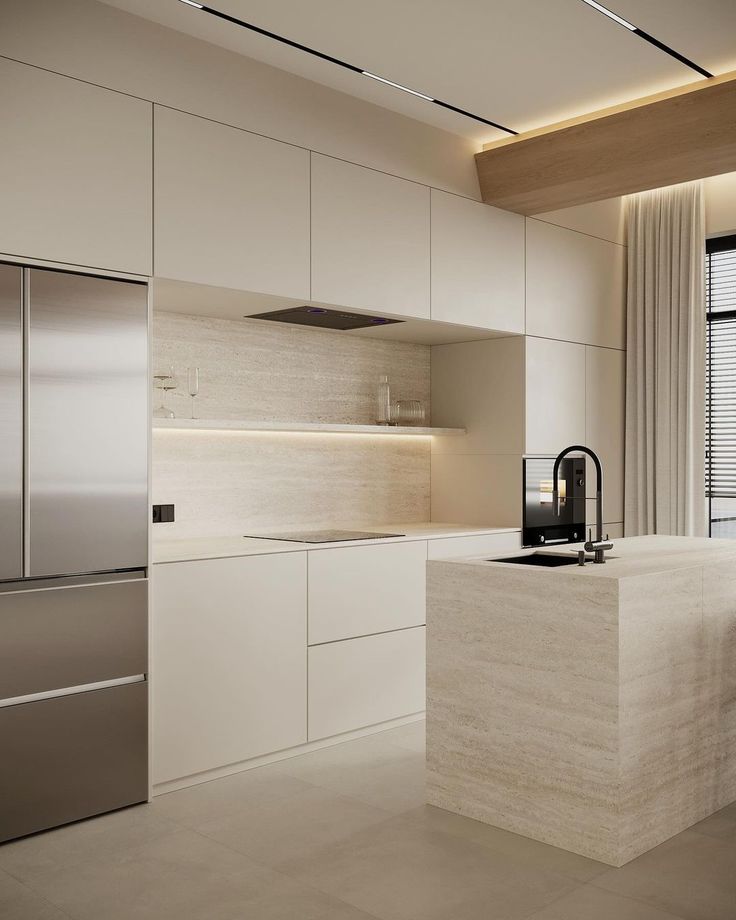
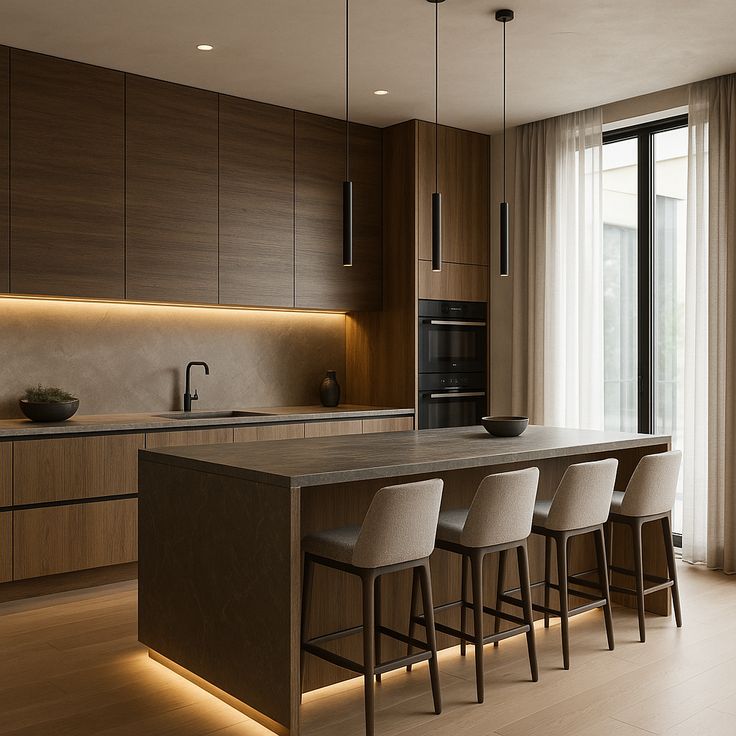
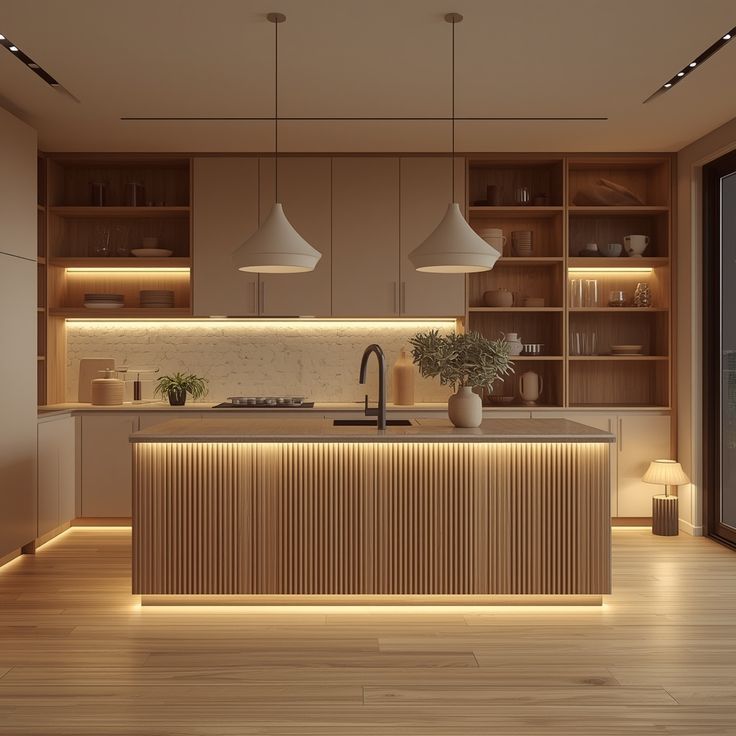
One of the most defining open kitchen design trends is the multifunctional island. Kitchen islands serve as cooking stations, dining tables, and gathering spots. Adding pendant lighting above the island further emphasizes its role as the heart of the home.
Blending light and dark cabinetry is a trend that enhances the open kitchen’s sense of dimension. White upper cabinets paired with navy, grey, or walnut base units create contrast without overwhelming the space.
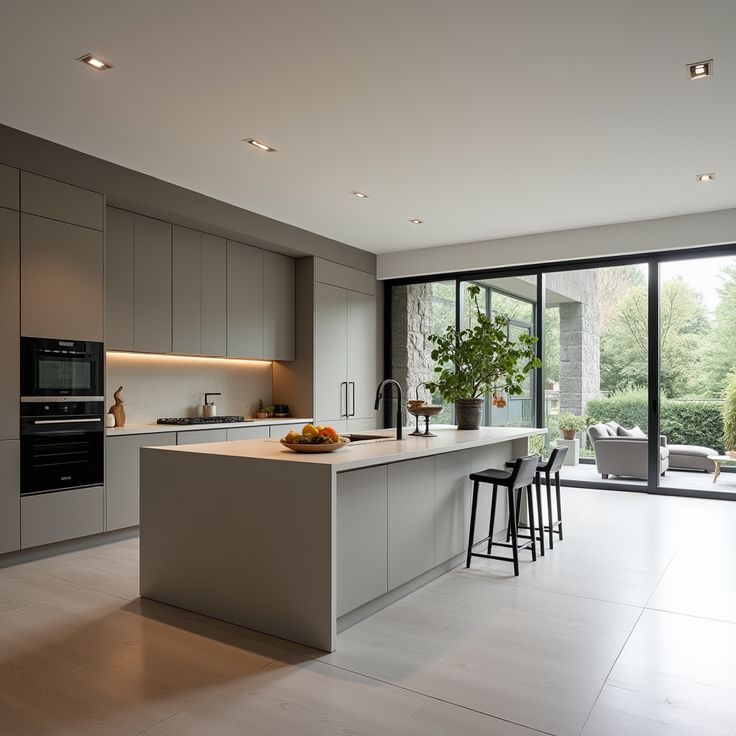
Modern homes often feature open kitchens that flow directly into the living or dining area. This design trend creates continuity by using similar flooring, matching color palettes, and cohesive décor elements across spaces.
Flat-panel slab cabinets are another standout in open kitchen design trends. Their sleek and handleless look enhances the uncluttered appeal of modern kitchens, making the open layout feel calm and refined.
Australians love blending the indoors with nature, and open kitchens reflect this with timber finishes, stone countertops, and neutral palettes. These materials add warmth and timeless elegance, keeping the space inviting.
Lighting plays a crucial role in open layouts. Under-cabinet LED strips, pendant lights above islands, and recessed ceiling lighting help define zones while maintaining an open, airy flow.
Without walls to hide clutter, open kitchens require smart organization. Pull-out drawers, ceiling-height cabinets, and hidden pantry spaces are some of the top open kitchen design trends to keep layouts neat and functional.
When choosing materials for open layouts, consider:
1、Gloss finishes for smaller homes to reflect light.
2、Matte finishes for a sophisticated, elegant vibe.
3、Glass elements (cabinet doors or partitions) to add openness.
4、Custom sizes to fit apartments, villas, or large open-plan houses.
Open kitchen design trends are redefining modern homes, turning kitchens into social, functional, and stylish spaces. From centerpiece islands to natural finishes, lighting integration, and minimalist cabinetry, these trends ensure your kitchen blends seamlessly with the rest of your home.
👉 If you’re planning a remodel, exploring the latest open kitchen design trends will help you achieve a space that is practical, welcoming, and timeless.
Your dream kitchen awaits—schedule a consultation with our master cabinet designers today.
1. What is an open kitchen and why is it popular in modern homes?
An open kitchen is a layout where the kitchen connects directly with the living or dining area without full-height walls. It’s popular in modern homes because it creates a spacious feel, improves natural light, and makes cooking and socializing happen in the same space. Open kitchens also support flexible layouts, which is ideal for families and small apartments.
2. Is an open kitchen suitable for small homes or apartments?
Yes. In small homes, an open kitchen can actually make the space look larger. By removing walls, you gain visual continuity and can share light between areas. The key is smart planning: compact storage, built-in appliances, and a clutter-free design so the kitchen doesn’t visually overwhelm the living area.
3. How do I control cooking smells in an open kitchen?
The most effective way is to invest in a high-quality range hood with strong extraction and low noise. You can also choose induction cooktops (they generate less smoke), keep windows operable for cross-ventilation, and use sliding glass partitions or pocket doors that can be closed during heavy cooking without breaking the open feel.
4. How can I visually separate the kitchen from the living room in an open layout?
You can create subtle zoning using different flooring materials, ceiling treatments, or area rugs. Kitchen islands, breakfast bars, and low partitions also help define the cooking area. Using different but complementary colors or lighting designs in each zone keeps the space open while still feeling organized.
5. What kind of cabinets and finishes work best in an open kitchen?
Since the kitchen is always visible, choose cabinet finishes that blend with your living room decor. Matte or satin finishes, wood veneer, and neutral colors like white, beige, taupe, and soft gray are very popular. Anti-fingerprint, easy-to-clean surfaces are also recommended to keep the space looking tidy from every angle.
6. Can an open kitchen work for people who cook frequently and heavily?
Yes, but it requires better planning. Choose durable, stain-resistant surfaces; a powerful, quiet range hood; deeper worktops; and plenty of closed storage to hide clutter. Many heavy-cooking households also design a “secondary” prep area or a small wet kitchen nearby, keeping the open kitchen more presentable.
7. How can I keep an open kitchen from looking messy?
Focus on storage and organization. Use full-height cabinets, pull-out drawers, and pantry systems to keep items hidden. Plan specific spots for appliances, trash, recycling, and cleaning tools. Keep the worktops as clear as possible and limit open shelving to a few decorative pieces so the overall look stays clean.
8. Are open kitchens more expensive to build than closed kitchens?
Not always. While you may save on wall construction, you may invest more in aesthetics: better cabinetry, higher-quality finishes, and premium appliances, because everything is on display. The total cost depends on materials and design choices, but many homeowners consider the added sense of space and resale appeal worth the investment.
9. What flooring is best for an open kitchen connected to the living area?
Most homeowners prefer to use the same flooring throughout (such as engineered wood, SPC, or large-format tiles) to create a seamless look. For heavy-use kitchens, choose materials that are water-resistant, easy to clean, and durable. If you use different flooring in the kitchen, keep the color and tone close to the living area to maintain harmony.
10. Does an open kitchen add value to a home?
In many markets, yes. Buyers often look for bright, open living spaces and social-friendly kitchens. A well-designed open kitchen can make the home feel more modern, spacious, and functional, which can positively influence resale value—especially in urban and family-oriented neighborhoods.