Total Cabinetry And Joinery Solution
ENG

Search
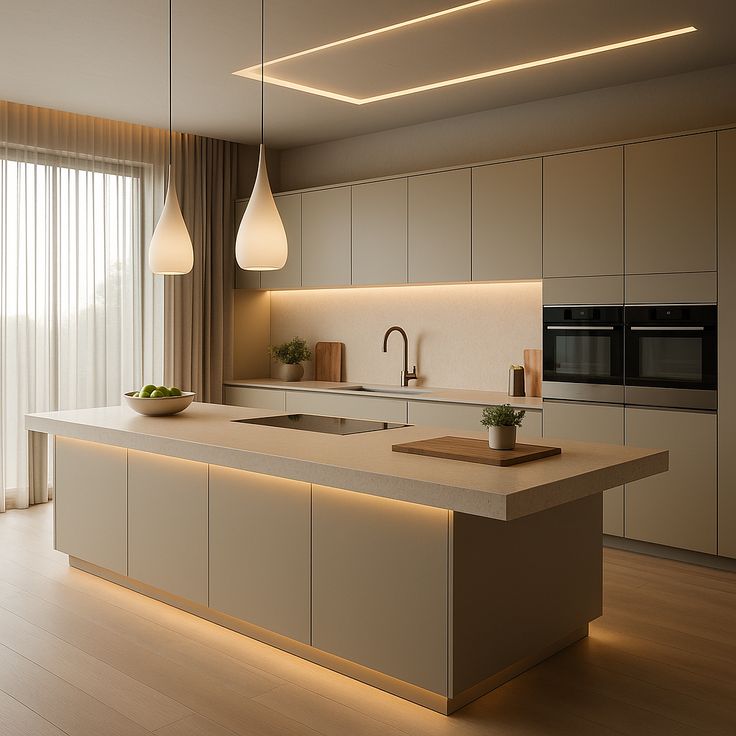
Renovating a new kitchen in 2026 is no longer just about visual upgrades—it’s about functionality, long-term value, sustainability, and smart planning. With changing lifestyles, rising material costs, and new design standards, homeowners need to make informed decisions before starting a kitchen renovation.
This guide outlines the five most important things you should know before renovating a new kitchen, helping you avoid costly mistakes and achieve a kitchen that performs beautifully for years to come.
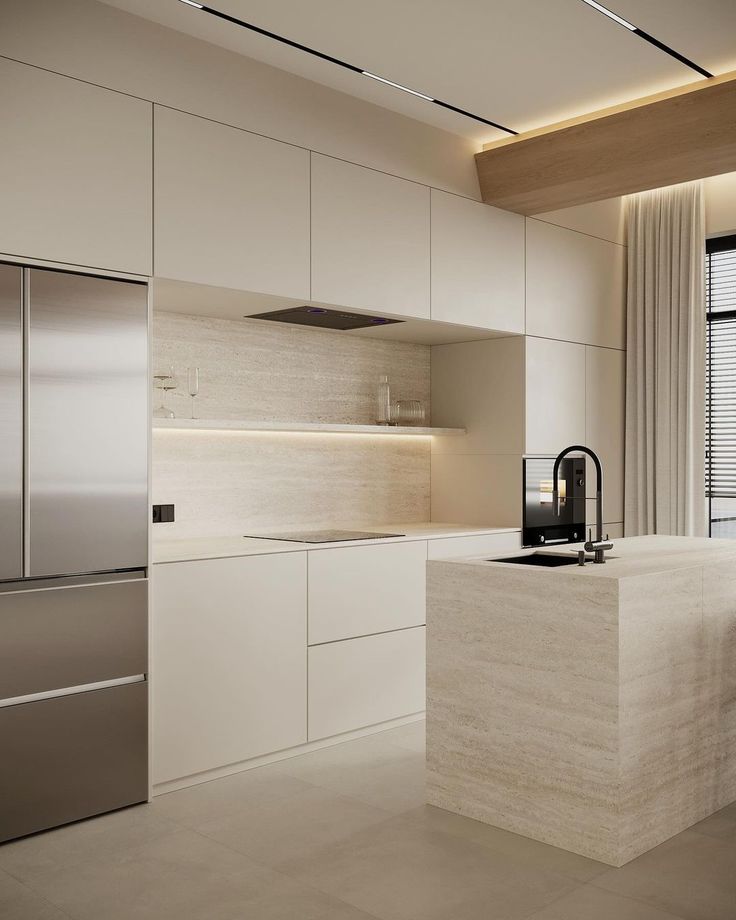
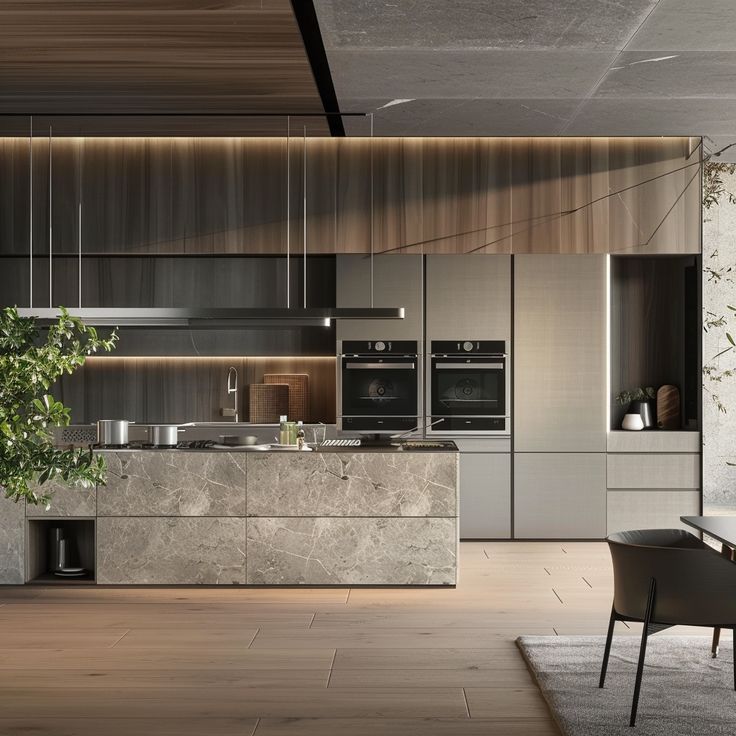
When renovating a new kitchen, layout is the foundation of everything. In 2026, modern kitchens are designed around workflow efficiency, not just aesthetics. The classic work triangle (sink, cooktop, refrigerator) has evolved into flexible zones for cooking, prep, storage, cleaning, and social interaction.
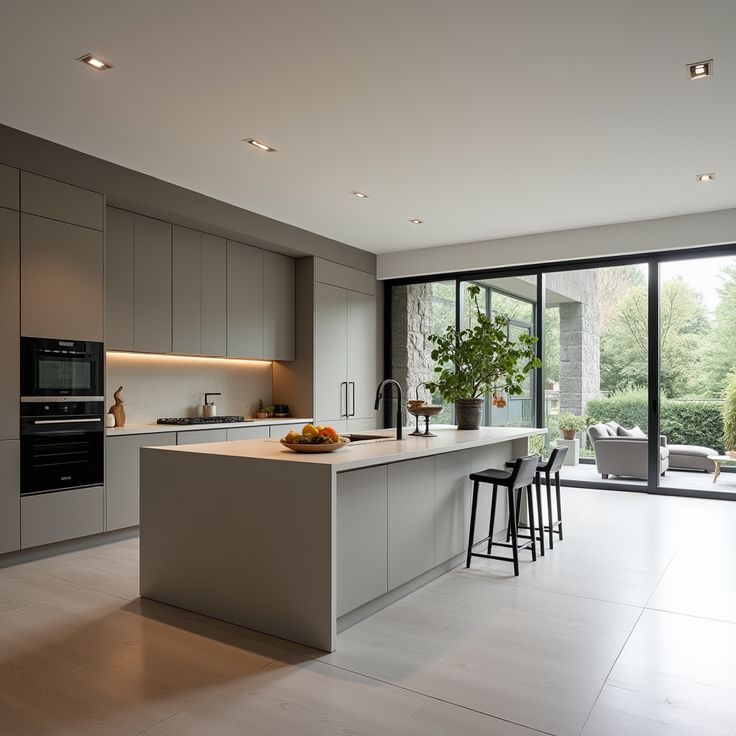
An effective layout improves daily comfort, reduces wasted movement, and makes the kitchen safer and more enjoyable. Open-plan homes especially require thoughtful kitchen layouts that integrate seamlessly with dining and living areas while maintaining sufficient storage and work surfaces.
Key considerations:
Traffic flow and clearance space
Island vs peninsula placement
Storage access without obstruction
Integration with dining or living spaces
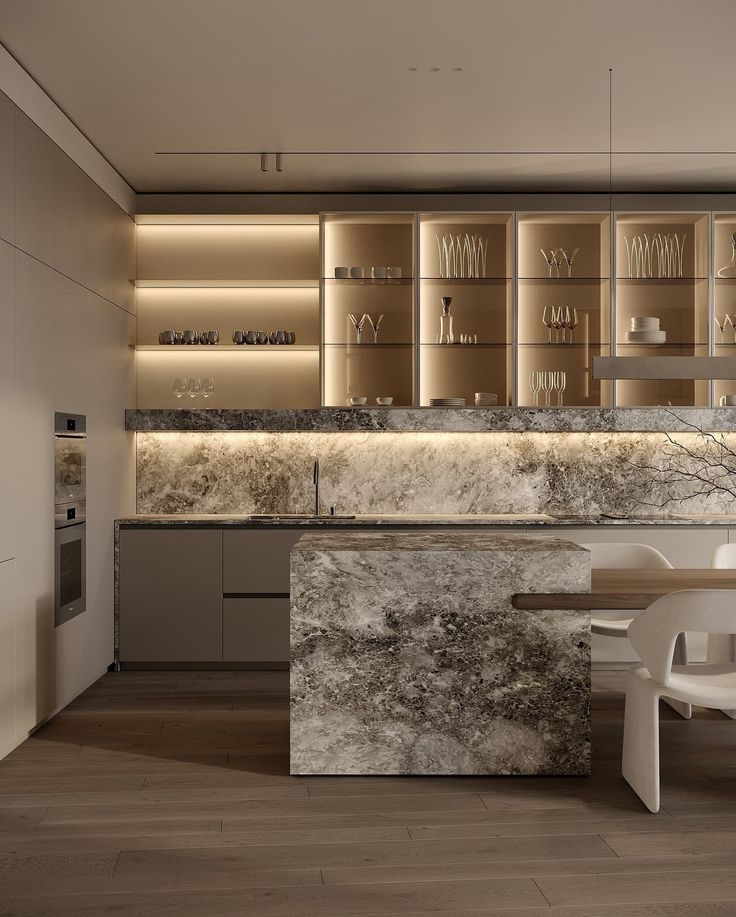
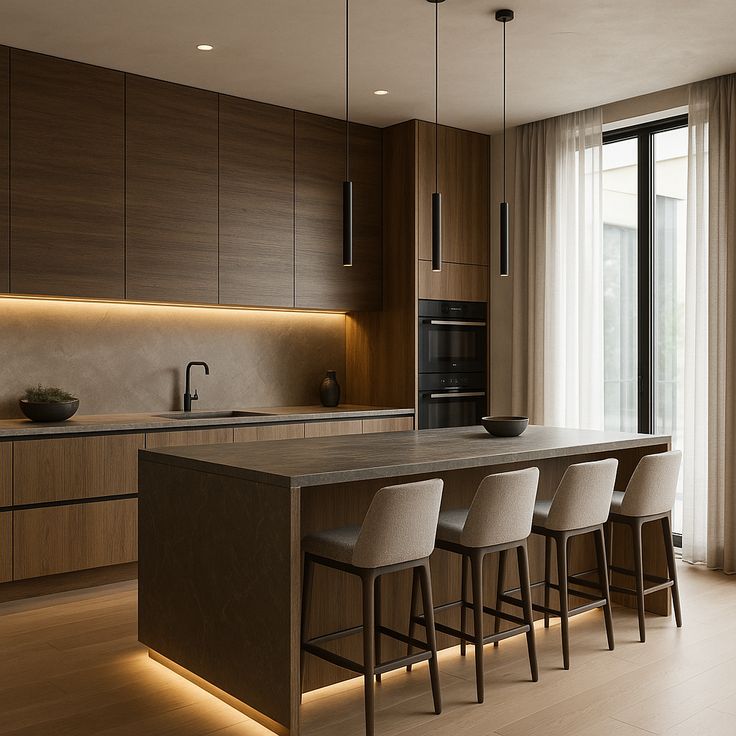
Material selection is one of the most critical decisions when renovating a new kitchen in 2026. Durability, moisture resistance, and ease of maintenance are now top priorities—especially in coastal or high-humidity regions.
Cabinet boards, finishes, countertops, and hardware should be chosen based on how the kitchen will be used, not just how it looks. Families, rental properties, and long-term homeowners all have different material needs.
Popular 2026 material trends include:
Moisture-resistant cabinet boards
Quartz, sintered stone, or porcelain countertops
Scratch-resistant matte finishes
Fingerprint-resistant surfaces
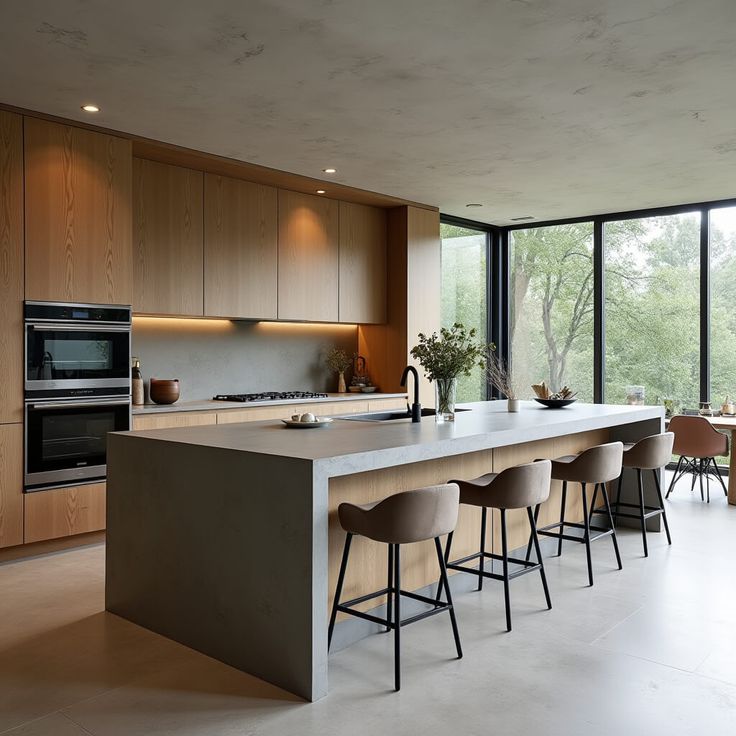
One of the biggest mistakes in renovating a new kitchen is focusing only on upfront cost. In 2026, homeowners are increasingly prioritizing long-term value, including durability, energy efficiency, and reduced maintenance.
Cheaper materials may save money initially but often lead to higher repair or replacement costs later. A well-planned kitchen renovation balances budget with performance and lifespan.
Smart budgeting tips:
Allocate funds for quality cabinetry and hardware
Avoid over-customization that limits resale appeal
Set aside a contingency budget (10–15%)
Invest in durable surfaces over decorative extras
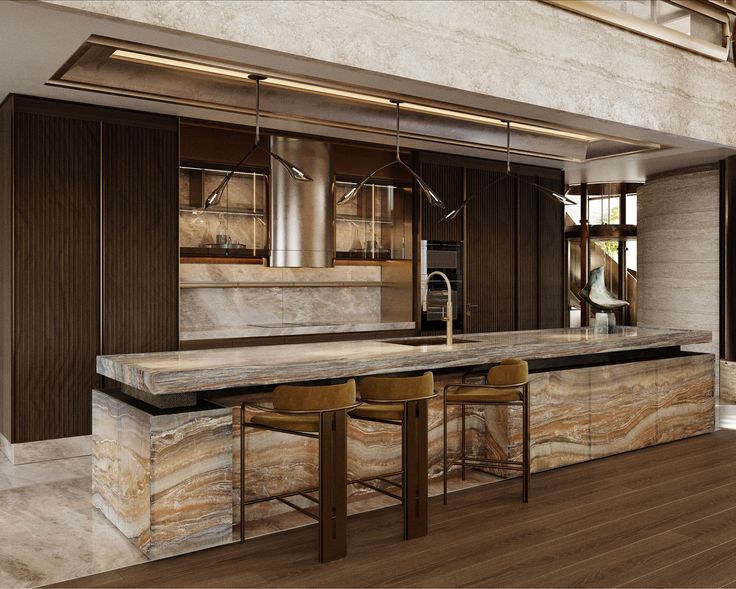
Storage is no longer an afterthought when renovating a new kitchen. In 2026, kitchens are expected to be highly organized, clutter-free, and easy to maintain.
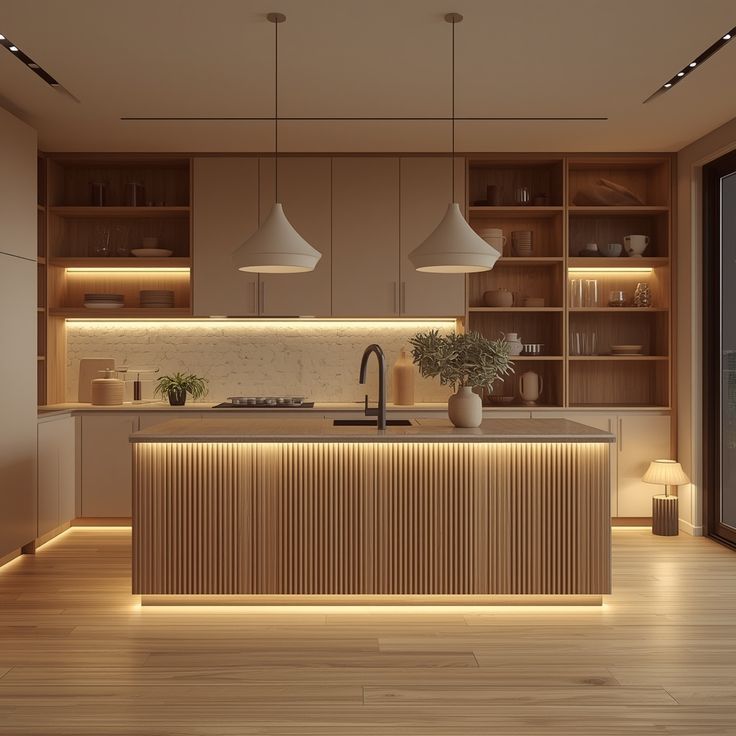
A mix of open and closed storage, smart internal organizers, and customized drawer systems can significantly improve daily usability. Well-designed storage also makes smaller kitchens feel larger and more efficient.
Storage ideas to consider:
Deep drawers with internal dividers
Pull-out pantry systems
Hidden appliance cabinets
Tall cabinets to maximize vertical space
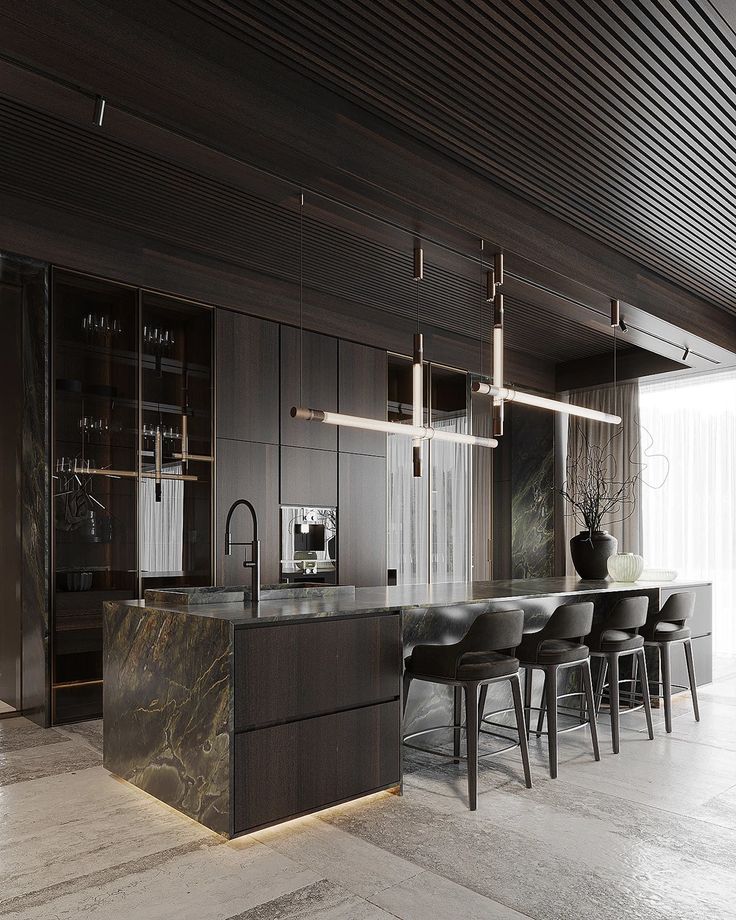
A successful kitchen renovation in 2026 looks beyond current trends. Flexible layouts, modular cabinetry, and timeless color palettes ensure your kitchen remains relevant as needs change.
Whether it’s accommodating a growing family, aging-in-place requirements, or future resale, adaptability is key. Neutral tones, adjustable shelving, and replaceable components help future-proof your investment.
Future-focused design features:
Modular cabinet systems
Neutral, timeless color schemes
Space for future appliances or upgrades
Easy-to-update finishes
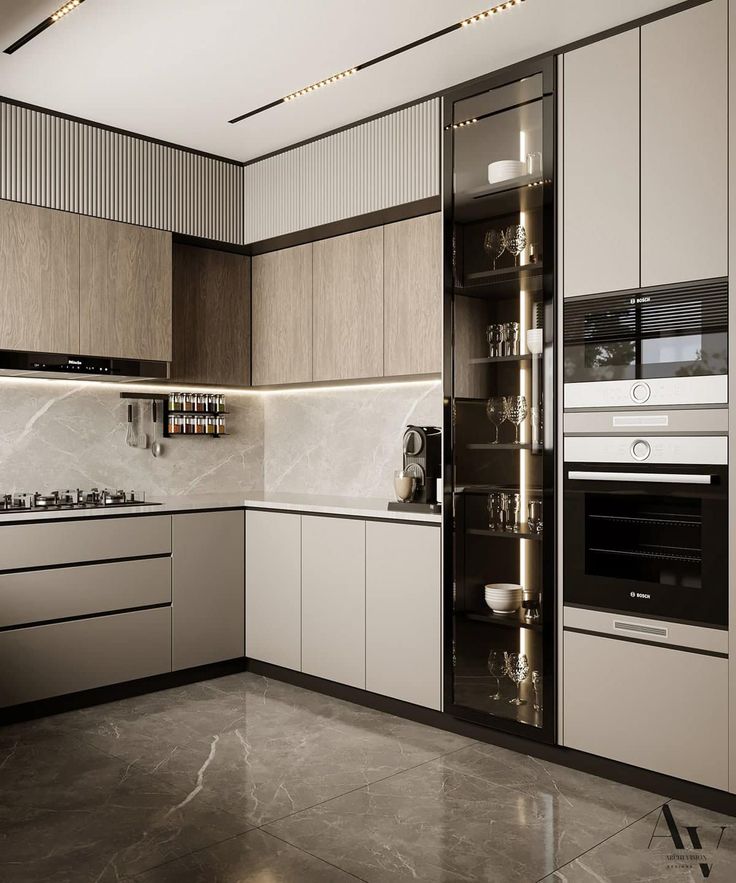
In 2026, an efficient kitchen layout enhances both daily use and long-term functionality. Thoughtful placement of prep zones, appliances, and storage reduces unnecessary movement, improves ergonomics, and supports high-traffic households or multi-unit developments.
Key workflow strategies:
Triangle principle for sink, stove, and fridge placement
Dedicated prep and cooking zones
Easily accessible storage for frequently used items
Integration of smart appliances for streamlined tasks
1. How long does it take to renovate a new kitchen in 2026?
Most kitchen renovations take 6–10 weeks, depending on design complexity, material availability, and installation scope. Custom cabinetry and imported materials may extend timelines.
2. What is the biggest mistake when renovating a new kitchen?
Poor layout planning is the most common mistake. Even high-end materials cannot compensate for an inefficient or impractical kitchen layout.
3. Is it better to renovate a kitchen before or after moving in?
Renovating before moving in is often easier and more cost-effective, as it avoids disruptions and allows faster installation without daily use constraints.
4. What kitchen styles are most popular in 2026?
Popular styles include modern minimal, warm contemporary, Japandi, and soft industrial—often paired with neutral colors and natural textures.
5. How can I make my kitchen renovation more future-proof?
Focus on durable materials, flexible layouts, timeless finishes, and high-quality hardware. Avoid overly trendy elements that may date quickly.
6. Should I renovate my new kitchen all at once or in stages?
Most experts recommend renovating a new kitchen as a complete project rather than in stages. A full renovation ensures better design consistency, avoids rework, and is often more cost-efficient. Staged renovations may seem flexible but can lead to higher labor costs and mismatched finishes over time.
7. What should be prioritized first when renovating a new kitchen?
When renovating a new kitchen, layout and cabinetry should be prioritized first. These elements determine functionality, storage efficiency, and appliance placement. Countertops, finishes, and accessories should be selected only after the core structure and layout are finalized.
8. Are custom cabinets worth it when renovating a new kitchen?
Yes, custom cabinets are often worth the investment when renovating a new kitchen in 2026. They maximize space usage, improve storage efficiency, and allow better integration with appliances. While the initial cost may be higher, custom cabinetry typically offers superior durability and long-term value compared to standard modular options.
9. How can I reduce maintenance after renovating a new kitchen?
To minimize maintenance, choose non-porous countertops such as quartz or sintered stone, fingerprint-resistant cabinet finishes, and high-quality hardware. Smart storage design also reduces daily cleaning by keeping surfaces clear and organized.
10. How do I ensure my kitchen renovation adds resale value?
To maximize resale value when renovating a new kitchen, focus on neutral color palettes, practical layouts, quality materials, and energy-efficient appliances. Avoid overly personalized design choices that may limit future buyer appeal.