Total Cabinetry And Joinery Solution
ENG

Search
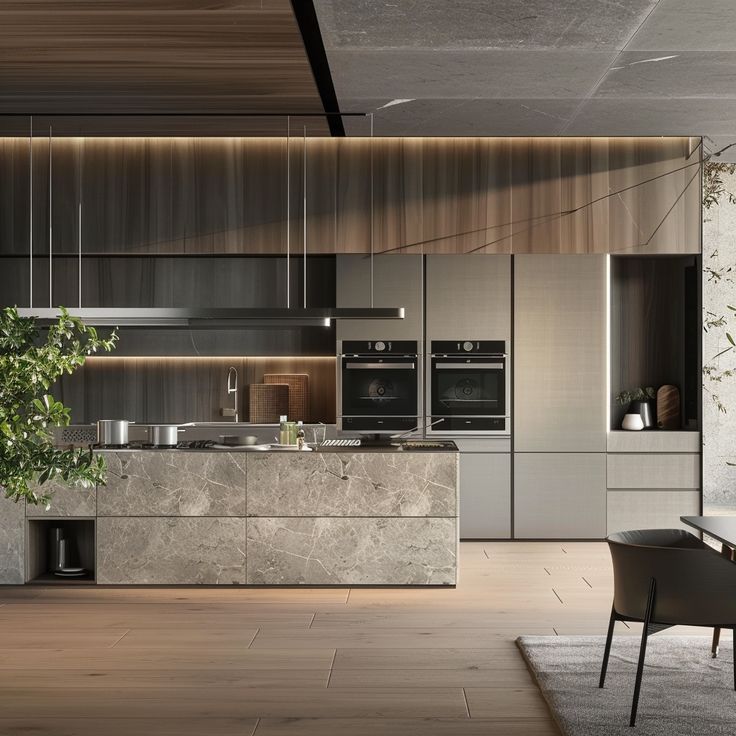
Kitchen design trends in 2026 focus less on short-lived aesthetics and more on longevity, functionality, and adaptability. Contemporary kitchen design is evolving toward timeless layouts, durable materials, and understated finishes that remain relevant across residential homes, apartments, and large-scale development projects. This guide explores kitchen design trends that last, helping homeowners, designers, and developers make confident, future-proof decisions.
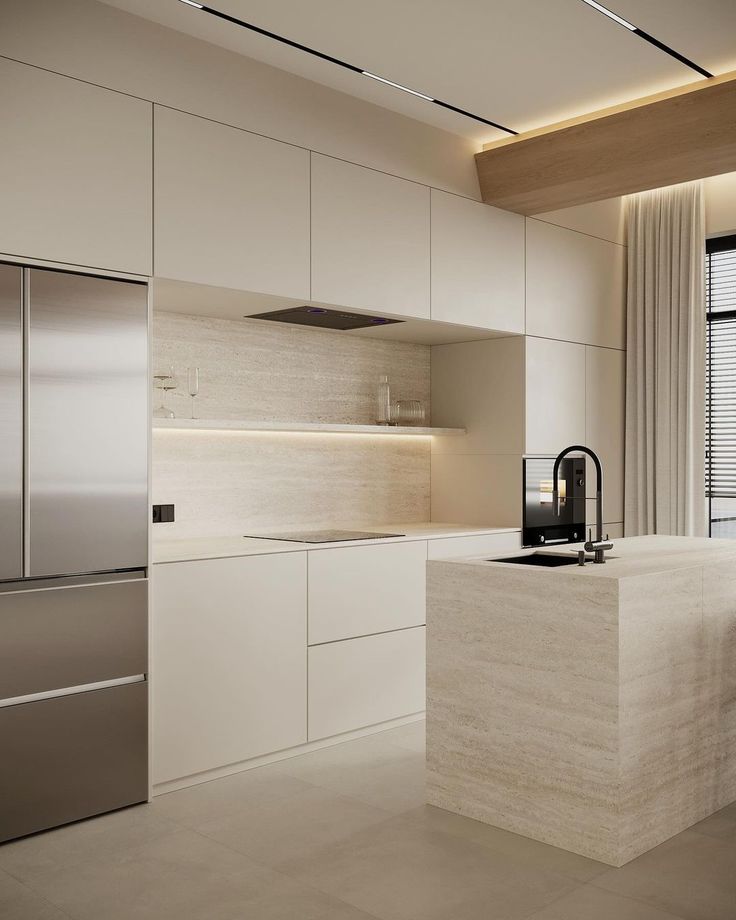
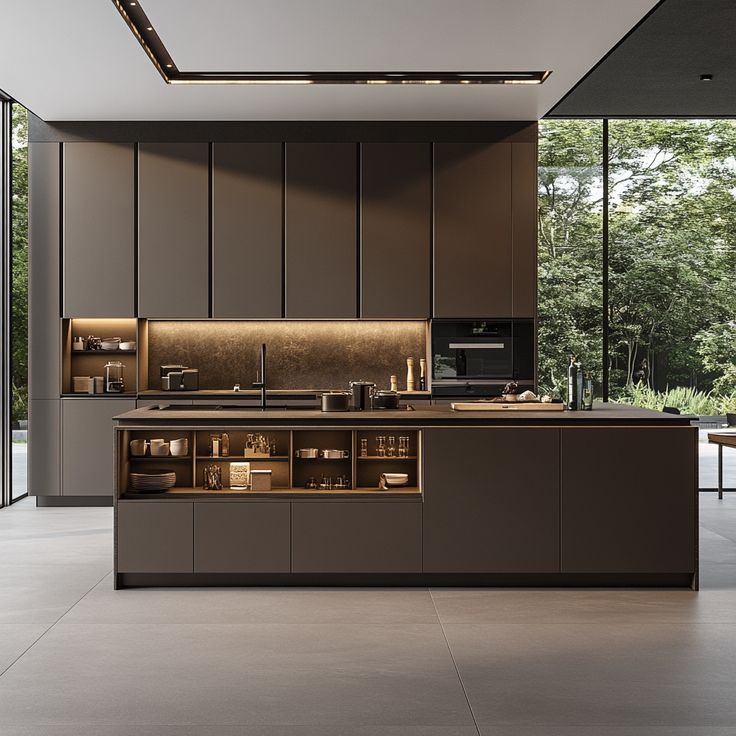
Contemporary kitchens in 2026 continue to prioritize simplicity. Flat-panel doors, handleless systems, and full-height cabinetry create a calm, uncluttered visual experience.
Why it lasts:
Easy to maintain
Visually timeless
Works across modern, transitional, and luxury interiors
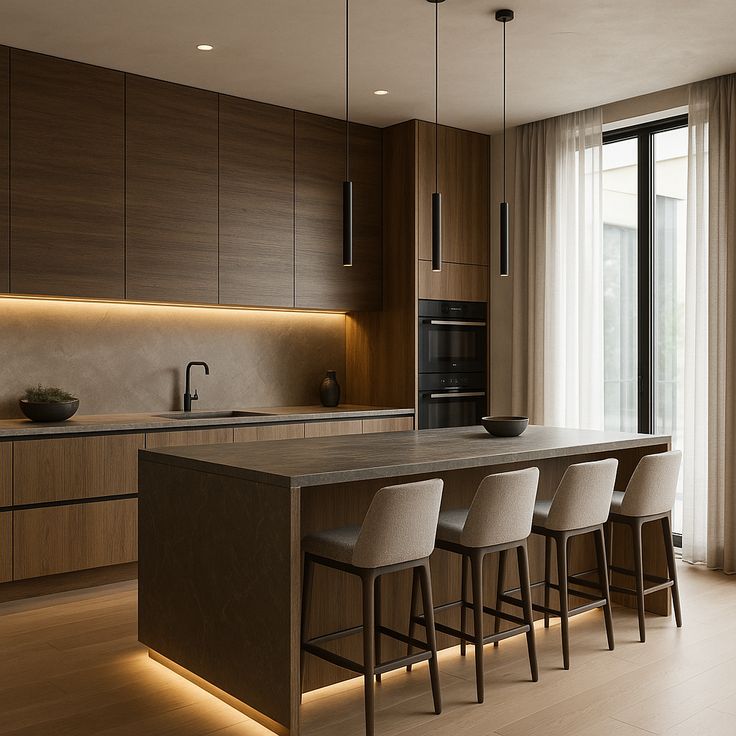
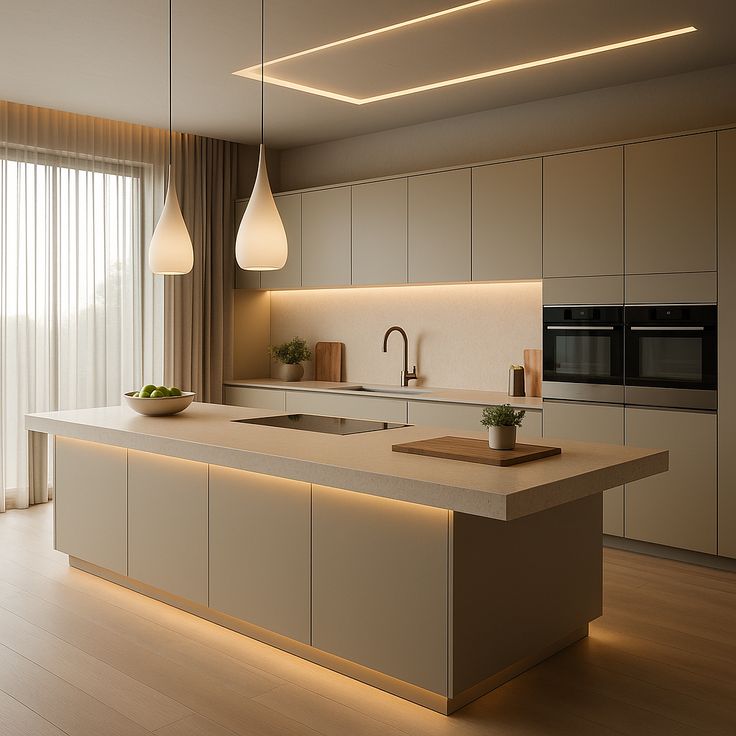
While bold colors appear in trend cycles, lasting kitchen design trends favor warm neutrals such as soft whites, greige, taupe, and natural wood tones. These colors adapt easily to changing décor and lighting.
Why it lasts:
Enhances resale value
Suitable for different interior styles
Easy to refresh with accessories
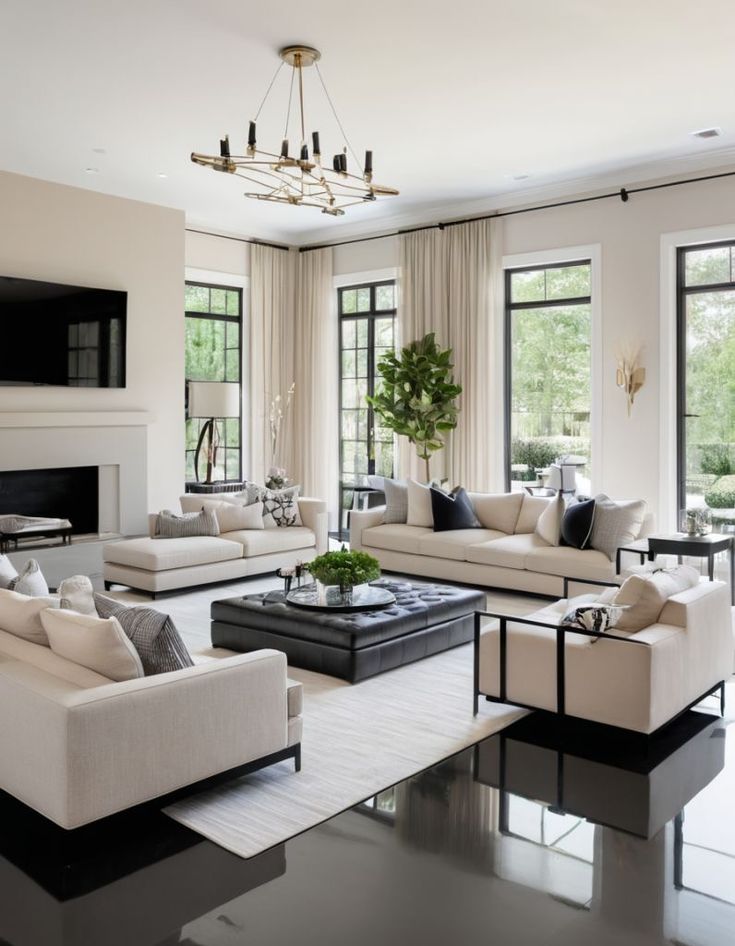
Hidden storage solutions are a defining element of contemporary kitchen design. Appliance garages, internal drawers, pull-out pantries, and concealed waste systems improve usability without visual clutter.
Why it lasts:
Improves daily efficiency
Keeps kitchens visually calm
Ideal for compact and large kitchens alike
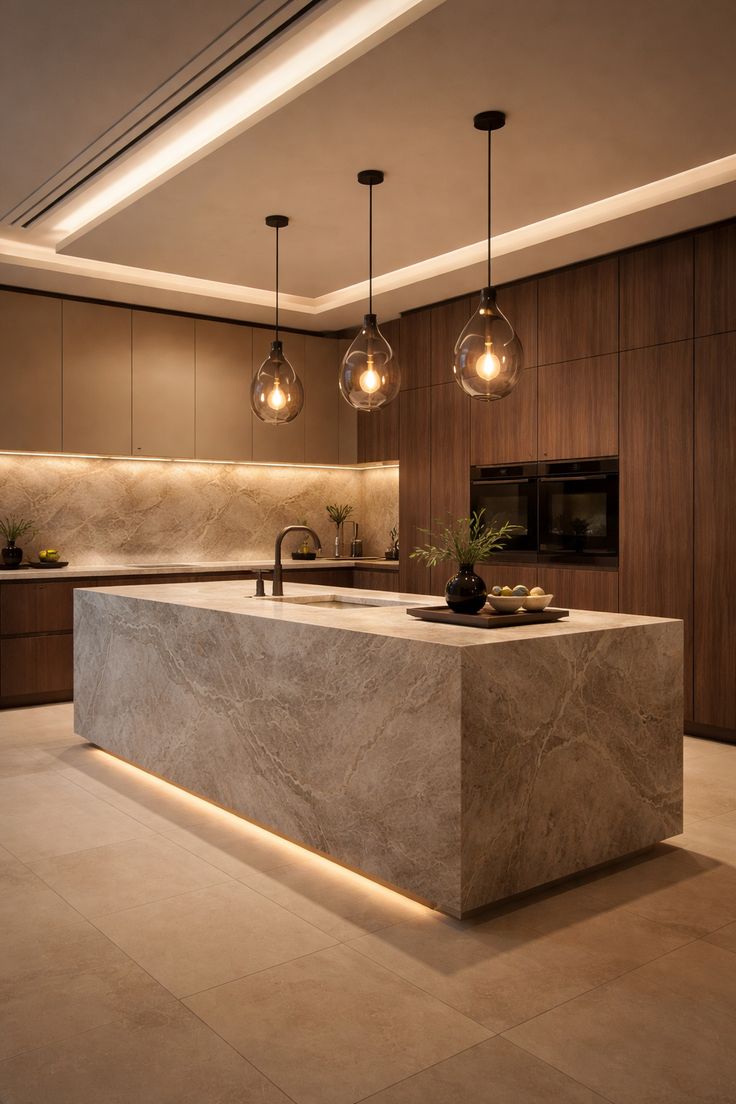
In 2026, kitchen design trends emphasize materials that perform well over time. Quartz, sintered stone, porcelain surfaces, and moisture-resistant cabinet boards dominate contemporary kitchens.
Why it lasts:
Resistant to stains, heat, and wear
Suitable for high-use kitchens
Reduces long-term maintenance costs
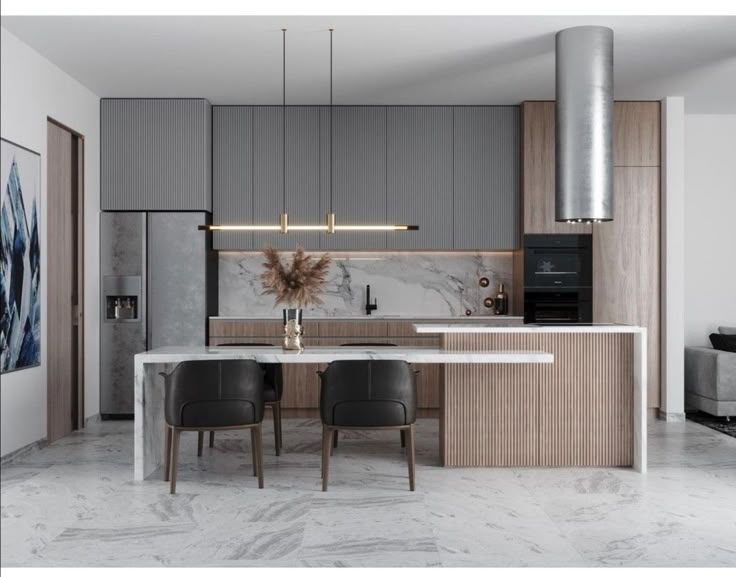
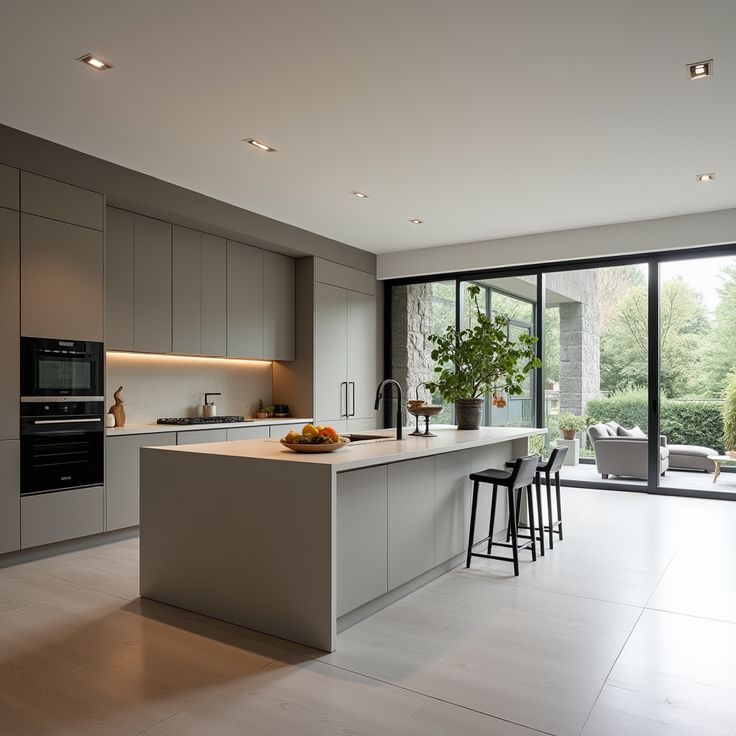
Open layouts and visual continuity are increasingly important. Contemporary kitchens often connect to dining areas, living spaces, or outdoor zones using consistent flooring, cabinetry tones, and benchtop materials.
Why it lasts:
Supports modern living habits
Enhances spatial flow
Adds long-term lifestyle value
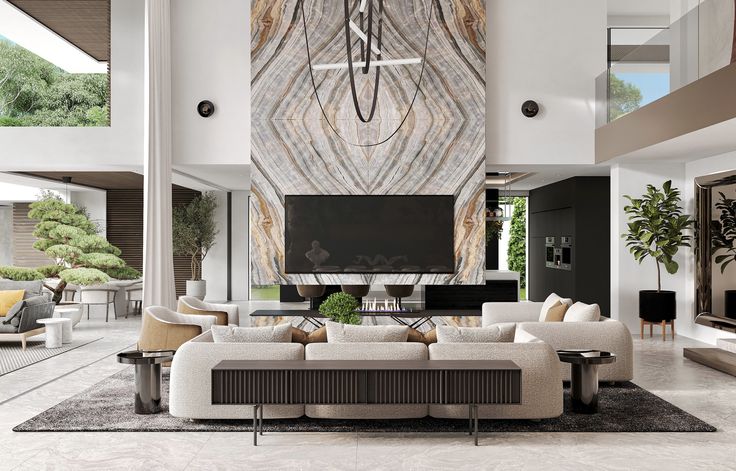
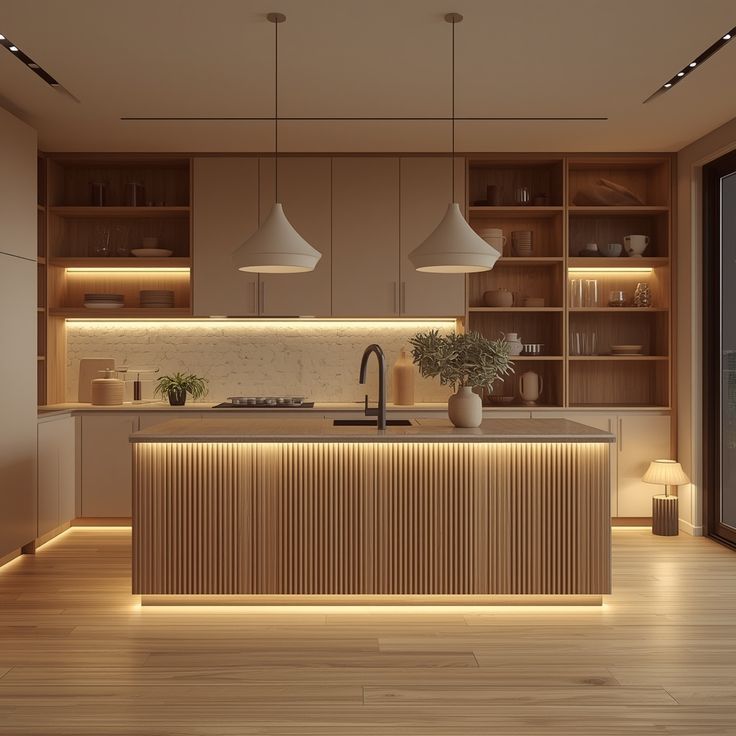
Lighting is no longer just functional. Layered lighting—ambient, task, and accent—plays a key role in modern kitchen design trends. Integrated LED lighting enhances both usability and atmosphere.
Why it lasts:
Improves functionality
Creates visual depth
Adapts to different times of day
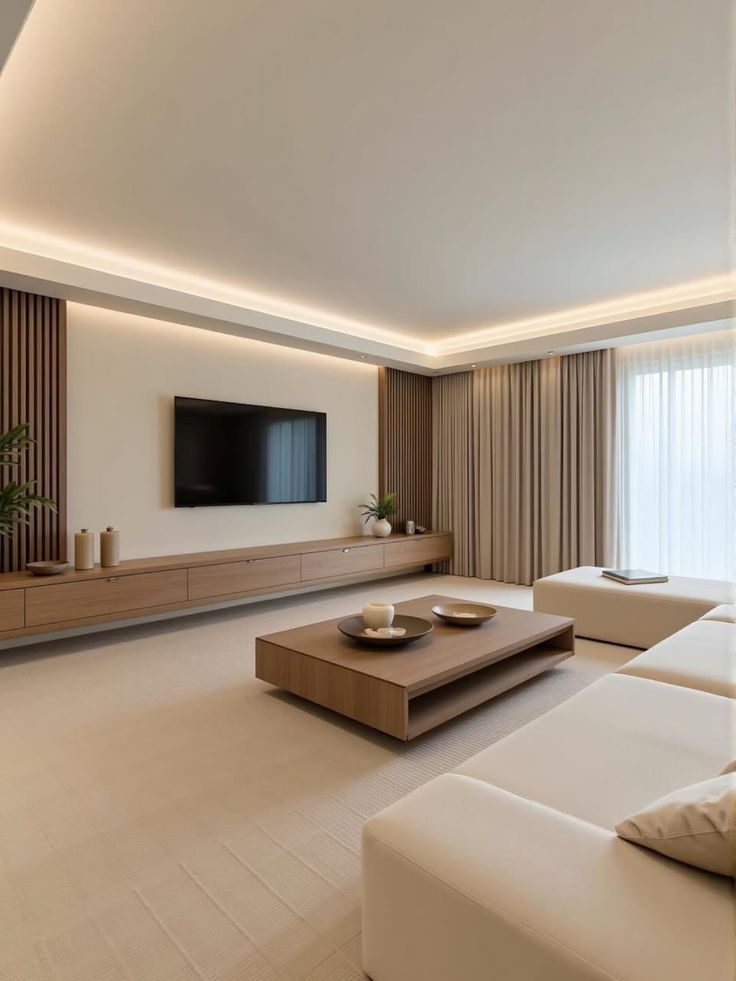
Timeless contemporary kitchens are designed to adapt. Modular cabinetry, movable islands, and flexible storage configurations ensure kitchens evolve with lifestyle changes.
Why it lasts:
Supports growing families
Suitable for resale-focused projects
Ideal for long-term living
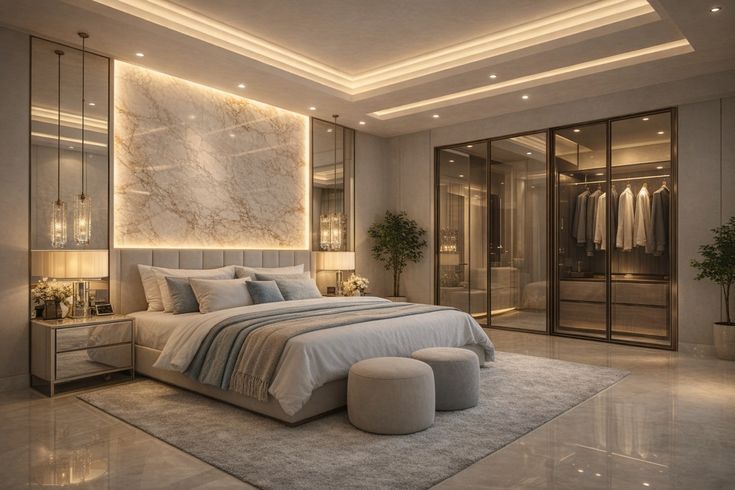
The most successful kitchen design trends in 2026 are those that prioritize longevity over novelty. Contemporary kitchen design continues to evolve toward clean lines, neutral tones, durable materials, and intelligent layouts that remain relevant for years. By focusing on function, adaptability, and timeless aesthetics, these trends deliver lasting value for homeowners and development projects alike.
1. What defines contemporary kitchen design in 2026?
Contemporary kitchen design in 2026 focuses on clean lines, neutral colors, integrated storage, and durable materials. It blends modern aesthetics with practical, long-term functionality.
2. Are contemporary kitchen design trends suitable for resale properties?
Yes. Neutral colors, minimalist cabinetry, and durable materials appeal to a wide range of buyers, making contemporary kitchens ideal for resale and investment projects.
3. How do I make sure my kitchen design doesn’t go out of style?
Choose timeless cabinet profiles, neutral color palettes, and high-quality materials. Avoid overly trendy finishes and focus on flexibility and functionality.
4. What materials are most popular in contemporary kitchens?
Quartz, sintered stone, porcelain, engineered wood, and moisture-resistant boards are widely used due to their durability and low maintenance.
5. Can contemporary kitchen design work in small spaces?
Absolutely. Integrated storage, clean lines, and neutral tones help small kitchens feel larger, brighter, and more efficient.
6. Are contemporary kitchen design trends suitable for multi-unit developments?
Yes. Contemporary kitchen design trends emphasize standardization, durability, and neutral aesthetics, making them ideal for apartments, townhouses, and large-scale residential projects. Consistent layouts and finishes also improve construction efficiency and cost control.
7. How long do contemporary kitchen design trends typically last?
Well-executed contemporary kitchen design trends can remain relevant for 10–15 years or more. Clean cabinet profiles, neutral colors, and quality materials age far better than trend-driven decorative elements.
8. What cabinet finishes work best for long-term kitchen design trends?
Matte finishes, soft-touch laminates, wood veneers, and fingerprint-resistant lacquer are preferred for contemporary kitchens because they balance aesthetics, durability, and ease of maintenance.
9. How important is lighting in contemporary kitchen design?
Lighting is essential. Layered lighting—combining ambient, task, and accent lighting—enhances usability, defines zones, and elevates the overall design without relying on decorative clutter.
10. What role does sustainability play in modern kitchen design trends?
Sustainability is increasingly important. Contemporary kitchens often incorporate eco-certified materials, long-lasting surfaces, energy-efficient lighting, and designs that reduce replacement cycles.