AlS Kitchen Cabinet Colors: which Colors Go Well Together In 2026
12 月 ,15 2025
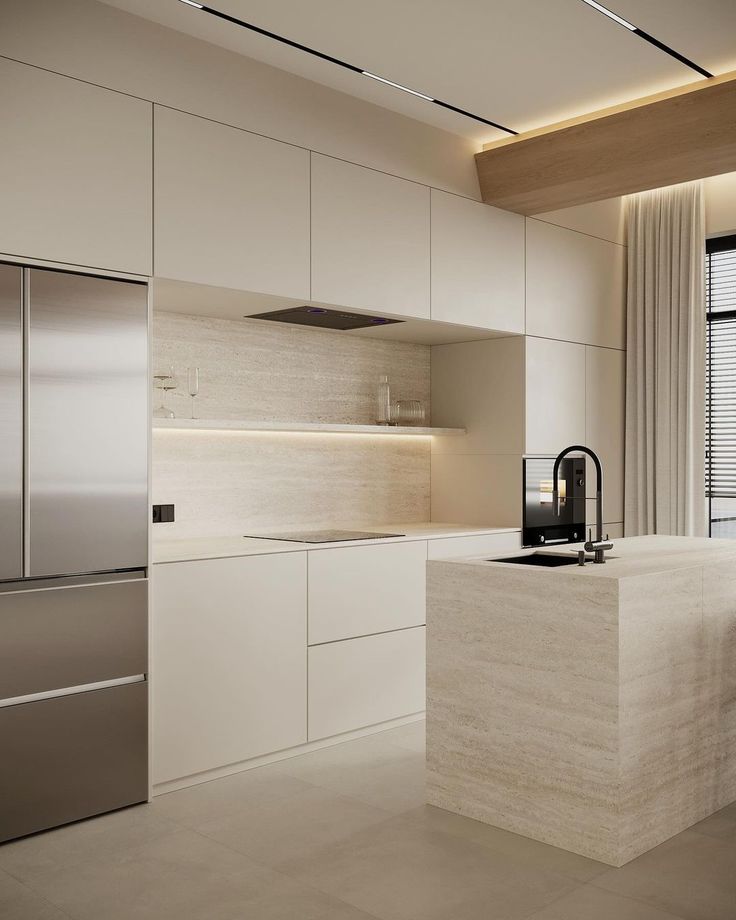
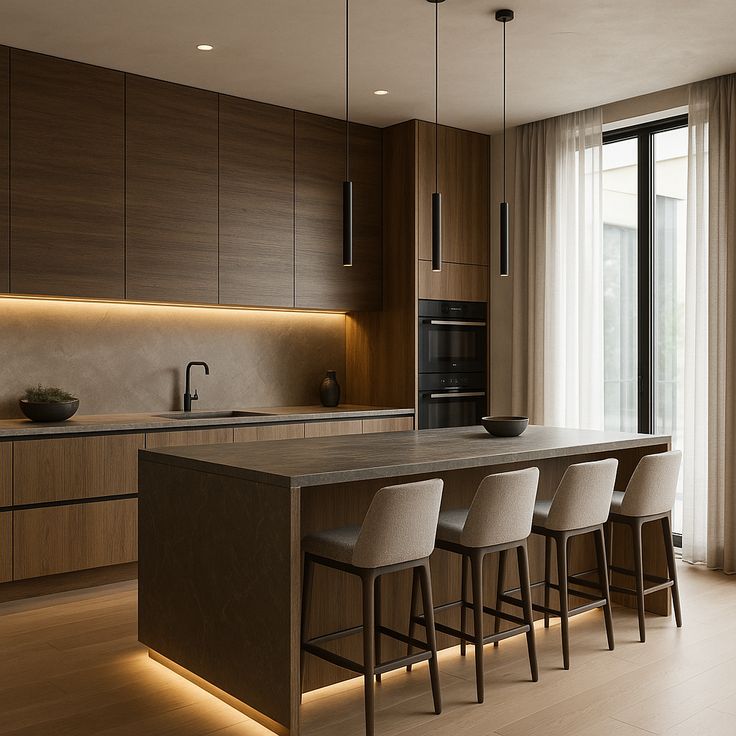
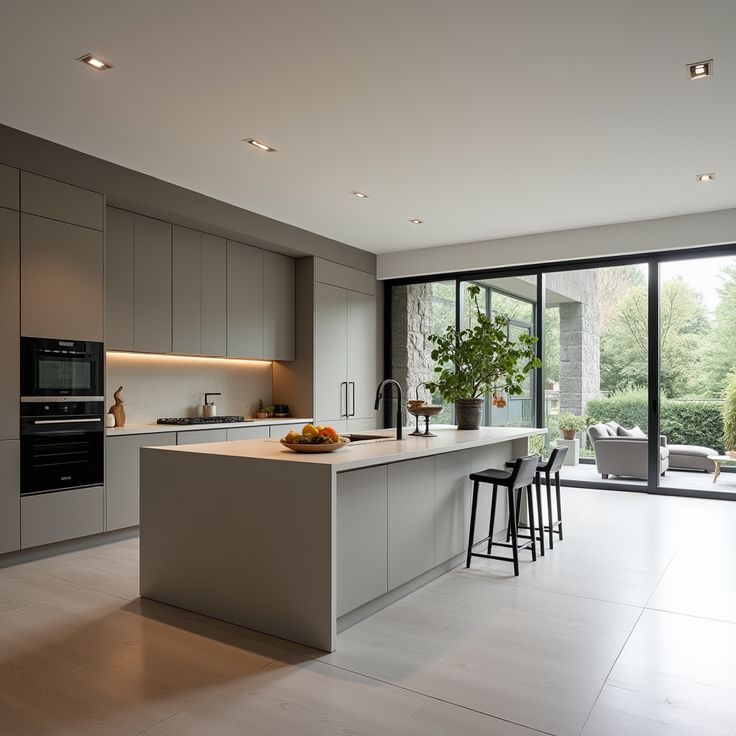
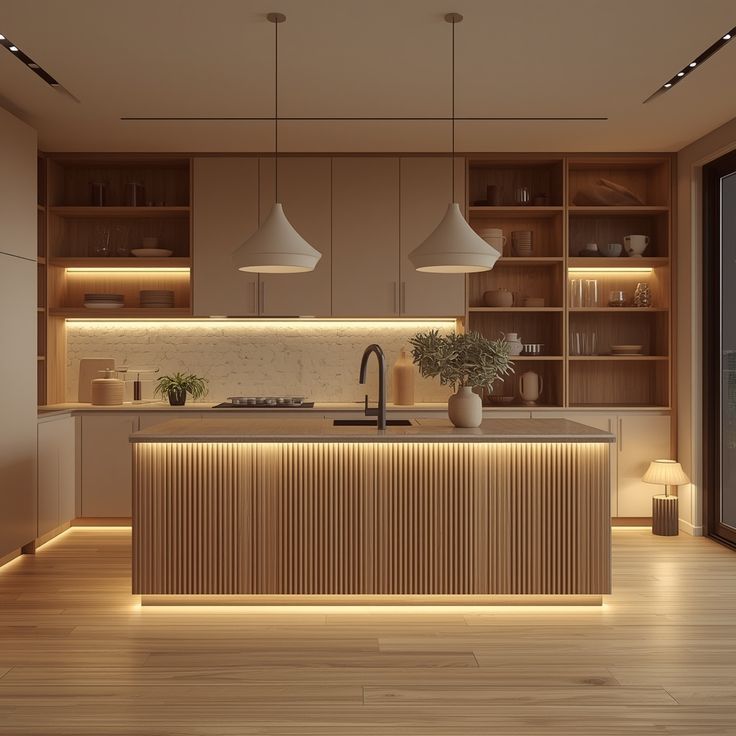
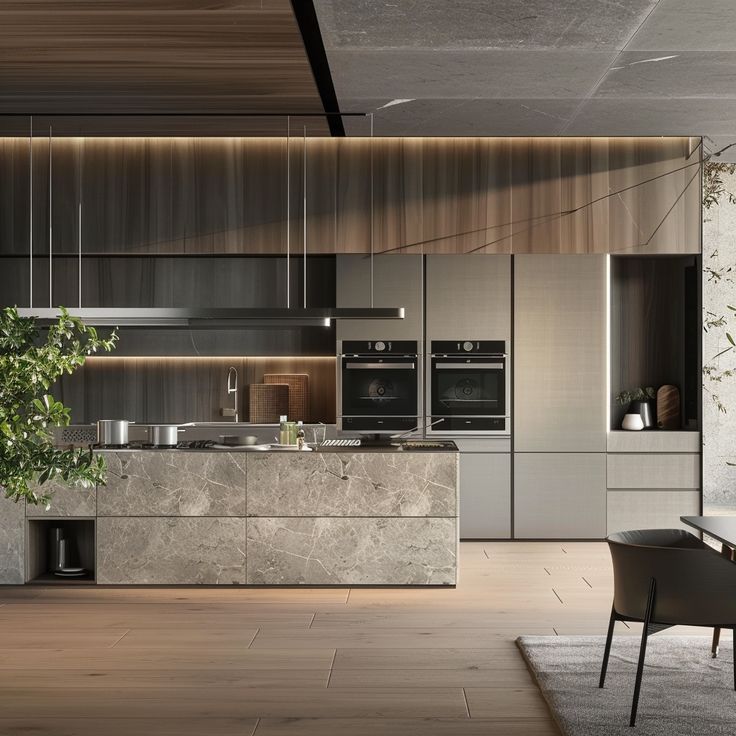
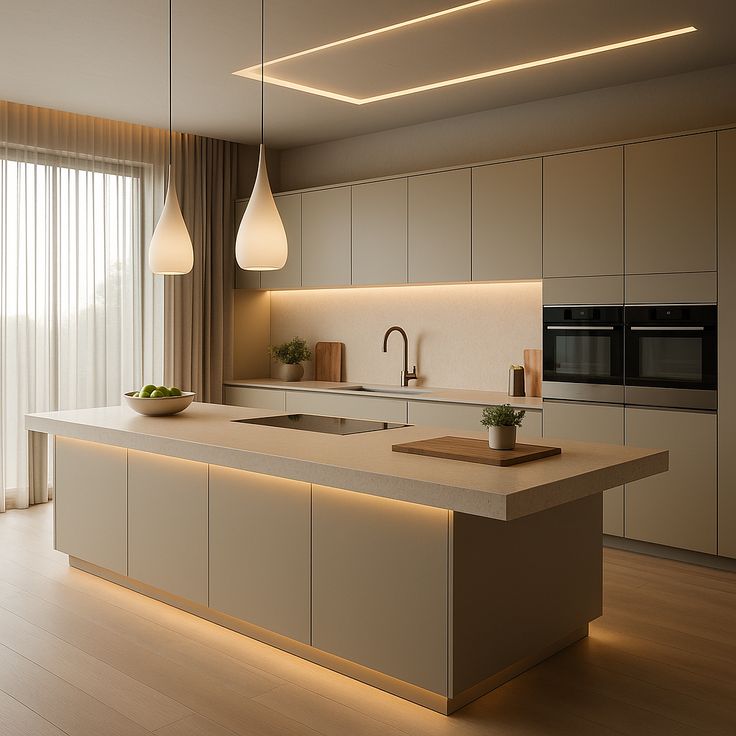
In 2026, choosing the right kitchen cabinet colors is essential for creating visually balanced, functional, and market-ready kitchens. This article explores how different kitchen cabinet colors work together, highlighting proven color combinations that enhance space perception, material coordination, and long-term appeal across villas, modern apartments, and large-scale residential development projects.
Source
Introduction
Kitchen cabinet colors play a decisive role in defining the mood, style, and perceived quality of modern kitchens. In 2026, successful cabinet color combinations are no longer based on aesthetics alone—they must support spatial balance, lighting conditions, and long-term usability across residential and multi-unit projects.
Well-matched kitchen cabinet colors improve visual harmony, enhance material textures, and create a cohesive connection between cabinets, countertops, and surrounding finishes. In this guide, we explain which kitchen cabinet colors work well together, why certain combinations perform better in real-life use, and how designers and developers can apply these principles across villas, apartments, and large-scale housing projects.
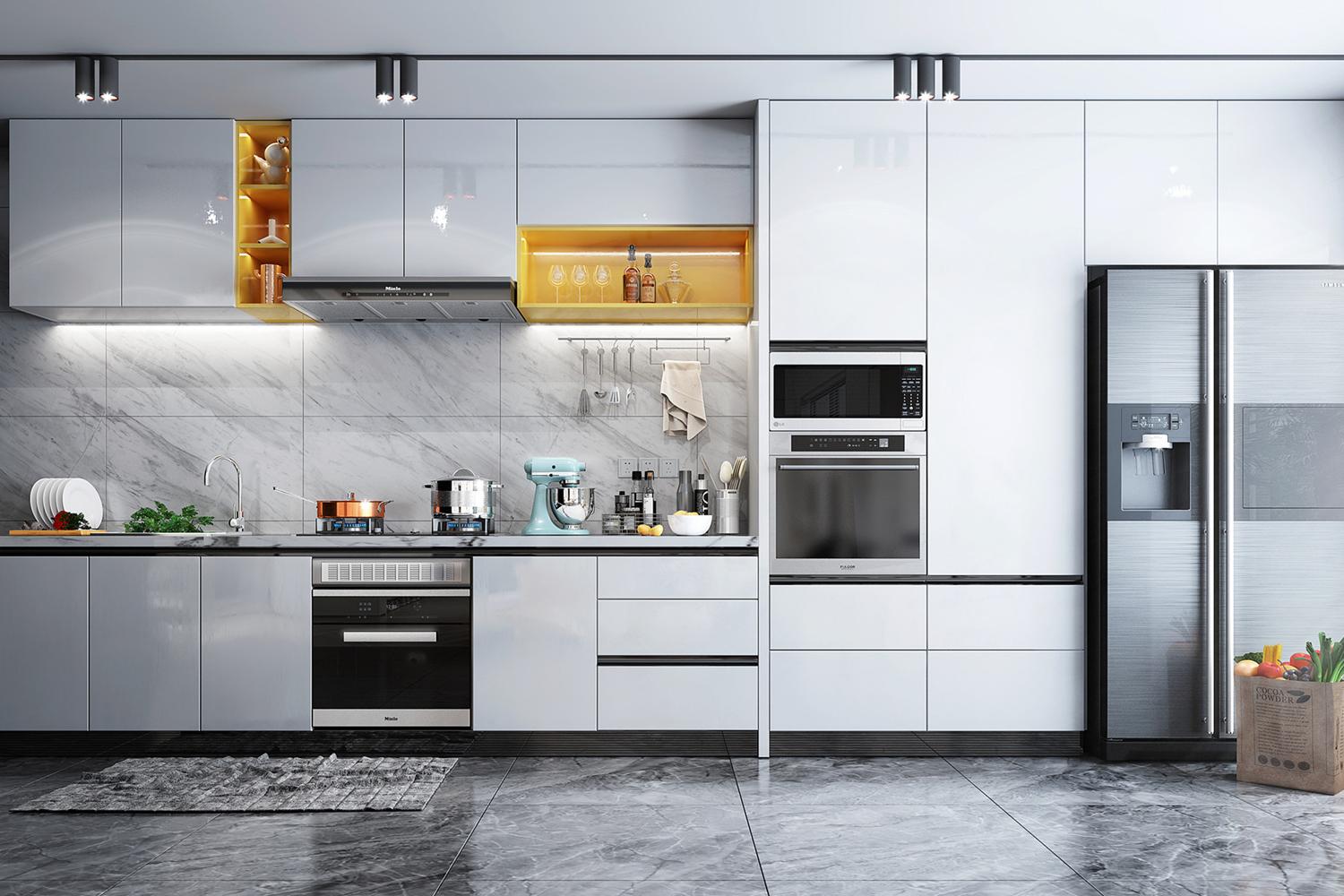
1. Why Kitchen Cabinet Colors Matter in Modern Design
Kitchen cabinet colors influence more than appearance:
Define the overall kitchen style
Affect brightness and perceived space
Highlight material quality and craftsmanship
Support consistency across multiple units
From AIS project experience, color decisions made early in design stages help reduce later revisions and ensure smoother production coordination.
2. Classic Kitchen Cabinet Color Combinations That Always Work
White and Natural Wood
A timeless pairing that balances warmth and brightness.
White upper cabinets reflect light
Wood-tone base cabinets add depth and texture
Ideal for modern, Scandinavian, and transitional kitchens
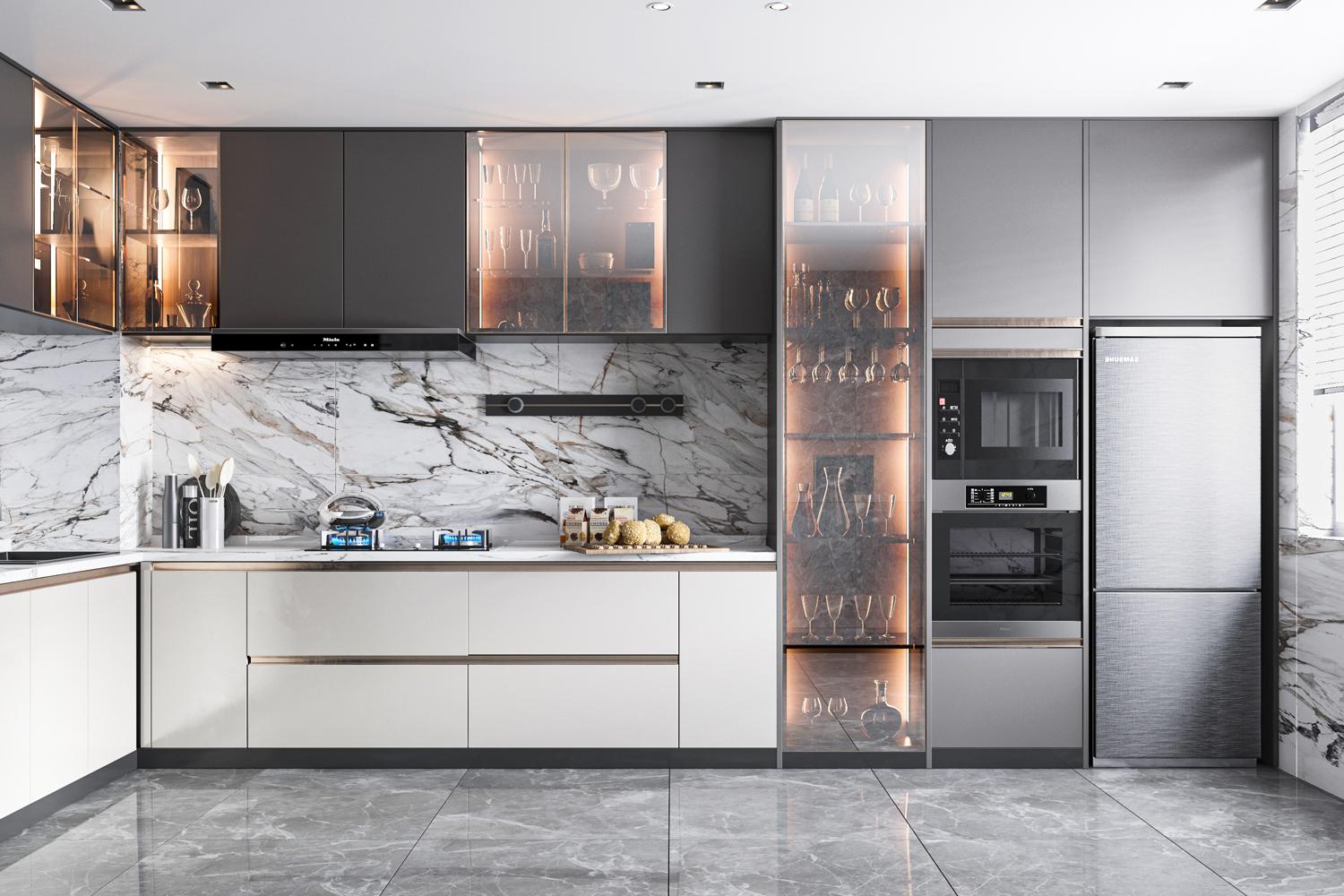
Gray and White
Clean, neutral, and versatile.
Light gray softens all-white kitchens
Works well with stone or quartz countertops
Suitable for apartments and rental-focused projects
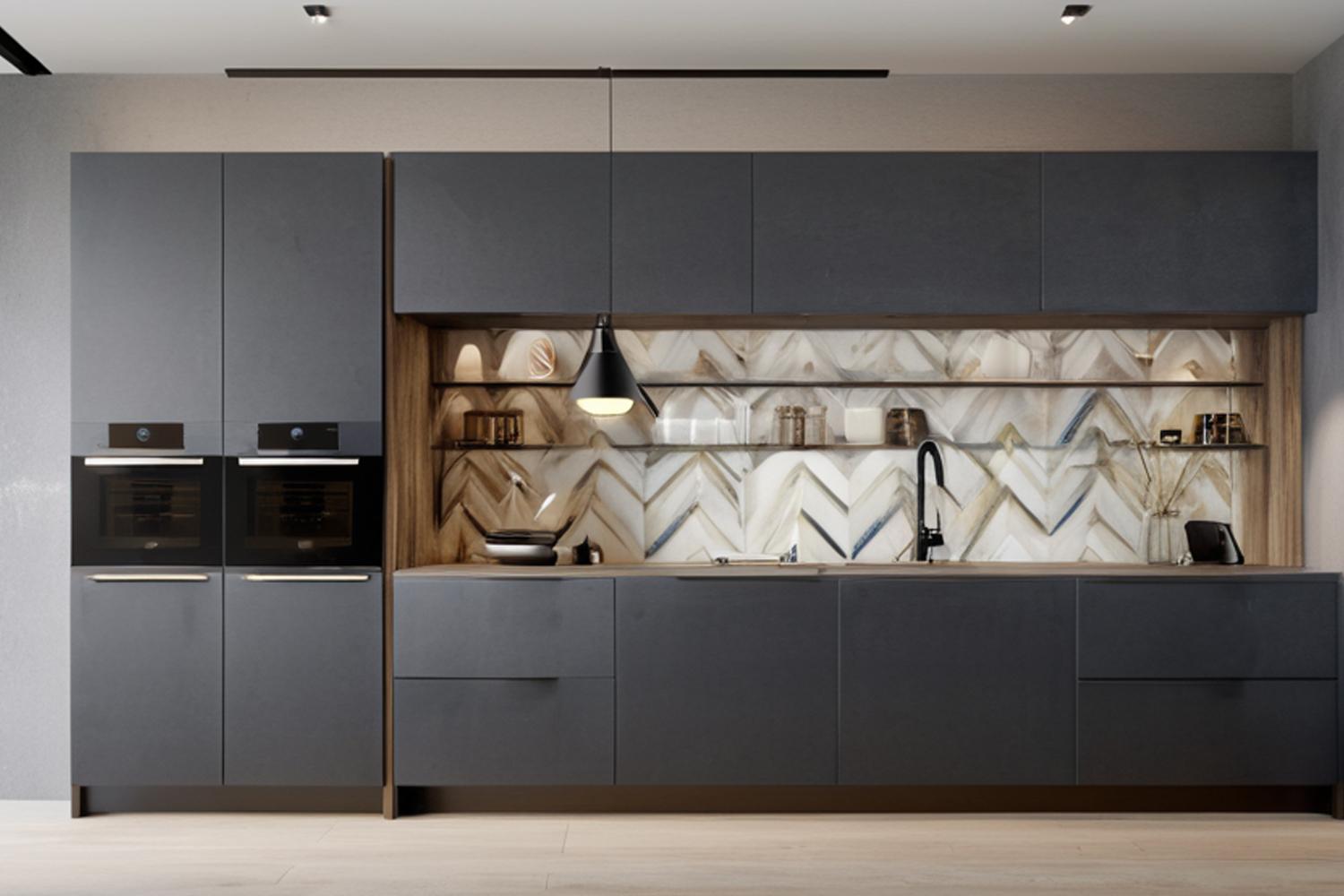
Black and Wood
A high-contrast combination with strong visual impact.
Black cabinets create a bold anchor
Wood finishes prevent the space from feeling cold
Often used in premium or statement kitchens
3. Modern Two-Tone Kitchen Cabinet Color Ideas
Two-tone kitchens remain a strong trend in 2026.
Upper Light / Lower Dark
Improves visual balance
Keeps kitchens feeling open
Helps ground the layout
Matte + Texture Pairings
Matte lacquer with woodgrain finishes
PET or UV finishes combined with veneer textures
These combinations enhance depth without overwhelming the space.
4. Kitchen Cabinet Colors and Lighting Conditions
Lighting plays a major role in color performance:
Dark colors need strong natural or artificial lighting
Warm lighting enhances beige, wood, and cream tones
Cool lighting complements gray and white cabinets
AIS typically evaluates cabinet colors under project-specific lighting simulations to ensure consistency after installation.
5. Popular Kitchen Cabinet Colors in 2026
Some of the most requested kitchen cabinet colors include:
Soft white and off-white
Warm gray and greige
Light oak and walnut tones
Matte black and charcoal
Muted greens and earthy neutrals
These colors age well and remain suitable for long-term residential use.
6. Choosing Kitchen Cabinet Colors for Large-Scale Projects
For apartment buildings, serviced residences, and large-scale housing developments, kitchen cabinet color selection is not only a design decision but also a strategic one that affects cost control, production efficiency, and long-term asset performance.
Neutral and low-saturation palettes—such as warm whites, soft greys, light wood tones, and muted beiges—are widely preferred in multi-unit projects. These colors help reduce visible wear, fingerprints, and minor surface imperfections, which lowers ongoing maintenance requirements and improves durability perception after handover.
From a manufacturing and procurement standpoint, consistent color systems allow for standardized material sourcing, streamlined production schedules, and reduced risk of batch variation. Using the same cabinet color families across multiple buildings or project phases improves efficiency, shortens lead times, and supports scalable delivery without compromising visual consistency.
Balanced and market-tested color combinations also play a key role in buyer and tenant acceptance. Neutral bases paired with subtle contrast—such as light cabinets with darker islands or tone-on-tone layering—appeal to a broader range of end users while remaining flexible for future interior upgrades or personalization.
From a project management perspective, stable and repeatable cabinet color strategies help ensure design continuity across phases, minimize rework caused by late-stage design changes, and maintain a cohesive brand image throughout the development lifecycle. Well-chosen cabinet colors ultimately contribute to smoother execution, better cost predictability, and stronger long-term value for large-scale residential projects.For additional industry insights on color consistency and large-scale interior planning, developers and designers can refer to ArchDaily’s coverage on residential kitchen design standards, which highlights how 2025 architectural color trends balance warm earth tones with carefully used vibrant hues to create spaces that feel grounded, expressive, and emotionally engaging.
Conclusion
Choosing the right kitchen cabinet colors is a balance between aesthetics, functionality, and long-term performance. Well-coordinated color combinations enhance material quality, improve spatial balance, and support consistent design across different kitchen layouts.
As kitchen design continues to evolve, color decisions that prioritize harmony, durability, and adaptability will remain essential. By understanding how kitchen cabinet colors work together, designers and developers can create kitchens that feel refined, practical, and visually cohesive for years to come.
FAQ:
1. What kitchen cabinet colors go well together?
White and wood, gray and white, black and wood, and neutral two-tone combinations are among the most reliable kitchen cabinet color pairings.
2. Are two-tone kitchen cabinet colors still popular?
Yes. Two-tone kitchen cabinet colors remain popular in 2026 because they add depth and improve visual balance without overwhelming the space.
3. Which kitchen cabinet colors make a small kitchen look bigger?
Light colors such as white, off-white, and light gray help reflect light and make small kitchens appear more spacious.
4. Are dark kitchen cabinet colors hard to maintain?
Dark cabinets can show fingerprints more easily, but modern finishes like matte PET or fingerprint-resistant lacquer reduce maintenance issues.
5. How do I choose kitchen cabinet colors for apartments?
Neutral, timeless colors work best for apartments, as they appeal to a wider range of occupants and age well over time.
6. Do kitchen cabinet colors affect resale value?
Yes. Neutral and well-balanced kitchen cabinet colors generally improve buyer appeal and support resale value.
7. Should cabinet colors match countertops?
They don’t need to match exactly, but cabinet colors should complement countertop tones to maintain visual harmony.
8. How many cabinet colors should be used in one kitchen?
Most kitchens perform best with one main color and one complementary accent color.