
How We Communicate Kitchen Cabinet Design From 2D Layouts To 3D Visualizations

8 月 ,13 2025

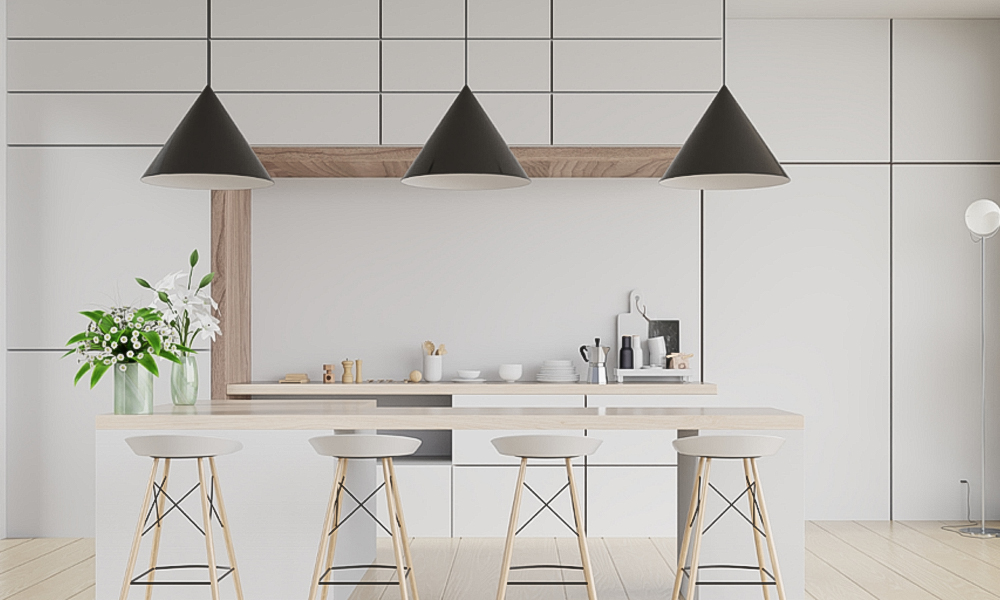
Step-by-step Kitchen Cabinet Design process, showing transition from 2D plans to 3D renderings for precise visualization and improved client satisfaction.

Introduction

Clear communication is the foundation of a successful Kitchen Cabinet Design project. By moving systematically kitchen cabinet design from 2D to 3D renderings, both designers and clients can ensure accuracy, reduce misunderstandings, and achieve the perfect final result.


Step 1: Understanding Client Requirements for Kitchen Cabinet Design

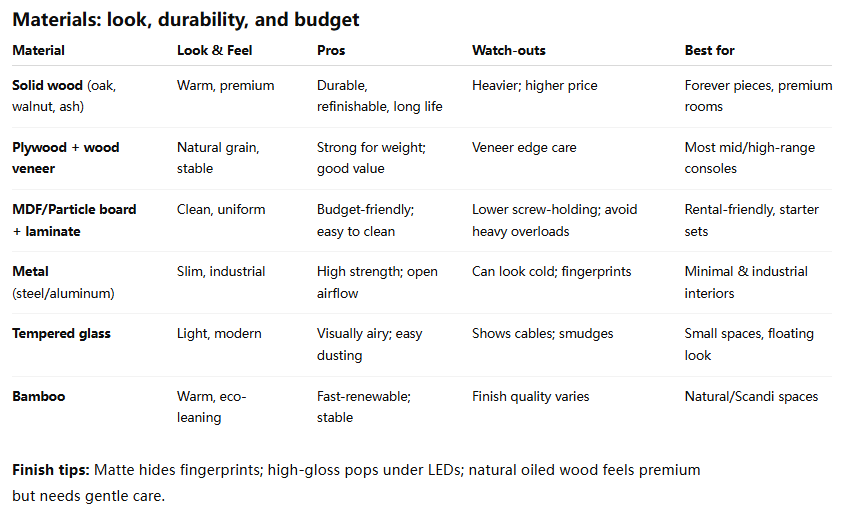
Every successful Kitchen Cabinet Design begins with a clear understanding of the client’s expectations. We start the process with a detailed consultation, where we discuss preferred cabinet styles (modern, shaker, minimalist, luxury), colour schemes, storage habits, and daily cooking routines. This helps us determine whether the homeowner needs features such as deep pan drawers, spice pull-outs, corner carousels, or tall pantry units. Budget and material preferences—such as MDF, plywood, or solid wood—are also evaluated to match design aesthetics with cost efficiency. By analysing lifestyle needs, space limitations, and visual preferences, we ensure that the final Kitchen Cabinet Design is not only beautiful but also highly functional and personalised.

AIS SMARTI


Step 2: Drafting the 2D Kitchen Cabinet Design Plan

At this stage of the Kitchen Cabinet Design process, our design team begins by creating a detailed 2D layout that defines the overall structure of the space. The plan carefully maps out the placement of key functional zones, including the sink, cooking area, refrigerator, and food preparation surfaces. Top and base cabinets are distributed according to workflow principles such as the “Washing ➜ Preparation ➜ Cooking” sequence, ensuring an efficient kitchen triangle.

The 2D layout also specifies cabinet heights, walkways, and ergonomic access points for drawers and tall units. Proper spacing for electrical outlets, oven housing, hob cutouts, and plumbing points is marked to support smooth on-site execution.

We typically use professional tools such as AutoCAD, SketchUp, or cloud-based design software to generate a clean and accurate foundation. This drawing becomes the backbone of the entire Kitchen Cabinet Design journey.

AIS Company


Step 3: Creating 3D Renderings for Kitchen Cabinets

Once the 2D layout is finalized and approved, our design team moves into the next phase—converting the flat drawing into a fully immersive 3D rendering. At this stage, the Kitchen Cabinet Design shifts from simple dimensions to a visually engaging concept that clients can easily understand and evaluate.

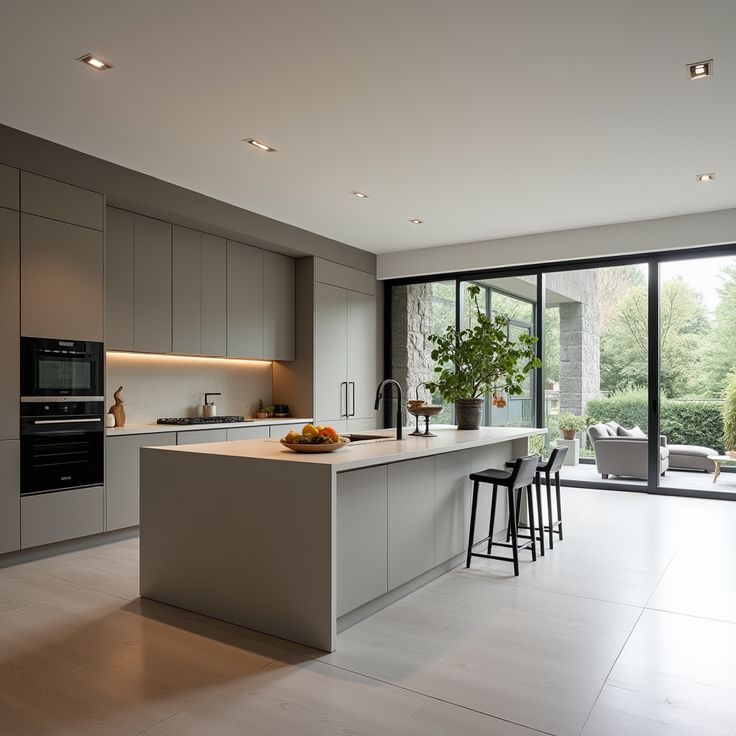
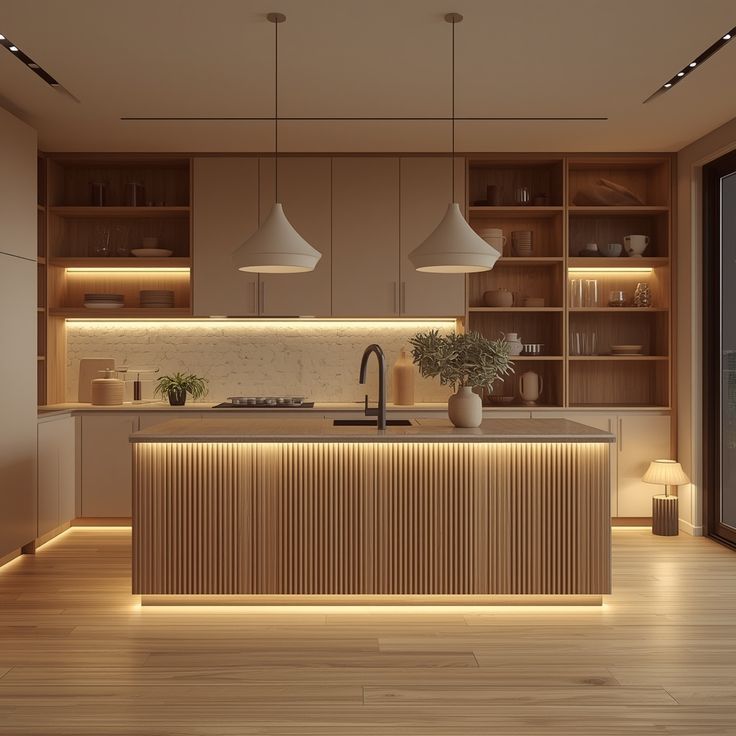
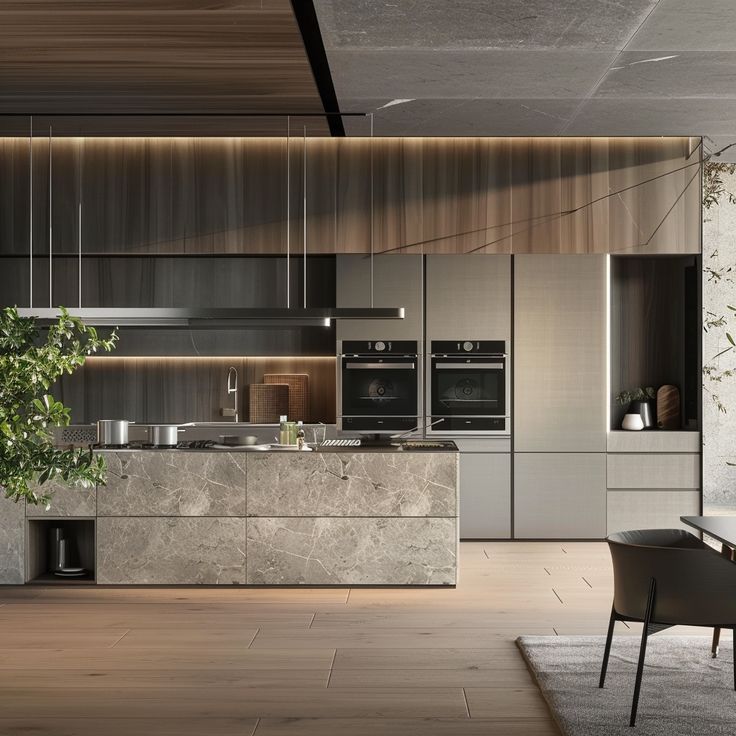
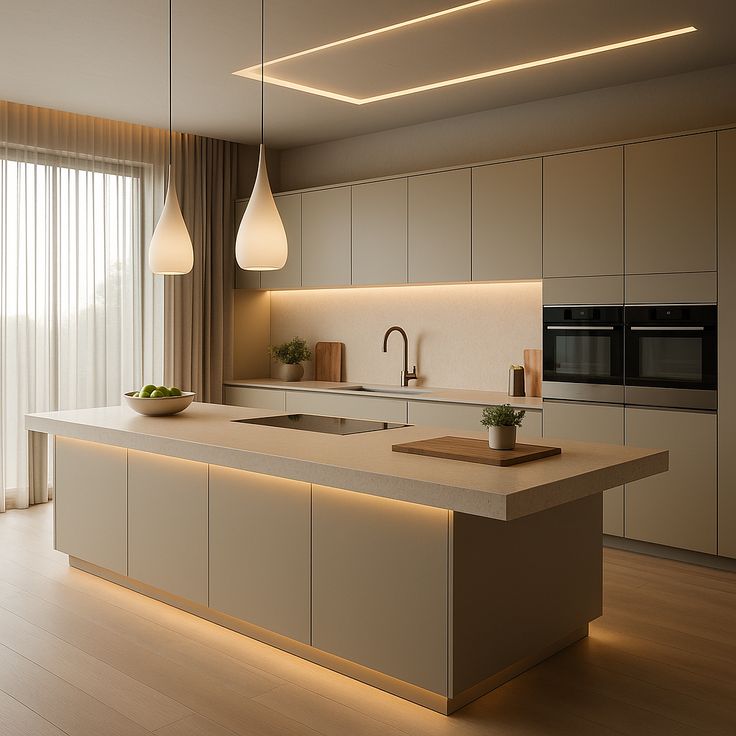
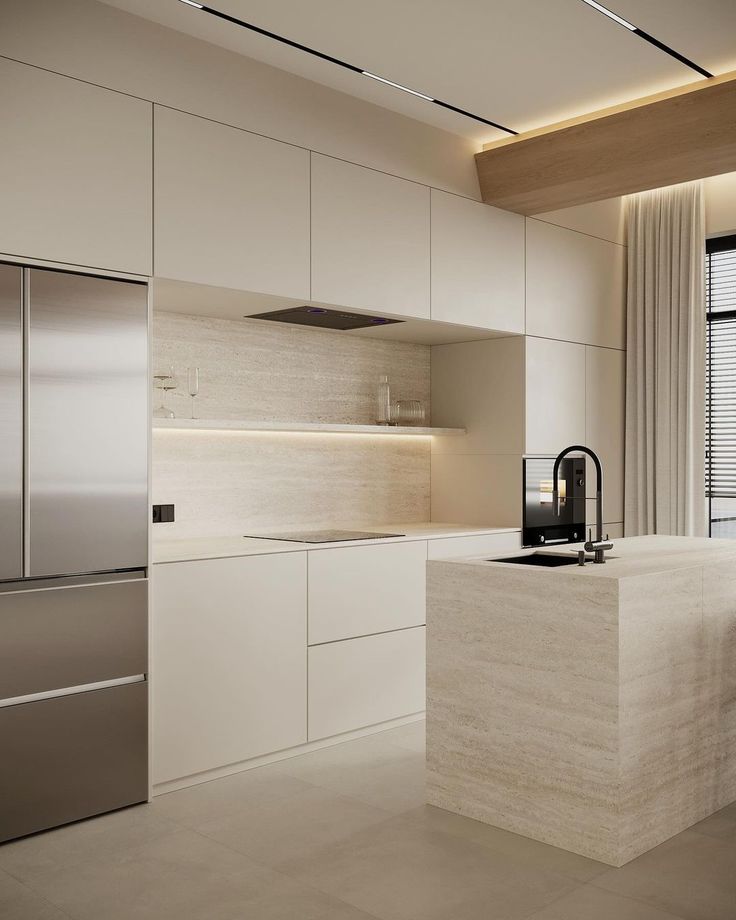
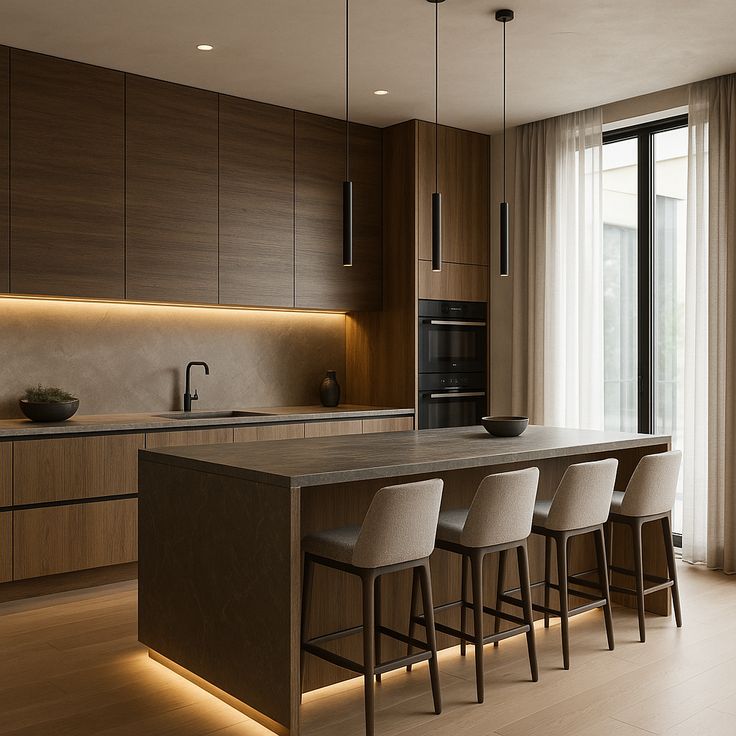
In this step, we apply realistic materials, cabinet styles, door profiles, handles, countertop finishes, and even lighting effects to ensure the rendering accurately reflects the final product. Whether clients prefer modern flat-panel doors, classic shaker styles, or luxury gloss finishes, the 3D model allows them to preview every aesthetic detail. This helps them clearly envision how their chosen Kitchen Cabinet Design will look in their actual space.

We also simulate key interior elements such as appliances, layout functionality, and walking flow to ensure ergonomic efficiency. By presenting multiple angle views—front elevation, island perspective, and panoramic kitchen overview—we allow clients to confidently confirm the design or suggest revisions before moving to production. This significantly reduces misunderstandings and modification costs later in the project.

In short, the 3D rendering phase turns the Kitchen Cabinet Design from a plan into a visual experience, giving clients confidence, clarity, and peace of mind before final approval.


Step 4: Refinement of the Kitchen Cabinet Design

After the 3D rendering is presented, we gather detailed feedback from the client to ensure every element of the Kitchen Cabinet Design aligns perfectly with their expectations. This stage focuses on refinement and optimization, allowing adjustments before the project progresses to the technical and production phase.

During this process, clients can request design modifications such as:

     1、Tweaking cabinet dimensions to improve storage efficiency
     2、Changing door styles, handle models, or finish materials
     3、Adjusting the color scheme to better suit interior themes
     4、Repositioning appliances for improved kitchen workflow
     5、Adding extra features like corner pull-out systems, spice organizers, or soft-closing mechanisms
     6、Enhancing the layout for ergonomic convenience (e.g., better prep-to-cook flow)

We typically offer multiple revision rounds for the Kitchen Cabinet Design, ensuring full satisfaction without rushing the decision-making process. By addressing all adjustments at this stage, we eliminate costly rework during manufacturing and reduce the risk of misunderstandings between clients, designers, and production teams.

This refinement step serves as the final checkpoint to confirm functional practicality, aesthetic harmony, and user experience—ensuring that the Kitchen Cabinet Design is 100% production-ready and truly aligned with the client’s vision.

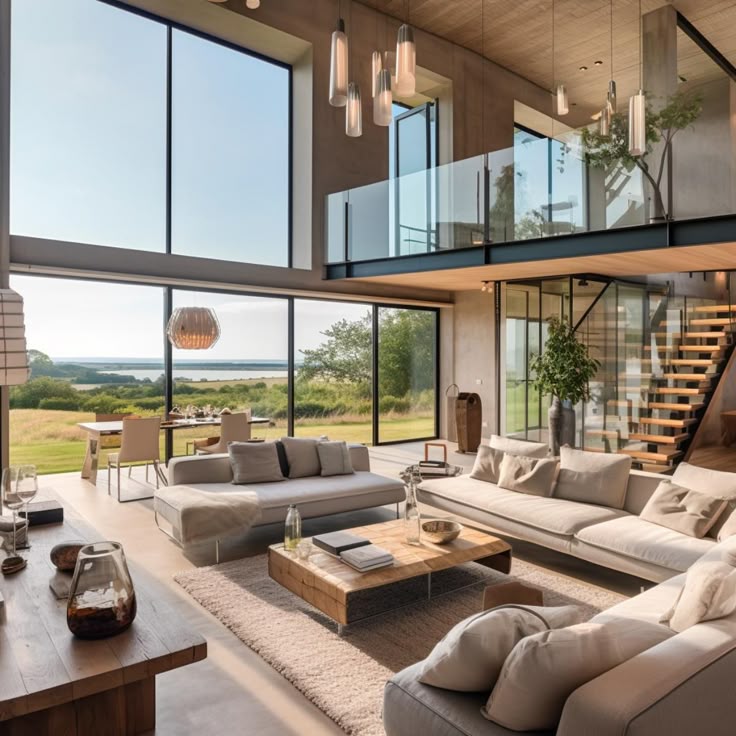
Modern Living Room in light grey tones with matte black fixtures


Step 5:Production & Delivery

Once the Kitchen Cabinet Design is fully approved, we move into the production phase with factory-level precision. Our engineering team transforms the finalized concept into detailed manufacturing drawings (including panel breakdowns, hardware locations, and drilling maps), ensuring every cabinet aligns with the original design intent.

Production Process:

     1、Conversion of Kitchen Cabinet Design into technical drawings for CNC machining.

     2、Automated panel cutting, drilling, and edge-banding using advanced machinery.

     3、Surface finishing according to the selected style—UV lacquer, PET foil, melamine, or painted.

     4、Quality inspection at every stage, checking alignment, finish consistency, and structural durability.

     5、Hardware fitting tests for hinges, drawer systems, and accessories (Blum, DTC, Hettich, etc. as per order).

Packaging & Protection:

To ensure the final product reflects the quality of the original Kitchen Cabinet Design, all cabinets are carefully packaged using:
     1、5-layer export-grade cardboard
     2、Foam corner protection & bubble wrapping
     3、Individual labeling based on assembly sequence
     4、Optional palletizing or plywood case packaging for extra protection

Global Delivery & Logistics:

We support multiple Incoterms (EXW, FOB, CIF, DDP) and coordinate with reliable shipping partners for smooth overseas delivery. Clients receive a complete packing list, installation guide, and assembly instructions to ensure easy on-site installation.


Conclusion

At AIS, we believe design communication should be simple, clear, and visual. , we make sure the final kitchen is exactly what they imagined—functional, stylish, and tailored to their needs. Following a clear process from 2D plans to 3D renderings in Kitchen Cabinet Design ensures efficiency, accuracy, and client satisfaction—making it an essential method for both residential and commercial projects.With AIS, what you see is truly what you get.Explore next: Top 10 Master Bedroom ldeas For Your Home In 2025


FAQs:

1. What does “Kitchen Cabinet Design from 2D to 3D” actually mean?
It means we take your 2D floor plans and measurements and turn them into a clear, visual Kitchen Cabinet Design that you can see and understand in 3D. You’ll see cabinet positions, heights, colors, materials, appliances and lighting before production starts.

2. Why is 3D visualization important for Kitchen Cabinet Design?
3D visualizations make Kitchen Cabinet Design easier to understand for everyone—developers, builders, designers, and end users. Instead of guessing from technical drawings, you can see:

     How tall units and wall cabinets look in the room

     How colors, countertops, and backsplashes work together

     Walkways, island size, and overall proportion

This reduces misunderstanding and redesign later.

3. What information do you need to start the 2D Kitchen Cabinet Design?
To begin, we usually ask for:

     2D floor plan with dimensions (PDF, DWG, or clear image)

     Ceiling height and window/door positions

     Appliance sizes (fridge, oven, cooktop, hood, dishwasher)

     Preferred Kitchen Cabinet Design style (modern, classic, luxury, minimalist)

     Target market and budget level

The more accurate the 2D information, the more accurate the 3D result.

4. How do you go from a basic 2D plan to a complete 3D Kitchen Cabinet Design?
Our typical steps:

     Analyze the 2D layout and confirm measurements/openings.

     Plan the Kitchen Cabinet Design layout (L-shape, U-shape, island, galley, etc.).

     Place cabinets, drawers, tall units, and appliances according to ergonomics.

     Apply materials, finishes, handles, and countertop details.

     Generate 3D renderings and perspective views for your review.

You see both the technical side and the visual effect.

5. How accurate are the 3D visuals compared to the final cabinets?
Our 3D visuals are based on real cabinet modules, real dimensions, and actual materials used in production. While lighting and décor may differ slightly on site, the Kitchen Cabinet Design layout, cabinet sizes, and basic appearance will match the confirmed drawings and spec sheet.

6. Can I request changes after seeing the 3D Kitchen Cabinet Design?
Yes. That’s one of the biggest advantages. After you see the 3D:

     You can adjust cabinet positions (e.g., move tall units, change island size).

     You can test different Kitchen Cabinet Design colors and finishes.

     You can upgrade/downgrade materials to fit your budget.

We revise the 2D and 3D until you are satisfied, then move to final confirmation.

7. How does this 2D-to-3D process help for overseas or large projects?
For overseas developers, builders and wholesalers, face-to-face meetings are not always possible. Clear Kitchen Cabinet Design communication via 2D + 3D helps to:

     Align your team and our factory, even in different time zones

     Show your clients or buyers realistic visuals for faster decisions

     Reduce risk of errors when producing for hundreds of units or multiple buildings

Everything is clearly documented before production.

8. How do you coordinate Kitchen Cabinet Design with appliances and MEP points?
During design, we:

     Reserve correct spaces for each appliance based on supplied specs

     Check sink, tap, hob and oven positions against plumbing and electrical points

     Adjust cabinet sizes and fillers so Kitchen Cabinet Design works with real site conditions

This minimizes clashes between cabinets, appliances, and MEP on site.

9. Can you provide multiple design options from the same 2D layout?
Yes. From one 2D plan, we can create different Kitchen Cabinet Design options, for example:

     Option A: More storage and tall cabinets

     Option B: Bigger island and more seating

     Option C: Different color and finish combinations

This helps you compare function, style, and cost before choosing the final direction.

10. How long does it usually take to receive 2D and 3D Kitchen Cabinet Design proposals?
Timing depends on project size and complexity. For a standard kitchen, after receiving complete information, we can usually provide initial Kitchen Cabinet Design 2D+3D proposals within a relatively short design cycle. Larger projects with multiple room types will be scheduled in batches.

11. Can AIS 3D visuals be used in my marketing or sales presentations?
Yes. Many clients use Kitchen Cabinet Design 3D renderings:

     In brochures and online listings

     For project presentations and show units

     To help buyers visualize their future homes

We design with both technical accuracy and visual appeal in mind, so your marketing team can benefit directly.

12. How do you ensure the final production matches the approved 2D and 3D Kitchen Cabinet Design?
Once you confirm the design, AIS:

     Locks all dimensions and details into shop drawings and cutting lists

     Links the Kitchen Cabinet Design to our ERP/production system

     Uses QC checks during cutting, drilling, edge-banding, and packing

     Numbers each cabinet according to the final layout

This closed loop makes sure the finished cabinets on site follow the approved 2D and 3D design.

13. What is my role in the 2D-to-3D Kitchen Cabinet Design communication?
Your main responsibilities are to:

     Provide accurate site information and requirements

     Give timely feedback on layouts, colors, and Kitchen Cabinet Design details

     Confirm the final drawings and materials before production

AIS handles the professional design and technical work; you make the final decisions that fit your project and market.
Share as:

You May Be Interested In

发表回复

您的邮箱地址不会被公开。 必填项已用 * 标注

Request a Quote

Kindly send us your project details and floor plan. We will quote for you within 24 hours!

    Address

    Headquarter: No. 13 Shishan Road Nanhai District Foshan City Guangdong Province, China
    Foshan Cabinetry Factory: No. 13 Shishan Road Nanhai District Foshan City Guangdong Province, China
    Jiangmen Cabinetry Factory: No. 29, Lile Yongxing Street, Jianghai District, Jiangmen, Guangdonog, China
    Subscribe to Our Newsletter

      Language

      en_uszh_cn

      Language