FAQ:
1. Why is The Role of Lighting so important in kitchen cabinet design?
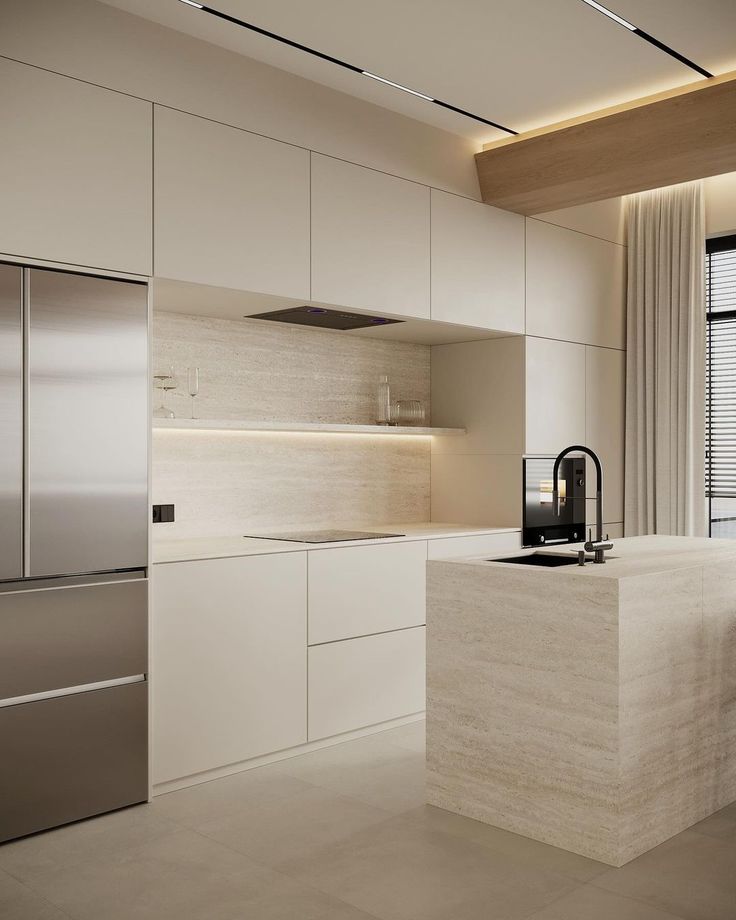
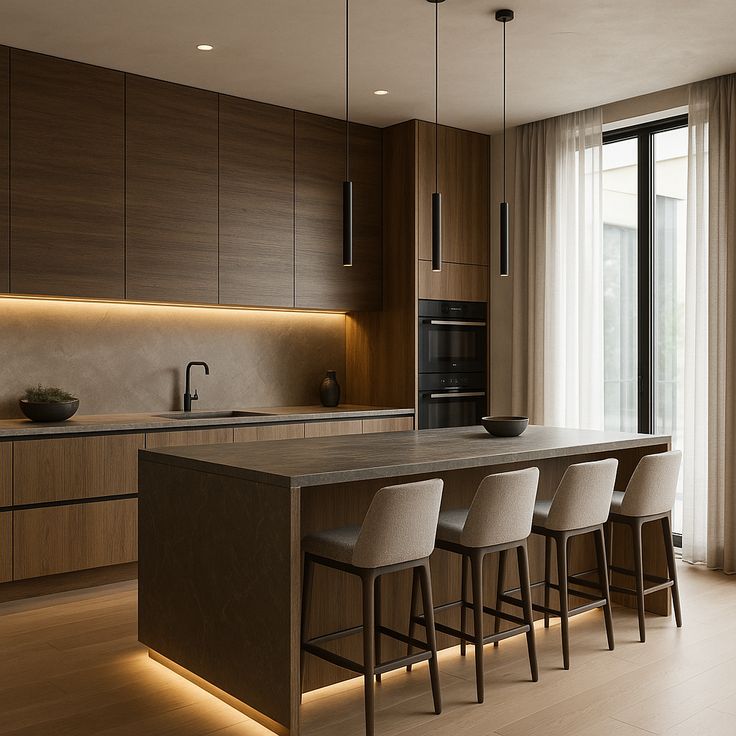
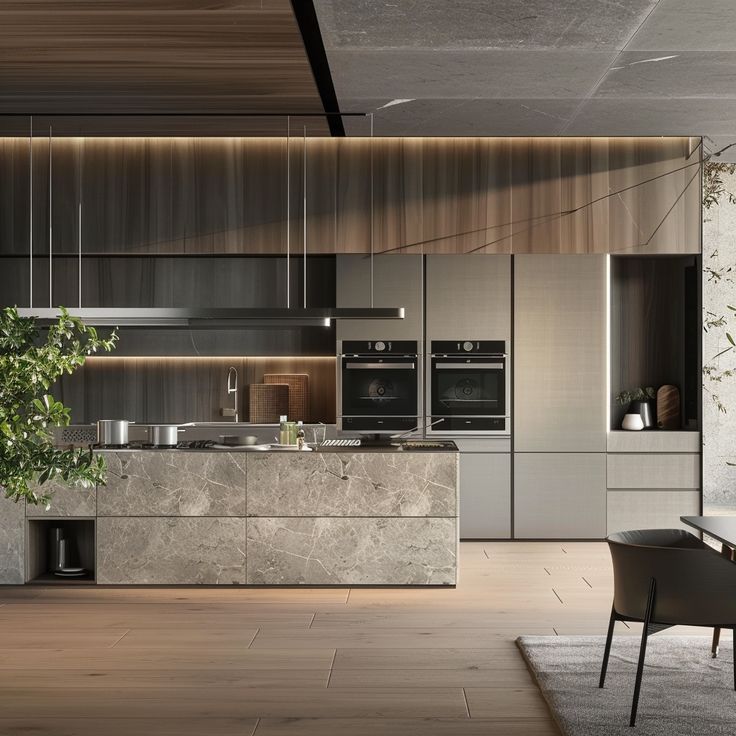
The Role of Lighting in kitchen cabinet design is to do three things at once: improve visibility for tasks, highlight the cabinet finishes and textures, and create mood. Even a beautifully designed kitchen can look flat or dull if the lighting is poor or in the wrong place.
2. How does The Role of Lighting affect how cabinet colors and finishes look?
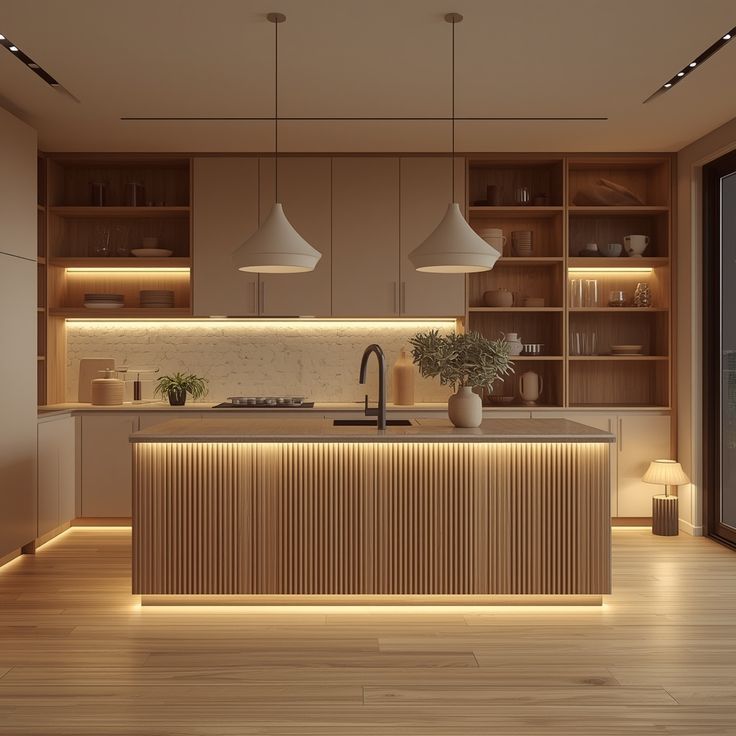
The Role of Lighting is critical in how you perceive cabinet color. Warm light can make wood tones feel richer and cozier, while cooler light can make white or grey cabinets look sharper and more modern. The direction and strength of the light also impact how gloss, matte, or textured finishes appear.
3. How do under-cabinet lights support The Role of Lighting in kitchen design?
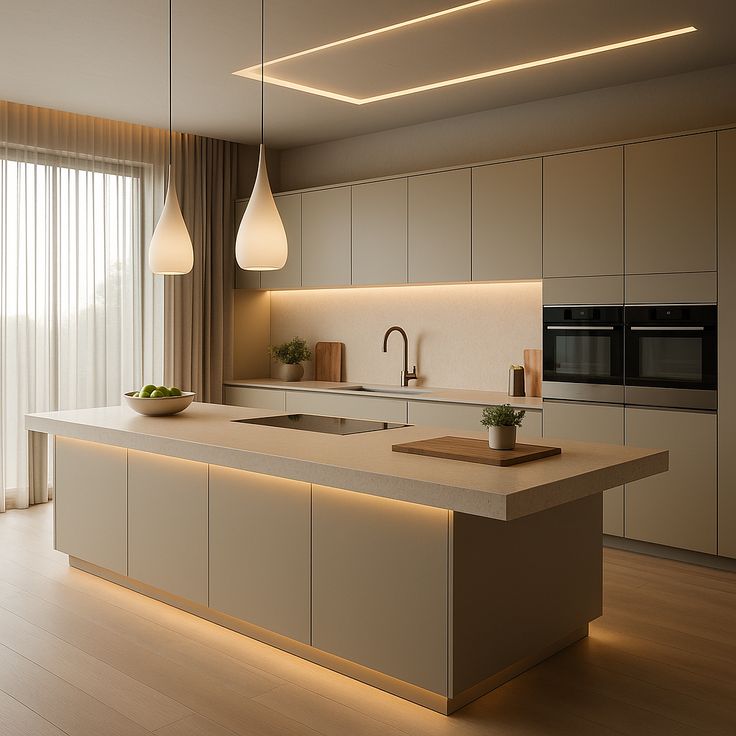
Under-cabinet lighting is one of the clearest examples of The Role of Lighting in cabinet design. It:
Eliminates shadows on the countertop
Makes food preparation safer and easier
Shows off backsplash materials and worktop finishes
Adds a subtle glow at night when main lights are off
4. Can lighting make small kitchens and cabinets feel bigger?
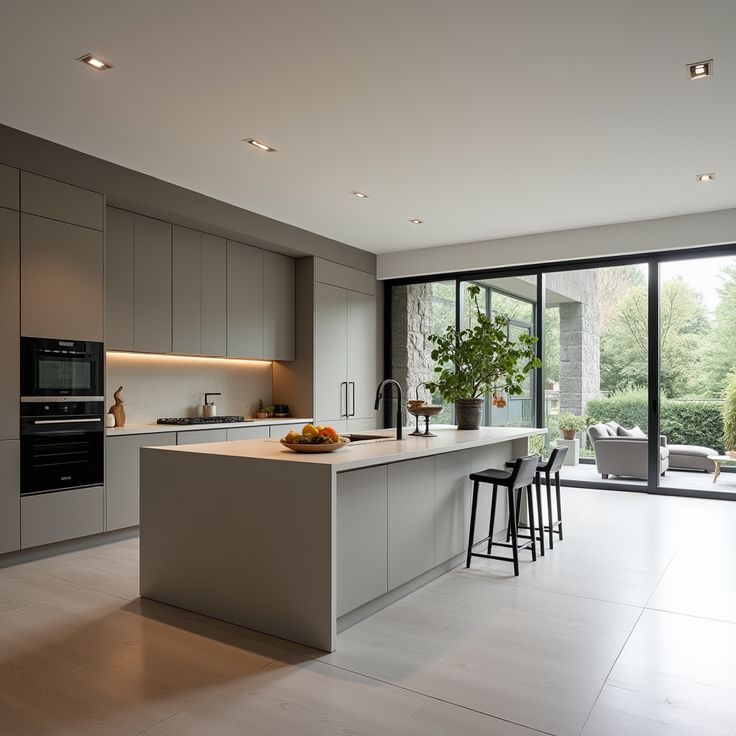
Yes. The Role of Lighting in small kitchens is to visually “expand” the space. Bright, well-placed cabinet lighting can:
Reduce dark corners and heavy shadows
Reflect off light finishes to make the room feel larger
Draw the eye vertically with lit wall cabinets or shelves
Good lighting design often makes a compact kitchen feel more open than a larger but poorly lit one.
5. How does lighting enhance glass-front or display cabinets?
For display cabinets, The Role of Lighting is to turn them into focal points. LED strips or spotlights inside glass-front cabinets:
Highlight glassware, ceramics, or décor
Add depth and sparkle to the overall cabinet wall
Create a premium, “showroom” effect in the evening
6. What is the best color temperature for kitchen cabinet lighting?
In practice, The Role of Lighting depends heavily on color temperature:
Warm white (2700–3000K) – cozy, classic, flattering for wood tones.
Neutral white (3000–3500K) – balanced and versatile for most homes.
Cool white (4000K+) – crisp, modern look, often used in contemporary designs.
Choosing the right temperature ensures your cabinet colors look the way you intended.
7. How do dimmers and smart controls influence The Role of Lighting?
Dimmers and smart controls expand The Role of Lighting from pure function to atmosphere control. With them, you can:
Turn task lighting up for cooking and cleaning
Dim accent lighting for evening or entertaining
Create scenes that highlight kitchen cabinets differently at various times of day
This makes your cabinet design more flexible and “alive.”
8. Where should lighting be placed to support The Role of Lighting in cabinet design?
Placement is key to The Role of Lighting:
Under wall cabinets, towards the front edge, to light the worktop evenly
Above cabinets (if there is a gap) for soft ceiling wash
Inside tall units or pantry cabinets for clear visibility
Along toe-kicks or the underside of islands for subtle floor-level glow
Correct placement avoids glare while maximizing the effect on your cabinet design.
9. Does The Role of Lighting change between modern and traditional kitchen styles?
The principles are the same, but the expression is different:
In modern kitchens, The Role of Lighting is often about clean lines, hidden LEDs, and minimal fixtures.
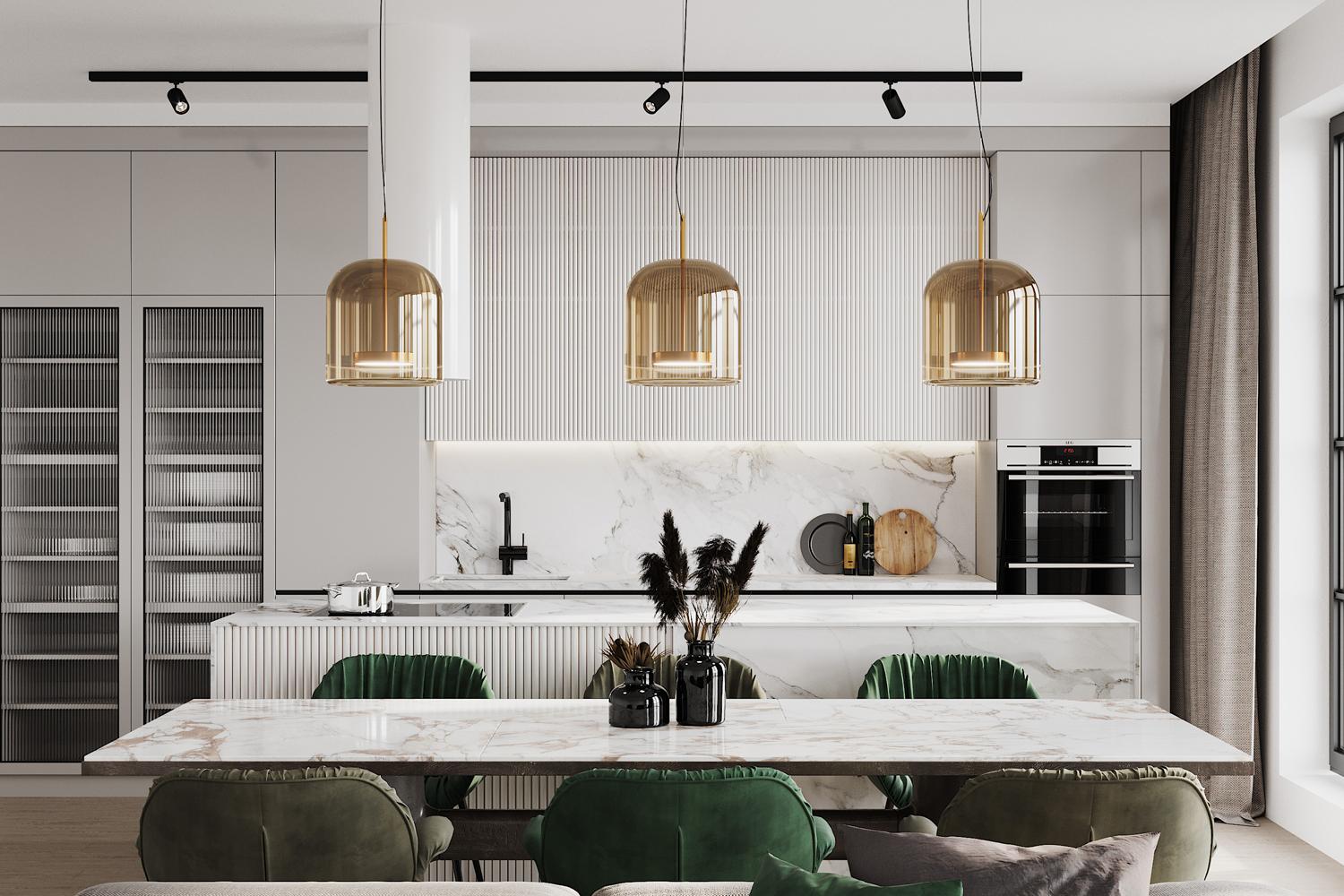
In traditional or transitional kitchens, lighting can combine functional LEDs with decorative pendants, sconces, or glass cabinet lights.
In both cases, the goal is to support the cabinet style, not compete with it.
10. How early should I think about The Role of Lighting in my kitchen cabinet project?
Ideally, you plan The Role of Lighting at the same time as cabinet layout—not after. Early planning ensures:
Power points are in the right places for under-cabinet and in-cabinet lights
Cabinets are designed with lighting channels or profiles in mind
The final look matches the 3D renderings and design intent
When lighting is an integral part of the cabinet design, the entire kitchen feels more complete and professionally finished.