Total Cabinetry And Joinery Solution
ENG

Search
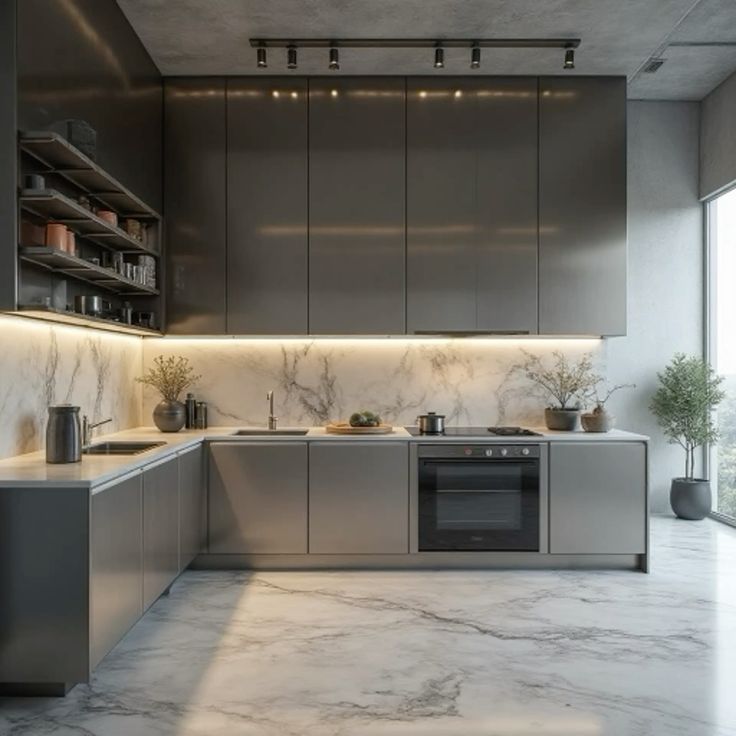
Metal kitchen cabinets offer exceptional durability, moisture resistance, and a modern industrial aesthetic, but they also come with higher costs and limited design warmth compared to wood-based cabinets.
As modern kitchens evolve toward performance-driven design, metal kitchen cabinets are increasingly considered for residential, commercial, and hospitality projects. In this guide, we explore the key pros and cons of metal kitchen cabinets to help homeowners, designers, and developers determine whether they are the right choice.
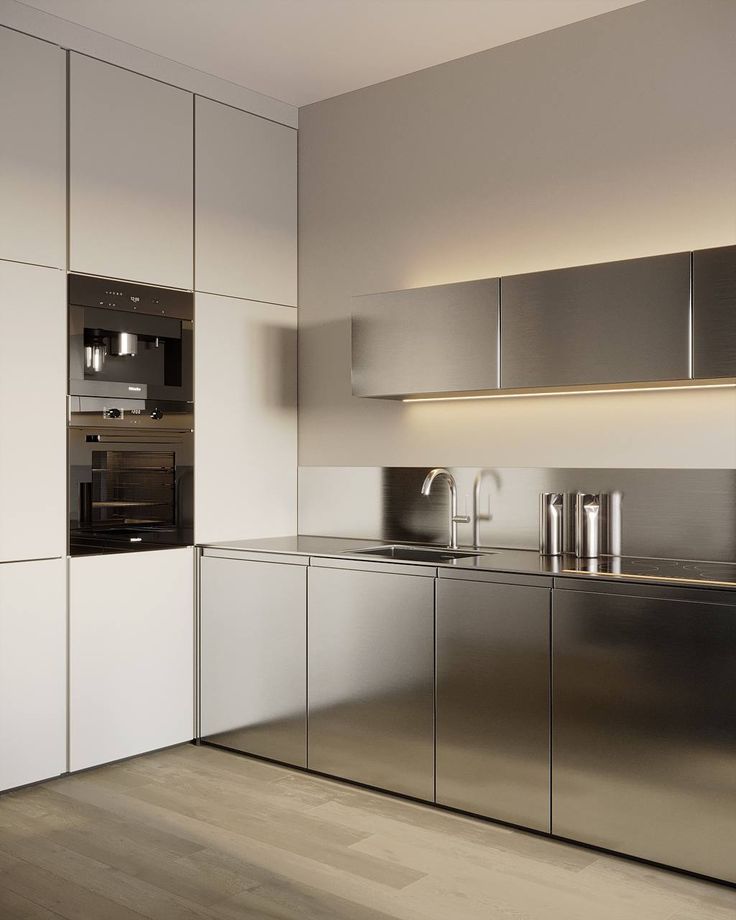
Metal kitchen cabinets are cabinetry systems constructed primarily from stainless steel, aluminum, or powder-coated steel. Unlike traditional wood or MDF cabinets, metal cabinets offer exceptional resistance to moisture, heat, stains, and heavy use. Their structure typically includes metal frames, reinforced panels, and protective surface coatings such as anti-fingerprint finishes or corrosion-resistant treatments, making them ideal for environments that require long-term stability and hygiene.
Metal kitchen cabinets are valued for their:
Durability — they do not warp, expand, or crack
Moisture resistance — perfect for humid or coastal climates
Hygiene — smooth, non-porous surfaces are easy to clean
Modern aesthetic — sleek lines and professional-grade finishes
Long lifespan — often lasting twice as long as wood-based cabinets
They are commonly used in:
Modern residential kitchens
Ideal for homeowners who prefer minimalist, industrial, or contemporary designs. They are also perfect for high-humidity regions where wood cabinets deteriorate faster.
Restaurants and commercial kitchens
Chosen for their sanitary properties, heat resistance, and the ability to withstand heavy daily usage.
Hotels and serviced apartments
A practical solution for developers because metal cabinetry reduces long-term maintenance and ensures consistent quality across multiple units.
High-humidity or coastal environments
Metal cabinets resist corrosion and swelling, making them suitable for coastal homes, tropical climates, and outdoor kitchen areas.
1. Exceptional Durability and Strength
Metal kitchen cabinets are highly resistant to impact, warping, and cracking, making them ideal for long-term use and high-traffic environments.
Key advantages:
No swelling or deformation
Long service life
Suitable for heavy-duty use
2. Moisture, Heat, and Fire Resistance
Unlike wood-based cabinets, metal kitchen cabinets perform well in humid and high-temperature environments.
This makes them suitable for:
Coastal homes
Tropical climates
Commercial and hospitality kitchens
3. Easy Maintenance and Hygiene
Metal surfaces are:
Non-porous
Easy to clean
Resistant to mold and bacteria
This is why metal kitchen cabinets are widely used in food-service and medical environments.
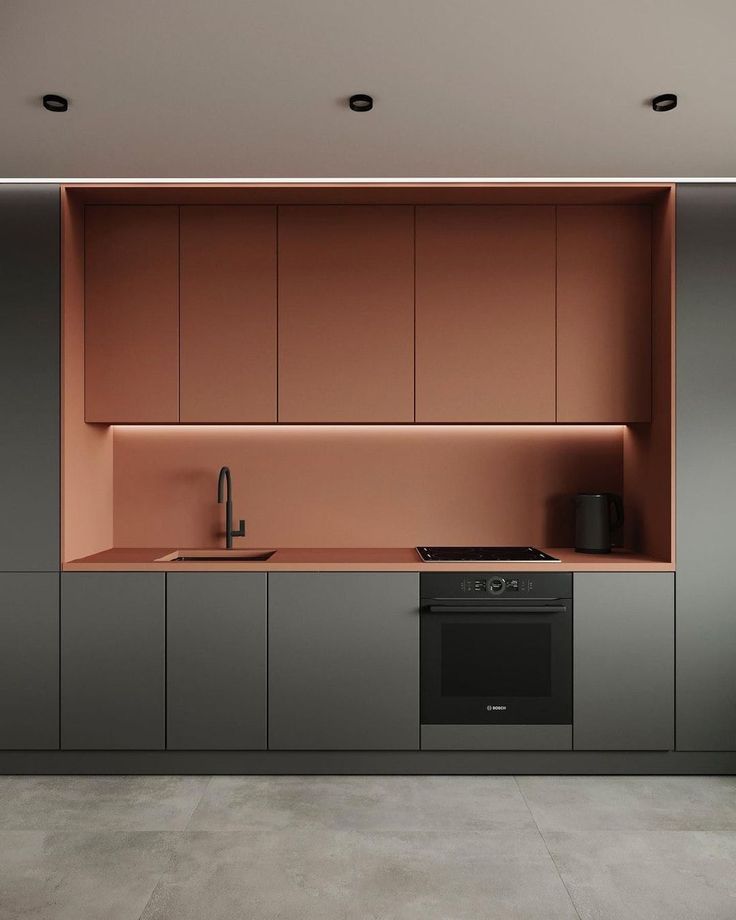
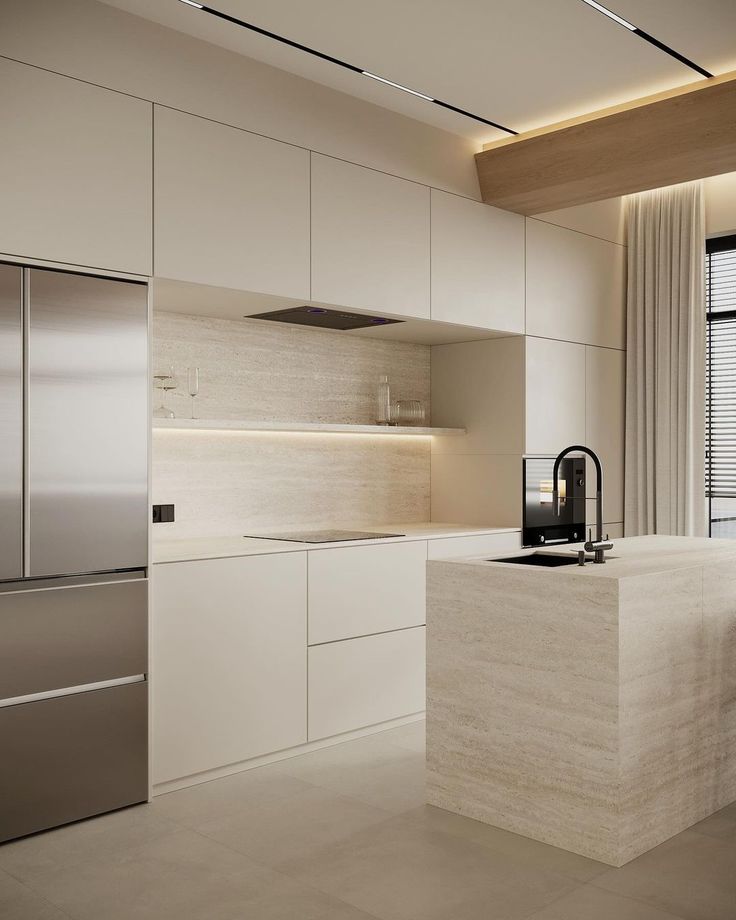
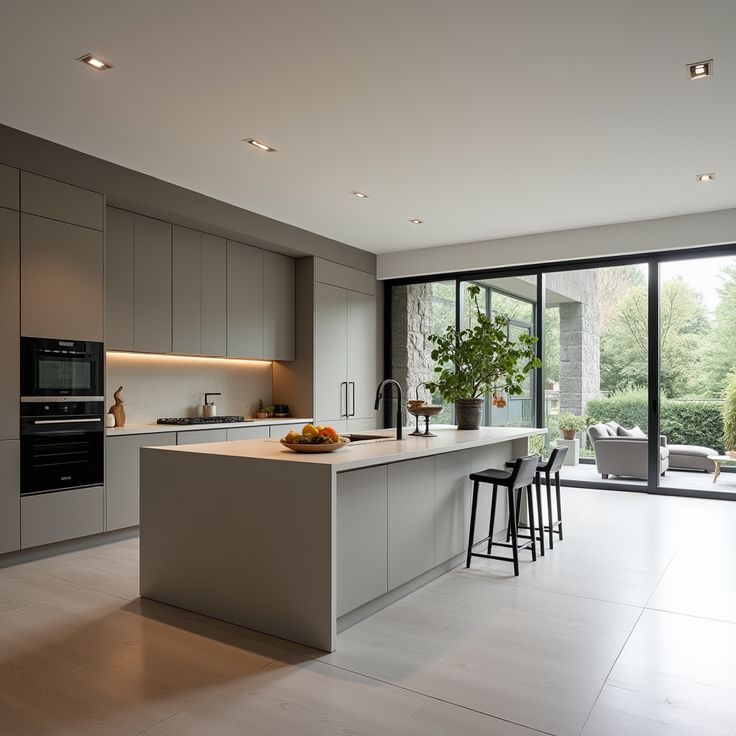
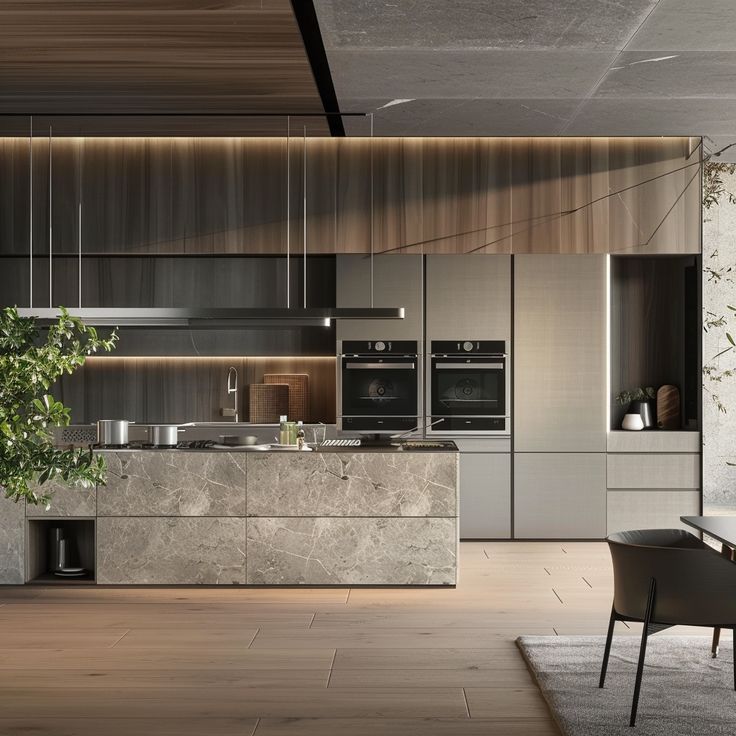
4. Modern and Industrial Aesthetic
Metal kitchen cabinets deliver a sleek, minimalist, and industrial look, often paired with:
Concrete countertops
Glass backsplashes
Matte or brushed finishes
They align well with modern and contemporary kitchen designs.
5. Eco-Friendly and Recyclable
Most metals used in cabinets are 100% recyclable, making metal kitchen cabinets an environmentally responsible choice for sustainable projects.
1. Higher Initial Cost
Metal kitchen cabinets generally cost more upfront than MDF or plywood cabinets due to:
Material costs
Manufacturing complexity
Specialized finishes
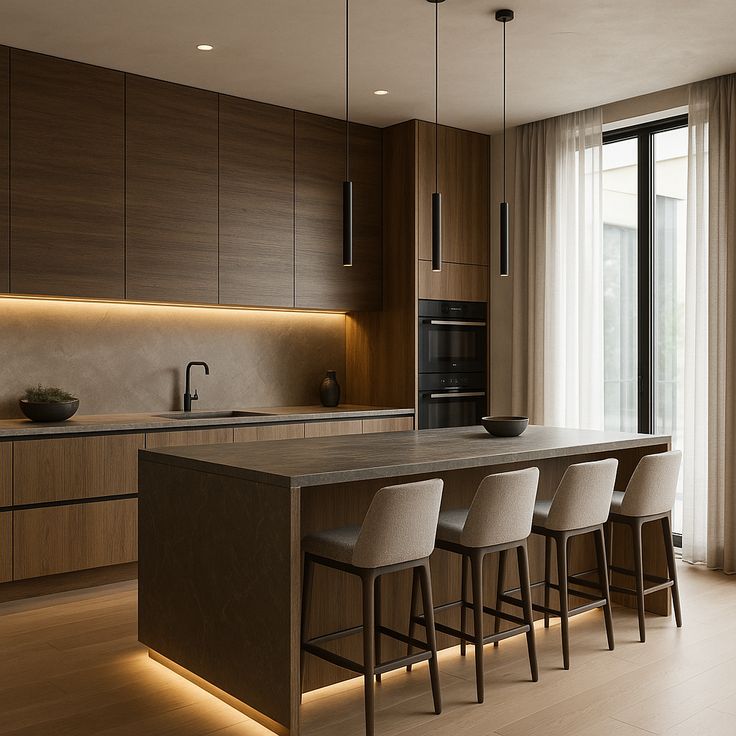
2. Cold and Industrial Appearance
While modern, metal kitchen cabinets may feel:
Too industrial
Less warm than wood
Unsuitable for traditional interiors
Design balance is essential.
3. Susceptibility to Scratches and Dents
Although strong, metal surfaces can:
Show fingerprints
Dent under strong impact
Reveal scratches on polished finishes
Protective coatings are recommended.
4. Noise Issues
Metal cabinets may produce more noise when:
Doors close
Drawers slide
Soft-close hardware is necessary to improve user experience.
5. Limited Design Flexibility
Compared to wood-based cabinets, metal kitchen cabinets offer fewer texture and color variations, which may limit customization for certain design concepts.
Metal kitchen cabinets outperform wood cabinets in durability and moisture resistance, while wood cabinets offer greater warmth and design flexibility.
Feature | Metal Kitchen Cabinets | Wood Cabinets |
Durability | ⭐⭐⭐⭐⭐ | ⭐⭐⭐ |
Moisture Resistance | Excellent | Moderate |
Design Warmth | Low | High |
Maintenance | Easy | Moderate |
Cost | Higher | More flexible |
Metal kitchen cabinets are ideal if you prioritize durability, hygiene, and modern aesthetics.
They are especially suitable for:
Commercial kitchens
Hotels and serviced apartments
Modern villas in humid regions
For warm, traditional homes, hybrid designs (metal frame + wood finish) may be a better solution.
Metal kitchen cabinets combine exceptional durability, superior hygiene, and sleek modern aesthetics, making them an ideal choice for high-performance kitchens across both residential and commercial projects. Their metal composition—typically stainless steel, aluminum, or coated steel—provides outstanding resistance to humidity, heat, stains, and frequent use. This makes them especially suitable for environments that demand long-lasting stability, easy cleaning, and high sanitary standards, such as modern homes, restaurants, hotels, and coastal properties. The clean lines and minimalist look further enhance contemporary kitchen designs, contributing to a refined, professional appearance.
While they may involve higher upfront costs and come with a naturally industrial-style visual effect, the benefits significantly outweigh these considerations. Thanks to their long lifespan, moisture and corrosion resistance, and low maintenance requirements, metal kitchen cabinets reduce long-term repair and replacement expenses. Their non-porous surfaces help maintain hygiene with minimal effort, and their structural strength prevents issues like warping, cracking, or swelling that often occur with wood-based cabinetry. For modern kitchens that prioritize performance, durability, sustainability, and reliability, metal kitchen cabinets represent a smart, future-proof investment.
1. Are metal kitchen cabinets worth it?
Yes, metal kitchen cabinets are a strong investment, especially for environments requiring high durability and long-term stability. They perform exceptionally well in humid areas, rental properties, commercial kitchens, and large development projects because metal does not warp, swell, or crack like wood-based materials. For developers, the reduced maintenance cost over the cabinet’s lifespan makes metal cabinets particularly cost-efficient.
2. Do metal kitchen cabinets rust?
High-quality metal cabinets are engineered to resist rust. Stainless steel, aluminum, and galvanized or powder-coated steel naturally prevent corrosion under normal kitchen conditions. Rust typically only occurs when extremely low-quality metal or improper coatings are used. Choosing cabinets with anti-fingerprint finishes and moisture-resistant protection ensures long-lasting performance.
3. Are metal kitchen cabinets expensive?
Metal cabinets generally have a higher upfront price than particleboard or MDF options. However, their long lifespan, lower maintenance needs, and excellent durability make them more economical in the long run. For commercial or multi-unit projects, metal cabinets often reduce repair and replacement costs by 30–50% over a 10-year period.
4. Are metal kitchen cabinets suitable for residential kitchens?
Yes. Metal cabinets are increasingly popular in residential settings, especially in modern, minimalist, industrial, or loft-style interiors. They resist moisture, termites, and heat much better than wood-based materials. For homes in coastal or tropical climates, metal cabinets provide long-term stability and remain visually appealing due to sleek lines and premium finishes.
5. Can metal kitchen cabinets be customized?
Yes. Metal cabinets support a wide range of customizations, including:
Dimensions: fully adjustable height, depth, and internal layout
Finishes: brushed stainless steel, matte, powder-coated color finishes, anti-fingerprint coatings
Hardware: soft-close hinges, drawer systems, pull-out storage, organizers
Styles: seamless modern panels, framed designs, integrated handles
This makes metal cabinetry suitable for both high-end residential use and large-scale project customization.
6. What types of metal are used for kitchen cabinets?
Common options include stainless steel, aluminum, and powder-coated steel. Stainless steel offers the highest durability and hygiene, making it ideal for professional kitchens. Aluminum is lightweight, corrosion-resistant, and great for residential projects. Coated steel provides excellent value with strong structure and customizable finishes. AIS SMARTI materials further enhance performance by offering premium anti-scratch, anti-rust, and anti-fingerprint protection.
7. Are metal kitchen cabinets easy to install?
Yes, many metal cabinets are designed for efficient installation. They often feature pre-drilled holes, modular construction, and ready-to-assemble components, reducing onsite labor time. For custom-built or premium-grade systems, professional installation ensures perfect alignment, noise-free operation, and long-term structural stability.
8. Can metal kitchen cabinets be painted?
Yes. Metal cabinets can be refinished using professional-grade enamel paint, automotive-grade coatings, or powder-coating for maximum durability. These finishes resist scratches, fading, and peeling. Powder coating is especially popular because it delivers a smooth, modern look with excellent wear resistance.
9. Do metal kitchen cabinets have a high resale value?
Yes, metal kitchen cabinets often increase resale value because buyers appreciate their durability, hygiene, and long service life. In modern residential projects, boutique apartments, and commercial spaces, metal cabinetry is viewed as a premium upgrade. The low maintenance and long-term performance make the property more attractive to buyers.
10. Can metal kitchen cabinets be used in outdoor kitchens?
Absolutely. Metal cabinets—especially stainless steel and aluminum—are ideal for outdoor kitchens because they resist sunlight, humidity, rain exposure, insects, and temperature changes. Proper powder-coating or marine-grade stainless steel ensures the cabinets remain rust-free and structurally sound even in coastal or high-humidity regions.