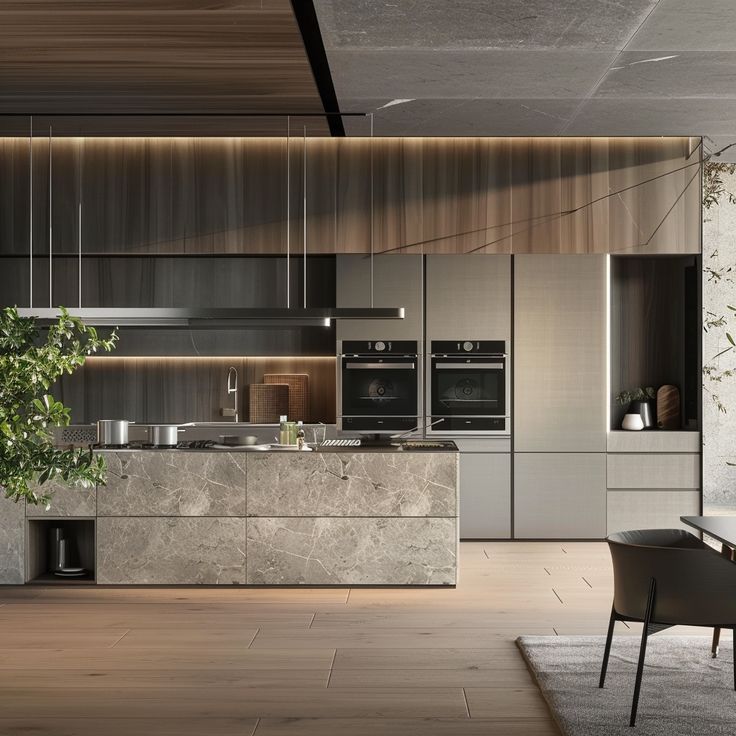
What Is The Difference Between Solid Surfaces And Quartz?
1 月 ,20 2026
This guide explains the key differences between Solid Surfaces and Quartz, helping homeowners, designers, and developers select the right material for their kitchen or renovation project.
Source
What Is the Difference Between Solid Surfaces and Quartz?
When choosing a modern kitchen countertop, Solid Surfaces and Quartz are two of the most popular options in 2026. Both are engineered materials known for durability, clean aesthetics, and low maintenance—but they differ significantly in composition, performance, cost, and ideal applications.
What Are Solid Surfaces?
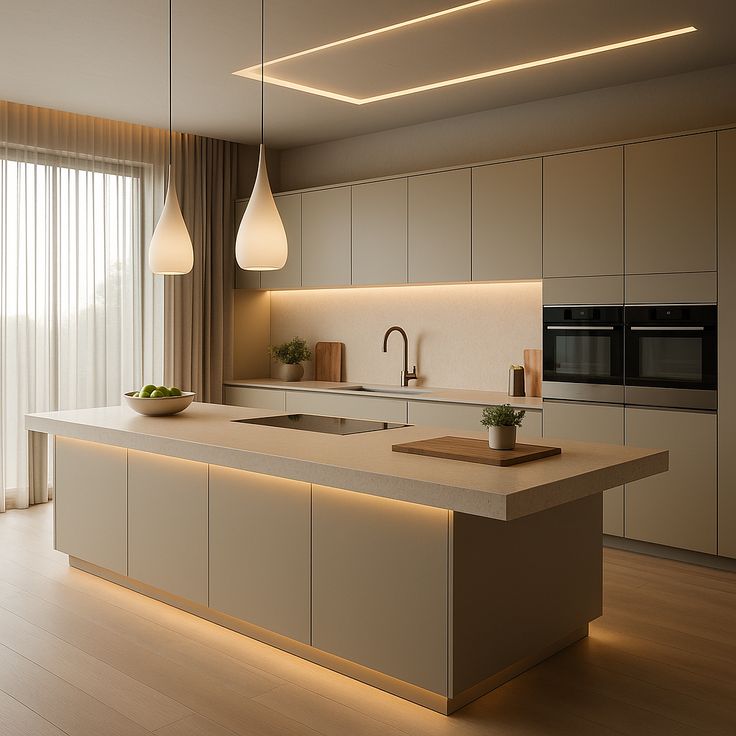
Solid Surfaces are man-made countertop materials composed mainly of acrylic or polyester resins combined with natural minerals. They are non-porous, seamless, and repairable, making them popular for residential kitchens, bathrooms, and commercial interiors.
Key Characteristics of Solid Surfaces
Smooth, uniform appearance
Seamless joints (nearly invisible)
Non-porous and hygienic
Can be thermoformed into curved shapes
Scratches and minor damage can be repaired
Common uses:
Residential kitchens, bathrooms, healthcare facilities, offices, and hospitality projects.
What Is Quartz?
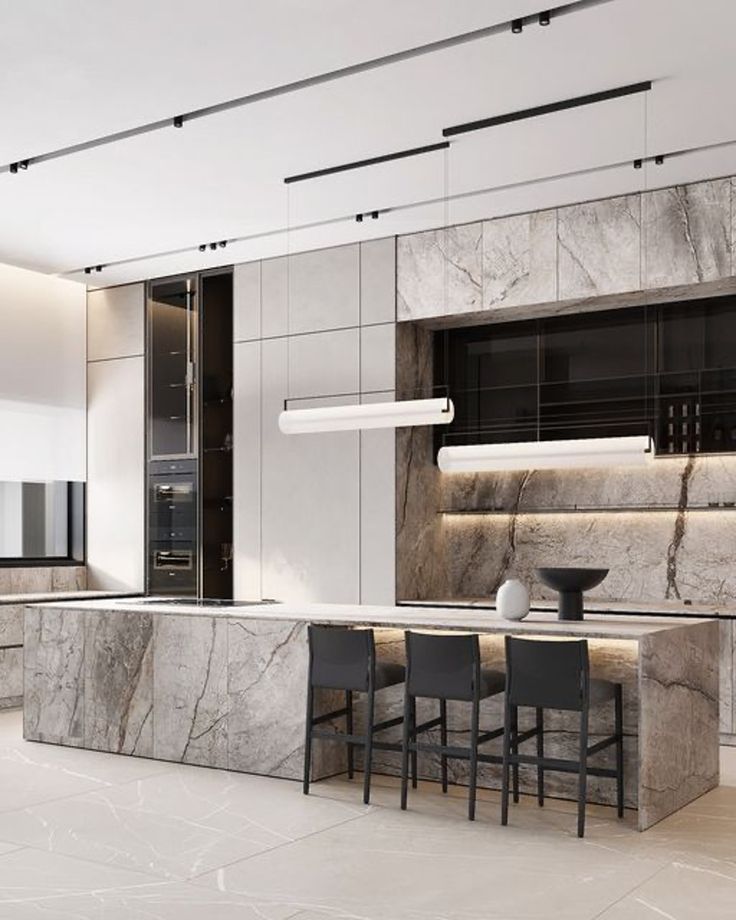
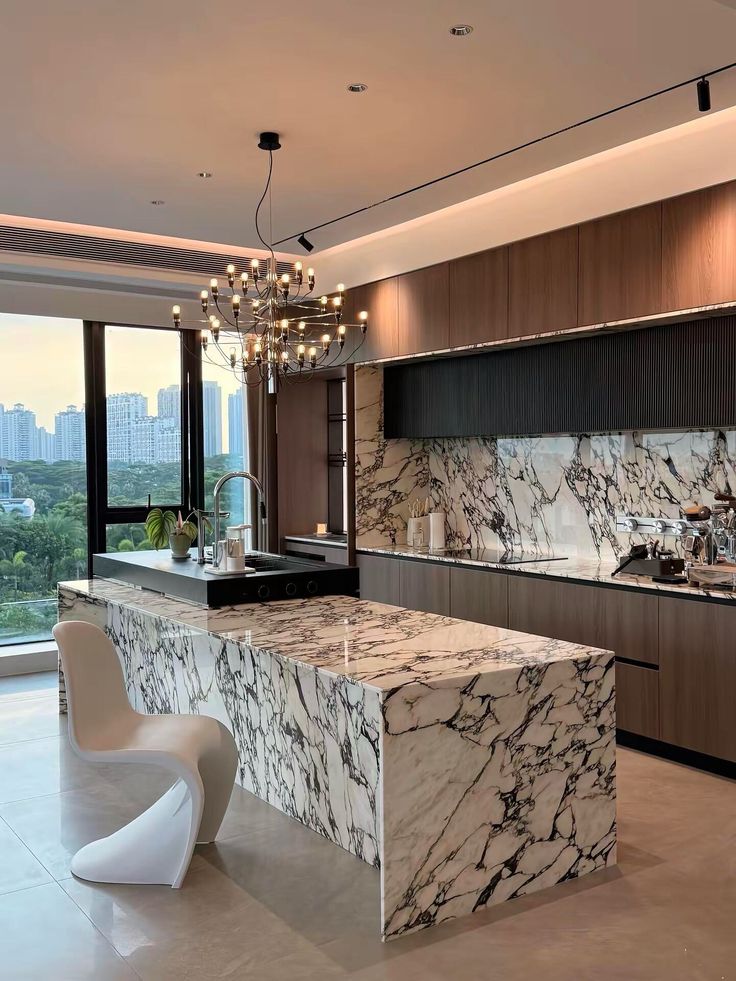
Quartz countertops are engineered stone surfaces made from approximately 90–95% natural quartz crystals mixed with resins and pigments. Quartz offers the look of natural stone with enhanced durability and consistency.
Key Characteristics of Quartz
Extremely hard and durable
Non-porous and stain-resistant
Consistent patterns and colors
Resistant to scratches and impacts
Minimal maintenance required
Common uses:
High-use residential kitchens, luxury homes, apartments, and multi-family developments.
Solid Surfaces vs Quartz: Side-by-Side Comparison
1. Appearance & Design Flexibility
Solid Surfaces:
Offer a clean, minimalist look with solid colors or subtle patterns. Ideal for modern, seamless designs and integrated sinks.
Quartz:
Available in stone-inspired designs, including marble and concrete looks. Provides a more natural, premium aesthetic.
Winner:
Modern minimalism → Solid Surfaces
Stone-like luxury → Quartz
2. Durability & Strength
Solid Surfaces:
Durable for daily use but softer than quartz. Can scratch under heavy impact.
Quartz:
Extremely hard and resistant to scratches, chips, and heavy use.
Winner: Quartz
3. Maintenance & Cleaning
Both materials are non-porous and do not require sealing.
Solid Surfaces:
Easy to clean; scratches can be sanded and repaired.
Quartz:
Easy to clean but harder to repair if chipped.
Winner: Tie (different advantages)
4. Heat Resistance
Solid Surfaces:
Sensitive to high heat; hot pots can cause damage.
Quartz:
Better heat resistance, but still not fully heatproof.
Winner: Quartz
5. Repairability
Solid Surfaces:
One of the biggest advantages—scratches and cracks can often be repaired on-site.
Quartz:
Repairs are difficult and may require slab replacement.
Winner: Solid Surfaces
6. Cost Comparison
Solid Surfaces:
Generally more affordable and budget-friendly.
Quartz:
Higher upfront cost but longer lifespan.
Winner:
Budget projects → Solid Surfaces
Long-term investment → Quartz
Conclusion
When comparing Solid Surfaces vs Quartz, there is no one-size-fits-all answer. Solid Surfaces excel in flexibility, seamless design, and repairability, while Quartz stands out for strength, luxury appearance, and long-term durability.
The best choice depends on budget, usage intensity, design style, and maintenance expectations. Understanding these differences ensures your kitchen countertop investment performs well for years to come.
FAQs:
1. Are Solid Surfaces or Quartz better for kitchens?
Both work well. Quartz is better for heavy-use kitchens, while Solid Surfaces are ideal for seamless, modern designs with easier repairs.
2. Do Solid Surfaces stain easily?
No. Solid Surfaces are non-porous and resistant to stains, but harsh chemicals and heat should be avoided.
3. Is Quartz more expensive than Solid Surfaces?
Yes. Quartz typically has a higher upfront cost, but it offers superior hardness and long-term durability.
4. Can Solid Surfaces crack or scratch?
They can scratch more easily than quartz, but the advantage is that scratches can usually be repaired.
5. Which material is better for rental properties?
Solid Surfaces are often preferred for rentals due to lower cost and easy repairability.
6. Are Solid Surfaces or Quartz suitable for commercial projects?
Both are suitable. Quartz is better for high-traffic areas, while Solid Surfaces are commonly used in healthcare and hospitality for hygiene and seamless installation.