Total Cabinetry And Joinery Solution
ENG

Search
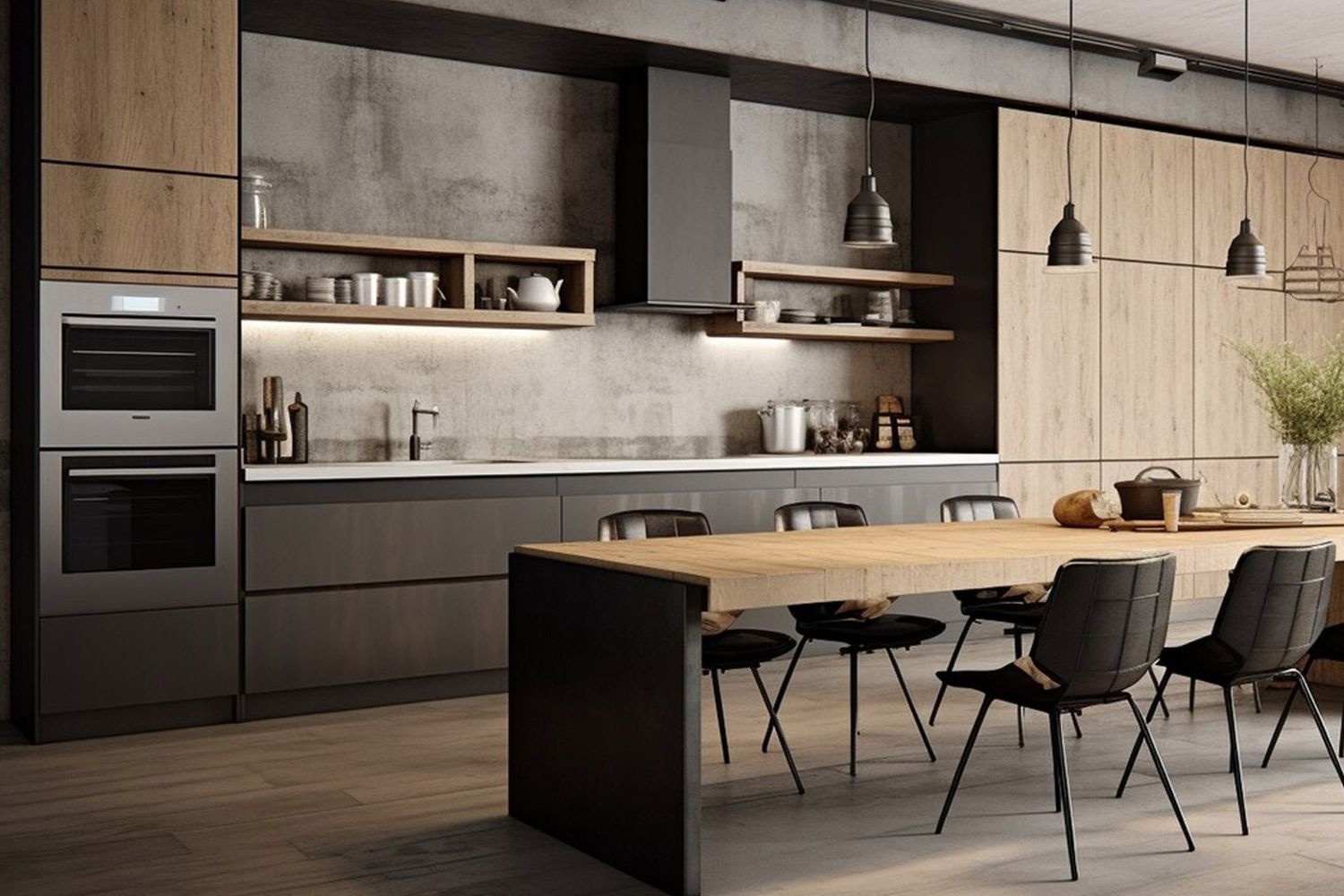
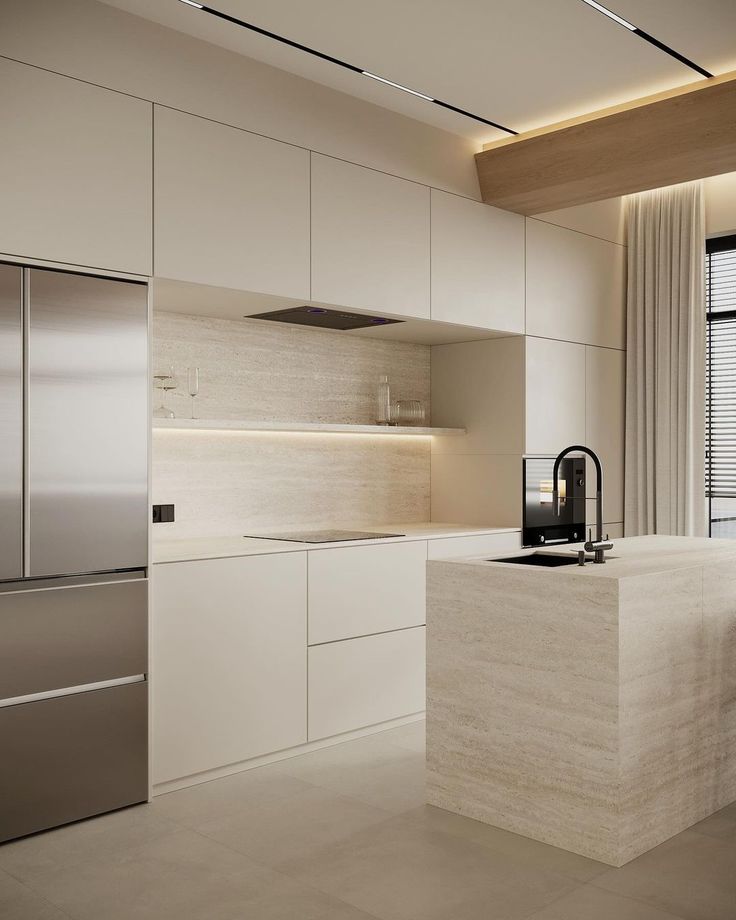
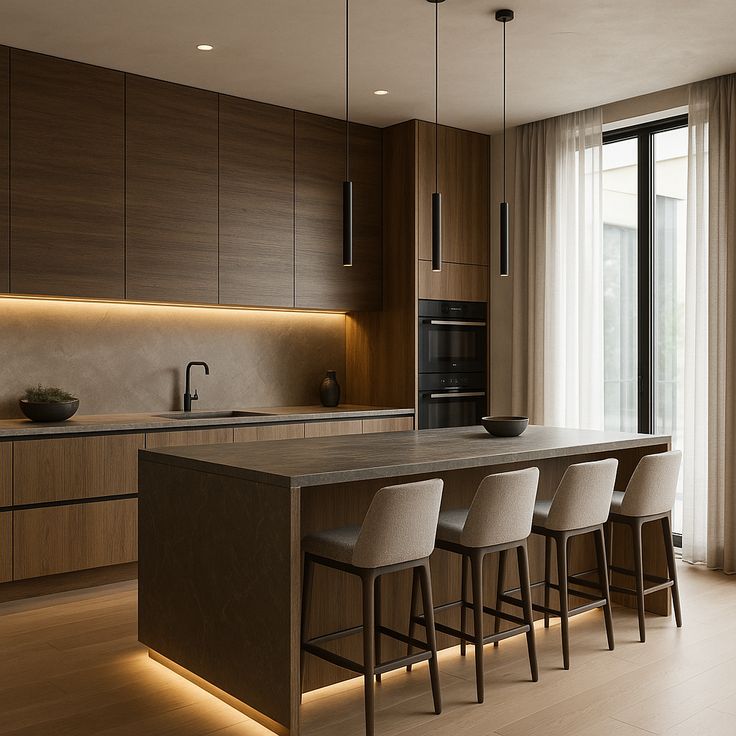
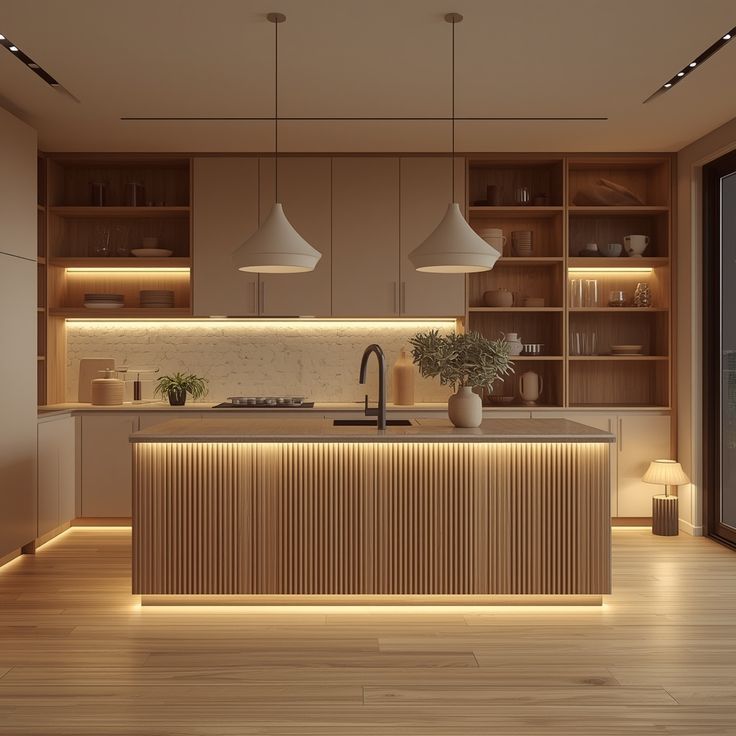
When choosing kitchen cabinets, durability is often the top concern for homeowners, developers, and commercial projects. Wood cabinets are favored for their natural warmth and style, while stainless steel cabinets are renowned for their resilience in wet, high-use environments.
This article provides a detailed comparison between wood and stainless steel cabinets, focusing on structural strength, water/fire resistance, aging, maintenance, aesthetics, and pricing, helping you decide which is best for your kitchen or project.
Attribute | Wood Cabinets | Stainless Steel Cabinets |
Core Materials | Solid wood, plywood, particleboard | SUS304/SUS201 stainless steel |
Thickness | 16–18mm (standard),20mm (premium) | 0.8–1.2mm panel + frame |
Construction | Wood boards + metal or wood framing | Full metal welded or composite honeycomb frame |
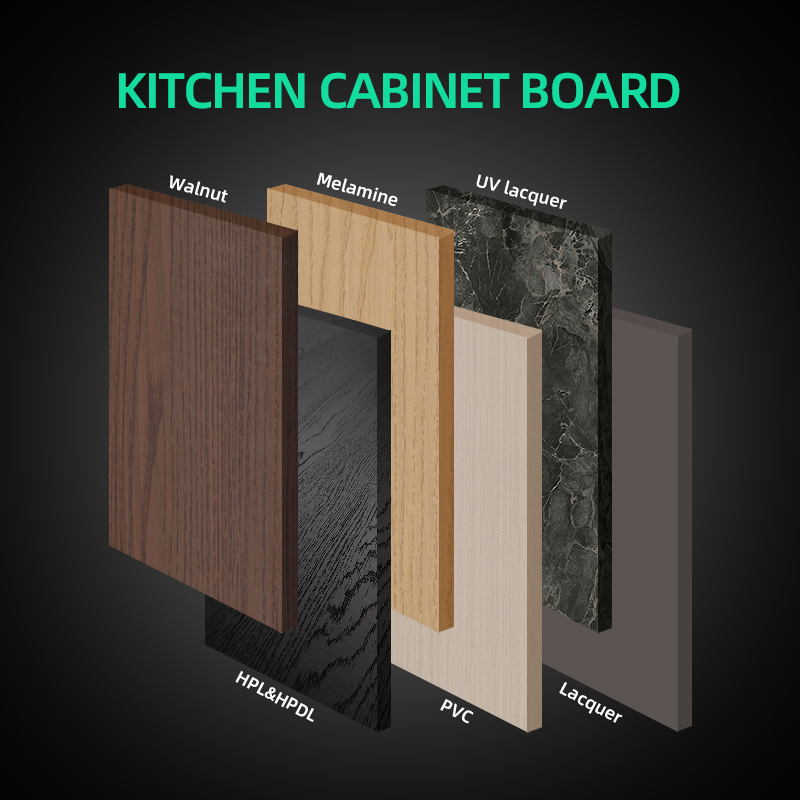
Surface Finish Options | UV lacquer,PET, HPL,Melamine | Brushed steel,nano matte,anti-fingerprint coating |
Tip: Stainless steel has superior deformation resistance. However, well-processed plywood or solid wood cabinets offer good rigidity and customization flexibility.
1、Wood Cabinets:
1、Susceptible to moisture, swelling, and mold if not sealed properly.
2、Fire risk is higher unless special fire-retardant coating is applied.
2、Stainless Steel Cabinets:
1、Naturally waterproof and fire-resistant.
2、Ideal for high humidity, commercial, or coastal kitchens.
Tip: For high-moisture environments (e.g., Southeast Asia, Middle East), stainless steel is the better choice.
Feature | Wood Cabinets | Stainless Steel Cabinets |
Lifespan | 10–15 years (standard), 20+ years (premium) | 20–30 years |
Aging Issues | Swelling, veneer peeling, termite risk | Fingerprints, dents, minor discoloration |
Durability in Harsh Conditions | Moderate | Excellent |
Insight: Stainless steel is ideal for long-term use with minimal performance degradation, especially in commercial environments.
1. Wood Cabinets
1、Require regular cleaning and protection from water/oil.
Wood is porous and absorbs moisture easily, so it must be wiped dry after exposure to water or cooking oil. For long-term durability, users need to apply wood care oils or protective coatings periodically.
2、Surface scratches may be hard to fix.
Minor scuffs can sometimes be repaired with touch-up markers, but deeper scratches or dents often require sanding and re-coating, which increases maintenance effort and cost.
3、High-gloss lacquer needs extra care.
High-gloss lacquered wood cabinets are visually stunning but show fingerprints, grease marks, and micro-scratches more easily. They should be cleaned with microfiber cloths and non-abrasive cleaners to maintain shine.
Conclusion: Wood cabinets provide a warm and elegant look but demand more careful, ongoing maintenance to retain their aesthetic appeal.
2. Stainless Steel Cabinets
1、Easy to wipe clean.
Stainless steel surfaces are non-porous, making grease and food residue easy to remove with a damp cloth and mild detergent. It is especially convenient for high-traffic kitchens.
2、Resistant to bacteria buildup.
Because stainless steel does not absorb moisture or food particles, it prevents mold and bacteria growth, making it ideal for hygiene-sensitive environments.
3、Fingerprint marks are common unless treated with nano coating.
Stainless steel tends to show fingerprints and smudges easily. However, premium models with nano-fingerprint-resistant coating significantly reduce visible marks and make daily cleaning more effortless.
Conclusion: Stainless steel cabinets offer easy cleaning and excellent hygiene performance, especially when enhanced with fingerprint-resistant technology.
Practical Tip:
For restaurants, hotels, staff kitchens, rental apartments, and other high-usage environments, stainless steel cabinets reduce cleaning time, maintenance costs, and the need for frequent repairs.
In contrast, wood cabinets are more suitable for residential homes where aesthetics and style customization are key considerations.
Style | Wood Cabinets | Stainless Steel Cabinets |
Modern | ✅ Multiple textures and finishes | ✅ Brushed/matte finishes |
Nordic/Scandi | ✅ Woodgrain textures | ❌ Limited options |
Industrial/ Minimalist | ❌ Rarely used | ✅ Perfect fit |
Luxury/Simplistic | ✅ UV lacquer, natural veneers | ✅ Nano stainless for sleek look |
Tip: Use stainless steel for contemporary or industrial spaces. For warm family kitchens, wood delivers better ambiance.
Factor | Wood Cabinets | Stainless Steel Cabinets |
Average Cost | Lower, more budget-friendly | Higher, especially premium steel |
Large-Scale Projects | Suitable | May raise project cost |
Customization | High flexibility in design | Moderate, limited by steel sheet size |
Scenario | Recommended Type | Reason |
Home kitchens | Wood Cabinets | Warmth,affordability |
Commercial kitchens | Stainless Steel | Sanitary,easy to clean |
Coastal/Humid regions | Stainless Steel | Moisture-proof |
Minimalist luxury homes | Nano Steel/Matte Wood | Sleek aesthetics |
Real estate projects | Wood(RTA or flat-pack) | Cost-effective, scalable |
Both wood and stainless steel kitchen cabinets have their strengths and ideal use cases.
1、If you're looking for warm aesthetics, customizable styles, and cost-effectiveness for residential or bulk housing projects, wood cabinets are the right fit.
2、On the other hand, if durability, hygiene, and moisture-resistance are your top priorities—especially for commercial kitchens, rental apartments, or humid regions—then stainless steel cabinets offer unmatched performance.
Ultimately, the best choice depends on your project type, budget, design vision, and long-term usage needs.
1. Which lasts longer overall: wood cabinets or stainless steel cabinets?
In general, stainless steel cabinets can have a longer lifespan in harsh or high-moisture environments, because they are highly resistant to water, insects, and rot.
However, high-quality wood kitchen cabinets (especially plywood or multi-ply with good finishes) can also last 15–25+ years in normal residential use.
For typical apartments and villas, good wood cabinets often provide more than enough lifespan.
For heavy-duty or semi-commercial use (staff kitchens in hotels, serviced apartments), stainless steel can outlast wood.
2. Are stainless steel kitchen cabinets always more durable than wood?
Not always. Stainless steel is more durable in terms of:
Resistance to water, steam, and humidity
Resistance to termites, insects, and mold
Fire and heat resistance
But stainless steel cabinets can:
Dent if hit hard
Show scratches and fingerprints
Feel “cold” or “industrial” in a home kitchen
Wood cabinets, if made with good boards and hardware, are very durable in day-to-day residential use and often look warmer and more premium in villas and high-end apartments.
3. How do wood kitchen cabinets perform in apartments, villas, and developer projects?
For most residential projects, well-designed wood cabinets (plywood, multi-ply, or HMR particle board with quality finishes) perform very well:
Apartments / condo projects: Wood cabinets are popular because they balance cost, design flexibility, and durability.
Villas & townhouses: Wood or wood-look finishes are often preferred for a warmer, luxury feel.
Developer projects (multi-unit): Wood cabinets allow standardized modules, fast installation, and a wide choice of styles that appeal to most buyers.
The key is proper board selection, edge sealing, and avoiding long-term water exposure (under-sink protection, good installation).
4. When are stainless steel cabinets a better choice?
Stainless steel cabinets are a better fit when:
The kitchen is exposed to high humidity, coastal air, or frequent water contact
There is very heavy use, such as staff kitchens in hotels, canteens, or rental units with high turnover
The client values hygiene and easy disinfecting over a “warm” look
For developer or hospitality projects, stainless steel is often used in:
Back-of-house kitchens
Staff kitchens or service kitchens
Outdoor or semi-outdoor kitchens
While the show kitchen in a villa or high-end apartment often still uses stylish wood or wood-look finishes.
5. Which is better for rental apartments and multi-unit developer projects?
It depends on the positioning:
Mid-range rental apartments / condo projects:
Good quality wood cabinets (HMR board or plywood) are usually more cost-effective and look more “residential”.
They offer enough durability if tenants are reasonably careful.
High-turnover or low-maintenance rental units:
Stainless steel cabinets can be more durable because they tolerate rough use and frequent cleaning better.
Developers often choose wood cabinets in the main units and may use stainless steel only in special areas that need extra robustness.
6. For luxury villas and high-end homes, which material is more suitable?
For front-of-house kitchens in luxury villas and premium apartments, most owners and designers prefer:
Wood or wood-veneer cabinets for a warm, sophisticated look
High-end finishes (lacquer, veneer, matte PET, etc.) with quality hardware
Stainless steel can still be used:
In back kitchens / dirty kitchens for heavy cooking
As accents (stainless toe kicks, appliances, worktops) combined with wood fronts
In this segment, design and atmosphere usually matter more than “industrial-grade” durability.
7. How do maintenance and cleaning compare between wood and stainless steel cabinets?
Wood cabinets:
Need basic protection from standing water, especially at sink bases.
Clean with mild soap and a soft cloth.
Avoid harsh chemicals and abrasives that can damage the finish.
Stainless steel cabinets:
Very resistant to water and many cleaning agents.
Show fingerprints, smudges, and scratches more easily on some finishes.
Often need regular wiping with soft cloths and sometimes stainless polish.
For busy rental projects or staff kitchens, stainless steel’s easy disinfection can be a big advantage. For families and private homes, the softer maintenance of wood is usually acceptable.
8. Do wood cabinets warp more easily than stainless steel in humid climates?
If low-quality boards or poor construction are used, wood cabinets can warp, swell, or delaminate in humid climates. To avoid this:
Use moisture-resistant boards (HMR/plywood)
Seal edges properly and protect under-sink areas
Ensure good ventilation and avoid long-term water leaks
Stainless steel cabinets do not warp from humidity, which is why they are common in coastal areas, outdoor kitchens, and heavy-duty project kitchens. But well-built wood cabinets can still perform very well in most climates.
9. Which material is more cost-effective over the life of a project?
Lifetime cost depends on:
Project type (apartment, villa, hotel, staff housing)
How tenants or users treat the kitchen
Local material and labor costs
Roughly:
For standard residential apartments and villas, well-specified wood cabinets are usually more cost-effective.
For high-abuse or semi-commercial environments, stainless steel may be cheaper in the long run due to lower damage and replacement rates.
Developers often calculate “cost per year of use” instead of just looking at initial price.
10. How do I choose between wood and stainless steel cabinets for my project type?
You can use this simple guide:
Private apartments & condos:
Choose wood cabinets (or wood-look) for comfort, warmth, and good ROI.
Villas & luxury homes:
Wood / veneer fronts in the show kitchen, optional stainless in the back kitchen.
Developer projects / multi-unit:
Wood cabinets for standard units, stainless or hybrid only in special areas that require extra durability.
Hotels, staff kitchens, high-turnover rentals:
Strong case for stainless steel cabinets, or hybrids with stainless in heavy-use zones.